


Weed for Anxiety and Stress: What You Need to Know
Anxiety affects millions of people worldwide, and many are exploring cannabis as a potential remedy for their symptoms. The relationship between weed for anxiety relief is complex, with different strains, compounds, and dosages producing vastly different results. Some users find profound calm and relaxation, while others experience heightened anxiety or panic attacks when consuming the wrong products or doses. It is essential to consider the use of weed for anxiety and stress as part of a broader strategy for managing these conditions.
The key to success lies in understanding how cannabis interacts with your body’s stress response system. THC and CBD, the two primary cannabinoids, affect anxiety in distinctly different ways depending on the dosage and individual tolerance levels. Research suggests that low doses of THC may reduce anxiety, while higher amounts can trigger the opposite effect.
For those seeking quality cannabis products with reliable delivery across the UK, BudBuddies stands out as a trusted provider. Their commitment to premium products, discreet packaging, and rapid delivery makes accessing the right strains for anxiety management both convenient and private. Whether you’re new to cannabis or an experienced user looking for specific anxiety-relieving properties, finding the right approach requires careful consideration of strains, dosages, and consumption methods for the best weed for anxiety.
How Cannabis Interacts with Your Body’s Stress Response

Your body contains a sophisticated network called the endocannabinoid system (ECS) that helps regulate mood, stress, and emotional responses. This system includes CB1 and CB2 receptors throughout your brain and body that respond to both naturally produced endocannabinoids and plant-based cannabinoids from cannabis. When you consume weed for anxiety, these compounds bind to receptors in key brain regions, including the amygdala, which processes fear and stress responses.
- CB1 receptors: Located primarily in the brain, affect mood and anxiety
- CB2 receptors: Found throughout the body, influence inflammation and immune response
- Amygdala: Processes fear and stress responses
THC’s relationship with anxiety follows a biphasic pattern, meaning low doses often produce calming effects while higher doses can increase anxious feelings. This happens because THC can overstimulate CB1 receptors in anxiety-sensitive brain regions when consumed in large quantities. The sweet spot for anxiety relief typically falls between 2.5-5mg of THC, though individual tolerance varies significantly based on body weight, metabolism, and previous cannabis experience.
CBD operates differently by interacting indirectly with the ECS and influencing serotonin receptors associated with mood regulation. Unlike THC, CBD doesn’t produce psychoactive effects and rarely causes anxiety at any dose. Many users report that high CBD weed provides consistent calming effects without the unpredictability sometimes associated with THC-dominant strains.
The timing of these effects also varies by consumption method. Inhaled cannabis reaches peak blood levels within minutes, making it easier to control dosage but requiring careful attention to avoid overconsumption. Edibles and tinctures take longer to take effect but provide more sustained relief for chronic anxiety symptoms.
“The endocannabinoid system plays a crucial role in regulating anxiety and stress responses. Low-dose THC can enhance the body’s natural ability to manage anxiety, but the key is finding that therapeutic window.” – Dr. Ethan Russo, neurologist and cannabis researcher
Finding Your Calm: Understanding Cannabis Strains and Terpenes for Anxiety
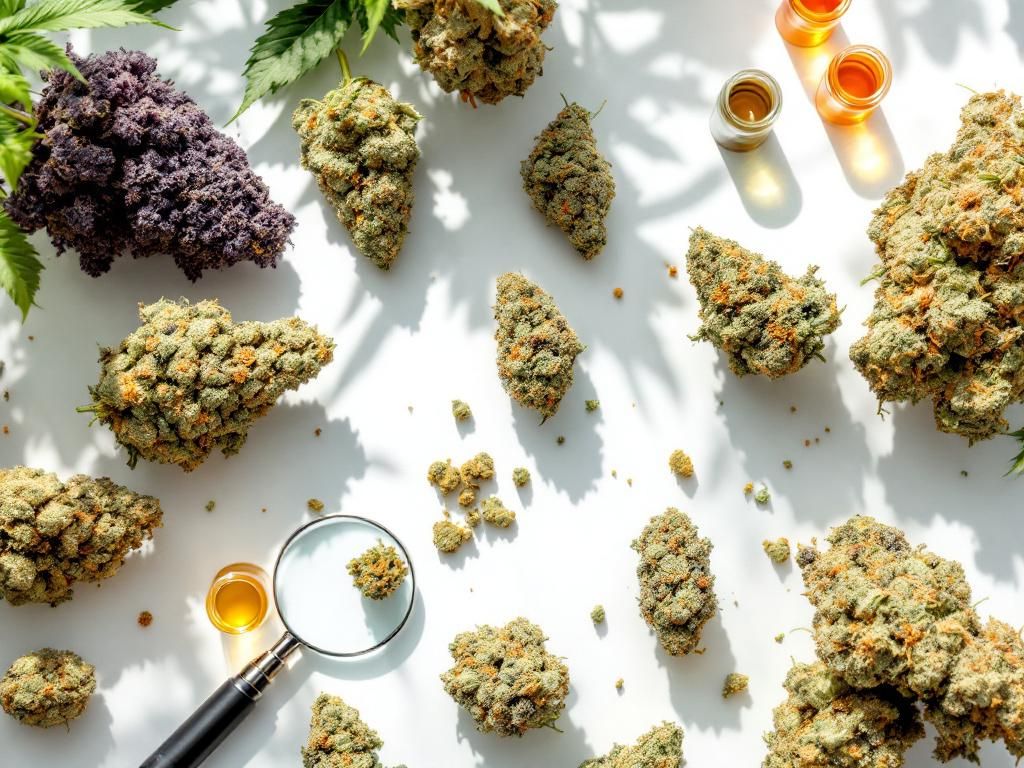
The traditional indica, sativa, and hybrid classifications provide a basic framework, but modern cannabis science reveals that terpene profiles and cannabinoid ratios matter more than these broad categories. Indica for stress relief remains popular because these strains typically contain higher levels of relaxing terpenes and moderate THC levels. However, some sativa strains with the right terpene profile can also provide excellent anxiety relief without excessive sedation.
Terpenes are aromatic compounds that work synergistically with cannabinoids through what researchers call the entourage effect. Myrcene, found in high concentrations in many relaxing strains, produces sedating effects that can help quiet racing thoughts. A myrcene rich strain often provides the deep relaxation sought by anxiety sufferers, particularly when combined with moderate THC levels.
Key Terpenes for Anxiety Relief:
- Myrcene: Produces sedating effects, helps quiet racing thoughts
- Linalool: Same compound found in lavender, offers natural anxiety relief
- Caryophyllene: Interacts with CB2 receptors, reduces inflammation-related anxiety
- Limonene: Elevates mood and reduces stress despite its energizing citrus scent
Terpenes to Avoid for Anxiety:
- Terpinolene: May increase alertness
- High concentrations of pinene: Can worsen anxiety in sensitive individuals
Some anxiety relief terpenes work better in combination than isolation. Strains containing multiple calming terpenes often provide more comprehensive relief than those dominated by a single compound. However, terpenes like terpinolene or high concentrations of pinene might increase alertness and potentially worsen anxiety in sensitive individuals.
BudBuddies curates their selection to include strains with proven anxiety-relieving terpene profiles. Their detailed product descriptions help customers identify the calming cannabis strains based on specific cannabinoid and terpene content rather than guesswork. This scientific approach to strain selection increases the likelihood of finding effective relief while minimizing unwanted effects.
“Terpenes are the unsung heroes of cannabis therapy. The entourage effect means that the whole plant is often more effective than isolated compounds for anxiety management.” – Dr. Bonni Goldstein, medical cannabis specialist
Dosing Hacks and Consumption Methods for Anxiety Relief
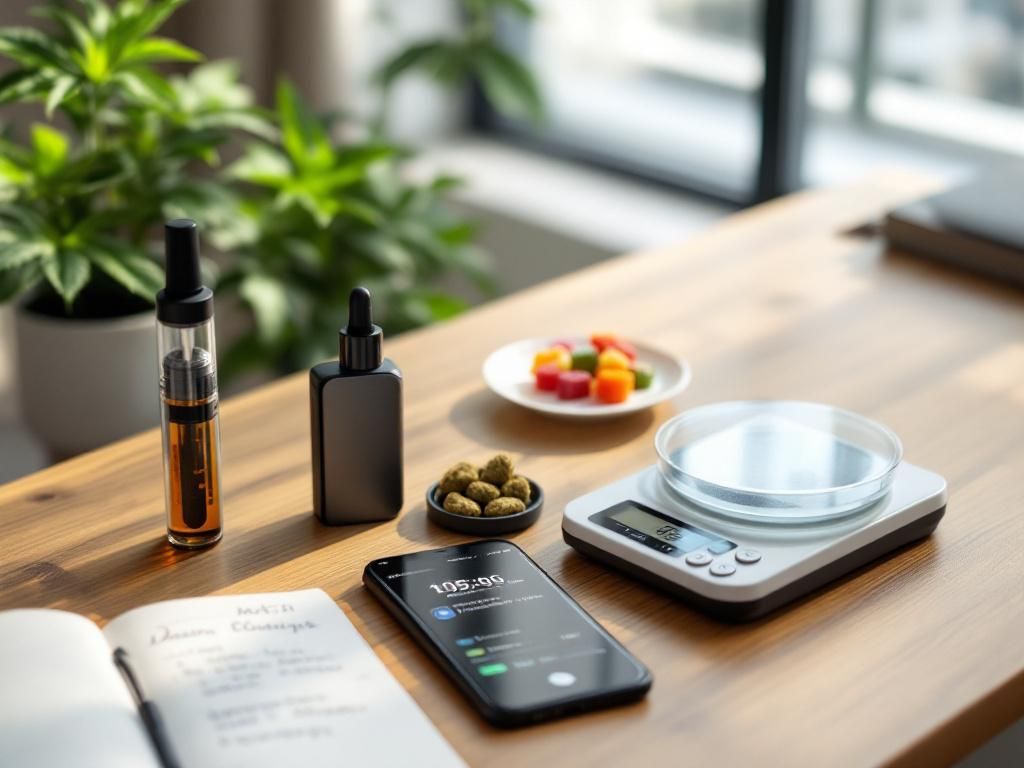
Mastering cannabis dosage for anxiety requires patience and careful observation of your body’s responses. The golden rule remains “start low, go slow,” but several practical hacks can help optimize your experience. Microdosing, consuming tiny amounts throughout the day, allows many users to maintain steady anxiety relief without impairment or tolerance buildup.
Cannabis Consumption Methods for Anxiety:
- Vaporizing (315-340°F): Most precise control, effects within minutes
- Edibles: Longest-lasting relief (4-8 hours), delayed onset (30-90 minutes)
- Tinctures/Oils: Sublingual use, effects in 15-45 minutes, lasts 2-4 hours
- Smoking: Immediate effects, shorter duration than other methods
| Method | Onset Time | Duration | Starting Dose | Best For |
|---|---|---|---|---|
| Vaping | 2-5 minutes | 1-3 hours | 1-2 puffs | Immediate relief |
| Edibles | 30-90 minutes | 4-8 hours | 2.5mg THC | Long-term management |
| Tinctures | 15-45 minutes | 2-4 hours | 2.5mg THC | Controlled dosing |
Vaporizing offers the most precise dosage control for experienced users. The rapid onset allows you to gauge effects within minutes and add small amounts if needed. Temperature control also matters – lower temperatures (315-340°F) preserve anxiety-relieving terpenes while avoiding the harsher compounds that emerge at higher heat levels.
Edibles provide longer-lasting relief but require more careful planning due to their delayed onset. Consuming cannabis-infused products on an empty stomach speeds absorption but can intensify effects unpredictably. Taking edibles with a small amount of healthy fat helps with absorption while providing more predictable results. Many users find that splitting their intended dose in half and waiting 90 minutes before considering more prevents overconsumption.
Tinctures and oils offer a middle ground between vaping and edibles. Held under the tongue for 30-60 seconds, they begin working within 15-45 minutes and last 2-4 hours. This sublingual method bypasses digestion, providing more consistent effects than traditional edibles while lasting longer than inhaled cannabis.
Combining low-dose THC with higher CBD ratios creates what many users describe as “relaxed alertness” – calm without sedation. Ratios like 1:2 or 1:4 (THC:CBD) often prove effective for daytime anxiety management. Evening use might benefit from higher THC ratios or indica-dominant strains that promote sleep alongside anxiety relief.
Personal factors significantly influence optimal dosage. Stress levels, sleep quality, recent meals, and even hormonal fluctuations can affect how cannabis impacts anxiety. Keeping a simple journal noting dosage, strain, consumption method, and effects helps identify patterns and optimize your personal approach to managing weed dosage anxiety.
Risks, Potential Side Effects, and Responsible Use
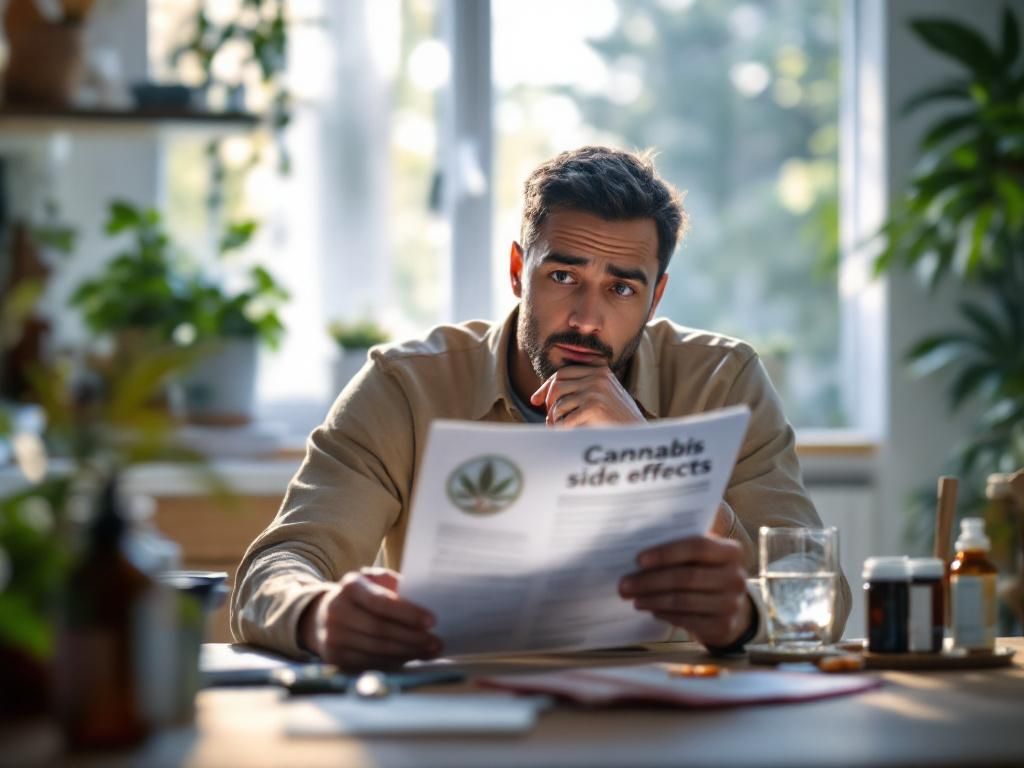
Cannabis use for anxiety carries genuine risks that deserve serious consideration before beginning any regimen. High-dose THC consumption can trigger panic attacks, paranoia, and intensified anxiety symptoms in susceptible individuals. These effects can persist for several hours and may be particularly distressing for those already struggling with anxiety disorders.
Regular heavy use, particularly of high-THC products, can lead to cannabis use disorder and withdrawal symptoms when stopped. These symptoms often include increased anxiety, irritability, and sleep disturbances – potentially worsening the original anxiety symptoms. Tolerance development means that effective doses tend to increase over time, creating a cycle that can become problematic.
Common Side Effects:
- Dry mouth
- Red eyes
- Dizziness
- Impaired short-term memory
- Increased heart rate
Serious Risks:
- Panic attacks and paranoia
- Cannabis use disorder
- Withdrawal symptoms
- Medication interactions
Cannabis interacts with various medications, particularly those affecting the central nervous system. Blood thinners, seizure medications, and certain antidepressants may have altered effects when combined with cannabis. The interaction between cannabis and alcohol deserves special attention, as this combination can unpredictably amplify both substances’ effects and increase anxiety risk.
Mental health considerations extend beyond immediate anxiety relief. While some users report improved mood and reduced depression symptoms, others may experience increased anxiety or paranoid thoughts, particularly with high-THC strains. Individuals with a personal or family history of psychosis should exercise extreme caution, as cannabis use may trigger or exacerbate these conditions.
Responsible use means treating cannabis as one tool among many for anxiety management. Relying solely on cannabis without addressing underlying causes through therapy, lifestyle changes, or other treatments may provide temporary relief while ignoring long-term solutions. Working with healthcare providers who understand cannabis can help integrate its use safely into a comprehensive anxiety management plan.
“Cannabis can be a valuable tool for anxiety, but it’s not a magic bullet. Patients need comprehensive care that addresses the root causes of their anxiety alongside any cannabis therapy.” – Dr. Jordan Tishler, instructor at Harvard Medical School
Accessing Premium, Discreet Cannabis with BudBuddies
BudBuddies has established itself as the UK’s premier destination for those seeking reliable, high-quality cannabis products for anxiety management. Their commitment to premium quality ensures that every strain meets rigorous standards for potency, purity, and consistency – crucial factors when using cannabis therapeutically. Each product undergoes careful testing to verify cannabinoid and terpene profiles, giving customers confidence in their purchase decisions.
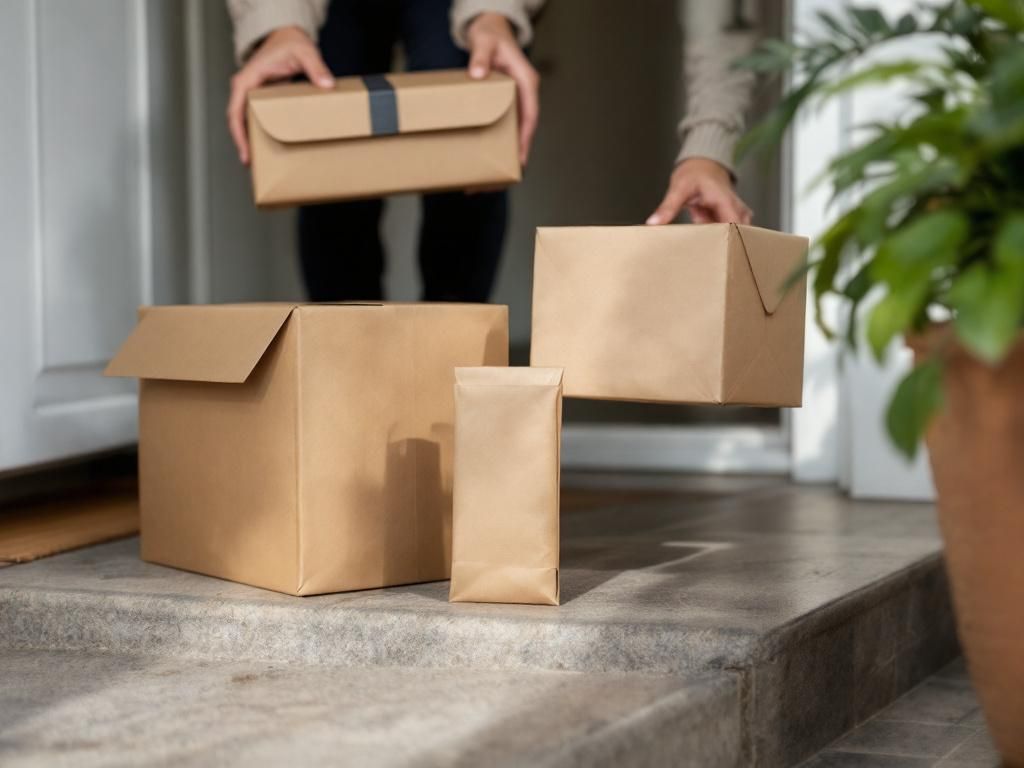
The company’s privacy-first approach addresses a major concern for many anxiety sufferers who prefer to keep their cannabis use confidential. All orders arrive in completely plain, unmarked packaging with no external indicators of the contents. This discreet shipping method ensures that neighbors, postal workers, and household members remain unaware of your cannabis purchases, providing peace of mind alongside anxiety relief.
BudBuddies’ delivery network covers the entire UK with impressive speed and reliability. Orders placed before 3 PM qualify for next-day delivery, while their 48-hour delivery guarantee ensures you never wait long for relief. All shipments include tracking information, allowing you to monitor your package’s progress and plan accordingly for its arrival.
Their customer service team understands the unique needs of customers exploring weed for anxiety and provides knowledgeable guidance without judgment. Whether you’re selecting your first strain or seeking to optimize an existing regimen, their support staff can help navigate the extensive product catalog. This personalized approach helps match customers with appropriate products based on their specific anxiety symptoms and experience level.
The company’s product range specifically caters to anxiety management needs. Their selection includes high CBD weed varieties, carefully chosen indica strains for evening use, and balanced hybrid options for daytime anxiety relief. Detailed product descriptions include terpene profiles, suggested use cases, and customer reviews to help inform purchasing decisions.
Conclusion
Cannabis represents a complex but potentially valuable tool for anxiety management when approached with knowledge, caution, and respect for its effects. Success depends on understanding how different strains, dosages, and consumption methods interact with your individual biology and anxiety patterns. The science behind cannabis and anxiety continues evolving, but current research supports careful, low-dose use as a potentially beneficial addition to comprehensive anxiety treatment plans.
Finding the right approach requires patience and careful experimentation within safe parameters. Starting with high CBD products or low-THC strains minimizes the risk of adverse effects while allowing you to gauge your body’s response. Working with knowledgeable providers and potentially consulting healthcare professionals can help ensure your cannabis use supports rather than complicates your anxiety management goals.
For those ready to explore cannabis for anxiety relief, BudBuddies offers the quality, discretion, and reliability needed for a positive experience. Their commitment to premium products and exceptional service creates a trusted pathway to accessing the best weed for anxiety available in the UK. Remember that cannabis works best as part of a holistic approach to anxiety management that may include therapy, lifestyle changes, and other evidence-based treatments.
FAQs
Can Weed Make Anxiety Worse?
High doses of THC can definitely increase anxiety and trigger panic attacks in many people. The dose-response relationship means that while small amounts might provide relief, consuming too much often produces the opposite effect. Your individual sensitivity, tolerance level, and current anxiety state all influence how cannabis affects you. Starting with very low doses and high-CBD products significantly reduces the risk of worsening anxiety symptoms.
What Is the Best Type of Weed for Anxiety?
High-CBD strains with low THC content typically provide the most consistent anxiety relief with minimal risk of adverse effects. Strains rich in calming terpenes like myrcene, linalool, and caryophyllene often prove effective for anxiety management. Indica-dominant varieties traditionally offer more relaxing effects compared to energizing sativa strains, though individual terpene profiles matter more than these broad classifications. The best approach involves experimenting with different ratios and profiles to find what works for your specific anxiety patterns.
Is Indica or Sativa Better for Anxiety?
Indica strains generally prove more suitable for anxiety relief due to their typically higher concentrations of relaxing terpenes and moderate THC levels. These strains tend to produce physical relaxation and mental calm that many anxiety sufferers find beneficial. Sativa strains can sometimes increase mental activity and energy levels, potentially worsening anxiety symptoms in sensitive individuals. However, some sativa strains with appropriate terpene profiles can provide mood elevation without excessive stimulation, making individual strain characteristics more important than broad categories.
How Much Cannabis Should I Use for Anxiety?
Begin with extremely low doses – typically 2.5-5mg of THC or less – and wait at least two hours before considering any increase. Microdosing throughout the day often provides better anxiety control than single large doses. Your optimal dose depends on factors including body weight, metabolism, tolerance, current stress levels, and consumption method. Many successful users find that less truly is more when it comes to anxiety relief, with doses that barely produce noticeable psychoactive effects often providing the best therapeutic results.
How Can I Get Weed Discreetly in the UK?
BudBuddies specializes in completely confidential cannabis delivery throughout the UK using plain, unmarked packaging that reveals nothing about the contents. Their privacy-first approach includes secure ordering systems, discreet payment processing, and tracked shipping that requires no special handling or signatures. Orders placed before 3 PM qualify for next-day delivery, while their standard 48-hour guarantee ensures quick access when you need it most. This combination of speed, discretion, and reliability makes BudBuddies the preferred choice for privacy-conscious customers seeking quality cannabis products.

