


Weed Grinder Cleaning Hacks: Proven Tips for Fresh Results
A clean weed grinder makes all the difference when you want to get the most from your cannabis sessions. That’s why knowing some weed grinder cleaning hacks can be quite useful. Over time, sticky resin and kief accumulate in your grinder, making it harder to turn and affecting how evenly your herbs break down. This buildup doesn’t just create mechanical issues—it also dulls the natural flavours and aromas you should be experiencing from quality cannabis. Regular cleaning keeps your grinder working smoothly and helps you appreciate the full flavour profile of BudBuddies’ cannabis strains.
These weed grinder cleaning hacks will walk you through everything you need to know about proper grinder maintenance. You’ll discover which cleaning methods work best for different materials, learn how to preserve valuable kief during cleaning, and pick up maintenance tips that extend your grinder’s lifespan. By following these proven techniques, you’ll ensure every grind is consistent and flavourful, letting you fully enjoy the quality cannabis that BudBuddies delivers right to your door across the UK.
Whether you’re dealing with a sticky metal grinder or wondering how to clean weed grinder components safely, this guide covers all the bases. From choosing the right cleaning supplies to mastering specific techniques for different grinder types, you’ll have everything needed to keep your equipment in top condition.
Why a Clean Grinder Makes All the Difference
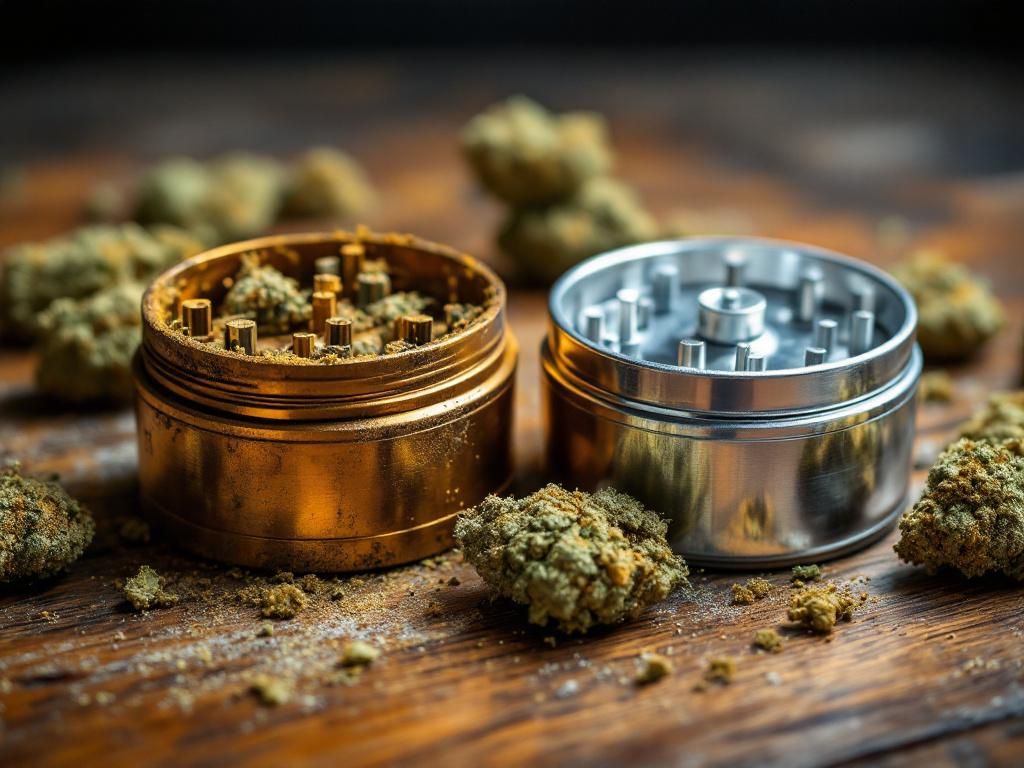
Picture this: you’ve just received your latest BudBuddies order, excited to try a new strain, but your grinder feels like it’s fighting you with every turn. That sticky, sluggish operation isn’t just annoying—it’s actively working against the quality experience you’re paying for. A dirty grinder creates uneven particle sizes, which means your cannabis won’t burn consistently, affecting both flavour delivery and efficiency.
“A clean grinder is essential for preserving the terpene profile of cannabis. When resin builds up, it not only affects the mechanical function but also cross-contaminates flavours between different strains, diminishing the unique characteristics that cultivators work so hard to develop.” – Dr. Ethan Russo, neurologist and cannabis researcher
The resin buildup that makes your grinder sticky also traps old plant material, creating a breeding ground for bacteria and mould. This contamination can compromise the fresh, clean taste of your premium cannabis, masking the careful cultivation that went into producing those terpene-rich flowers. When you use a clean grinder, you’re protecting your investment in quality cannabis and ensuring every session delivers the intended experience.
Cannabis grinder maintenance goes beyond just mechanical function—it’s about preserving the integrity of your herbs. A well-maintained grinder produces uniform particle sizes that allow for optimal airflow and even heating, whether you’re using a vaporiser or traditional methods. This consistency helps you extract maximum potency from your cannabis while preserving the delicate compounds that create each strain’s unique character. Clean grinders also collect kief more effectively, giving you those valuable trichomes that can enhance future sessions.
Essential Tools for Effective Grinder Cleaning
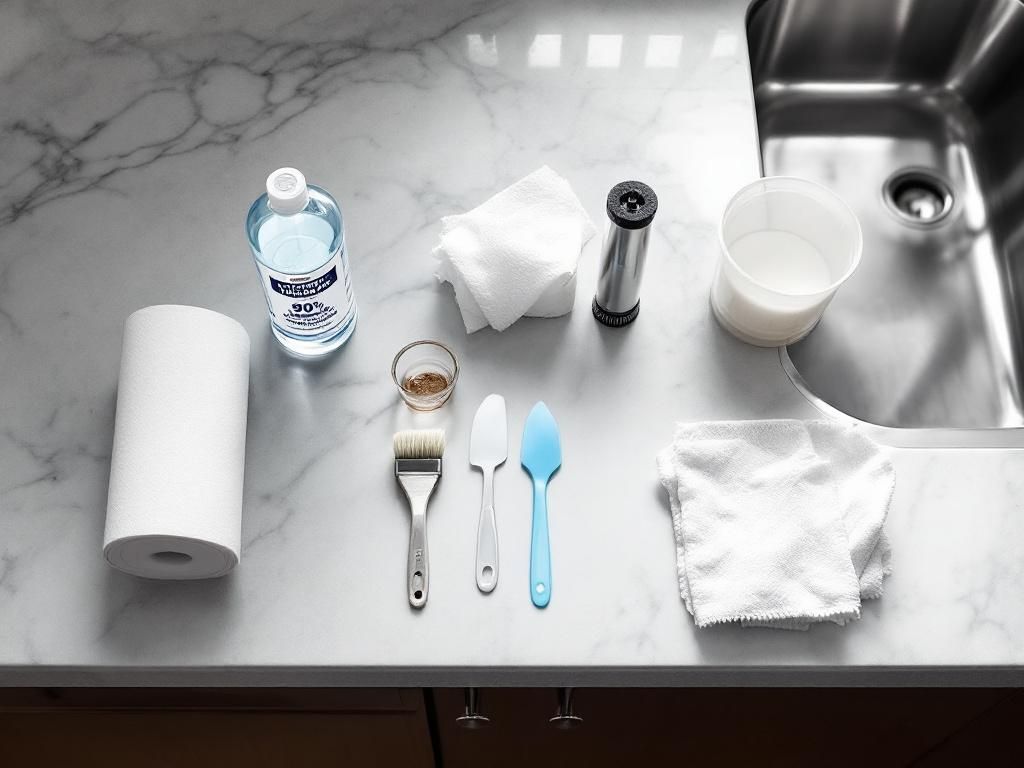
Getting your grinder cleaning tips arsenal ready doesn’t require expensive specialist equipment—most items are probably sitting in your kitchen cupboard right now. Having everything organised before you start makes the process smoother and prevents you from rushing through important steps. The right tools ensure thorough cleaning without damaging your grinder’s components or losing precious kief in the process.
Essential Cleaning Supplies:
• Isopropyl alcohol (90% concentration or higher) for metal grinders
• Warm water and mild washing-up liquid for plastic/acrylic/hemp grinders
• Small brush (grinder cleaning brush, old toothbrush, or stiff paintbrush)
• Scraper tool (plastic tool, guitar pick, or clean coin)
• Airtight container or sealed plastic bag for soaking
• Paper towels or lint-free cloths for drying
• Small plate or parchment paper for workspace
You’ll also want a scraper tool for dislodging stubborn buildup and collecting kief. Many grinders come with a small plastic tool, but a guitar pick or even a clean coin works well too. An airtight container or sealed plastic bag makes soaking easier, while paper towels or lint-free cloths ensure thorough drying. Setting up a small plate or piece of parchment paper as your workspace catches any loose material and makes cleanup easier.
Don’t forget about safety and workspace preparation. Working in good lighting helps you spot missed areas, and having a well-ventilated area is important when using alcohol-based cleaners. With these basic supplies ready, you’re set for effective herb grinder cleaning methods that preserve your equipment and your cannabis quality.
Step-by-Step Weed Grinder Cleaning Hacks
Different grinder materials require tailored approaches to avoid damage while achieving thorough cleaning. These proven weed grinder cleaning hacks adapt to your specific grinder type, ensuring you get fresh results every time without compromising the integrity of your equipment. Always work over a clean surface and completely disassemble your grinder before starting—this prevents losing valuable kief and ensures every component gets properly cleaned.
| Grinder Material | Cleaning Method | Soaking Time | Special Considerations |
|---|---|---|---|
| Metal | Isopropyl alcohol (90%+) | 30-60 minutes | Can use freezer method; most aggressive cleaning safe |
| Plastic/Acrylic | Warm soapy water | 15-20 minutes | Avoid temperature extremes; gentle scrubbing only |
| Wooden | Damp cloth only | No soaking | Never submerge; immediate drying essential |
| Hemp | Brief warm soapy water | Minimal time | Biodegradable material; handle with extra care |
Cleaning Metal Grinders
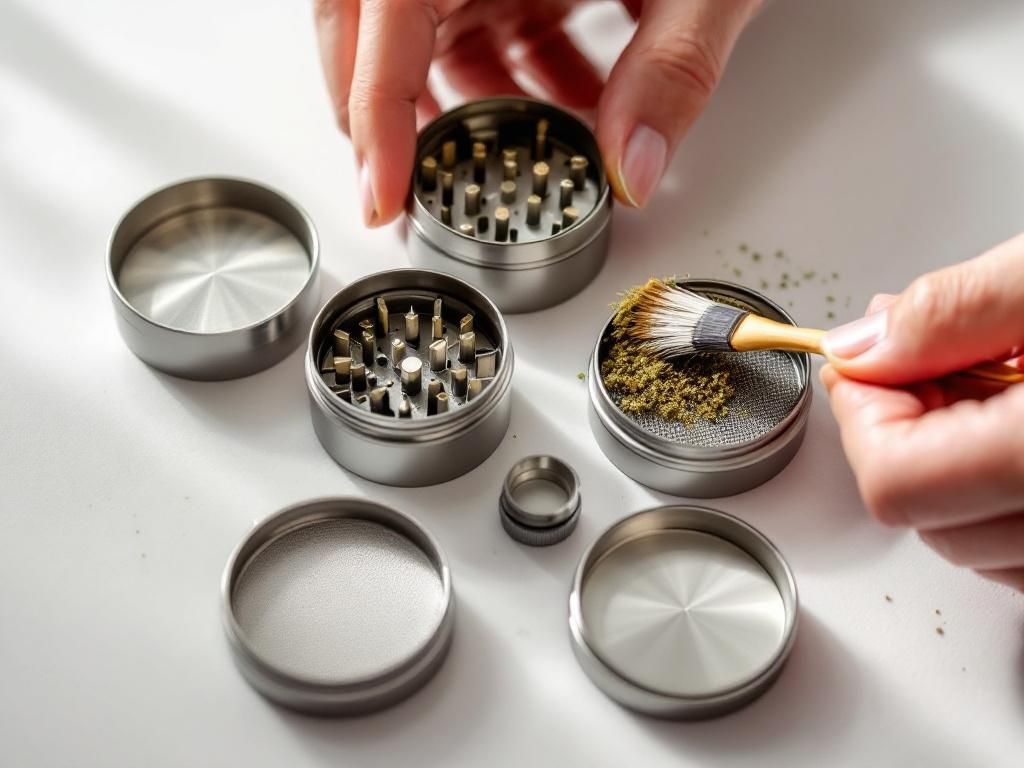
Metal grinders handle the most aggressive cleaning methods, making them relatively straightforward to restore to like-new condition.
Metal Grinder Cleaning Steps:
1. Completely dismantle your grinder, separating all components
2. Place all metal parts in freezer for 30-60 minutes
3. Tap each piece over collection surface to dislodge loosened material
4. Use soft brush or plastic scraper to collect freed kief and resin
5. Submerge parts in container filled with 90%+ isopropyl alcohol
6. Let soak for at least 30 minutes (up to 1 hour for heavy buildup)
7. Remove and scrub with firm brush, focusing on teeth and threading
8. Rinse thoroughly under warm water to remove alcohol traces
9. Pat dry with clean cloths and allow complete air drying before reassembly
The cold also helps preserve any kief that shakes loose during the initial cleaning phase. After the freeze treatment, gently tap each piece over your collection surface to dislodge loosened material. Use a soft brush or plastic scraper to sweep away the freed kief and resin, collecting everything on your parchment paper.
The alcohol soak dissolves stubborn resin that survived the freezing step. Remove the parts and scrub with a firm brush, paying special attention to the grinding teeth and any threaded connections. These areas tend to accumulate the most buildup and affect grinder operation significantly. Rinse everything thoroughly under warm water to remove all alcohol traces, then pat dry with clean cloths. Allow complete air drying before reassembly to prevent moisture-related corrosion or sticking issues.
Cleaning Plastic and Acrylic Grinders
Plastic and acrylic grinders need gentler treatment to avoid cracking, warping, or chemical damage from harsh solvents. Begin by carefully disassembling your grinder and removing any loose plant material with a soft brush. These materials can become brittle when exposed to temperature extremes or aggressive chemicals, so patience and care are essential throughout the process.
Prepare a bowl of warm water mixed with a small amount of mild dish soap—the temperature should be comfortable to touch, not hot enough to cause material stress. Submerge the plastic components and let them soak for 15-20 minutes to soften resin buildup. This gentle approach loosens sticky residue without risking damage to the grinder’s structure or finish.
Use a soft-bristled brush or toothbrush to gently scrub each component, working carefully around delicate areas like kief screens or intricate tooth patterns. Avoid aggressive scrubbing that might scratch surfaces or create rough spots where future resin can accumulate more easily. Rinse thoroughly under lukewarm water, ensuring all soap residue is removed, then dry immediately with soft cloths. Allow complete air drying in a well-ventilated area before reassembling your grinder.
Cleaning Wooden Grinders
Wooden grinders require the most delicate approach since wood is porous and can be damaged by excess moisture or chemicals. Start by gently disassembling your wooden grinder, taking care not to force any stuck pieces that might crack under pressure. Remove loose material with a soft, dry brush, working carefully to avoid gouging the wood surface with metal tools.
For stubborn resin, use only plastic scrapers or wooden tools to avoid damaging the natural wood grain. A slightly damp cloth—not wet, just barely moist—can help remove sticky residue, but follow immediately with a completely dry cloth to prevent moisture absorption. If soap is absolutely necessary, use just a tiny amount on the damp cloth, then remove all traces immediately with clean, dry cloths.
Never submerge wooden grinders in any liquid, as this can cause swelling, cracking, or permanent damage to the wood’s structure. Instead, focus on surface cleaning and immediate drying. Allow the wooden components to air dry completely in a well-ventilated area away from direct heat sources, which can cause cracking. This careful approach preserves the natural beauty and functionality of your wooden grinder for years of reliable service.
Cleaning Hemp Grinders
Hemp grinders offer an eco-friendly option but require similar care to plastic grinders with extra attention to their biodegradable nature. These sustainable materials can break down when exposed to harsh chemicals or excessive moisture, so gentle handling throughout the cleaning process is essential. Disassemble your hemp grinder slowly and carefully, as these materials can be more fragile than traditional options.
Prepare warm soapy water using mild dish soap and briefly soak the hemp components to loosen resin and plant matter. Keep soaking time short—just long enough to soften buildup without compromising the material’s integrity. Use a soft brush to gently clean all surfaces, paying attention to crevices where residue tends to accumulate.
Rinse quickly but thoroughly in cool water to remove all soap traces, then dry immediately with soft towels. Hemp materials should air dry completely in a warm, dry environment to prevent any moisture-related degradation. Handle your hemp grinder with care throughout the process to maintain its natural properties and extend its usable life while supporting sustainable cannabis accessory choices.
Preserving Kief During Grinder Cleaning
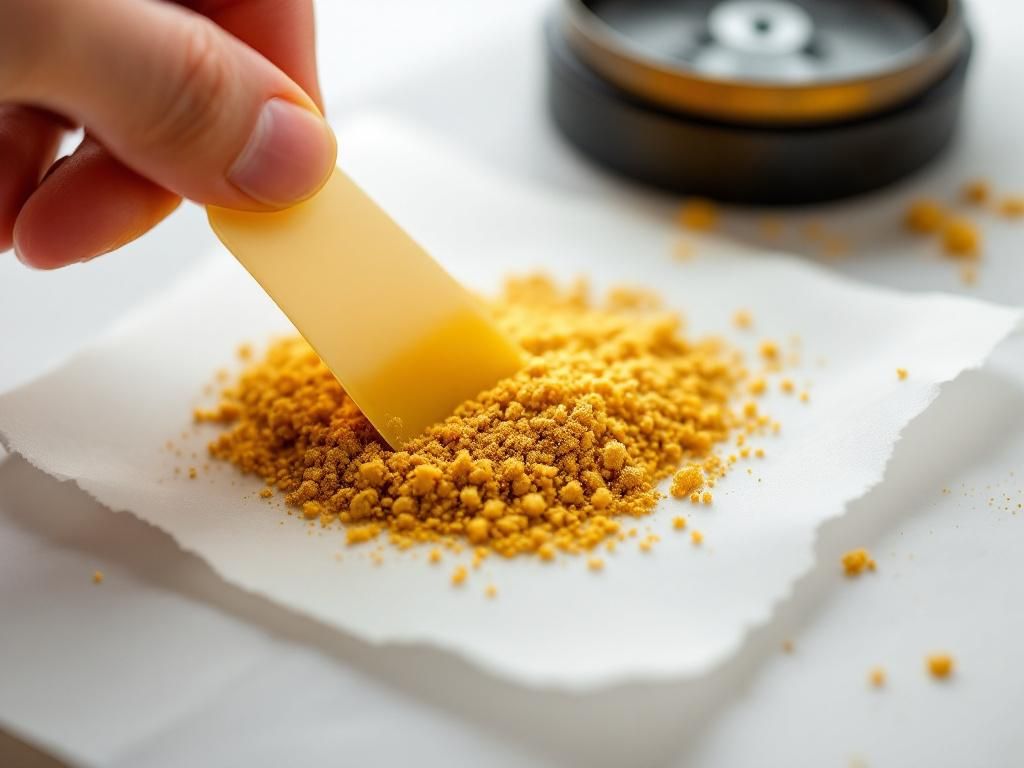
“Kief represents the most potent part of the cannabis plant – those trichome heads contain the highest concentration of cannabinoids. Losing kief during cleaning is like throwing away liquid gold.” – Ed Rosenthal, cannabis cultivation expert and author
Your kief collection represents concentrated potency that shouldn’t be wasted during cleaning sessions. These fine, crystal-like trichomes contain high concentrations of cannabinoids and terpenes, making them valuable additions to future cannabis sessions. With proper technique, you can clean your grinder thoroughly while preserving every precious particle of this potent material.
The freezer method proves most effective for kief preservation during cannabis grinder maintenance. Cold temperatures make both resin and kief brittle, allowing them to separate cleanly from grinder surfaces when disturbed. Place your disassembled grinder in the freezer for 30-60 minutes before starting any wet cleaning methods. This preparation step makes collection much easier and more complete.
After freezing, work over a clean plate or parchment paper to catch everything that falls loose. Gently tap each grinder component to dislodge the brittle material, then use a small brush or plastic scraper to carefully sweep kief from grooves and screen areas. The goal is collecting this valuable material before it gets dissolved or washed away during liquid cleaning phases.
Store collected kief in a small, airtight container immediately to preserve its potency and prevent contamination. Glass containers work best for long-term storage, keeping moisture and air exposure to a minimum. When cleaning the kief catcher itself, use minimal liquid and gentle agitation to avoid disturbing material that’s meant to be collected rather than removed.
Regular Grinder Maintenance Tips for Longevity
Consistent, light maintenance prevents the heavy resin buildup that makes deep cleaning necessary. Simple habits performed after each grinding session keep your equipment running smoothly and extend the time between thorough cleanings. These grinder maintenance guide practices take just a few minutes but pay dividends in improved performance and equipment longevity.
Daily Maintenance Habits:
• Tap grinder gently over clean surface after each use
• Brush away debris from teeth and screens with soft-bristled tool
• Wipe exterior surfaces with dry cloth
• Inspect components regularly for wear or damage
• Ensure complete drying after any cleaning
• Consider “seasoning” freshly cleaned metal grinders with small amounts of herb
Wipe the exterior surfaces with a dry cloth after each session to prevent resin from hardening on outside surfaces. This simple step keeps your grinder pleasant to handle and prevents external buildup from affecting the internal mechanisms. Regular inspection of all components helps catch wear or damage early, when repairs are still possible and affordable.
Complete drying after any cleaning prevents moisture-related problems like rust in metal grinders or swelling in natural materials. Some experienced users “season” their freshly cleaned metal grinders by running a small amount of herb through them, creating a thin protective film that reduces future sticking. This technique works particularly well with premium strains from BudBuddies, where the natural oils help condition the grinder while providing an immediate quality test of your cleaning work.
Conclusion
Maintaining a clean weed grinder forms the foundation of consistently excellent cannabis experiences. These proven weed grinder cleaning hacks ensure your equipment delivers smooth operation and preserves the full flavour potential of every strain. Whether you’re using a durable metal grinder or an eco-friendly hemp alternative, proper cleaning techniques protect your investment while maximising the enjoyment from your premium BudBuddies cannabis.
Regular grinder maintenance guide practices prevent problems before they start, keeping your sessions smooth and flavourful. Clean equipment showcases the careful cultivation and quality control that goes into every BudBuddies product, letting you fully appreciate the terpene profiles and potency that make each strain unique. With reliable UK-wide delivery and consistently fresh products, BudBuddies provides the quality cannabis that deserves equally well-maintained grinding equipment.
FAQs
How Often Should You Clean Your Weed Grinder?
Light cleaning after every few uses and deep cleaning monthly keeps most grinders operating smoothly. Heavy users might need weekly deep cleans, while occasional users can extend the interval. Watch for signs like difficult turning, uneven grinding, or reduced kief collection as indicators that cleaning is overdue.
Can You Use Boiling Water to Clean Your Grinder?
Boiling water works well for metal grinders and helps dissolve stubborn resin buildup effectively. However, never use boiling water on plastic, acrylic, wooden, or hemp grinders, as extreme heat can cause warping, cracking, or complete material failure in these alternatives.
Is Isopropyl Alcohol Safe for All Types of Grinders?
Isopropyl alcohol provides excellent cleaning power for metal grinders, dissolving resin efficiently without leaving harmful residues. Avoid alcohol on plastic, acrylic, wooden, or hemp grinders, as it can cause chemical damage, degradation, or discolouration that affects both appearance and functionality.
How Do You Prevent Your Grinder From Getting Sticky Too Quickly?
Regular post-use maintenance makes the biggest difference—tap out loose material and brush away debris before it hardens. Properly cured cannabis sticks less than overly moist herbs, so source quality products from reliable suppliers like BudBuddies. Some users also lightly “season” clean metal grinders with small amounts of herb to create a protective film that reduces future buildup.

