


Weed Panic Attack Next Day: Causes and What to Do
Waking up with a weed panic attack next day can feel confusing, frightening, and lonely. The high has faded, yet the dread and racing thoughts still seem stuck on repeat. Many people quietly worry that they have “done something permanent”.
What you are feeling is usually a mix of lingering THC effects, tiredness, and the emotional jolt from the night before, not a sign of lasting damage. A weed panic attack next day is common, explainable, and in most cases short lived once you understand what is going on.
This guide breaks down why cannabis can trigger panic, why it sometimes carries over to the morning after, who is most at risk, what helps in the moment, and how BudBuddies products and guidance make calmer sessions more likely. Keep reading to turn a rough experience into a better planned one next time.
Why Cannabis Can Trigger A Panic Attack – And Why It Sometimes Carries Over
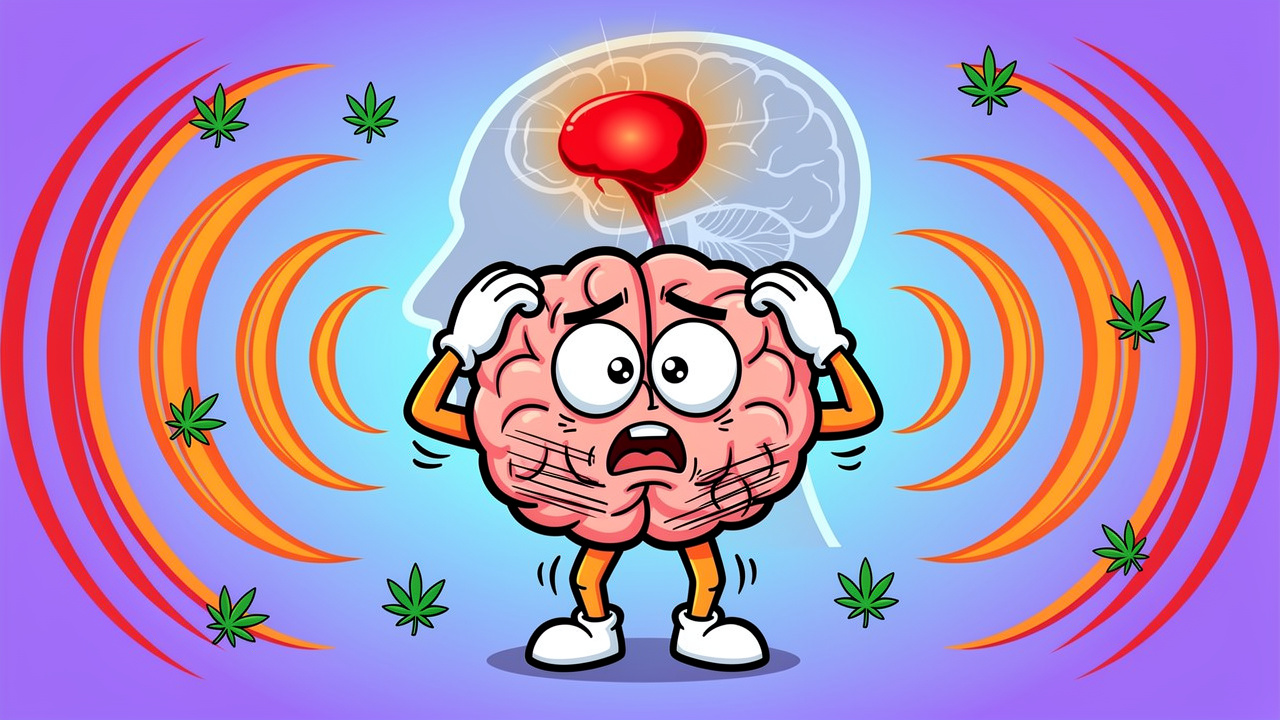
Cannabis can trigger a panic attack because THC overstimulates brain areas that control fear, and that reaction can leave a trace into the next day. Understanding this makes a weed panic attack next day feel less mysterious and easier to handle.
THC activates CB1 receptors in the amygdala and prefrontal cortex, areas that help decide whether something is a threat. At higher doses this can flip into a “false alarm”, with a racing heart, shaky limbs, and a feeling that something terrible is about to happen. According to the NHS, panic attacks are very intense but usually harmless episodes where the body’s alarm system switches on too strongly.
“Panic attacks are not dangerous, but can be very frightening.” — NHS
THC also shows a biphasic pattern. Smaller amounts can feel relaxing, while bigger amounts tip into anxiety. Research in Neuropsychopharmacology reported that around 7.5 mg oral THC reduced anxiety in volunteers, while 12.5 mg increased it. That small change in dose explains why one brownie feels fine and a slightly stronger one ends in panic.
So why can the fear hang around into the next morning? Four main pieces often combine:
Residual THC and metabolites
Leftover THC and its breakdown products, especially from edibles, keep working in the background for many hours.Lighter, disrupted sleep
Sleep can be more shallow, with less REM sleep. Recent work in Sleep Medicine Reviews links reduced REM to feeling more anxious and emotionally raw the following day.Short-term rebound in anxiety
As THC levels fall, the brain’s own signalling can briefly rebound in the opposite direction, which may raise anxiety for a while.Memory of feeling out of control
The memory of being overwhelmed can keep your nervous system on edge, especially if the experience felt embarrassing or frightening.
High THC, low CBD products make all of this more likely, and research on Frequency of cannabis use and anxiety symptoms confirms that heavier, more potent use correlates with worse anxiety outcomes. CBD softens some of THC’s impact at the receptor level, so more balanced products, such as the CBD-rich flowers and vapes in the BudBuddies range, are often kinder for anxious minds.
How Long Does A Weed Panic Attack Last?
A weed-related panic attack usually follows a fairly clear timeline, which depends on how you took the cannabis. Knowing this can help you ride out symptoms without extra fear.
Smoked or vaped cannabis
Effects arrive within minutes, panic usually peaks within about 30 to 90 minutes, and most people feel much calmer again within 2 to 4 hours. You might still feel a bit shaky or on edge later that day, yet full next-day panic is less common with inhaled formats.Edibles
With edibles, the pattern stretches out. Onset can take 30 to 120 minutes, peaks come later, and strong effects can last 6 to 12 hours or more. That long tail makes a weed panic attack next day far more likely after a heavy edible session.
As a simple guide, if intense anxiety carries on beyond 24 to 48 hours after use, especially if it affects work, study, or relationships, it is sensible to speak with a healthcare professional.
Who Is Most At Risk Of Next-Day Cannabis Anxiety?
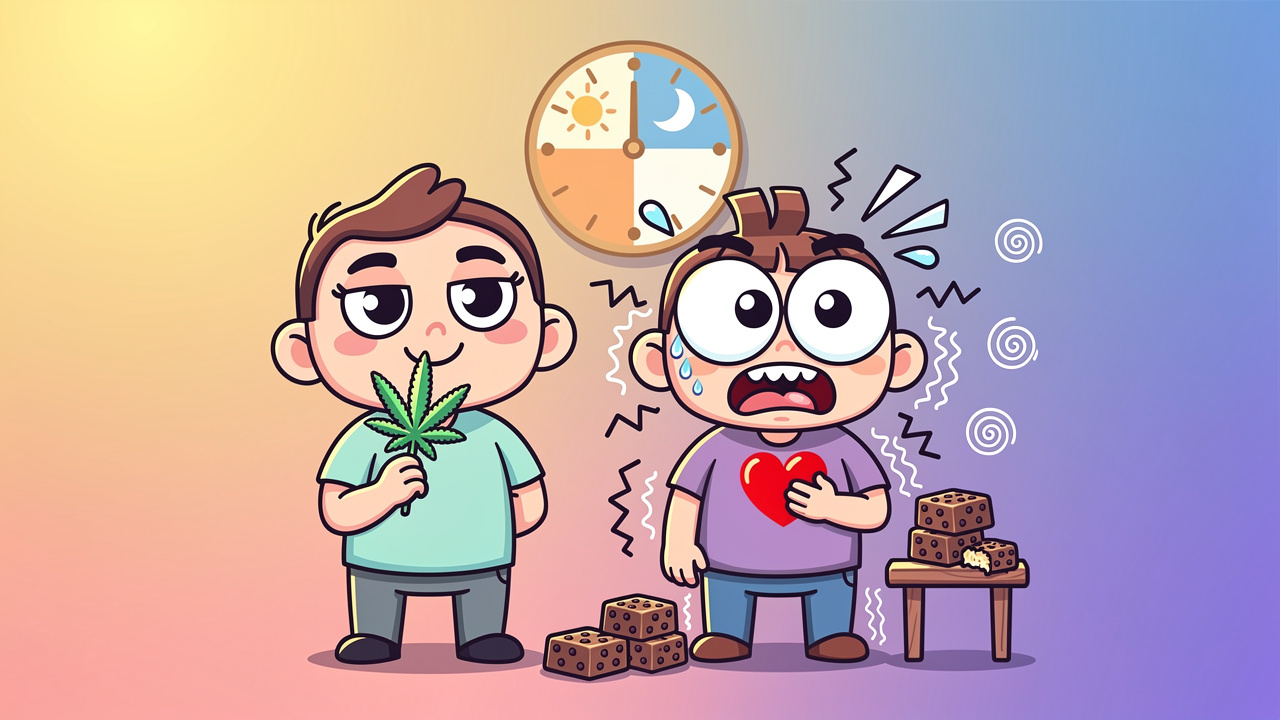
Next-day cannabis anxiety is more likely when strong THC, sensitive biology, and tricky circumstances line up. Seeing where you fit on this map helps you adjust how, what, and how much you use.
People Using High THC And Very Little CBD
Stronger modern products are linked with more anxiety. The National Institute on Drug Abuse notes that average THC content in seized cannabis rose from about 4 percent in the mid-1990s to over 15 percent recently. When CBD is low, there is less natural balance at the CB1 receptor, so panic and next-day aftershocks are more likely.Low Tolerance, Irregular Use, Or Long Breaks
If you only use cannabis occasionally, your endocannabinoid system is not used to big THC hits. The same dose that a daily user barely notices can feel extremely strong. After a long break, it helps to treat yourself as a newcomer again and keep doses tiny.Existing Anxiety, Stress, Or Poor Sleep
When baseline anxiety, money worries, health fears, or lack of sleep are already simmering in the background, THC has less room to relax you. The brain is closer to its tipping point, so the same joint that feels mellow on a calm day might feel edgy after a week of stress.Edible Overdoing And Mixing With Alcohol Or Stimulants
Because edibles arrive late, many people redose before the first piece has fully kicked in. That stacking effect makes intense, long attacks and a weed panic attack next day far more likely. Alcohol, energy drinks, and other drugs can all make the ride rougher.Individual Sensitivity And Genetics
Some people simply have a more reactive endocannabinoid system. According to the NHS, anxiety disorders affect millions of adults, and those brains often respond more sharply to mind-altering substances. Two friends can share the same product and have very different next mornings, and that is normal.
What To Do During And The Morning After A Weed Panic Attack
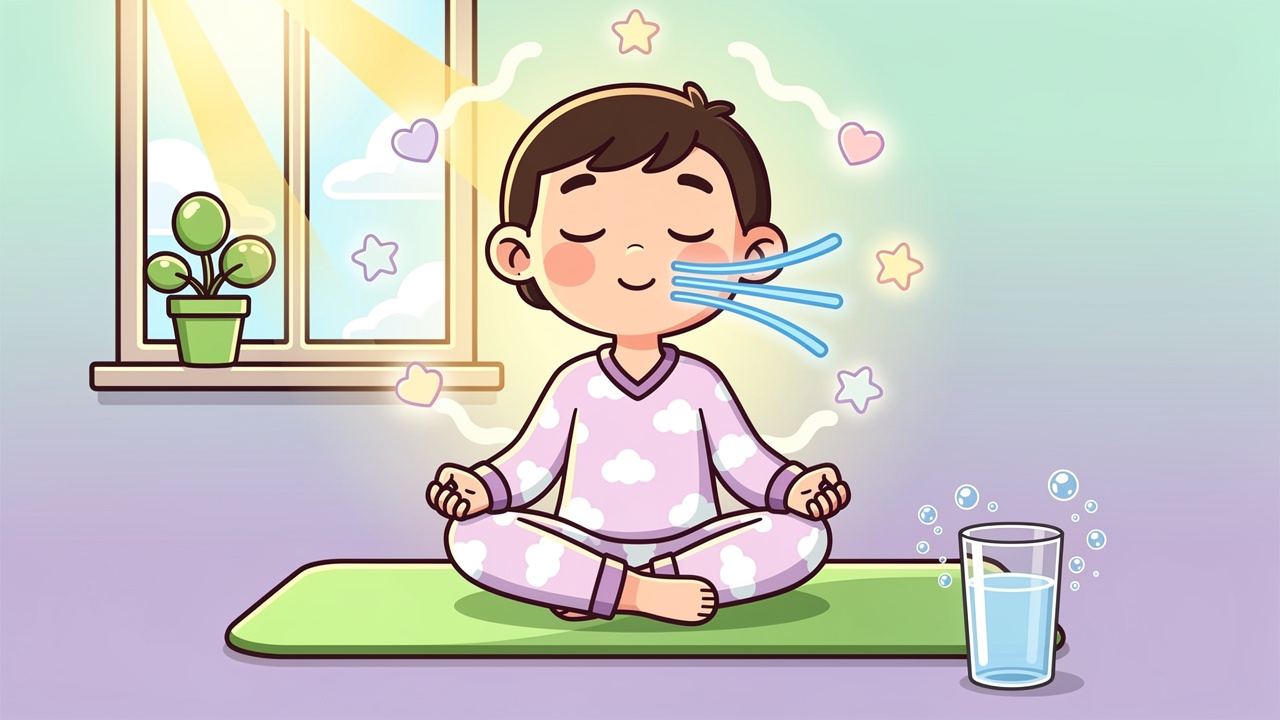
Handling a weed panic attack, and the anxious feeling that may follow the next morning, means calming your body, steadying your thoughts, and giving your system time to reset. You are dealing with a strong yet temporary reaction to THC, not a permanent change.
“Name it to tame it.” Simply saying “this is anxiety” out loud can take away some of its power. — Daniel J. Siegel, psychiatrist
During the episode, your goal is to convince your body that it is safe again. That might sound hard when your heart is pounding, yet simple physical steps help more than most people expect.
Remind Yourself What Is Happening
Say to yourself, out loud if you can, that this feeling comes from THC and will pass. Panic attacks, as the NHS explains, usually peak within ten minutes and then ease off. Repeating that idea helps stop your mind jumping to imagined disasters and slowly dials down the fear.Change Your Setting And Add Small Comforts
Move to a quiet, familiar space, open a window, or sit on the floor with a blanket. Simple sensory comforts tell your nervous system that nothing is actually chasing you. Avoid loud music, hectic conversations, or social media scrolling, which can all feed the spiral.Use Slow Breathing To Steady Your Heart
Try breathing in through your nose for four counts, holding for four, then breathing out through your mouth for six. This longer out breath activates the body’s calming branch of the nervous system. A few minutes of this often softens physical symptoms even if thoughts still race.Ground Yourself In The Present And Sip Water
Use the 5-4-3-2-1 method, listing things you can see, touch, hear, smell, and taste. This pulls attention away from “what if” thoughts. Sip cool water and stay away from caffeine and alcohol, which can make your heart pound harder and stretch out the panic.Consider CBD If You Already Use It
Some research suggests CBD can soften THC’s anxious edge by affecting the same receptor network. If you already have a trusted CBD oil or vape, a modest amount may help. BudBuddies stocks several CBD-rich options chosen with this calming role in mind.
If you ever feel chest pain, severe shortness of breath, or think you might be having a heart attack, seek urgent medical help rather than assuming it is “just” panic.
The morning after, think of your body and mind as needing a gentle reset rather than another blast of stimulation.
Rest With Light Movement Instead Of Hiding In Bed
You do not need a hardcore workout, yet a ten to twenty minute walk can help burn off leftover adrenaline. Harvard Medical School notes that regular exercise reduces anxiety and low mood in many people. Even one short walk can leave you feeling more grounded.Eat Steady, Simple Food And Drink Plenty Of Water
Low blood sugar can mimic anxiety symptoms, so have a meal that includes protein, complex carbs, and some healthy fat. Keep a glass of water nearby through the day. This combination supports your body while it finishes clearing THC and its metabolites.Avoid More Cannabis, Alcohol, Or Heavy Caffeine
Using another joint to “take the edge off” a weed panic attack next day often backfires. Your system is already frazzled, so adding more psychoactive substances raises the chance of another episode. Stick to tea or coffee in modest amounts if you have them at all.Use Simple Relaxation Habits And Talk It Through
Short breathing exercises, a warm bath, stretching, or a basic mindfulness app can all help your nervous system stand down. Writing about what happened or talking with someone you trust often shrinks the fear and makes the whole event feel more understandable.
How To Reduce The Risk Of It Happening Again – And How BudBuddies Can Help

Reducing the chance of a weed panic attack next day comes down to product choice, honest dosing, and a bit of planning. This is where a curated, information-rich shop such as BudBuddies can make a real difference.
Start with dose. For edibles, many sensitive users do well beginning around 2.5 to 5 mg THC and waiting at least 60 to 90 minutes. That aligns with trial doses used in clinical research. As mentioned earlier, Neuropsychopharmacology reported very different anxiety effects between 7.5 mg and 12.5 mg oral THC, so small changes matter.
BudBuddies builds these ideas into every part of the range:
Clear Dosing And Format Guidance On Every Product
Each BudBuddies edible, drink, vape, and flower lists THC and CBD per serving in plain English. Edible pages explain typical starting portions for newcomers and remind you to start low and go slow. Format explainers on budbuddies.cc outline onset and duration for flower, vapes, and edibles so you are not guessing.Balanced And CBD-Rich Options For Calmer Sessions
High CBD, low THC flowers, vapes, and oils at BudBuddies give you the flavour and ritual of cannabis with a gentler psychoactive effect. These products are selected for softer, more controlled experiences that are far less likely to tip into panic or heavy next-day fog.Double Potency Testing And Certificates Of Analysis
BudBuddies applies double verification on every strain, using two independent tests to confirm THC levels. Certificates of Analysis sit right on the product pages, showing cannabinoid and terpene profiles. This removes the surprise factor that often fuels intense reactions and the lingering anxiety that follows.Formats That Give You More Control Over How You Feel
If you are prone to next-day anxiety, inhaled formats such as carefully chosen flowers or THC vapes from BudBuddies often make sense. You feel the effects within minutes and can stop when you reach a comfortable level, rather than waiting hours for an edible to reveal itself.Friendly Support When You Are Unsure What To Pick
Live chat and email support at budbuddies.cc connect you with a real person who can talk through strains, strengths, and formats. That guidance, combined with clear labels, helps you choose products that match your tolerance and avoid another weed panic attack next day.
The Best Approach To Weed Panic Attacks Is The One You Plan In Advance
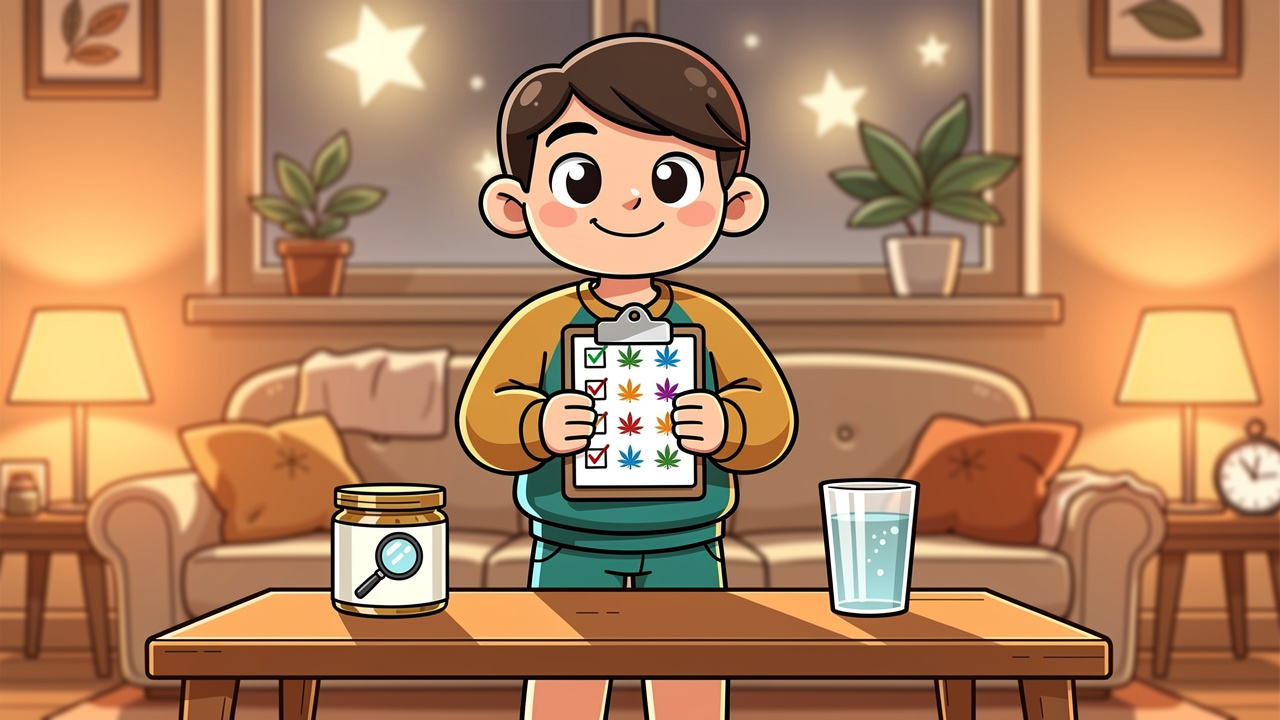
The best approach to weed panic attacks is to plan your dose, setting, and product choice before lighting up or snacking. When you do that, most next-day anxiety becomes avoidable rather than mysterious.
Knowing that THC can trigger panic, that edibles last longer, and that sleep and stress shape the whole experience gives you real control. Choosing clear, lab-tested products from BudBuddies, sticking to modest THC amounts, and favouring CBD-balanced options all stack the odds towards a calmer night.
You still get to enjoy cannabis. You just enjoy it with more information, less fear, and a smaller chance of waking up in that unsettling panic the next day.
Frequently Asked Questions
Question: Can you have a panic attack from weed the day after using it?
Yes, you can feel panic the day after using cannabis. Residual THC metabolites, poor sleep quality, rebound anxiety as THC fades, and the emotional shock from a rough night can combine. Next-day episodes are more common with strong edibles and very high potency products.
Question: How do I calm down after a weed panic attack the next morning?
To calm down the next morning, rest, eat a balanced meal, drink water, and take a gentle walk outside. Avoid more cannabis, heavy caffeine, and alcohol. Simple breathing exercises or mindfulness can help your nervous system settle after a weed panic attack next day.
Question: Is it normal to feel anxious for days after smoking weed?
Feeling anxious within 24 hours of smoking or vaping is fairly common after strong sessions. If anxiety carries on beyond 48 hours, or keeps returning, it is wise to speak with a healthcare professional. Persistent symptoms sometimes point to an underlying anxiety condition that deserves attention.
Question: Does CBD help with weed panic attacks?
CBD can help some people by moderating THC’s impact on CB1 receptors, which may soften anxiety and paranoia. Using balanced THC:CBD products from the start is usually more helpful than trying to “fix” a strong high later. Many BudBuddies flowers and vapes are chosen with this balance in mind.
Question: Why do edibles cause worse next-day anxiety than smoking?
Edibles pass through the liver, which converts THC into 11-hydroxy-THC, a more potent compound that crosses into the brain easily. Effects build slowly, last 6 to 12 hours or longer, and redosing is common. That mix makes intense episodes and next-day anxiety much more likely than with inhaled cannabis.

