


Weed vs Alcohol Calorie Comparison: What to Know
Navigating the Calorie Conundrum: Weed vs. Alcohol
You might be surprised to learn that the calorie debate between cannabis and alcohol isn’t as straightforward as counting numbers on a label. When examining the weed vs alcohol calorie comparison, the picture becomes far more complex than simply tallying up energy content. Alcohol delivers what nutritionists call “empty calories” directly to your system, whilst cannabis operates differently depending on how you consume it.
For many across the UK, making mindful choices about what we consume has become increasingly important. Cannabis, when smoked or vaped, contributes virtually no calories to your daily intake, yet it can influence your appetite in ways that might surprise you. Meanwhile, alcohol consistently adds measurable energy to your diet whilst potentially disrupting your body’s natural fat-burning processes.
This comprehensive guide explores how each substance affects your calorie intake, metabolism, and weight management goals. You’ll discover why alcohol calories behave differently in your body compared to food calories, and how cannabis consumption methods dramatically alter their caloric impact. We’ll examine the fascinating “cannabis paradox” where regular users often maintain lower body weights despite increased appetite, and provide practical strategies for making informed decisions about both substances.
Whether you’re curious about marijuana calories vs alcohol or seeking healthier alternatives for relaxation, understanding these distinctions empowers you to make choices that align with your wellness goals.
Key Takeaways:
- Alcohol provides direct “empty calories” that can disrupt normal metabolism
- Inhaled cannabis contributes negligible calories but may stimulate appetite
- Cannabis edibles contain calories from their food ingredients
- Studies reveal complex relationships between cannabis use and body weight
- Consumption methods and food choices significantly impact overall caloric effects
Alcohol’s Caloric Impact: Understanding “Empty Calories” and Weight Gain
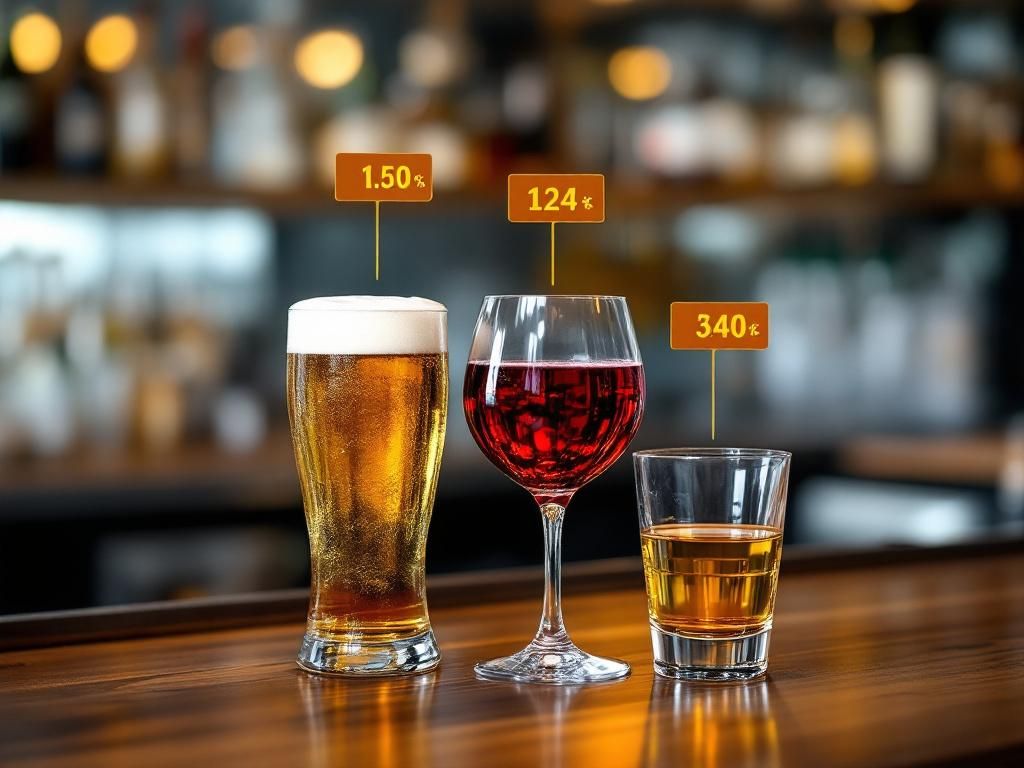
Alcohol presents a unique challenge in any calorie-conscious lifestyle because it provides energy without nutritional benefits. Each gram of ethanol contains approximately 7 calories, positioning it closer to fat (9 calories per gram) than carbohydrates or protein (4 calories per gram each). This means alcoholic beverages can significantly contribute to your daily energy intake without offering vitamins, minerals, fibre, or other essential nutrients your body needs.
The term “empty calories” perfectly describes alcohol’s contribution to your diet. Unlike calories from wholesome foods that fuel your body’s functions and provide building blocks for health, alcohol calories serve no constructive purpose beyond energy. Your body must process and store this energy, often converting excess alcohol calories directly into fat storage, particularly around the abdominal area.
Understanding the alcohol calorie count in common drinks helps you make informed decisions about consumption. The NHS recognises that regular alcohol consumption can contribute substantially to weight gain, with some estimates suggesting that drinking five pints of lager weekly could add nearly 58,000 calories annually. This equivalent of roughly 16 pounds of potential weight gain demonstrates how alcohol calories vs alcohol impact extends far beyond the immediate drinking experience.
How Alcohol Contributes to Weight Gain

Every alcoholic beverage adds calories directly to your daily intake, typically consumed in addition to regular meals rather than as replacements. A standard 175ml glass of 12% wine delivers up to 158 calories, whilst a pint of 5% strength beer can contain up to 222 calories. A double measure of 40% spirits contributes approximately 100 calories, though mixers often multiply this figure significantly.
But how does your body process these alcohol calories differently from food calories? When you consume alcohol, your liver prioritises metabolising it because your body treats ethanol as a toxin requiring immediate attention. This metabolic shift means your body temporarily stops burning fats and carbohydrates for energy, instead focusing entirely on processing alcohol. Consequently, the fats and sugars you consume alongside alcohol are more likely to be stored as body fat rather than used for immediate energy needs.
Alcohol also disrupts normal appetite regulation and decision-making processes. Many people experience increased cravings for high-calorie, high-fat foods during or after drinking sessions. This phenomenon, combined with impaired judgement about food choices, can lead to consuming significantly more calories than intended. The combination of direct alcohol calories plus increased food consumption creates a perfect storm for weight gain, making the weed vs alcohol calorie comparison particularly relevant for health-conscious individuals.
Calorie Counts in Common Alcoholic Beverages
| Beverage Type | Serving Size | Alcohol Content | Calories |
|---|---|---|---|
| Beer/Lager | 1 pint | 5% ABV | 240 calories |
| Wine | 175ml glass | 12% ABV | 133-158 calories |
| Spirits | 25ml shot | 40% ABV | 56 calories |
Beer and lager calories vary considerably based on strength and style. A pint of 5% ABV beer typically contains around 240 calories, though lighter varieties may contain between 60-120 calories per pint. Craft beers, particularly those with higher alcohol content or residual sugars, can range from 200-300 calories or more per pint. The alcohol unit calories in beer accumulate quickly during social drinking sessions.
Wine presents a more consistent caloric profile, with a standard 175ml glass of 12% ABV wine containing approximately 133-158 calories. Red wines tend toward the higher end of this range due to generally higher alcohol content and residual sugars. A full bottle of wine can therefore contribute 600-700 calories to your daily intake, equivalent to a substantial meal.
Spirits might seem like a lower-calorie option at approximately 56 calories per 25ml shot of 40% ABV liquor. However, spirits are rarely consumed neat, and mixers dramatically alter the caloric equation. Sugary soft drinks, fruit juices, and cocktail ingredients can transform a low-calorie spirit into a high-calorie beverage. Complex cocktails often exceed 300-500 calories per serving, making them among the most calorie-dense alcoholic options available.
Cannabis and Calories: Direct vs. Indirect Contributions
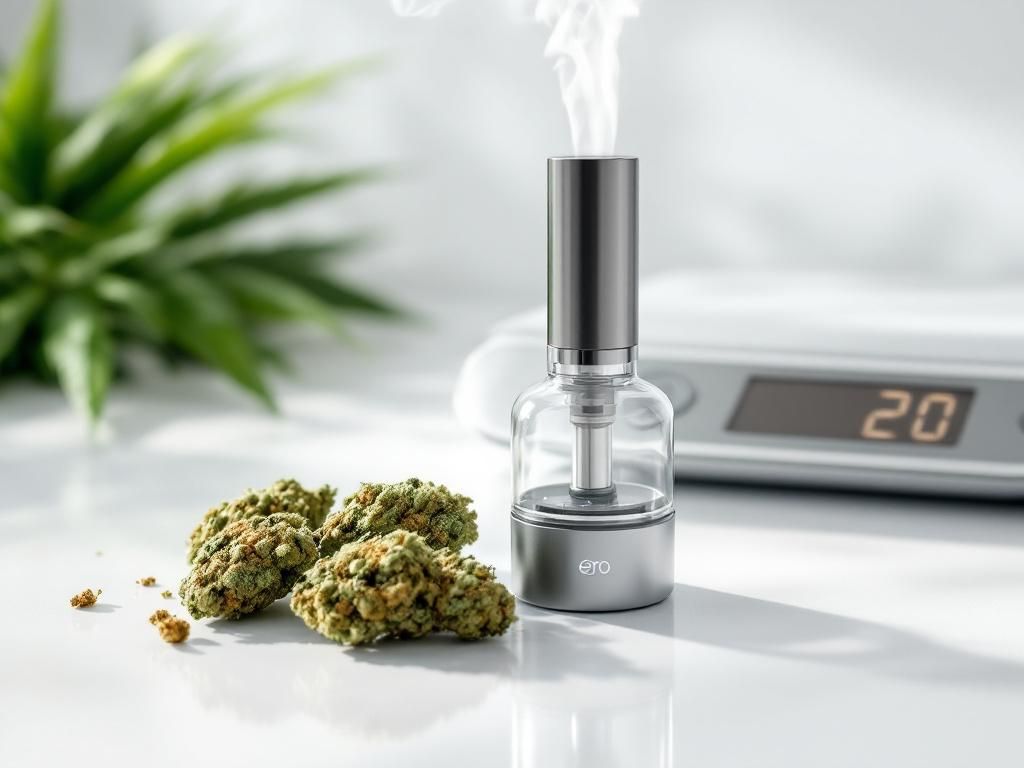
The relationship between cannabis and calories operates on entirely different principles compared to alcohol. When examining marijuana calories vs alcohol, consumption method becomes the determining factor in caloric impact. This fundamental difference makes the cannabis vs alcohol health comparison particularly interesting for weight-conscious consumers.
| Consumption Method | Direct Calories | Indirect Effects |
|---|---|---|
| Smoking/Vaping | ~0 calories | Appetite stimulation |
| Edibles | Varies by ingredients | Appetite stimulation |
| Beverages | 0-25+ calories | Appetite stimulation |
Inhaled cannabis, whether through smoking or THC vapes, contributes virtually no calories to your diet. The active compounds THC and CBD enter your bloodstream through your lungs without requiring digestion or providing energy. This makes smoking or vaping a essentially calorie-neutral consumption method, contrasting sharply with alcohol’s direct caloric contribution.
However, cannabis edibles present a completely different scenario. These products contain calories from their food ingredients—sugars, fats, flour, and other components used in manufacturing. A cannabis brownie contains similar calories to any regular brownie, with the added cannabis extract contributing negligible additional energy. Some modern cannabis beverages, like THC seltzers, may contain anywhere from zero calories to 25 calories plus sugars, depending on their formulation.
The indirect caloric impact of cannabis comes through its well-documented appetite-stimulating effects, commonly known as “the munchies.” This phenomenon can lead to increased food consumption that significantly outweighs any direct caloric contribution from the cannabis itself.
Direct Calorie Content of Cannabis
Smoking cannabis flowers or using THC vapes delivers active compounds without measurable caloric intake. The combustion or vaporisation process releases cannabinoids that your lungs absorb directly into your bloodstream. Unlike alcohol, which your body must metabolise for energy, these compounds exert their effects without contributing to your daily calorie count.
This makes inhaled cannabis particularly attractive for those monitoring weed calories content as part of weight management strategies. You can experience the desired effects without the caloric burden that accompanies alcoholic beverages. For individuals comparing drinking vs smoking weed health impacts, this represents a significant advantage in favour of cannabis consumption.
Cannabis edibles require careful consideration of their ingredient-derived calories. A cannabis-infused chocolate bar contains calories from chocolate, sugar, and other ingredients, just like any confectionery product. Modern cannabis beverages offer varying caloric profiles, with some sugar-free edibles UK options providing THC calories without additional energy intake. Products like cannabis seltzer calories can range from zero to moderate amounts, depending on their formulation.
BudBuddies offers premium cannabis products with clear nutritional information, allowing you to make informed decisions about caloric intake. Their range includes both calorie-free inhaled options and carefully crafted edibles with transparent dosage and nutritional labelling, supporting your health-conscious lifestyle choices.
The “Munchies” Effect and Appetite Stimulation
THC’s interaction with your endocannabinoid system creates the famous appetite stimulation known as “the munchies.” This system regulates various bodily functions, including hunger and food reward pathways in your brain. When THC activates cannabinoid receptors, it enhances your perception of taste and smell whilst triggering hunger signals, making food—particularly high-calorie options—seem irresistibly appealing.
This appetite enhancement can lead to significant indirect caloric intake through increased snacking and meal consumption. The marijuana munchies calories consumed often exceed what you might typically eat, potentially offsetting any caloric advantages from choosing cannabis over alcohol. However, research reveals fascinating complexities in this relationship that challenge simple assumptions about cannabis and weight gain.
Interestingly, observational studies suggest that regular cannabis users often maintain lower body mass indices compared to non-users, despite experiencing appetite stimulation. This “cannabis paradox” might result from various factors, including potential metabolic effects of cannabinoids, lifestyle differences among cannabis users, or reduced alcohol consumption in favour of cannabis. Some research indicates that certain cannabinoids might influence metabolism and fat storage in ways that partially counteract increased food intake.
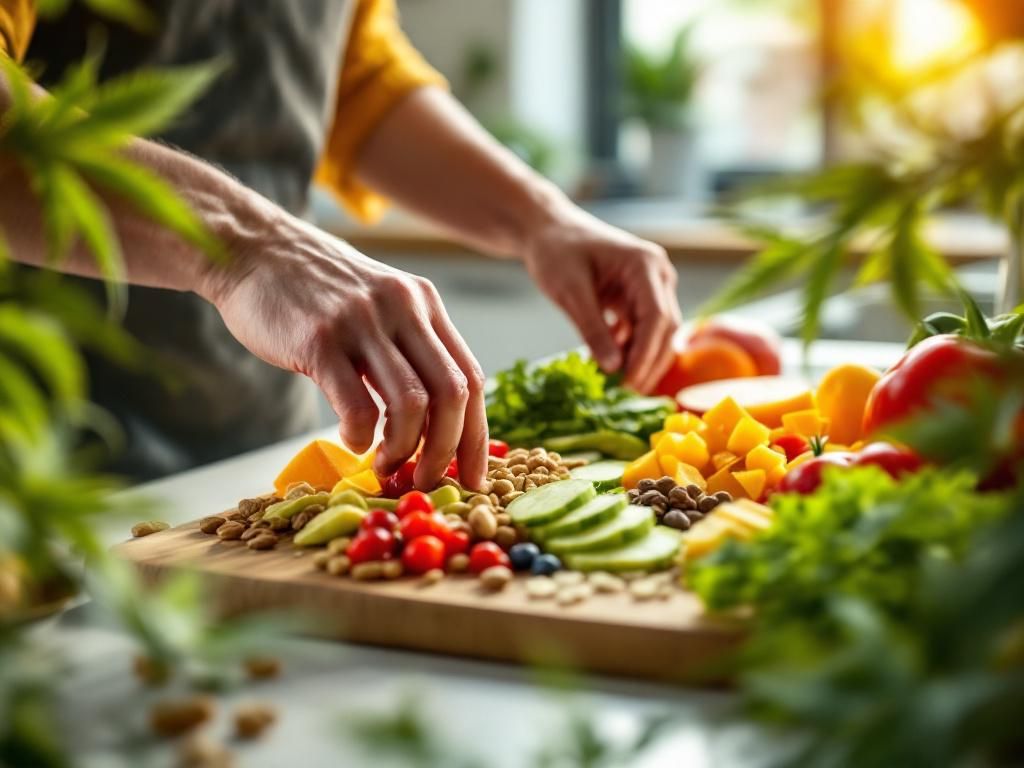
Managing munchies effectively becomes crucial for those concerned about marijuana health effects on weight. Preparing healthy, low-calorie snacks before cannabis consumption can help satisfy increased appetite without excessive caloric intake:
- Fresh fruits
- Vegetables
- Unsalted nuts
- Yogurt
Navigating Healthier Choices: BudBuddies for Mindful Consumption
Making informed decisions about cannabis consumption requires understanding how different products and methods affect your caloric intake and overall health goals. BudBuddies specialises in premium cannabis products designed for discerning consumers who value quality, transparency, and health-conscious choices. Their comprehensive range supports various consumption preferences whilst maintaining the highest standards of product integrity and customer service.
The cannabis vs alcohol health comparison often favours cannabis when considering direct caloric impact, but success depends on choosing appropriate products and consumption methods. BudBuddies’ commitment to premium, strain-specific products ensures consistent experiences that help you make reliable comparisons and decisions about your consumption habits.
For those prioritising weight management or simply seeking alternatives to alcohol calories UK, BudBuddies offers solutions that align with health-conscious lifestyles. Their discreet packaging and reliable UK-wide delivery, including next-day delivery options, make it convenient to explore cannabis as a potentially healthier alternative to regular alcohol consumption.
Opting for Lower-Calorie Cannabis Options
BudBuddies premium flowers and THC vapes represent ideal choices for avoiding direct caloric intake whilst enjoying cannabis effects. These products deliver precise, consistent experiences without the caloric burden of alcohol or edible cannabis products. Whether you prefer traditional flower or modern vaping technology, these options eliminate concerns about weed smoking calories burned versus calories consumed.
When choosing edibles, BudBuddies provides clear dosage and nutritional information enabling informed decisions about caloric intake. Their range includes various options, from traditional treats to modern formulations like low calorie edibles designed for health-conscious consumers. This transparency empowers you to integrate cannabis into your lifestyle without compromising dietary goals.
Munchies control becomes manageable with proper preparation and product selection. BudBuddies’ consistent, high-quality products allow you to predict and plan for appetite effects. Preparing nutritious, satisfying snacks before consumption—fresh fruits, vegetables, unsalted nuts, or yogurt—helps satisfy increased appetite whilst supporting rather than undermining your health objectives. This proactive approach transforms potential caloric challenges into opportunities for improved nutrition.
The beer calories vs weed comparison becomes particularly favourable when choosing inhaled cannabis products, as you eliminate both the direct calories and the metabolic disruption associated with alcohol consumption.
BudBuddies Commitment to Your Wellness Journey
BudBuddies distinguishes itself through unwavering commitment to premium quality and customer satisfaction. Their strain-specific products undergo rigorous quality control, ensuring consistent potency and effects that support predictable consumption experiences. This reliability proves essential when incorporating cannabis into health-focused lifestyle choices.
Privacy remains paramount in BudBuddies’ service approach. Their discreet, plain packaging protects your privacy whilst their tracked, reliable UK-wide delivery ensures convenient access to premium products. Next-day delivery options mean you’re never without access to your preferred cannabis products, supporting consistent consumption patterns that align with your wellness goals.
BudBuddies’ comprehensive product range addresses diverse preferences and health considerations. From calorie-free inhaled options to carefully formulated edibles with transparent nutritional information, their offerings support informed decision-making about cannabis consumption. This commitment extends beyond products to encompass customer education and support, helping you navigate the alcohol vs cannabis weight gain considerations that influence long-term health outcomes.
Their premium positioning reflects not just product quality but also a philosophy of supporting customers’ broader wellness journeys. By choosing BudBuddies, you’re selecting a partner committed to helping you make informed, health-conscious decisions about cannabis consumption whilst enjoying the benefits of premium products and exceptional service.
Conclusion
The weed vs alcohol calorie comparison reveals significant differences in how these substances impact your daily energy intake and weight management efforts. Alcohol consistently contributes direct “empty calories” that can accumulate rapidly and disrupt normal metabolic processes, making weight gain more likely. Cannabis, when smoked or vaped, contributes virtually no calories directly, though its appetite-stimulating effects require mindful management to prevent excessive snacking.
Edible cannabis products introduce calories from their ingredients, requiring the same attention you’d give any food product. The key lies in understanding these distinctions and choosing consumption methods that align with your health goals. Whether you prioritise avoiding direct calories through inhaled cannabis or managing appetite effects through prepared healthy snacks, informed choices enable you to enjoy cannabis whilst maintaining dietary balance.
For those seeking healthier alternatives to regular alcohol consumption, cannabis offers compelling advantages when consumed thoughtfully. The combination of negligible direct calories and potential metabolic benefits makes it an attractive option for health-conscious individuals willing to manage appetite stimulation effectively.
FAQs
How many calories are in a standard alcoholic drink?
A standard 175ml glass of 12% wine contains up to 158 calories, whilst a pint of 5% beer reaches approximately 222 calories. Spirits contain fewer calories per shot (about 56 calories per 25ml), but mixers can significantly increase the total caloric content.
Does smoking weed add calories to your diet?
Smoking or vaping cannabis contributes negligible direct calories to your diet. The primary caloric impact comes from appetite stimulation leading to increased food consumption, rather than from the cannabis itself.
Can cannabis help with weight loss?
Cannabis isn’t a weight loss solution, though some studies suggest regular users may have lower BMIs. This might relate to reduced alcohol consumption, metabolic factors, or lifestyle differences rather than direct weight loss effects.
What are “empty calories”?
Empty calories provide energy without essential nutrients like vitamins, minerals, or fibre. Alcoholic beverages exemplify empty calories, offering energy that your body must process and potentially store as fat without providing nutritional benefits.


