


What Does THC Stand For? Plain-English THC Guide
Introduction
If you keep asking yourself what does THC stand for when reading product pages, you are not alone. The mix of initials, numbers, and strain names can feel like a different language.
Behind those three letters sits tetrahydrocannabinol, the main compound that gives cannabis its noticeable effects. Once you understand what THC is, how it behaves in your body, and how strength works across flower, vapes, and edibles, choosing products becomes far calmer. This guide walks through the basics in plain English and shows how BudBuddies presents THC clearly across its range.
Ready to make those percentages and acronyms actually mean something? Keep reading.
What Does THC Stand For – And What Is It?
When people ask what does THC stand for and what is it, the short answer is tetrahydrocannabinol, the main active compound in cannabis. Tetrahydrocannabinol is the cannabinoid that gives most of the familiar high. It changes how signals move around your brain and nervous system, so sights, sounds, and thoughts can feel different.
The name itself comes from chemistry rather than marketing. Tetra hints at four, hydro connects to hydrogen atoms, and cannabinol links it to the wider cannabinoid family found in the cannabis plant. Scientists class THC as a cannabinoid, one of over one hundred such compounds identified in Cannabis sativa. According to the National Institute on Drug Abuse, modern cannabis flower often contains between 10 and 30 percent THC by weight, a range also reflected in Accuracy of labeled THC research examining potency across flower and concentrate products.
The best known version is delta-9-tetrahydrocannabinol, often shortened to delta-9 THC. This is what most people mean when they simply say THC. It is highly fat soluble, so it settles into fatty tissues and the brain, which is why the effects can last for several hours. Research from the National Academies of Sciences (National Academies) reviewed over ten thousand cannabis and cannabinoid studies, and delta-9 THC appears again and again as the central focus.
THC does not sit alone though. The plant also produces related compounds such as THCA, delta-8 THC, and THCV. You might see these names in lab reports or on product pages at BudBuddies, so it helps to know what they mean.
THCA, Delta-8, And THCV: The THC Variants Explained
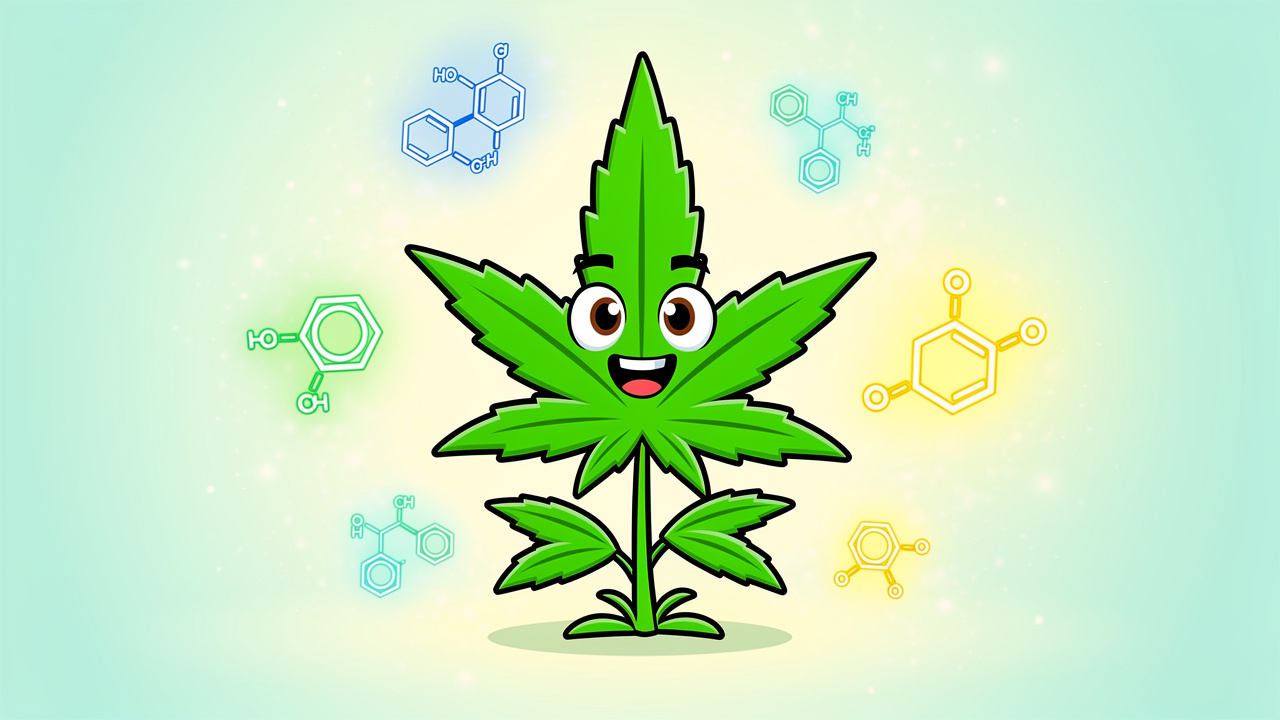
THCA, or tetrahydrocannabinolic acid, is the raw form found in freshly harvested flower. On its own, THCA does not produce a high. When you heat cannabis by vaping, smoking, or baking it, THCA loses a small acid group in a process called decarboxylation and becomes active THC, which your body then feels.
Delta-8 THC is a close chemical cousin of delta-9. It appears naturally in tiny amounts in the plant. Consumer reports and early research suggest delta-8 often feels smoother and gentler, with less intense edges. According to a survey published by the Journal of Cannabis Research (Springer Nature), many delta-8 users describe lower levels of anxiety compared with their usual delta-9 experiences.
THCV, or tetrahydrocannabivarin, is another interesting variant. At low doses, it may actually dampen some THC effects. At higher doses, it can produce its own type of clear, bright psychoactivity that many people find quite different from standard THC. THCV is also widely discussed for its possible appetite-reducing influence, the opposite of the classic munchies linked to regular THC.
How THC Actually Works In The Body
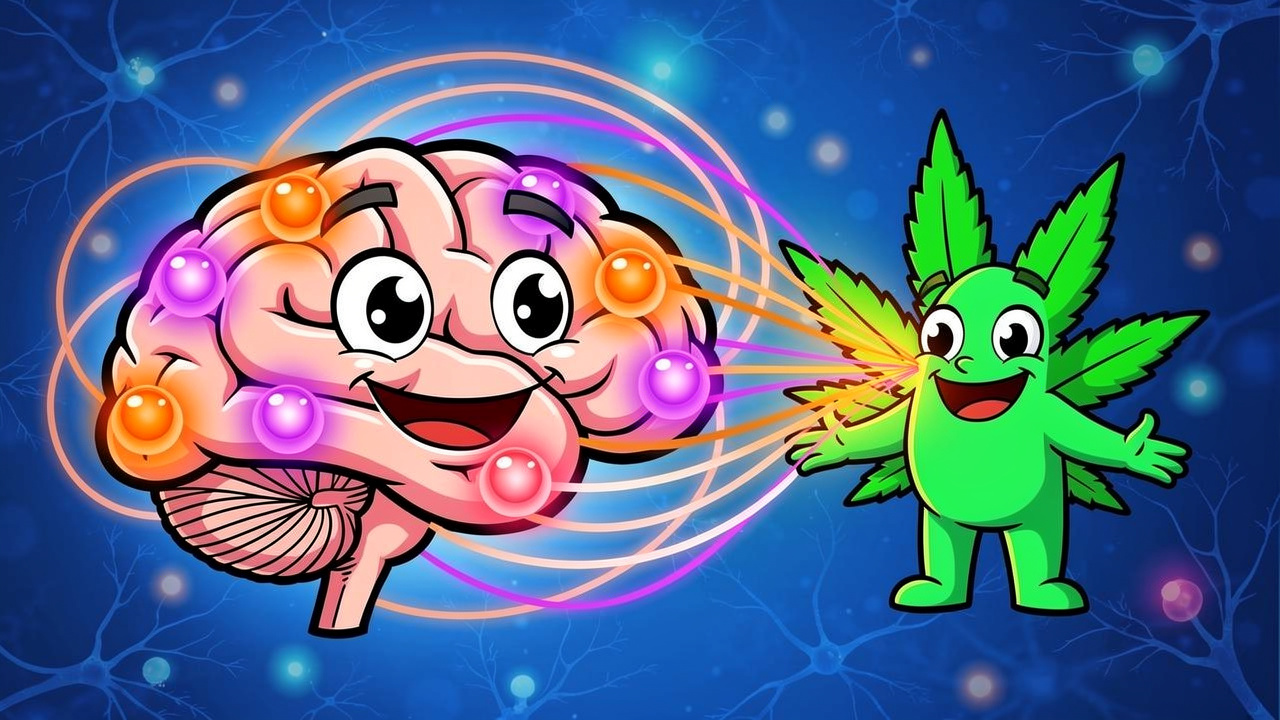
THC works in the body by fitting into your endocannabinoid system, a natural signalling network found throughout the brain and organs. This system helps manage mood, appetite, memory, pain, and sleep, using your own internal cannabinoids such as anandamide to keep things balanced.
The endocannabinoid system centres on two main receptor types called CB1 and CB2:
CB1 receptors sit mostly in the brain and central nervous system.
CB2 receptors appear more in the immune system and around the body.
When you consume THC, it binds strongly to CB1 receptors in areas linked to reward, memory, and coordination, such as the hippocampus and basal ganglia. This strong binding explains the change in perception, euphoria, and altered sense of time that many people notice.
Your own cannabinoids, like anandamide, usually bind more lightly and break down quickly. THC stays attached for longer and is not cleared as fast, so its effects feel more intense. According to Harvard Health Publishing (Harvard Medical School), THC can raise dopamine levels and disrupt normal neurotransmitter patterns, which lines up with those mood and sensory changes many users report.
How you take THC changes both how quickly it arrives and how long it stays active. Here is how that tends to look:
Inhaled methods such as vapes or joints move THC into your bloodstream through the lungs within seconds. Effects usually start within a few minutes and can peak inside half an hour. Many experienced consumers like this route because it lets them judge their level in real time and pause when they feel settled.
Edibles such as gummies and baked goods travel through your stomach and liver first. Onset often takes between thirty minutes and two hours, then can last four to eight hours. The liver converts THC into 11-hydroxy-THC, which crosses into the brain easily, so the experience can feel deeper and longer. Research summarised by Health Canada (Health Canada) confirms this longer tail compared with inhaled routes.
Sublingual oils and tinctures are placed under the tongue and absorbed through mouth tissues. Effects usually begin within fifteen to forty five minutes and sit somewhere between vaping and edibles for duration. Many people like this format for its balance of control and discretion.
So what does that mean for you in practice? The same number of milligrams can feel very different depending on whether you inhale, eat, or hold it under the tongue, which is why format choice matters just as much as the raw THC number. Factors such as recent food intake, body weight, and prior THC use also change how strongly a given dose will feel, so two people can react very differently to the same product.
THC Vs CBD: What Is The Key Difference?
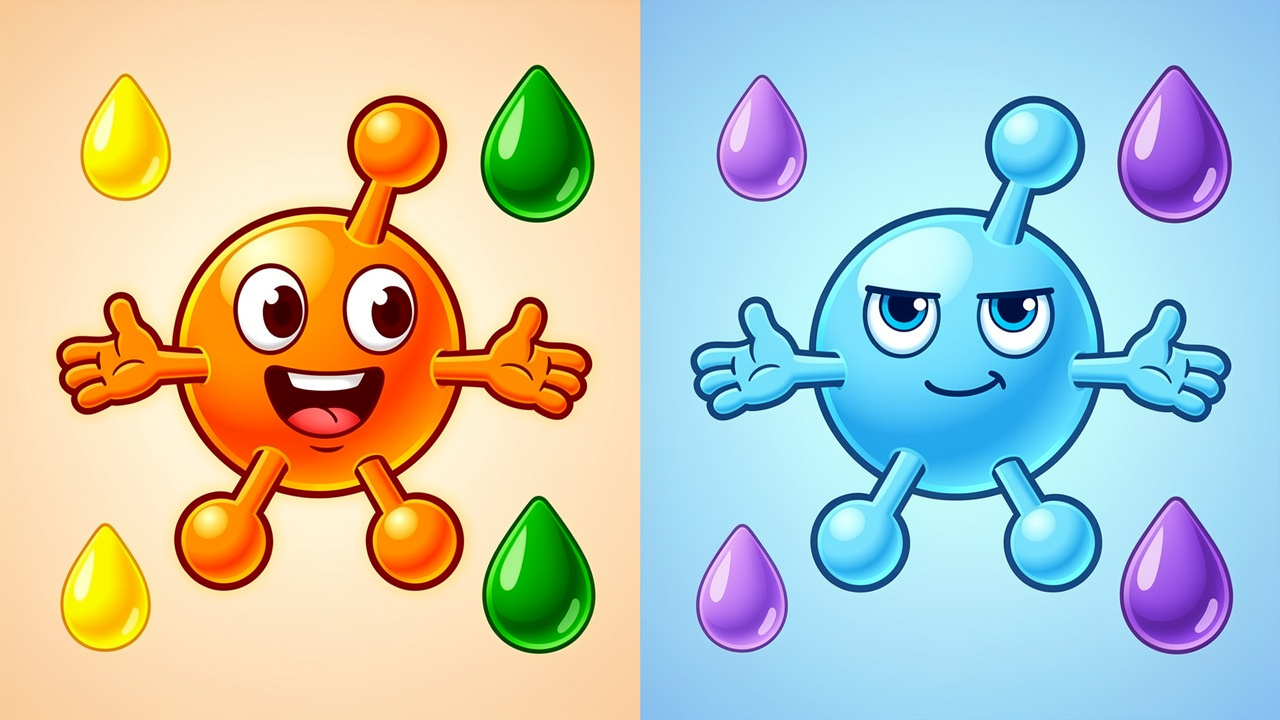
THC and CBD come from the same cannabis plant, but they behave very differently once inside your body. THC binds strongly to CB1 receptors and produces a noticeable high. CBD, short for cannabidiol, interacts much more lightly with those receptors and does not cause intoxication.
A simple way to picture it is this: THC acts like a loud, bright spotlight on your endocannabinoid system. CBD is more like a set of dimmer switches, subtly adjusting signals rather than blasting them. According to a World Health Organization review (WHO), CBD shows no evidence of abuse or dependence in humans, which matches the lack of high.
CBD can also influence how THC feels. Several studies suggest CBD may reduce some of THC’s sharper edges, such as racing thoughts or anxious feelings, by changing how THC fits into CB1 receptors. This is why the THC to CBD ratio on a product label matters. A one-to-one product with equal amounts of each often feels gentler than a very high THC, low CBD option at the same total dose.
The wider plant chemistry also steps in. Scientists call this the entourage effect. THC works alongside CBD and aromatic compounds known as terpenes:
Myrcene is linked with heavy, sleepy effects.
Limonene is often described as bright and lifting.
Linalool, also found in lavender, is associated with calm and relaxation.
Two products can both carry 20 percent THC, but if one is rich in myrcene and the other in limonene, many users will describe completely different moods — a distinction explored in depth in Indica vs Sativa vs hybrid data analysis showing how terpene and chemotype profiles shape real-world effects.
To bring this to life, here is a quick comparison:
| Feature | THC | CBD |
|---|---|---|
| Main effect | Noticeable high with altered perception | Clear headed relaxation without intoxication |
| CB1 activity | Strong direct binding | Weak and indirect interaction |
| Common uses | Recreational effects, appetite, some types of pain | Stress support, sleep, balancing THC |
| Presence in BudBuddies range | Core in flower, vapes, edibles, concentrates | Present in CBD oils, flower, and blended products |
For shoppers on BudBuddies, this difference is reflected in separate THC and CBD ranges, plus mixed products where both appear together for people who like a balanced feel and want to fine tune their experience.
THC Potency And Product Formats: What The Numbers Mean
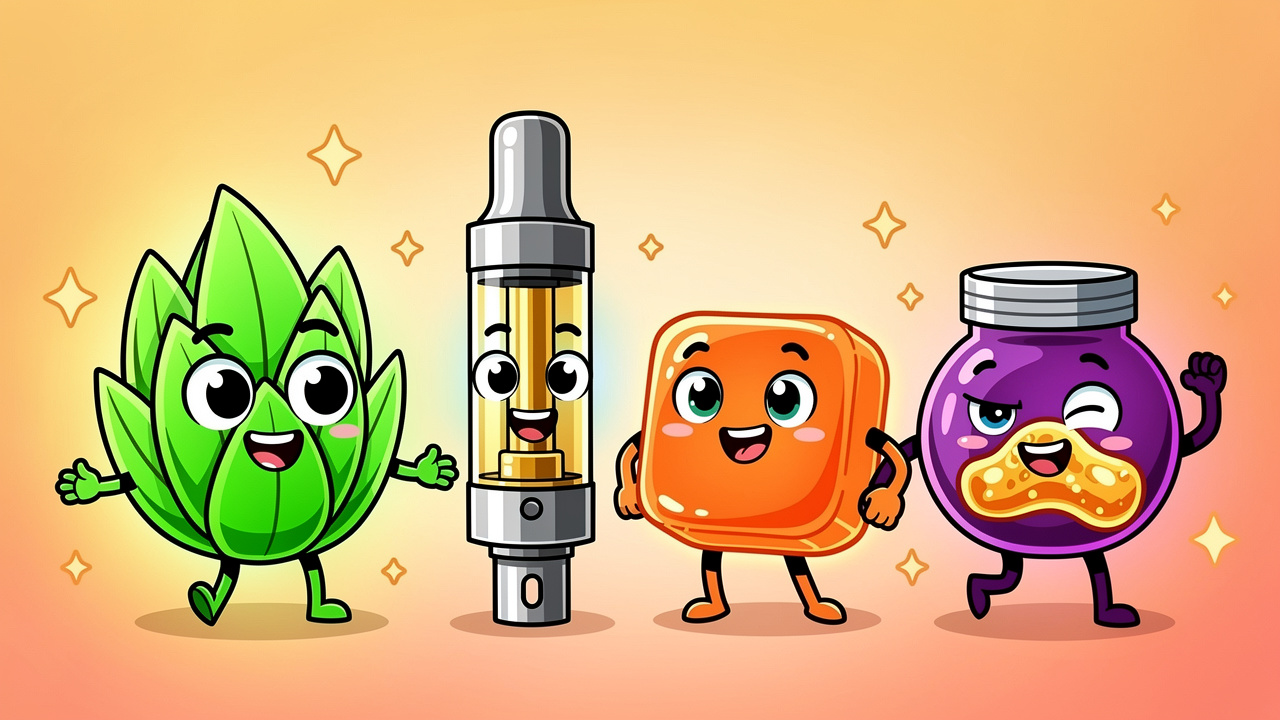
THC potency describes how much tetrahydrocannabinol is in a product, not how good that product is. A 25 percent THC flower is simply more concentrated than a 15 percent one. Whether that is better for you depends on your tolerance, preferences, and the format you pick.
With flower, THC percentage is given by weight. A gram of 15 percent flower holds about 150 milligrams of THC. A gram of 25 percent flower holds around 250 milligrams. Many modern cultivars now sit above 15 percent, whereas older samples from the nineteen nineties often averaged under 10 percent — a shift well documented in Frontiers | A 10-year cannabis potency trend research covering different U.S. geographical regions. That shift makes clear, accurate labelling more important than ever.
Vapes and concentrates push potency much higher, and An In-Depth Study Evaluating cannabinoid determination in cannabis concentrates using liquid chromatography highlights how complex accurate measurement becomes at these elevated levels. A THC distillate cartridge might show 70 or even 90 percent THC. That does not mean it is only for experts, but it does mean small puffs and patience matter. Edibles work differently again, with strength normally listed in milligrams per piece rather than percentages. A gummy at 5 milligrams per sweet is far gentler than one at 25 milligrams.
“Start low and go slow with cannabis products, especially edibles,” advises Health Canada in its public consumer guidance.
Here is how common THC ranges and formats line up:
Flower usually ranges from around 10 to 30 percent THC. Many regular users sit comfortably with strains in the mid teens to low twenties. Higher numbers can feel punchy even for experienced people, especially when combined with sleepy terpenes like myrcene.
Vapes often sit between 60 and 85 percent THC. They deliver effects quickly and cleanly, which is why tiny draws are wise if you are still learning your limits. BudBuddies offers pre filled cartridges and disposables with clear strength labelling, so you always know what you are inhaling.
Edibles list THC in milligrams per piece. For most beginners, 5 to 10 milligrams is a sensible first step, with a full two hour wait before considering more. BudBuddies builds this start low, go slow advice into edible descriptions so you are not guessing from the sofa.
Concentrates such as wax, shatter, and live resin can reach 60 to 90 percent THC or higher. These formats are best for people who already understand their tolerance and prefer intense, fast acting sessions. BudBuddies clearly flags experience level guidance and publishes third party Certificates of Analysis on these pages.
“You can always take more later, but you can’t take less once you’ve consumed it,” is a common reminder shared by many cannabis educators.
At BudBuddies, potency is not a guessing game — independent research such as Accuracy of labeled THC underscores why verified, transparent lab reporting matters across both flower and concentrate products. Every batch of AAAA plus flower, each vape, and every edible is double checked against independent lab reports. Those Certificates of Analysis (COAs) are linked on product pages so you can see exact THC, CBD, and terpene figures before adding anything to your basket. The site also highlights value options such as Popcorn Nugs and Trim, plus loyalty rewards like BudCash and first order discounts for value conscious shoppers.
For privacy minded customers across the UK and Northern Ireland, BudBuddies then sends everything in plain, smell proof packaging with tracked delivery, so the only person thinking about THC percentages is you.
The Final Word On THC
So, what does THC stand for, in practical terms as well as on paper? It stands for tetrahydrocannabinol, the primary cannabinoid that changes how cannabis feels, from gentle relaxation to deep, immersive sessions. Knowing the name is only the first layer though.
Once you understand how THC fits into the endocannabinoid system, how variants like THCA and delta-8 relate, and how percentages and milligrams translate across flower, vapes, edibles, and concentrates, it becomes far easier to choose calmly. BudBuddies brings all of this together through clear labelling, lab tested products, and dosing guidance that respects both newcomers and seasoned consumers. When you are ready to explore, the curated range at budbuddies.cc is designed to feel as clear and discreet as the information in this guide.
Frequently Asked Questions
Question 1: What Does THC Stand For In Full?
THC stands for tetrahydrocannabinol. It is the main psychoactive cannabinoid in the cannabis plant and is responsible for most of the noticeable high, including changes in mood, perception, and appetite when you consume flower, vapes, edibles, or concentrates.
Question 2: What Is The Difference Between THC And THCA?
THCA is tetrahydrocannabinolic acid, the raw, inactive form found in fresh cannabis. It becomes THC when heated through vaping, smoking, or cooking, a process called decarboxylation. THC is the version your body feels, while THCA alone will not create a classic cannabis high.
Question 3: How Much THC Should A Beginner Start With?
For edibles, most beginners do well starting with 5 to 10 milligrams of THC, then waiting a full two hours before taking more. With vapes or flower, one or two small puffs is usually plenty at first. BudBuddies product pages repeat this start low, go slow approach for every format so you can build confidence step by step.
Question 4: What Is The Difference Between Delta-9 And Delta-8 THC?
Delta-9 THC is the standard form that appears most abundantly in cannabis and produces the classic high. Delta-8 THC has a slightly different structure and usually occurs in smaller amounts. Many users describe delta-8 as a smoother, less intense version of delta-9, with a gentler lift.
Question 5: Does CBD Cancel Out THC?
CBD does not completely cancel THC, but it can soften some of its stronger effects. By interacting with the same receptor network more gently, CBD may reduce feelings like racing thoughts or unease in some people. Many newcomers choose products with balanced THC to CBD ratios for this reason, and BudBuddies offers options across that spectrum.

