


What is THC? Everything You Need to Know
If you’ve searched for “what is THC,” you’re probably trying to work out why cannabis makes people feel a certain way, or how strong a product really is before you try it. That question sits at the heart of nearly every cannabis conversation, yet the answer often gets buried under jargon or vague explanations. THC, short for tetrahydrocannabinol, is the compound behind the “high” that cannabis is famous for, and understanding it properly makes every other cannabis decision easier.
This guide breaks THC down in plain English, covering how it works inside the body, what effects it produces, and how it differs from CBD. We’ll also look at how THC content varies across flower, vapes, concentrates, and edibles, and what separates a trustworthy product from a risky one. BudBuddies put this guide together to help readers, whether new to cannabis or comparing formats, feel informed and confident before they buy.
By the end, you’ll know exactly what THC does, how it’s measured, and how to choose products that match your experience level.
Key Takeaways
THC is the main psychoactive cannabinoid in cannabis, responsible for the euphoric “high” that most people associate with the plant.
It works by binding to receptors in the endocannabinoid system, mainly in the brain and central nervous system.
THC and CBD differ sharply, with THC producing intoxication and CBD offering calming effects without a high.
THC content varies enormously by format, from flower to concentrates to edibles.
Choosing lab-tested, clearly labelled products protects you from inconsistent strength and poor quality.
What Is THC And How Does It Work?
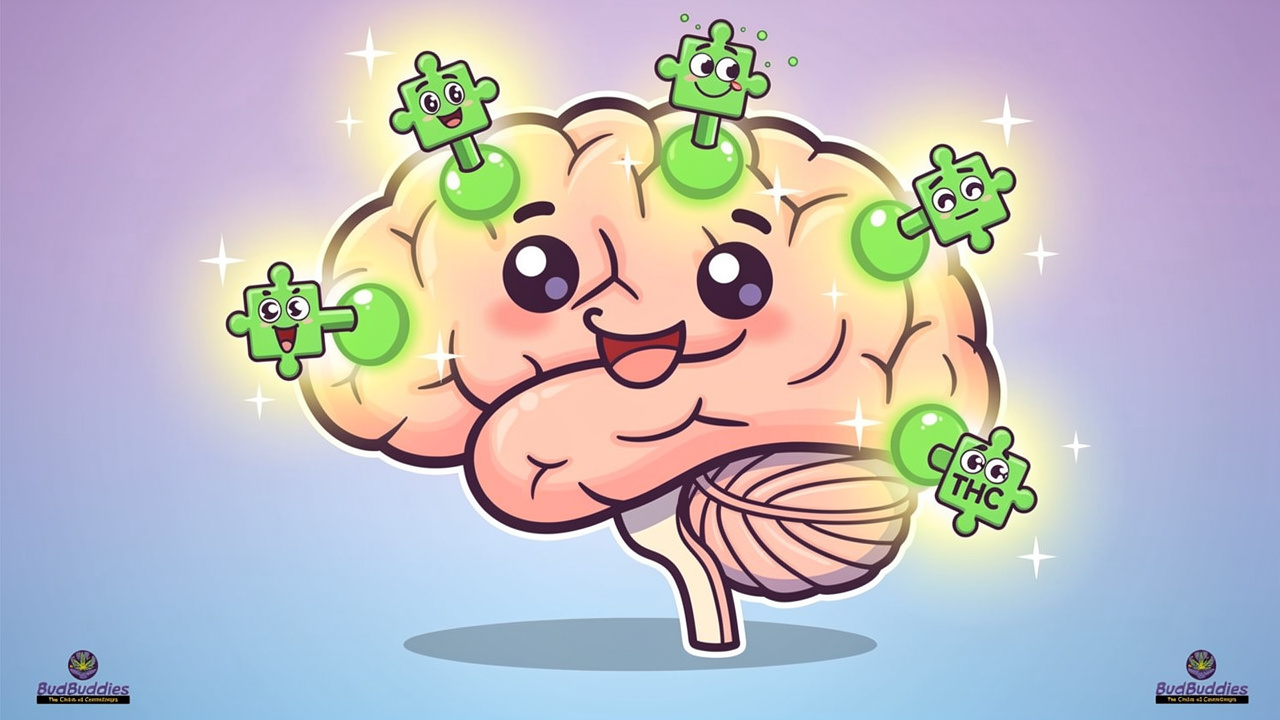
THC, or delta-9-tetrahydrocannabinol, is the main psychoactive compound in cannabis and the reason the plant produces intoxicating effects rather than just a herbal aroma. It’s one of more than 100 cannabinoids found in cannabis, but it’s by far the most recognised, since it’s directly responsible for the sensations people associate with getting high. THC forms in the plant’s trichomes, the small, sticky, crystal-like structures that coat mature cannabis flowers, and concentrations can vary hugely from one strain or product to another, with research documenting a 10-year potency trend showing steady increases in average THC levels across US regions between 2013 and 2022.
Inside the body, THC interacts with something called the endocannabinoid system, a network of receptors and signalling chemicals that helps regulate mood, appetite, memory, and sleep. This system has two main receptor types, a mechanism that has been central to neuroscience since early cannabis studies were informing fundamental neuroscience in the 1970s.
CB1 receptors – concentrated in the brain and central nervous system
CB2 receptors – found more broadly across the immune system
THC binds strongly to CB1 receptors, which is why its effects are felt so quickly and so distinctly compared with many other plant compounds. This single mechanism explains why THC can influence memory, coordination, mood, and perception all at once, rather than affecting just one part of the experience.
How THC Produces Its Effects
THC works by mimicking anandamide, a natural chemical the body already produces to help regulate mood and comfort. Because THC has a similar shape, it slots into CB1 receptors in the brain and triggers a release of dopamine, which is what produces the pleasurable, euphoric feeling many people call a “high.” This also explains why THC can affect memory, coordination, and how time feels while it’s active in the system.
Trichomes, the tiny resin glands covering mature cannabis buds, hold the highest concentration of THC in the entire plant. This is one reason flower quality and trichome density are often used as a visual indicator of strength before lab results confirm the exact percentage.
What Effects Does THC Produce?
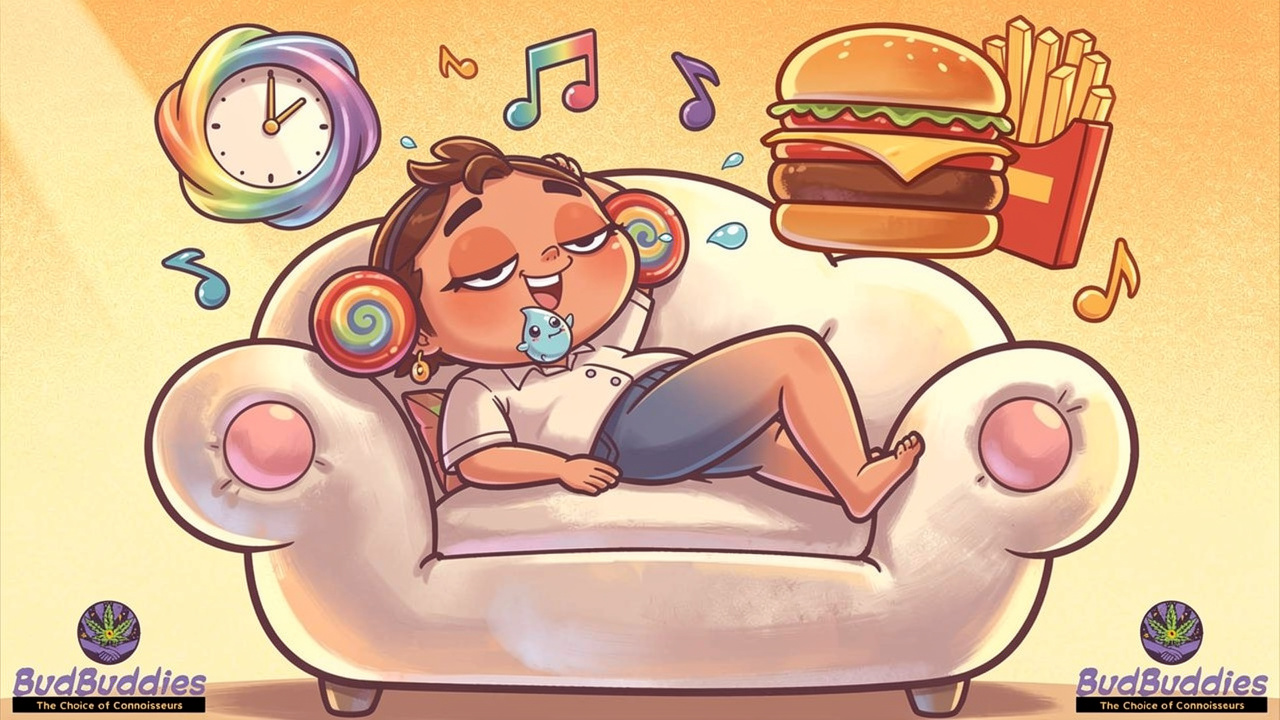
THC produces a mix of physical, mental, and sensory effects that vary from person to person depending on dose, tolerance, and the specific product used. Commonly reported effects include:
Euphoria and relaxation
A shift in mood towards calm or giggly
Changes in how colours, sounds, or time seem to pass
Increased appetite, often nicknamed “the munchies”
Dry mouth, dry eyes, and a temporary rise in heart rate
At higher doses, or for those with lower tolerance, THC can tip into less pleasant territory, including anxiety, paranoia, or dizziness. This is exactly why dosing carefully matters so much, particularly for anyone newer to cannabis who hasn’t yet learned how their body responds. Starting small and adjusting gradually gives you far more control over the experience than guessing your way through a stronger product.
THC vs CBD: What’s The Difference
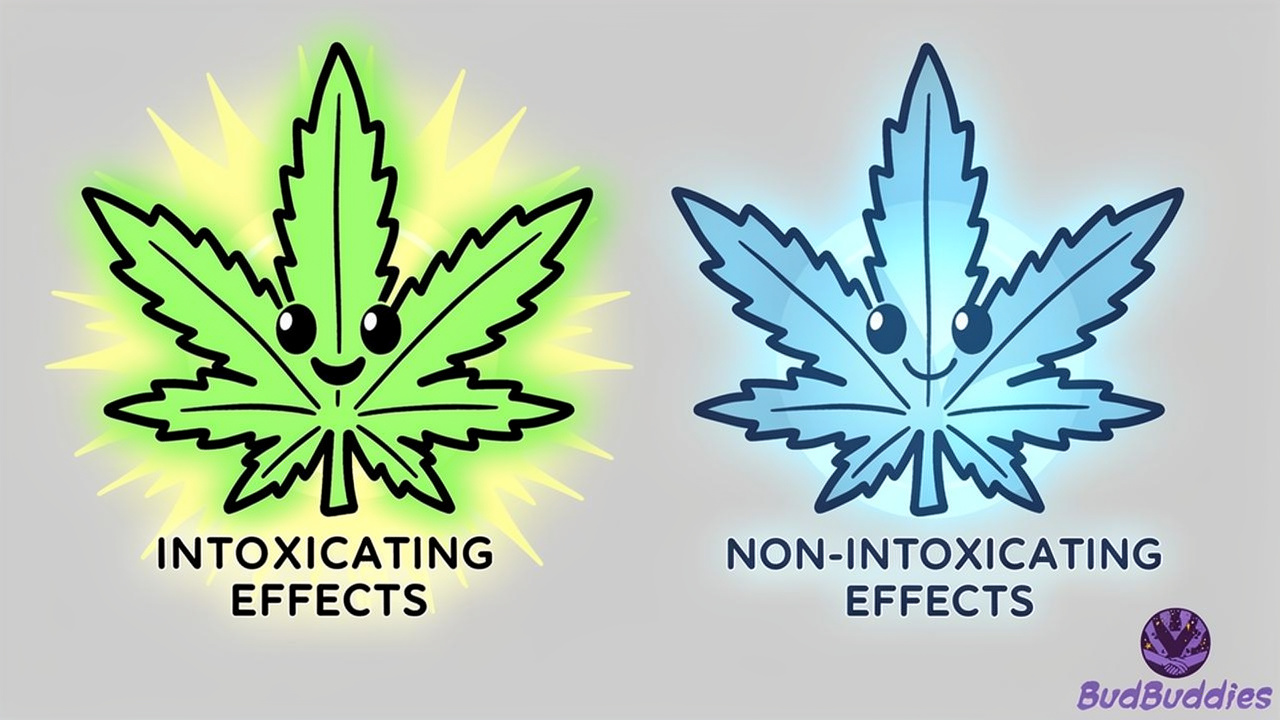
THC and CBD are the two best known cannabinoids in cannabis, but they behave very differently once inside the body. THC is intoxicating, meaning it produces the euphoric high associated with cannabis, while CBD is non-intoxicating and tends to offer a calmer, more grounded feeling without impairing focus or coordination. Both interact with the endocannabinoid system, though CBD’s relationship with it is more indirect, and it can even soften some of THC’s more intense effects when the two are used together.
This is why many people choose products with a specific THC-to-CBD ratio, depending on whether they want a strong psychoactive effect or something gentler and more functional. For readers who want the calming side of cannabis without the high, our CBD product range offers oils, capsules, and CBD flower designed for exactly that kind of session.
How Much THC Is In Different Products
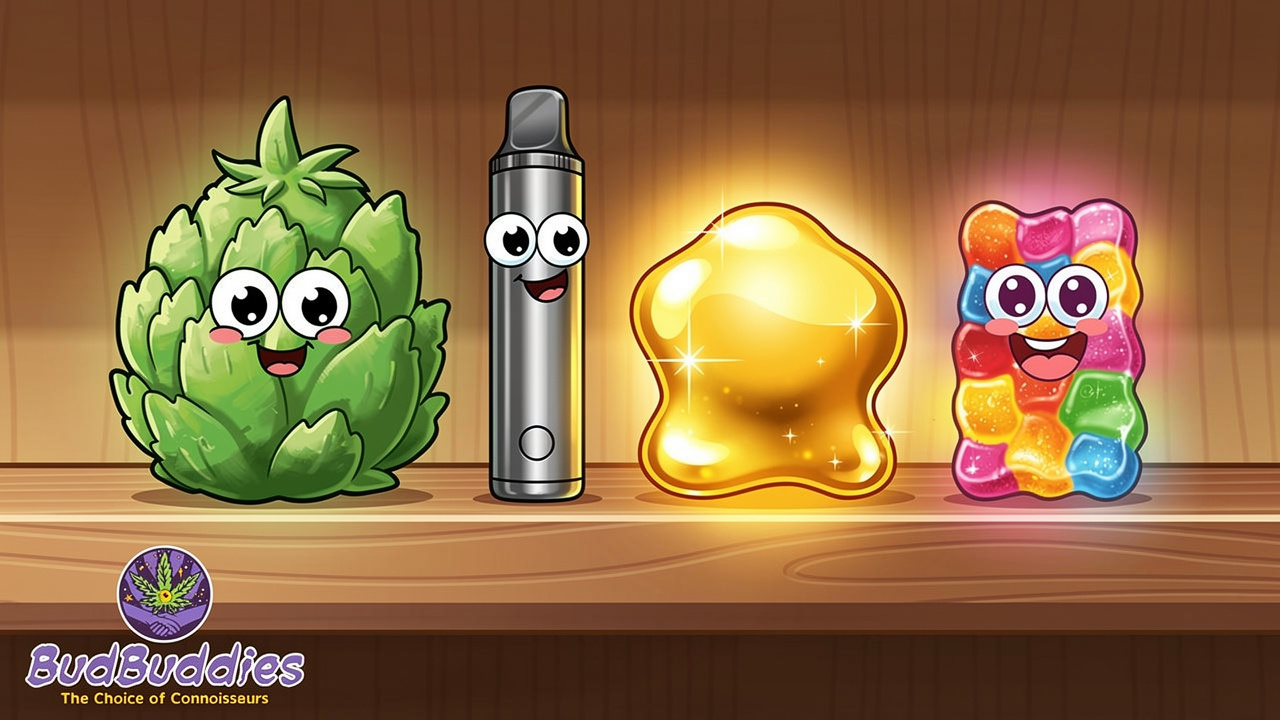
THC content varies enormously depending on the product type, and understanding these ranges is one of the most useful things any cannabis buyer can learn.
Dried flower: typically 5% to over 30% THC by weight, with modern growing techniques pushing average potency well above what was common a couple of decades ago.
Concentrates (wax, shatter, live resin): often 50% to 90% THC, since the extraction process strips away most of the plant material and concentrates the active compounds.
Vape cartridges: usually 60% to 95% THC, offering a strong, fast, and discreet option for those who want convenience without sacrificing strength.
Edibles: measured in milligrams per piece rather than percentage, with a standard beginner dose sitting around 5 to 10mg and experienced users sometimes taking well beyond that.
Because these numbers vary so widely between formats, checking the label properly before buying, or before consuming, is genuinely one of the most important habits any cannabis consumer can build. Lab-verified labelling removes the guesswork, meaning the percentage or milligram figure on the packet should match what’s actually inside, which matters enormously for consistent, predictable experiences over time.
Flower, Vapes, Concentrates, And Edibles Compared
Flower typically ranges from 5% to over 30% THC, with effects felt within minutes of smoking or vaping and lasting one to three hours. Vapes sit at the higher end of potency, usually 60% to 95% THC, and are prized for being fast-acting, low-odour, and easy to dose in small increments as you go, a gap that becomes clear in any potency comparison guide covering concentrates versus flower. Concentrates push even further, often between 50% and 90% THC, making them best suited to experienced consumers who already understand their tolerance well, since THC content has roughly tripled since 1995 as extraction methods have advanced.
Edibles behave quite differently, with onset delayed by 30 minutes to two hours but effects lasting four to eight hours once they take hold. BudBuddies stocks AAAA+ graded flower, vape cartridges, concentrates, and edibles, each with full terpene and cannabinoid breakdowns so you know exactly what you’re choosing before it arrives.
How Can You Choose Quality, Reliable THC Products?
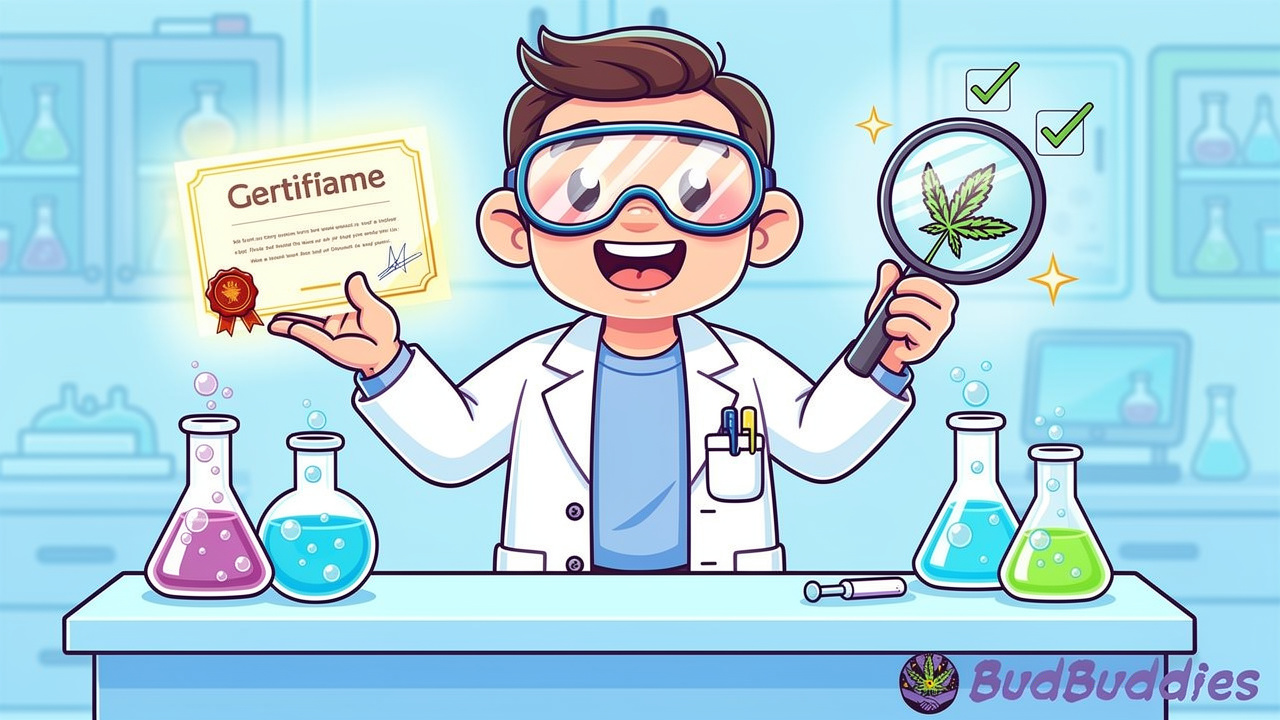
Choosing a reliable THC product means looking past the headline percentage and checking whether that figure has actually been verified. Reputable products carry a Certificate of Analysis from independent lab testing, confirming THC content while also screening for contaminants like pesticides, mould, and heavy metals, similar to the standardised testing behind THC monitoring reports tracking potency and pricing trends over time. Without this kind of verification, there’s no real way to know whether the strength printed on the packaging matches what you’re actually consuming, which makes dosing far harder to get right.
Look for two separate lab tests per strain, transparent labelling, and a dosage calculator — these three things together are what actually protect you from guesswork.
The platform double-checks potency through two separate lab tests for every strain, so a label reading 22% THC reflects exactly what’s inside the packet. The range comes with transparent labelling, a dosage calculator to help you judge servings sensibly, and discreet stealth packaging with next-day tracked delivery, alongside loyalty and referral savings for returning customers.
Wrapping Up
THC is the main psychoactive compound in cannabis, working through the endocannabinoid system to produce the euphoria, relaxation, and altered perception most people associate with a high. How strong that experience feels depends on dosage, tolerance, and especially the format you choose, since flower, vapes, concentrates, and edibles all deliver THC differently and at very different speeds.
Knowing what THC is and how it behaves puts you in a much stronger position to choose products that actually suit your experience level and goals. BudBuddies’ lab-tested range gives you that clarity from the start, with transparent labelling and discreet delivery built around a genuinely reliable buying experience.
Frequently Asked Questions
Does THC Show Up The Same Way In Everyone?
No, THC affects people differently depending on body chemistry, metabolism, and tolerance built up over time. Someone who consumes cannabis regularly will typically need more THC to feel the same effects as a newcomer. Weight, general health, and even what you’ve eaten beforehand can also shift how strongly a dose is felt.
How Long Does THC Stay In Your System?
This varies quite a bit depending on how often you use it, your metabolism, and which product format you’ve consumed. Frequent users tend to retain traces for longer than occasional users, and edibles can behave differently to inhaled products in this respect. There’s no single fixed timeframe that applies to everyone.
Can THC And CBD Be Used Together?
Yes, many people combine them deliberately, since CBD can soften some of THC’s more intense psychoactive effects. Products with a balanced THC to CBD ratio are designed for exactly this purpose, offering a calmer, more manageable experience. Our range includes options across different ratios for matching sessions to your comfort level.
What’s The Difference Between Delta-9 And Delta-8 THC?
Delta-9-THC is the standard form most people mean when they say “THC,” and it’s by far the most studied and widely available. Delta-8-THC is a related compound with a slightly different structure, generally producing milder, less intense effects. Delta-9 remains the more common and better understood option.
How Do You Know How Much THC Is Right For You?
Starting low and going slow is the safest approach, particularly with edibles where effects take time to appear. Begin with a small dose, wait a couple of hours, and adjust gradually based on how you feel. Our dosage calculator can help you judge a sensible starting point.
Do Terpenes Really Change How THC Feels?
Yes, terpenes like myrcene, limonene, and pinene shape the character of an experience well beyond what the THC percentage alone suggests. Myrcene tends to relax, limonene often uplifts, and pinene can sharpen focus. Our terpene breakdowns help you match strains to the feeling you’re actually after.


