


White Widow Strain: Your Complete Guide | Bud Buddies
Searching for clear facts on the White Widow strain can feel like wading through mixed reviews and vague, recycled descriptions. Many guides either skim past the details or bury them in jargon, leaving new and experienced cannabis fans without a straight answer to the basics. White Widow is a balanced hybrid, first bred in the Netherlands in the early 1990s, known for its frosty white trichomes and its reputation as one of the most recognised strains anywhere.
This guide breaks down everything worth knowing, from its origins and genetics through to its aroma, effects, THC range, and growing habits. We will also look at how to choose between flower, vapes, edibles, and concentrates, so you can pick the format that suits your routine. BudBuddies stocks a curated, lab-tested range of strains including classic hybrids like this one, with clear product pages that make comparing options simple. Read on to see why White Widow has stayed a benchmark strain for three decades and counting.
Key Takeaways
White Widow is a balanced hybrid strain, bred in the Netherlands in the early 1990s from a Brazilian sativa landrace and a South Indian indica.
THC typically sits between 15% and 25%, with the high starting as an uplifting cerebral rush before settling into physical relaxation.
It suits a wide range of consumers, from newcomers pacing their dose carefully to experienced users after a dependable, balanced high.
BudBuddies stocks lab-tested White Widow style products across formats, with full terpene and cannabinoid breakdowns listed on every product page.
What Is the White Widow Strain?

The White Widow strain is a balanced hybrid cannabis variety, generally considered around 60% indica and 40% sativa, a classification system whose scientific basis has been questioned by recent indica vs sativa research, though it remains prized for combining a clear cerebral lift with gentle body relaxation. It was first bred in the Netherlands in the early 1990s by Green House Seeds, a well known Amsterdam seed company that helped shape modern hybrid breeding. The strain came from crossing a Brazilian sativa landrace with a South Indian indica, two genetic lines chosen for very different reasons.
Brazilian sativa parent: brought the energising, uplifting qualities that give White Widow its bright, sociable onset.
South Indian indica parent: contributed dense bud structure, strong resin production, and the physical calm that follows later in the experience.
This pairing was not accidental, since breeders at the time were experimenting with landrace genetics to find combinations that felt balanced rather than one dimensional. The result struck a chord with growers and consumers alike, and it has remained a reference point for hybrid breeding ever since. Its name points to two separate things. The dense, frosted coating of trichomes across the buds gives them a near white appearance, hence the first half of the name. The second half nods to the strain’s potency and its ability to hold a devoted following for more than three decades. Few strains from that era have aged this well or stayed this relevant.
Why Is It Called White Widow?
White Widow gets its name from two distinct traits. The word White refers to its exceptionally thick coating of trichomes, the tiny resin glands that dust the buds until they look almost frosted or snow covered. The word Widow points to its reputation and staying power, cemented after it won the High Times Cannabis Cup in 1995. That win helped the strain build a following that has barely faded since.
What Does White Widow Look, Smell, and Taste Like?
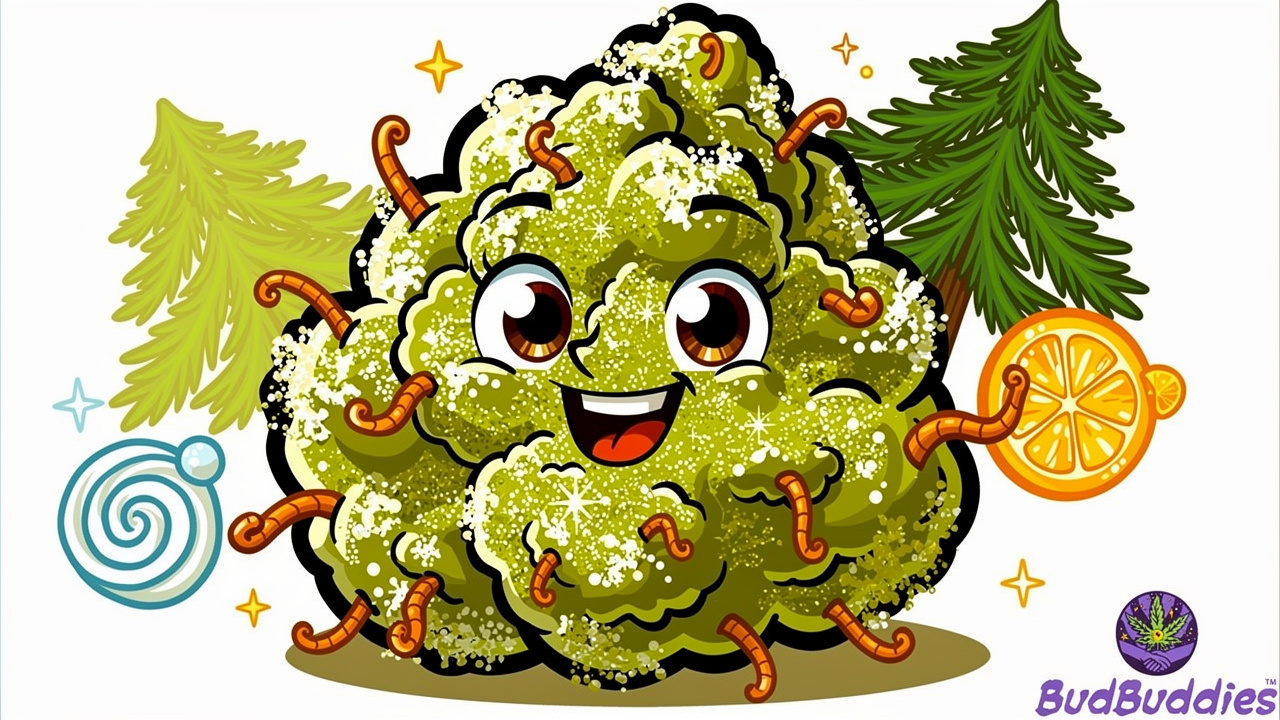
White Widow buds are dense, chunky, and instantly recognisable thanks to their heavy coating of white trichomes. The flowers themselves run from bright green to deeper olive tones, often threaded with orange or amber pistils. That crystalline layer is so thick it can make the buds look dusted with frost or fine sugar, a visual cue that hints at the resin and cannabinoid content underneath.
The aroma leans earthy and woody, with a distinct pine note that some phenotypes pair with subtle citrus or spice. On the exhale, the flavour mirrors that scent profile, delivering a peppery, slightly sweet finish that many long-time consumers find familiar and satisfying. It is a classic, old-school cannabis smell and taste rather than a fruity or dessert-style profile.
What Effects Does White Widow Produce?
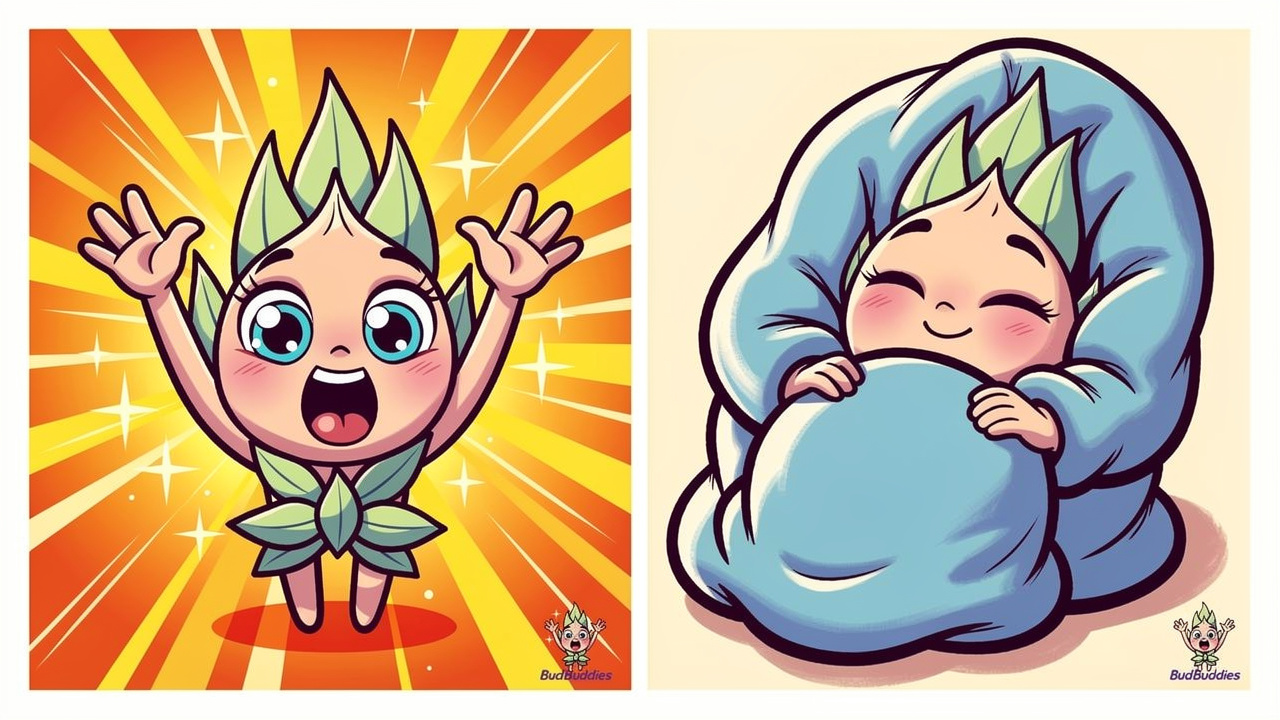
White Widow is known for a dual-phase high that moves from an energising mental lift into a settled physical calm. The experience typically opens with a rush of euphoria and mental clarity, often described as uplifting rather than jittery or scattered. Many people report feeling more sociable and talkative in the first phase, which is part of why the strain has long been a favourite for gatherings and creative projects. Focus and a sense of motivation tend to show up early too, making it a strain some reach for during daytime tasks that need a bit of mental spark.
As the high progresses, a gentle body relaxation sets in, easing physical tension without tipping into heavy sedation or what is often called couch lock. This means consumers can generally stay functional and present rather than feeling pinned to the sofa. The balance between these two phases is the main reason White Widow has stayed popular across such a wide range of consumers for so long. It appeals equally to those wanting a productive afternoon and those winding down in the evening.
Individual response always varies though, shaped by tolerance, body chemistry, dose, and even mood going into the session. Two people trying the exact same batch can walk away with noticeably different experiences. Because of this, treat any description of effects as a general guide rather than a guarantee. Pace consumption accordingly, especially the first time you try a new batch or format.
How Strong Is White Widow? THC and CBD Levels Explained

White Widow typically tests between 15% and 25% THC, depending on the phenotype and how it was grown, and understanding how strong 25% THC actually feels can help set realistic expectations compared with many classic hybrids. CBD content is usually low, often under 1%, since this strain was bred with recreational potency in mind rather than a balanced cannabinoid ratio. That THC figure only tells part of the story though, since the terpene profile shapes how the high actually feels.
At BudBuddies, the guiding philosophy is simple: THC sets the ceiling, terpenes set the tone.
That means aroma compounds like myrcene and pinene shape mood and intensity just as much as the raw percentage on the label, a point reinforced by research showing that doubling THC dose produced only a modest 15% stronger high in test subjects. Anyone newer to White Widow should start with a small amount and check the full lab report before buying, rather than judging potency by THC alone.
How Should You Choose the Right White Widow Format?

Choosing how to consume White Widow comes down to balancing onset speed, duration, and how discreet you need the experience to be.
Dried flower: delivers the fastest onset, usually within minutes, and lets you feel the full aroma and flavour profile as intended.
Vapes: offer a similarly quick onset with far less odour, which suits anyone who wants convenience without drawing attention.
Edibles: take anywhere from thirty minutes to two hours to kick in, but the effects tend to last considerably longer once they do.
Concentrates: sit at the other end of the scale, offering much higher potency for consumers who already know their tolerance well and want a stronger, more efficient experience.
If discretion matters most, vapes and edibles generally leave less smell behind than smoking flower does. If speed and control matter most, flower and vapes make it easier to judge your dose as you go, since you feel effects almost immediately.
Whichever format appeals, it is worth comparing lab reports and terpene breakdowns before deciding, since two products with the same THC figure can feel quite different. This detail is listed on every product page, alongside value options like Popcorn Nugs for shoppers who want quality genetics without paying full price per gram.
Who Is White Widow Best Suited For?
White Widow suits a genuinely wide range of consumers, which is part of why it has stayed relevant for so long. Its balanced profile works for social daytime use, when a clear-headed lift and a bit of chattiness feel welcome, and it also eases nicely into a relaxed evening without tipping into heavy sedation. Newcomers often find it approachable once they manage their dose sensibly, while experienced consumers appreciate its dependable, well-rounded character.
It has also earned a strong reputation among growers for being resilient and relatively easy to manage, with a flowering time of around eight to nine weeks indoors and generous yields under the right conditions. That reliability at the growing stage is part of why supply has stayed consistent for decades, keeping this strain widely available rather than a rare or seasonal find.
The Takeaway
White Widow remains a genuine benchmark hybrid, decades after its first Amsterdam breeding, precisely because it delivers balanced effects that suit so many different moods and consumers. Its frosty appearance, earthy pine character, and dual-phase high have influenced countless strains that followed it, yet the original still holds its own against newer, flashier hybrids.
If you want to try it for yourself, browse BudBuddies’ lab-tested White Widow listings and compare formats side by side before deciding which one fits your routine. Every order ships in discreet, smell-proof packaging with tracked delivery, and BudPoints reward you on every purchase, so quality, privacy, and value all arrive together in one straightforward experience.
Frequently Asked Questions
Is White Widow Good for Beginners?
Yes, with care. White Widow’s THC typically sits in a moderate to high range, so newcomers should start with a small amount and wait to feel the effects before having more. Its balanced profile makes it approachable once the dose is managed sensibly, offering an uplifting start followed by gentle relaxation.
What Strains Are Similar to White Widow?
Several well-known hybrids share its genetics, including White Rhino, White Russian, and Blue Widow, alongside newer balanced hybrids bred from similar lineages, such as strains combining ruderalis, indica, and sativa genetics. All three carry a similar frosty, resin-heavy appearance and a comparable balanced effect profile, since breeders used White Widow as the foundation when developing them.
Does White Widow Make You Sleepy or Energetic?
It leans energetic and social at the start, with an uplifting, clear-headed onset rather than a groggy one. As the high settles, gentle physical relaxation follows, but White Widow is not typically associated with heavy sedation or couch lock.
How Long Do White Widow’s Effects Last?
Flower and vapes generally last one to three hours, while edibles can run four to six hours or longer due to their delayed onset. Individual tolerance, dose, and the format chosen all affect how long the effects stick around.
Can You Grow White Widow at Home?
Yes, it has a strong reputation for being resilient and manageable, suiting novice and experienced growers alike. Indoors, it typically flowers within eight to nine weeks and produces generous yields, making it a dependable choice for home cultivation setups.

