


Why Do I Feel Sick After Smoking Weed?
Introduction
Feeling sick after smoking weed can feel scary and confusing, especially when it hits out of nowhere. Many people quietly type “why do I feel sick after smoking weed” into a search box because they do not want to talk about it out loud. The truth is that this reaction is very common, and there are clear reasons behind it.
The rough spinning feeling, the sweaty hands, the racing thoughts all have explanations. Different bodies react differently, and things like dose, timing, and product quality matter a lot. You are not weak or broken if weed sometimes makes you feel awful.
In this guide, we will unpack what greening out actually is, why your body sometimes says “enough”, what to do if you feel unwell right now, and how to avoid a repeat next time. You will also see how choosing carefully tested products from BudBuddies can make sessions steadier and easier to predict.
Keep reading, take a breath, and go step by step. A calmer, smoother high is much closer than it feels in the moment.
What Is Greening Out and What Does It Actually Feel Like?
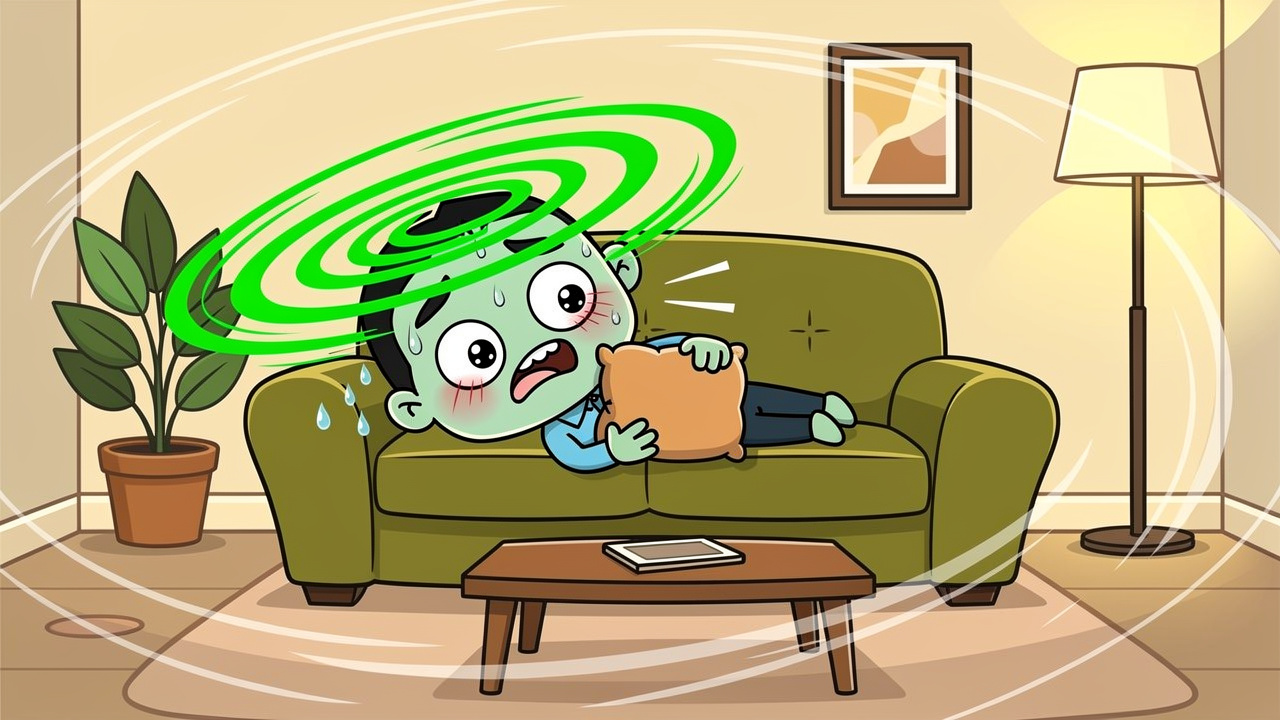
Greening out is the name often used when someone feels very unwell after having more THC than their body can comfortably handle. It is the short answer when you ask yourself why do I feel sick after smoking weed. It is usually not dangerous for healthy people, but it can feel intense and deeply unpleasant while it lasts.
THC attaches to cannabinoid receptors in your brain and body. When the dose is higher than your system likes, those receptors become overstimulated. According to the National Institute on Drug Abuse, average THC levels in cannabis have climbed from around 4 percent in the mid‑1990s to more than 15 percent in recent years, which helps explain why strong reactions are now more common.
So how does greening out actually feel in real life? The mix of symptoms varies from person to person, but most people recognise several of these:
Nausea and vomiting are probably the best known signs of greening out. The stomach can feel tight and unsettled, and some people find the sight or smell of food makes things worse for a while. For many, being sick once brings some relief, then the nausea gradually eases.
Dizziness and feeling like the room is spinning often appear alongside nausea. Standing up quickly can make everything tilt or go black around the edges for a moment. This happens because THC can lower blood pressure at the same time as it raises heart rate.
Pale, clammy skin and sweating are very common when someone has overdone it. Friends might say you look “white as a sheet” or talk about you having a whitey. The body is working hard to stabilise itself, and that effort shows up through cold sweat and shaky hands.
Anxiety, racing thoughts and even short bursts of panic can appear during a green out. The mind starts to focus on every strange body sensation, which then makes those sensations feel stronger. This feedback loop is a big part of why greening out feels worse than a simple hangover.
Confusion, heavy limbs and feeling detached from your surroundings are also widely reported. People describe it as feeling “stuck” in their body or as if time has slowed right down. Lying down in a quiet, low‑light space usually helps these feelings pass more quickly.
Why Do You Feel Sick After Smoking Weed? The Main Causes
If you keep asking yourself why do I feel sick after smoking weed, the answer almost always comes back to a mix of dose, tolerance, product strength and your physical state on the day. The good news is that each of these can be adjusted. Once you know which factors affect you most, it becomes much easier to avoid a repeat.
The most common cause is simply too much THC in one go. Modern flower, vapes and concentrates can be very strong. Research from the European Monitoring Centre for Drugs and Drug Addiction shows that average THC levels in European herbal cannabis roughly doubled between the mid‑2000s and the mid‑2010s, so an amount that felt fine years ago may now hit much harder.
Tolerance also matters a lot. If you are new to weed, or you have taken a long break, your endocannabinoid system is more sensitive. That means a couple of strong puffs that a long‑time user barely notices can leave you sweaty and nauseous. Even experienced people can be tripped up after a few weeks off.
Research also shows that Psychosomatic Illness Induced by chronic marijuana use can amplify physical symptoms through both psychological and physiological mechanisms, which helps explain why anxiety and nausea so often occur together. Some of the most common triggers include:
High dose in a short time
How fast you smoke plays a part as well. Taking several deep hits in quick succession floods your system before your brain has time to catch up. Bongs, dabs and some high‑strength vapes deliver dense clouds that can push you into a green out before you realise you are past your comfort point.Empty stomach, dehydration or low energy
Your basic body state is another quiet factor. Smoking on an empty stomach, or when you are already tired and dehydrated, raises the chance of feeling rough. Low blood sugar plus THC can leave you wobbly, shaky and queasy. According to NHS advice on cannabis, eating and drinking water beforehand helps soften these effects.Stress, anxiety and social pressure
The mind and body are much more connected than they feel in the moment. If you tend towards anxiety, or if you are in an odd social setting, THC can turn that background worry into full‑blown panic. Once the heart starts to race and breathing becomes shallow, nausea often follows.Smoke, heat and tobacco
Smoke itself can be part of the problem, especially in joints that include tobacco. Combustion produces hot, harsh particles that irritate your throat and lungs. Nicotine can cause its own wave of dizziness and sickness, especially if you are not a regular smoker, so some “weed sickness” is really tobacco sickness in disguise.
Finally, a quick but important note for anyone who feels very sick from cannabis on a regular basis. Cannabinoid Hyperemesis Syndrome (CHS) is a pattern of repeated heavy vomiting and abdominal pain in long‑term, frequent users. The Mayo Clinic describes hot baths giving brief relief as a classic sign. If that sounds familiar, speaking to a GP is a wise next step.
Does the Method You Use Make a Difference?
The method you use to consume weed plays a big part in how likely you are to feel ill. Different formats change how fast THC reaches your bloodstream and how intense it feels, which feeds straight into the question of why do I feel sick after smoking weed.
When you smoke a joint, effects start within a few minutes and peak quite quickly, and research on Impacts of vaping and marijuana use on airway health confirms that the method of inhalation meaningfully affects how the body responds. Dry herb vapes feel similar in timing but are usually gentler on the chest because they heat rather than burn the flower. Vapes that use THC distillate can be very strong per puff — a concern underlined by research on the Accuracy of labeled THC potency across flower and concentrate cannabis products — so it is easy to take more than you meant to if you inhale deeply several times in a row.
For reference, many people notice:
Smoked or vaped flower: effects within 2–10 minutes, peak around 30 minutes
THC vapes or dabs: effects within a couple of minutes, often very strong
Edibles: effects after 30–120 minutes, with a longer, heavier peak
Edibles are a different game. THC passes through the stomach and liver first, so it can take anywhere from 30 minutes to 2 hours before you feel much. According to guidance from NHS, the effects from eaten cannabis also last longer than smoked weed. Many green outs from edibles happen because people assume nothing is happening, eat more, then both doses land at once.
If you know smoke itself leaves you coughing or queasy, it can be worth exploring smoke‑free options from BudBuddies such as THC drinks, vapes and clearly dosed edibles. That way you can still enjoy cannabis while avoiding some of the irritation that comes with combustion.
What to Do If You’re Already Feeling Sick
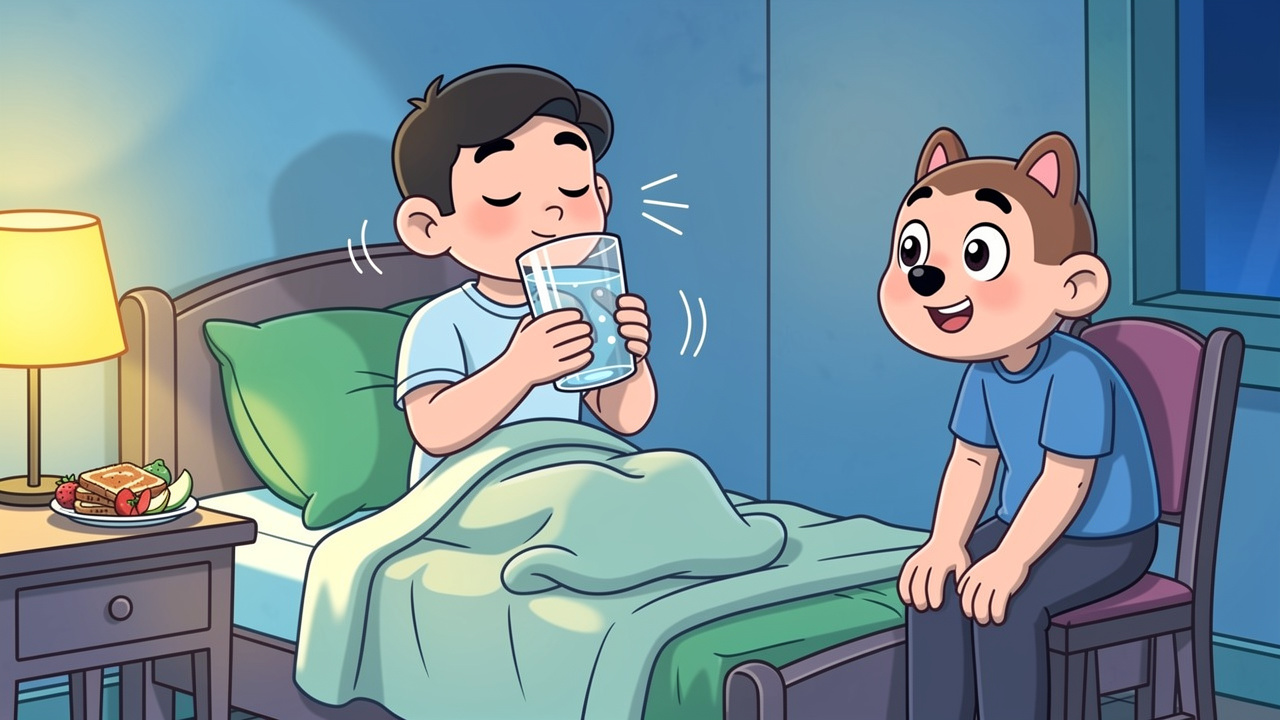
If you are mid‑session and suddenly thinking “why do I feel sick after smoking weed”, the priority is to slow everything down and give your body a chance to catch up. Most green outs feel worst for a short period, then ease. According to the National Institute on Drug Abuse, effects from smoked cannabis usually peak within about 30 minutes and fade over the next 1 to 3 hours.
When the wave hits, you might feel as if you need to fix it instantly. In reality, the kindest thing you can do is remove extra stress and let your system settle. Simple steps make a big difference:
Stop consuming straight away, even if friends are still passing something around. Adding more THC at this point almost always makes the situation worse, not better. You can always come back to cannabis another day when you feel steady again.
Move to a calm, cool and familiar space where you can sit or lie down. Busy music, bright lights and noisy chat can all ramp up anxiety, which then increases nausea. A quiet bedroom or sofa with dim lighting helps your nervous system slow down.
Sip water slowly rather than gulping large amounts in one go. Small, regular sips help with dryness and dehydration without upsetting your stomach further. Avoid alcohol and energy drinks, which can both raise your heart rate and make you feel more wired.
Eat something light and simple when you feel able, such as toast, a biscuit or a piece of fruit. Gentle carbohydrates can help lift low blood sugar, which often sits beneath that shaky, sweaty feeling. Heavy or greasy foods can be harder to manage while you feel rough.
Focus on slow, counted breathing to steady your mind. Breathing in through the nose for four counts, holding for four, then breathing out for four gives your mind something practical to do. Many people find that once the panic eases, the stomach settles too.
Let someone you trust know how you feel. Having a calm friend nearby to keep an eye on you, grab water or remind you that the feeling will pass can make the experience much less frightening.
Some people find relief from sniffing or chewing whole black peppercorns, a trick often shared by experienced smokers. The terpene beta‑caryophyllene in pepper interacts with some of the same receptors as THC. If you have CBD oil or CBD hemp flower from BudBuddies handy, a small dose may also take the edge off a too‑intense high for some users.
As many harm‑reduction workers like to say, “You cannot rush THC out of your system, but you can make yourself more comfortable while it wears off.”
If chest pain, very fast heartbeat, breathing trouble or loss of consciousness appear, or if other substances were involved, it is sensible to seek medical help. Most green outs pass on their own, but your safety and comfort always come first.
How to Avoid Feeling Sick Next Time
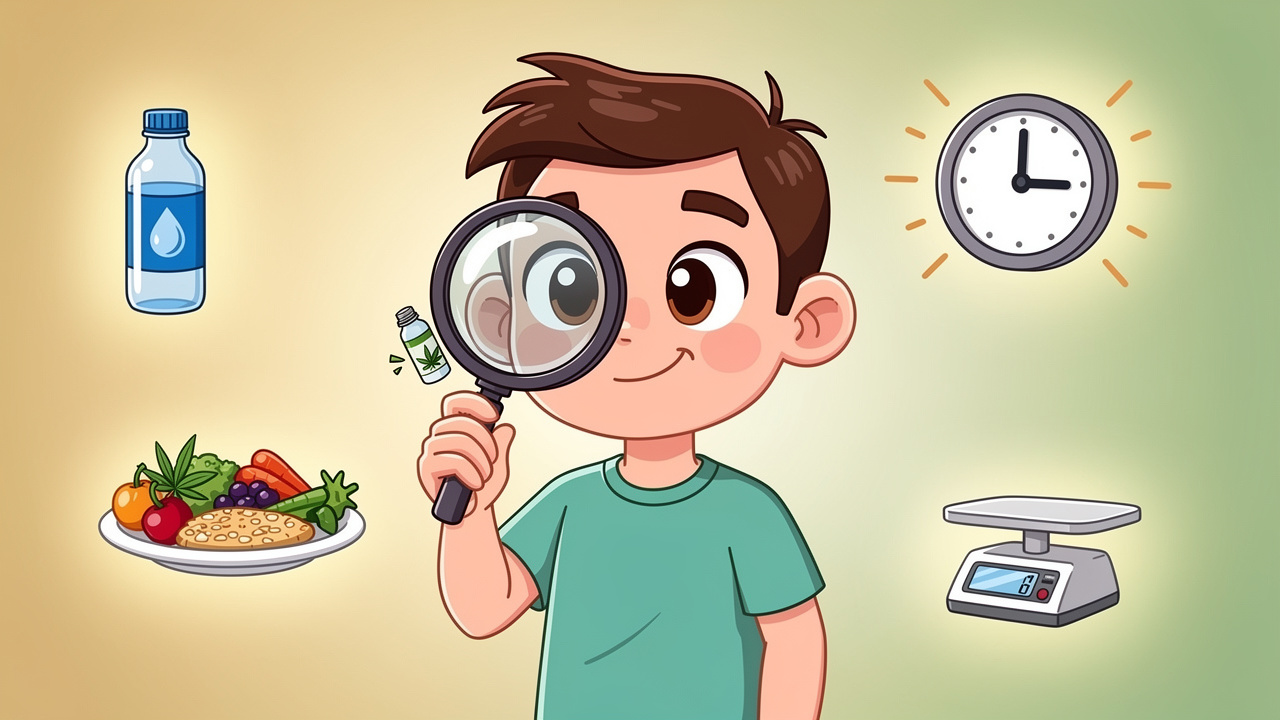
Preventing the next bout of “why do I feel sick after smoking weed” comes down to a mix of dosing, timing, product choice and listening to your body. Small changes in each area can add up to a much calmer session.
Start low and go slow, especially with a new strain or format. Take one or two small puffs, then wait at least fifteen to twenty minutes before having more. With edibles, wait a full two hours before deciding whether to top up, because they take longer to show effects according to NHS guidance.
“Start low and go slow” is common advice from doctors and harm‑reduction services when people are trying cannabis.
Check the THC strength of what you are using rather than guessing. BudBuddies uses independent lab tests and double potency checks so that a flower listed at 20 percent THC is genuinely around that mark. Clear labels help you choose the right starting amount for your tolerance.
Support your body beforehand. Drink water, have a normal meal and avoid starting when you already feel exhausted or run down. This simple routine cuts the risk of dizziness and low blood sugar, which both link closely to nausea.
Keep cannabis and alcohol separate, especially if you know you are sensitive. Alcohol helps THC move into the bloodstream faster, which is why mixing the two so often leads to a heavy whitey. If you want to experiment with both at some point, spacing them out on different evenings is much kinder to your system.
Pay attention to the format that suits you best. If smoke or tobacco seem to trigger sickness, consider BudBuddies edibles, THC drinks or vapes as alternatives. For very sensitive users, CBD hemp flower from BudBuddies offers a gentler option that feels familiar without the same psychoactive intensity.
Keep track of what works for you. A simple note on your phone about strain, dose, method and how you felt can help you spot patterns and avoid repeating a bad experience.
On top of this, BudBuddies offers a clear cannabis dosing guide at budbuddies.cc and beginner‑friendly edible options from around 5 to 10 mg THC per piece. That structure removes much of the guesswork that often leads to overdoing it.
The Right Cannabis Makes More Difference Than You Might Think
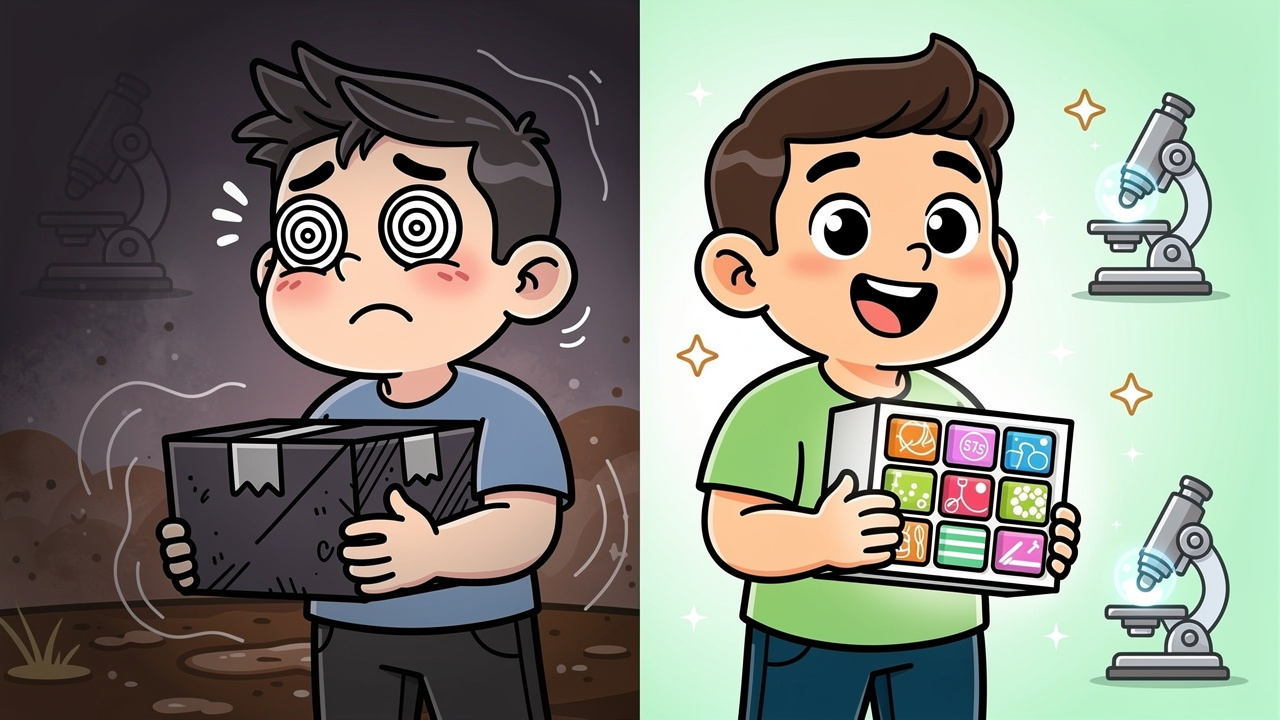
Feeling sick after smoking weed is usually a sign that something about the dose, product or timing did not suit your body that day. It does not mean cannabis can never work for you. With better information and a couple of tweaks, many people move from rough sessions to steady, enjoyable ones.
BudBuddies focuses on lab‑tested, clearly labelled products across flowers, vapes, edibles, THC drinks and CBD hemp flower. That curated range means you can match format and strength to your comfort level instead of rolling the dice on mystery batches. From lower‑strength options for cautious newcomers to AAAA+ flower for experienced smokers, there is space for every kind of session.
If you are ready to leave random whiteys behind, exploring the BudBuddies range is a simple next step towards calmer, more predictable highs.
Frequently Asked Questions
Question: Can you feel sick from weed even if you’ve smoked it before without any problems?
Answer: Yes, you can suddenly feel sick even if weed has always felt fine before. A stronger batch, a new strain, a tolerance break or using a different method like vapes or edibles can all change how your body responds and tip you into a green out.
Question: How long does greening out last?
Answer: Greening out usually feels worst for thirty to sixty minutes, then gradually eases. Most people feel noticeably better within a few hours as THC levels in the blood drop. Resting somewhere calm, sipping water and eating a light snack normally helps the recovery along.
Question: Is Cannabinoid Hyperemesis Syndrome (CHS) the same as greening out?
Answer: No, CHS is different from a one‑off green out. Greening out is a short, dose‑related reaction that settles by itself. CHS involves repeated cycles of severe vomiting and stomach pain in long‑term heavy users, often eased briefly by hot baths. That pattern needs a GP assessment.
Question: Does CBD help if you feel too high or sick after smoking weed?
Answer: Many people report that CBD takes the edge off feeling too high, and early research from World Health Organization reviews suggests CBD has calming properties. Having CBD hemp flower or CBD products from BudBuddies nearby can be a practical way to soften an intense THC session.
Question: Why does mixing weed and alcohol make you feel so much worse?
Answer: Alcohol increases how quickly THC reaches your brain, so the high comes on faster and stronger. This sudden spike is a classic trigger for spinning rooms, nausea and vomiting, often called a whitey. Keeping cannabis and alcohol apart is one of the simplest ways to avoid feeling that rough.
This guide is for general information only and does not replace medical advice. If cannabis often makes you unwell, speaking with a healthcare professional is a sensible step.


