


Why Do I Shake When High? Causes, Safety and Fixes
Introduction
Feeling your hands or body tremble after cannabis can be unsettling, especially if you catch yourself thinking, why do I shake when high. The feeling can arrive fast and make a chill session feel anything but relaxed.
That sudden shaking often comes with racing thoughts and worry. Many people fear it means something is seriously wrong or that the feeling will never stop.
Weed shakes are usually your body reacting to more THC than it likes at once, not a lasting problem. This guide explains what weed shakes are, why they happen, how long they last, what to do right now, and how BudBuddies products may help you avoid them. Keep reading for calm, practical answers.
What Are Weed Shakes And Why Do They Happen?
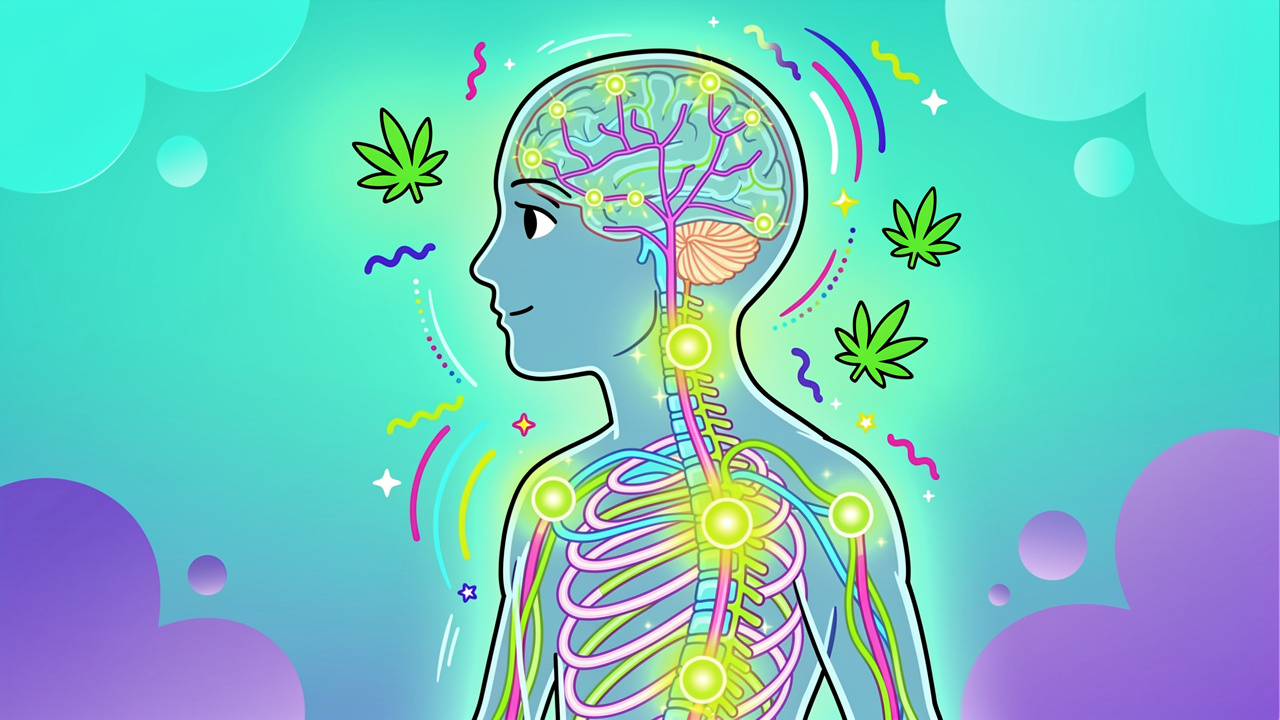
Weed shakes are episodes of involuntary trembling that appear after cannabis use when THC temporarily overstimulates your nervous system. In most people this reaction feels intense but settles as the effects wear off.
So if you are wondering why do I shake when high, the short explanation is that your body has reached its comfortable THC limit. Shakes are a sign that your system feels overwhelmed, not that it is damaged. According to NIDA, modern cannabis products often contain over three times the THC seen in the mid‑1990s, which makes overshooting your tolerance easier than many expect.
THC interacts with receptors in your endocannabinoid system, which sits across your brain, muscles and nerves. In balanced amounts this interaction feels relaxing or uplifting. When the dose is too strong for you, that same system can misfire and send jittery, shaky signals through your muscles.
As the physician Paracelsus famously said:
“The dose makes the poison.” — Paracelsus
That line captures weed shakes well. The substance is the same; it is the amount that changes how you feel.
Several common triggers tend to combine during a shaky high. When you understand these, the experience feels less mysterious and much less frightening.
Excess THC intake often sits at the centre of weed shakes. A strong bong hit, a powerful vape cartridge or a misjudged edible can place far more THC into your bloodstream than your body finds comfortable, especially with high strength products.
Anxiety can join in and make everything feel worse. THC can raise your heart rate and, in some people, sharpen worries. That can set off your fight or flight response and a rush of adrenaline, which Mayo Clinic notes is a classic cause of trembling even without cannabis.
Body changes also play a part. Cannabis can slightly lower core temperature, which may set off shivers. Using cannabis on an empty stomach can push your blood sugar down, and low blood sugar is well known to cause shaking. Mixing in caffeine or energy drinks stacks stimulation on top of THC and can tip you into visible tremors.
Who Is Most Likely To Experience Weed Shakes?
People with lower tolerance, higher sensitivity or extra stress are the ones most likely to shake. That does not mean something is wrong with them, only that their personal limits sit a little lower.
Newcomers are naturally near the top of the list. So are people coming back after a long break, because tolerance drops quite quickly when you stop. Even a dose that once felt mild can suddenly feel far stronger after time away.
Those using a new format, such as moving from flower to highly concentrated vapes or strong edibles, also see more shakes. It is very easy to underestimate a gummy that looks that looks small and friendly. According to Health Canada, edibles can take up to two hours to peak, so many people redose too soon and only realise later.
Anxiety‑prone people and anyone already stressed before they use are also more vulnerable. Mind reports that around one in six adults in England lives with a common mental health problem each week, so this group is large. Finally, using cannabis on an empty stomach or when dehydrated makes shakiness more likely, because blood sugar and fluid levels are already low.
Typical risk factors for weed shakes include:
Little or no cannabis experience
Returning after a long break
Switching to stronger products or concentrates
Pre‑existing anxiety or stress
Empty stomach, dehydration or low blood sugar
Combining cannabis with caffeine or other stimulants
How Long Do Weed Shakes Last And Are They Dangerous?
Weed shakes usually last only as long as your body is handling the strongest part of the THC effect. For most people that means discomfort measured in minutes, not hours, although edibles can stretch things out.
With smoked or vaped cannabis the effect rises quickly and fades relatively fast. Research from Health Canada notes that inhaled cannabis effects usually last two to four hours in total. The sharpest part arrives early, so shaking linked to inhalation often settles within about twenty to thirty minutes as your system steadies itself.
Edibles work very differently. THC passes through your stomach and liver before reaching the bloodstream, so the effect climbs more gently and lasts longer. Shakes linked to edibles can linger for an hour or more, especially if you have eaten a high dose. The overall high can last four to twelve hours, which is why careful dosing matters so much here.
Most of the time weed shakes are not dangerous on their own — the Tremor – Brain, Spinal Cord, and Nerve Disorders overview from Merck Manuals confirms that most tremors are benign and resolve without treatment. They are uncomfortable and alarming, yet they usually mean, quite simply, that you have had more THC than your nervous system enjoys. As the THC level drops, the shaking fades.
There are, however, moments when seeking medical help is the safest choice. These are not about mild trembling; they are about serious warning signs that could point to something else.
If shaking comes with chest pain, severe tightness or a feeling that your heart may stop, treat that as urgent.
If you struggle to breathe, feel like you might pass out, or someone with you loses consciousness, call 999 straight away.
If you have a known heart condition, very high blood pressure or diabetes and feel far worse than a standard high, getting checked is sensible.
When speaking with medical staff, say clearly that you have used cannabis. According to NHS guidance on general poisoning and substance issues, honest information helps teams rule out serious problems more quickly and support you properly.
How To Stop Weed Shakes And What To Do Right Now
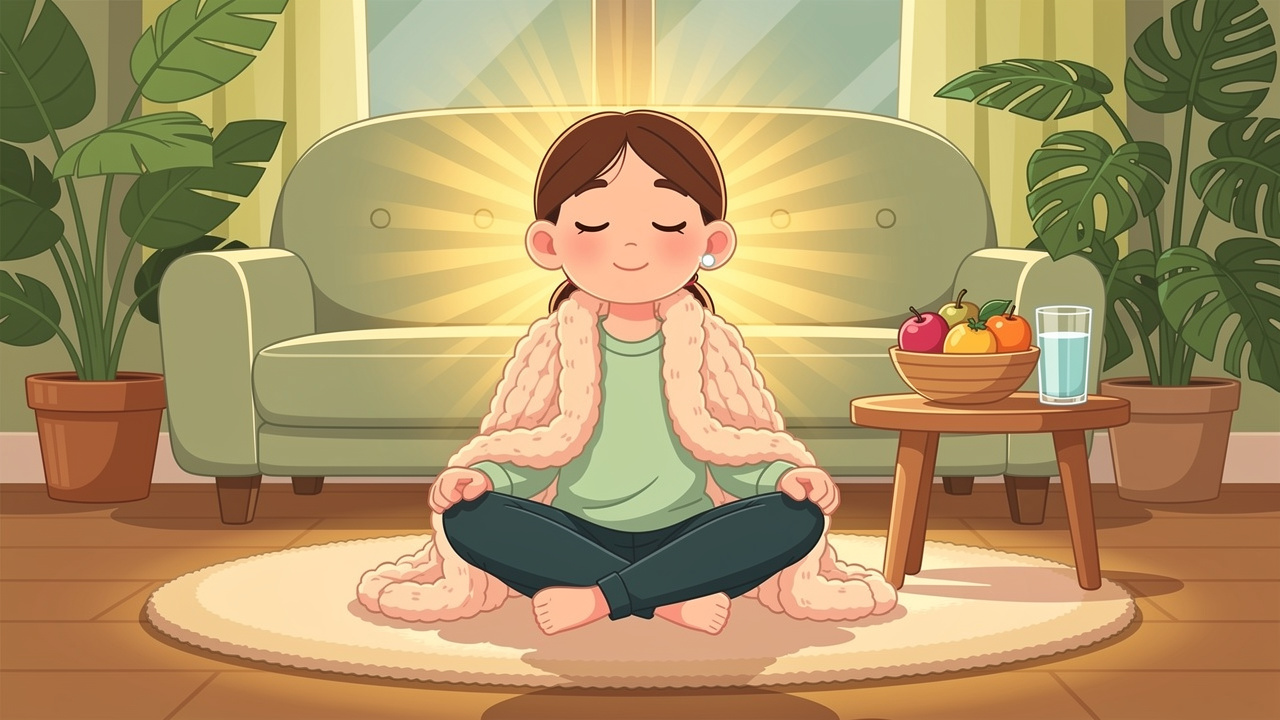
Stopping weed shakes in the moment is about calming both your mind and your body while your system processes the THC. If you are sat there thinking why do I shake when high right now, you can follow a few simple steps to feel steadier.
Many experienced cannabis users share one simple tip:
“Go lower than you think you need, then wait longer than you think you should.”
The same slow, steady mindset helps when you are already too high. Try this step‑by‑step approach:
Remind yourself it is temporary.
Tell yourself, out loud if needed, that the shaking will pass. You are feeling a strong drug effect, not permanent damage. Naming what is happening (“this is just THC and anxiety”) often takes some fear away.Get comfortable and warm.
Find a quiet space where you feel safe, sit or lie down, and wrap up in a jumper or blanket if you feel cold. Feeling physically secure often softens the mental spiral and reduces shivering.Slow your breathing.
Breathe in through your nose for four seconds, hold for four, then breathe out gently for six. Repeat for a few minutes. Slow, even breaths encourage your body to move from fight or flight back towards its rest state, which reduces adrenaline and with it some of the shaking.Support your blood sugar and hydration.
Have a light snack, such as fruit, toast or a biscuit. A small amount of sugar can help lift low blood sugar, which Cleveland Clinic lists as a classic cause of tremors. Sip water regularly. Avoid caffeine or alcohol, as both can make your heart race more.Use grounding tricks.
Many cannabis users like a few simple tricks that redirect the senses. Some keep black peppercorns nearby. Gently smelling or chewing one or two can feel grounding. Black pepper contains the terpene beta‑caryophyllene, which research in the British Journal of Pharmacology links to cannabinoid receptors, and some people find it softens THC’s edge.Consider CBD if you already use it.
CBD can also help some users when a high feels too strong. Studies summarised by the National Library of Medicine note that CBD shows promise for reducing anxiety at moderate doses. If you already use CBD oil, a measured dose during an intense high may take the psychological heat out of the moment. BudBuddies stocks a range of CBD oils and teas that many customers use specifically for calm, clear evenings.Reach out to someone you trust.
If you are with a trusted friend, tell them what is happening and ask them to keep you company. Quiet conversation, a favourite film or calming music can distract your attention from the shakes until they fade. If you are alone and feel overwhelmed, calling someone you trust and talking through what you feel can be just as soothing.
If at any point your symptoms feel severe or you notice warning signs like chest pain or trouble breathing, seek medical help rather than trying to ride it out alone.
How To Prevent Weed Shakes In Future Sessions
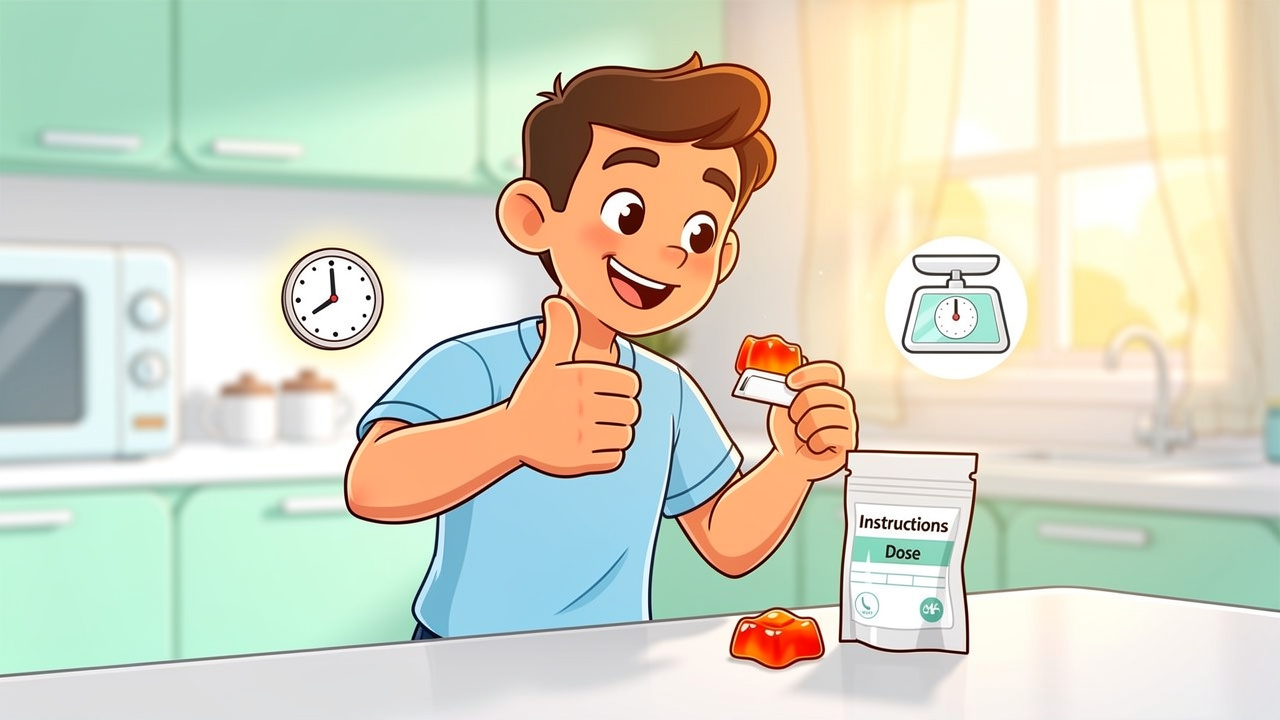
Preventing weed shakes in the future comes down to matching your dose, product and setting to what your body actually likes. Once you have asked yourself why do I shake when high, the next goal is avoiding the same situation next time.
The golden rule is simple: start low and go slow every time you try a new product, strength or format. With edibles, a first dose, a first dose of 2.5 to 5 milligrams of THC is a sensible starting point for many adults. Wait at least ninety to one hundred and twenty minutes before adding more. This matches guidance from Health Canada, which highlights the slow, long‑lasting effect of edibles.
Knowing the strength of what you are taking matters just as much. Data from NIDA show that average THC content in seized cannabis rose from around four percent in the mid‑1990s to over fifteen percent in recent years. That jump means older rules of thumb, such as how much a joint used to affect you, may no longer fit. Choose clearly labelled products so you are not guessing.
BudBuddies is built around that kind of clarity. Every flower strain, whether a classic like Gelato or a fruity option like Blueberry Haze, is presented with information about THC percentage and dominant terpenes wherever possible. Precisely dosed gummies, chocolates and drinks on BudBuddies.cc display THC per piece, which makes it easier to track how much you are taking instead of estimating.
Other small habits also make a big difference:
Eat a normal meal first.
Have proper food before you use cannabis so your blood sugar stays steady and THC absorbs more gently.Go easy on stimulants.
Avoid mixing cannabis with lots of caffeine, especially energy drinks, because the combined stimulation increases jitters.Choose a calm setting.
Favour relaxed, familiar spaces, particularly if you know you are anxious by nature. A quiet living room with people you trust is kinder to your system than a crowded, noisy space.Respect tolerance and mood.
If you have had a stressful day, slept badly or taken a break from cannabis, treat yourself as lower tolerance than usual and reduce your dose.
If you already know you are sensitive to THC, consider products with more CBD. BudBuddies offers high‑CBD, low‑THC flower, CBD oils and balanced THC:CBD edibles. Many customers find these give a calmer, more controlled effect with far less chance of shaking. And if you are unsure where to start, the BudBuddies customer support team can discuss formats, strengths and pacing so you can plan sessions that feel enjoyable instead of unpredictable.
The Final Word On Weed Shakes
Weed shakes feel intense in the moment, yet they are usually a temporary reaction to more THC than your body finds comfortable. Once the peak passes, the trembling fades and your system settles.
The real answer to why do I shake when high often lies in dose, product strength, empty stomachs and a touch of anxiety. With better information and a little planning, most people can avoid that uncomfortable edge entirely.
BudBuddies focuses on clearly labelled products and plain English guidance so you can choose formats and strengths that suit your tolerance. With the right support, your next session can feel calm, steady and far more predictable.
Frequently Asked Questions
Question: Can weed shakes happen even if you’re an experienced cannabis user?
Yes, experienced users can still get weed shakes. A stronger than usual strain, a new vape, a high dose edible or using cannabis when tired or stressed can all push past your usual tolerance. Familiarity helps, yet it does not guarantee protection from an occasional shaky session.
Question: Does CBD help with weed shakes?
CBD can help some people feel calmer when a high feels too strong. Research reviewed by the National Library of Medicine suggests CBD may reduce anxiety at certain doses. Many users find a measured CBD oil dose or a balanced THC:CBD product softens racing thoughts and physical tension during uncomfortable highs.
Question: Should I stop using cannabis if I keep getting the shakes?
Repeated shakes usually mean your current dose or product is not a good match for you. Reducing your dose, choosing lower THC or high CBD options and spacing sessions out are sensible first steps. If you still feel shaky, taking a break and reviewing your habits is worth serious thought. If you have any underlying health issues, discussing your cannabis use with a healthcare professional is wise.
Question: Can eating before consuming cannabis prevent the shakes?
Eating before cannabis use often helps reduce shaking. A proper meal stabilises blood sugar and slows THC absorption, which smooths the effect. Many people who ask why do I shake when high realise later that they had not eaten for hours. A simple plate of food beforehand can make a big difference.
Question: Are weed shakes the same as cannabis withdrawal symptoms?
No, weed shakes happen during or shortly after use when your body has more THC than it enjoys. Withdrawal symptoms appear when a heavy, regular user stops or cuts down sharply. Those effects can include irritability, sleep problems and mood changes, but they follow a different timeline and cause.
If you are unsure whether you are feeling acute effects or withdrawal, tracking when symptoms appear in relation to cannabis use and speaking with a health professional can provide clarity.


