


Why Edibles Last Longer Than Smoking Explained
Introduction
Many people notice that an edible high lingers far longer than a quick smoke or vape.
That difference can feel puzzling, especially when a tiny gummy outlasts several bowls of flower.
Put simply, the reason why edibles last longer than smoking comes down to basic biology. When you eat cannabis, THC moves through the stomach and liver, where much of it turns into a stronger form called 11-hydroxy-THC. Smoked cannabis travels straight from the lungs into the bloodstream, reaches the brain within minutes, and then fades within a few hours. This guide breaks down those processes step by step, using clear language and real science.
Once you understand what your body is doing, dosing, timing, and choosing BudBuddies edibles all feel simpler and calmer.
How Your Body Processes Edibles Vs. Smoked Cannabis
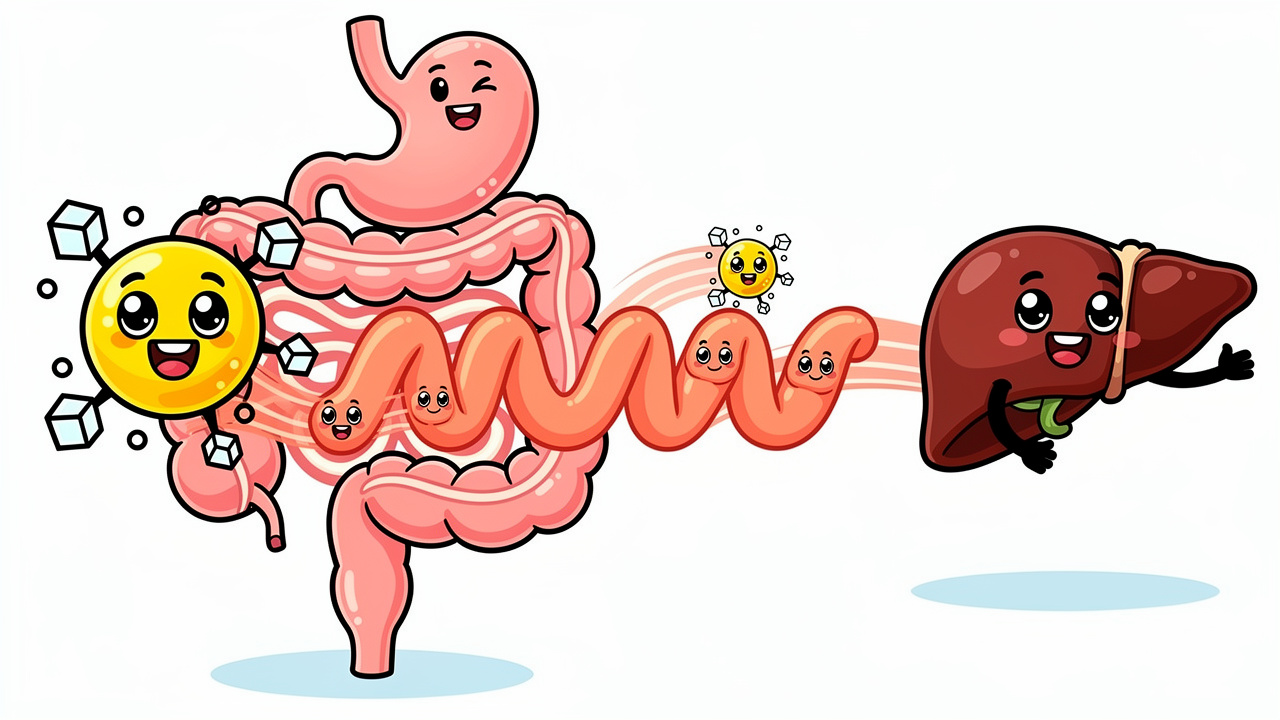
How your body handles edibles versus smoked cannabis comes down to two very different routes into your bloodstream. These routes explain why smoking hits quickly, while edibles build slowly and stay with you for much longer.
When you smoke or vape, THC travels through lung tissue straight into your blood. Tiny air sacs called alveoli give THC a huge contact area, so it reaches the brain within minutes. According to NIDA, inhaled THC usually peaks in the blood within about ten minutes, with noticeable effects easing after roughly two to three hours. That is why a smoke feels easier to judge in real time.
“Effects from inhaled cannabis can be felt within seconds to minutes and may last 2–3 hours.”
— National Institute on Drug Abuse (NIDA)
Edibles follow a slower road, and as outlined in research covering Tasty THC: Promises and Challenges of Cannabis Edibles, the unpredictable onset and absorption of oral cannabis is one of the most consistently documented challenges consumers face. THC in a brownie or gummy first meets the acid and enzymes in your stomach. It then moves into the small intestine, where it passes through the gut wall into blood vessels that feed the liver. Only after that first liver stop can THC travel out to the rest of your body and up to your brain. This whole process commonly takes thirty to one hundred and twenty minutes.
Several personal factors can stretch or shorten that window, including:
Metabolism: Faster metabolisms tend to move food along more quickly.
Body fat: Higher body fat gives THC more places to sit in the body.
Stomach contents: A big meal delays onset; an empty stomach can speed things up and make effects feel sharper.
General health and medications: Liver function and certain medicines can change how THC is processed.
For anyone moving from smoking to edibles, this delay is where most surprises start. The key is to expect the wait, rather than treat it as a product problem, especially when you choose clearly labelled gummies or chocolates from BudBuddies.
Why The Digestive Route Takes So Much Longer
The digestive route takes longer because your body has several jobs to do before THC can reach your brain.
First, it must break the edible apart, separating THC from fats, sugars, and other ingredients. That starts in the stomach and continues in the small intestine, and it never happens instantly.
Next comes a chain of internal steps:
Absorption in the gut: THC dissolved in fats is absorbed through the walls of the small intestine.
Portal circulation: Absorbed THC travels through a special blood flow from the gut to the liver called portal circulation.
Liver processing: The liver acts like a processing hub, changing a large share of THC instead of simply passing it through.
Release to the bloodstream: Only after this first-pass through the liver does processed THC move into the wider bloodstream.
A full stomach slows every stage, while a light snack gives a steadier, slightly gentler onset. There is no fast lane through this system, which is why edible cannabis naturally takes more time to start and lasts far longer once it does.
The Liver’s Role: Why 11-Hydroxy-THC Changes Everything
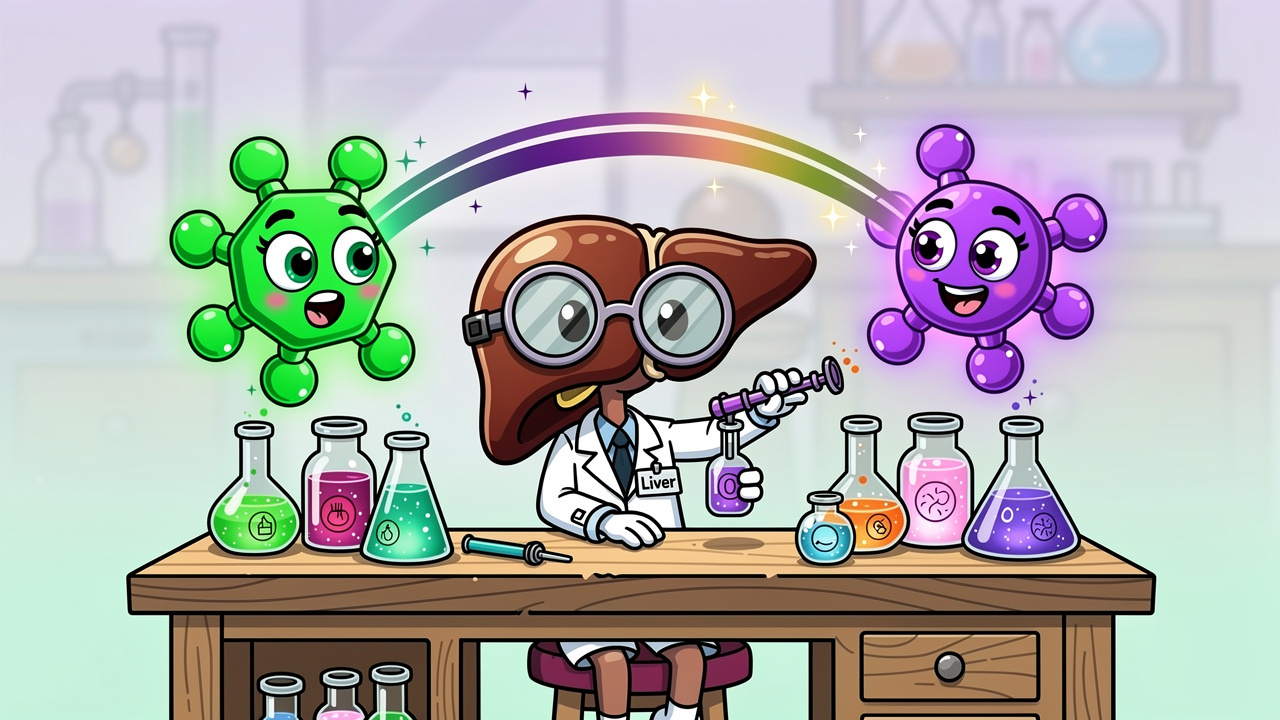
The liver changes the THC in edibles into 11-hydroxy-THC, and that single step explains much of the longer, deeper edible high. Smoked cannabis rarely creates the same level of this metabolite.
When THC from an edible reaches the liver, enzymes such as CYP2C9 and CYP3A4 go to work. They convert delta-9-THC, the plant form, into 11-hydroxy-THC. A review in the British Journal of Clinical Pharmacology notes that oral THC produces higher levels of this metabolite than inhaled THC, which helps explain stronger and longer effects. This is known as first-pass metabolism, and it sits at the centre of edible science.
11-hydroxy-THC passes into the brain more easily than plain delta-9-THC. It binds strongly to CB1 receptors in the endocannabinoid system, which are particularly dense in brain regions linked with mood, memory, and perception. Research overviewed by the National Academies of Sciences links this receptor activity with the classic cannabis effects people recognise, such as euphoria and an altered sense of time. Because 11-hydroxy-THC stays active in the blood for longer, those effects naturally last longer too.
With smoking, the picture looks different. Inhaled THC mostly slides past the liver on its first circuit, so delta-9-THC reaches the brain in its original form. Only a smaller share is converted to 11-hydroxy-THC later. The result is a fast lift, a clear peak, and a quicker slide back to baseline.
For the user, this chemistry shows up as a contrast between a lighter, head-focused smoke and a heavier, body-centred edible experience. Knowing that difference comes from metabolism, not from one product being “too strong”, can make choosing between BudBuddies flowers, vapes, and edibles feel far more deliberate.
How Long Do Edibles Actually Last Compared To Smoking?
The length of an edible high compared with smoking is mainly shaped by onset speed and how long 11-hydroxy-THC stays active. Smoked cannabis wears off in a few hours, while edibles often keep working throughout an afternoon or evening.
Guides from Healthline describe smoked cannabis as having:
Onset: two to ten minutes
Peak: around twenty to thirty minutes
Duration: one to three hours
The same source notes that edibles often show:
Onset: thirty to ninety minutes
Peak: between two and four hours
Duration: four to twelve hours, with a mild afterglow for some people
Here is a simple side-by-side view:
| Format | Onset | Peak Effects | Typical Duration |
|---|---|---|---|
| Smoking or vaping | 2 to 10 minutes | 20 to 30 minutes | 1 to 3 hours |
| Standard edibles | 45 to 120 minutes | 2 to 4 hours | 4 to 12 hours |
These are averages, not promises for every person, and research on Effects of naturalistic doses of cannabis edibles confirms that cognitive and blood-THC responses vary widely between individuals. Metabolism, body weight, tolerance, and liver enzyme activity all matter. Two friends eating the same BudBuddies gummy can have different start times and different end times. A higher dose stretches the window as well, especially with edibles, where the liver keeps feeding 11-hydroxy-THC into the blood.
Stomach content is another steady influence. An edible taken after a hearty dinner may not peak until three hours later, which is perfect for a slow evening. The same dose on an empty stomach might peak sooner and feel more intense. For many regular BudBuddies customers, that long, smooth curve is exactly why edibles work so well for film nights, quiet weekends, or steady relief.
How To Dose Edibles Sensibly — And Where BudBuddies Makes It Easier
Sensible edible dosing turns the longer duration from a worry into a benefit. The aim is to match the slower onset and stronger 11-hydroxy-THC effect with calm, measured amounts.
Public health guidance from bodies such as Health Canada suggests beginners start around 2.5 to 5 milligrams of THC per dose, which lines up well with modern cannabis education. That may sound tiny to an experienced smoker, yet through the liver it can feel surprisingly present. The main mistake people make is assuming nothing is happening at the forty-minute mark, then eating more just as the first piece is about to land — a risk explored in detail in Homemade vs Store-Bought Edibles: Dosing, Safety, and What to Know, which highlights how inconsistent dosing is a leading cause of overconsumption.
“Start low and go slow” is a standard harm-reduction tip repeated by many cannabis educators and public health agencies.
A simple dosing approach helps:
Start small. Begin with a low, measured portion such as 2.5 or 5 milligrams of THC. Treat the first few sessions as experiments rather than a test of how high you can get. This mindset makes it easier to notice details such as how quickly you come up and how comfortable the peak feels.
Wait long enough. Give yourself at least two full hours before thinking about more. Set a timer if you tend to lose track of time. This gap covers even slow digestion after a meal, which avoids the classic double-dose situation that leaves people uncomfortable. If you still feel underwhelmed after the wait, increase by a small step next time instead of stacking doses on the same night.
Keep simple notes. Jot down the product, the amount, what you had eaten, and how the effects progressed. After a few sessions you will see clear patterns, which makes future planning far more straightforward and less based on guesswork.
This is where BudBuddies quietly shines. Every edible on budbuddies.cc lists THC content per piece and per pack in clear figures, from gentle options around 2 to 5 milligrams up to stronger pieces for seasoned consumers. Products are lab tested, with clear batch information, so a favourite gummy behaves the same from one order to the next. Discreet packaging and tracked delivery in the UK and Northern Ireland add peace of mind, particularly for privacy-minded readers.
The Final Word On Why Edibles Last Longer

The central reason edibles last longer than smoking is that they take the long digestive route and pass through the liver first. That route turns delta-9-THC into 11-hydroxy-THC, which reaches the brain more efficiently and stays active for many hours.
Once you respect that timing, longer-lasting edibles become easier to live with and plan around. Low starting doses, patient gaps between servings, and clearly labelled products remove most of the drama. When those products come from BudBuddies, with careful strength ranges and clear education, you can explore the slower side of cannabis with far more confidence.
Frequently Asked Questions
Question 1: Why do edibles feel stronger than smoking even at the same dose?
Edibles feel stronger because the liver turns THC into 11-hydroxy-THC, which affects the brain more efficiently. The same milligram amount can therefore feel deeper and more physical than smoked cannabis. The slower climb also gives a long plateau, so the “strong” feeling lasts longer than a short smoking peak.
Question 2: Can eating before taking an edible reduce how long it lasts?
Eating before an edible slows digestion, which often delays onset and softens the peak slightly. The total length of the experience may not shrink by much, but the climb usually feels steadier. Many newcomers prefer a light meal beforehand so the effects build more gradually and feel easier to read.
Question 3: How long should I wait before taking a second edible dose?
You should wait at least two full hours before thinking about a second edible dose. That window covers normal digestion and the start of 11-hydroxy-THC effects. If you are trying a new BudBuddies product or have not used edibles for a while, giving yourself the full two hours is the safest approach.
Question 4: Do cannabis beverages from BudBuddies work the same way as solid edibles?
BudBuddies cannabis drinks still pass through the stomach and liver, so the same 11-hydroxy-THC process applies. Liquids may start a little faster than brownies or biscuits, as the body absorbs them more quickly. Even so, onset is still far slower than smoking and you should keep the same patient dosing habits. Each drink on budbuddies.cc carries clear THC figures.
Question 5: Why do experienced smokers sometimes get overwhelmed by edibles?
Experienced smokers can feel overwhelmed because smoking tolerance does not fully cover the liver route. Their bodies are used to quick peaks of delta-9-THC, not long waves of 11-hydroxy-THC. Treating the first few BudBuddies edibles as if you were brand new, with low doses and plenty of time, keeps that surprise to a minimum.


