


Weed Withdrawal Night Sweats: Why They Happen & How to Cope
Waking up drenched in sweat after cutting back on weed can feel alarming, especially at three in the morning with damp sheets and a racing mind. Weed withdrawal night sweats are one of the most commonly reported symptoms among people who reduce or stop regular cannabis use, and they can catch even experienced consumers off guard. The good news is that this reaction is well understood, temporary, and rarely a sign of anything serious.
This guide walks through why weed withdrawal night sweats happen, what other symptoms tend to show up alongside them, and roughly how long the whole process takes. We’ll also cover practical ways to cope, from simple bedtime adjustments to gradual tapering strategies, including where BudBuddies‘ lab-tested CBD and low-THC range can offer gentle support during this adjustment period. Whether you’re taking a planned tolerance break or cutting down for the first time, understanding what’s happening in your body makes the whole experience far less daunting.
Read on for a clear, practical breakdown of what to expect and how to get through it comfortably.
Key Takeaways
Weed withdrawal night sweats are a normal, temporary part of cutting down or stopping cannabis, not a sign of illness.
They happen because THC stored in fat cells releases slowly into the bloodstream, disrupting temperature control.
Symptoms usually peak around day four and mostly settle within 10 days, though mild effects can linger longer.
Good sleep hygiene, hydration, and patience make the discomfort far more manageable.
Lab-tested CBD products and gradual tapering can offer gentle support for sleep during this stretch.
What Causes Night Sweats During Weed Withdrawal?
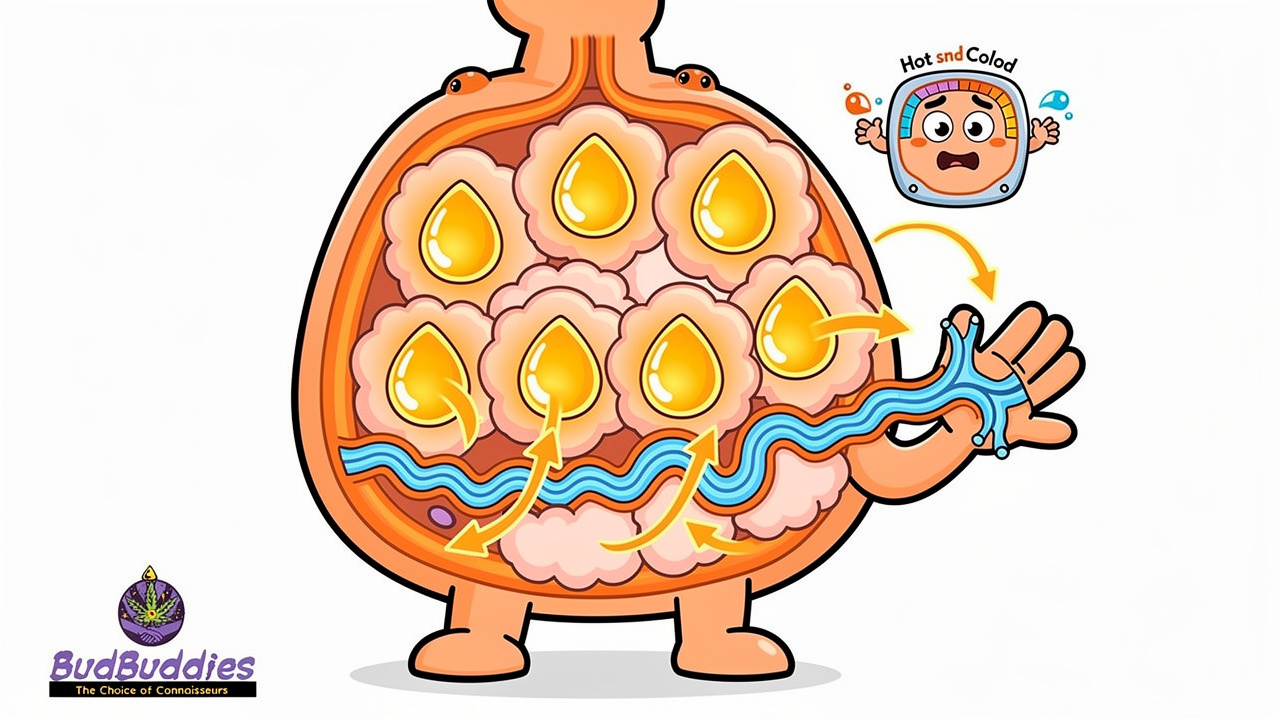
Weed withdrawal night sweats happen because THC, the main psychoactive compound in cannabis, is fat-soluble and gets stored in fat cells rather than flushed out quickly like water-soluble substances. When you cut down or stop, these stored cannabinoids release back into the bloodstream gradually over several weeks rather than all at once. This slow, drawn-out release keeps your body processing THC long after your last session, which is part of why the symptoms don’t just vanish overnight.
This ongoing process affects the endocannabinoid system, a network in the body that helps regulate mood, appetite, sleep, and body temperature, with research showing night sweats after quitting typically peaking within days three to seven of cessation. As it recalibrates without regular cannabinoid input, temperature control can become unpredictable, swinging between overheating and chills, particularly while you sleep and your body is already adjusting naturally. That flu-like swing between hot and cold is exactly what produces the sweating.
What Other Symptoms Come With Night Sweats?
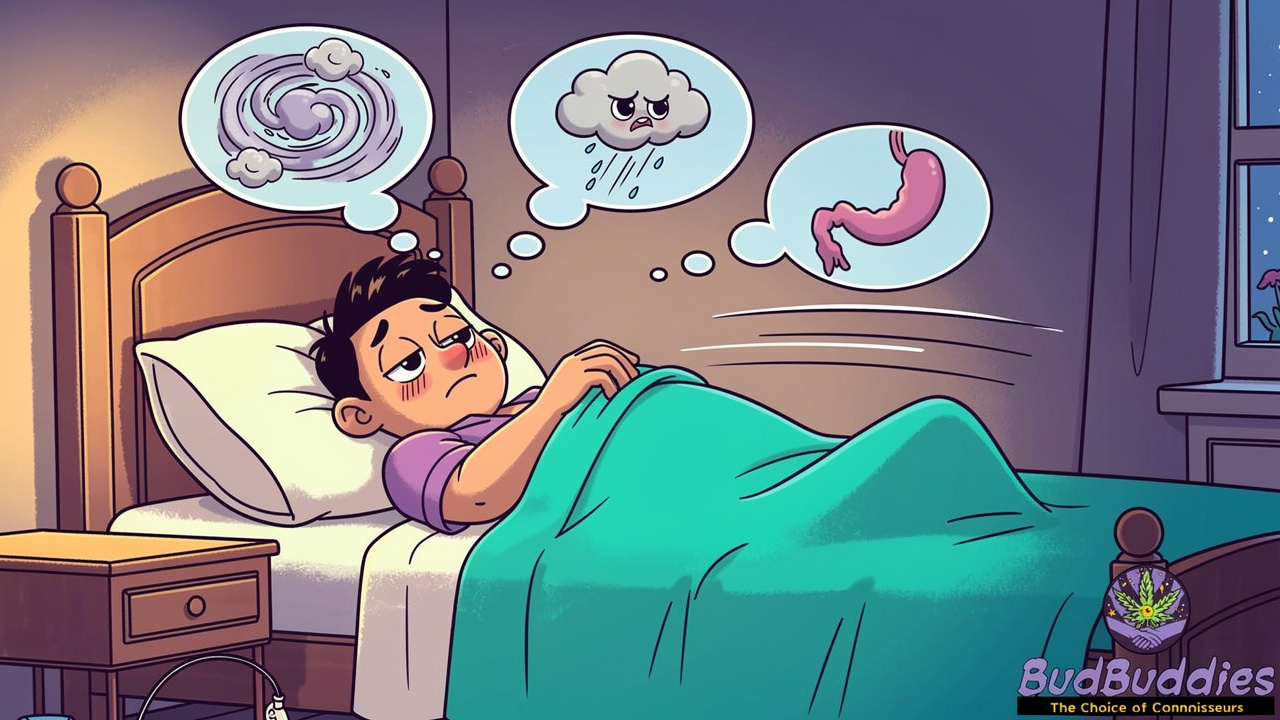
Night sweats during cannabis withdrawal rarely turn up alone. They’re usually one part of a wider cluster of symptoms that appear together during the first week or two of cutting down, which is why this period can feel harder than expected. Alongside the sweating, many people notice disrupted sleep, unusually vivid or strange dreams, restlessness, irritability, and shifts in appetite or nausea.
Sleep problems, including trouble falling or staying asleep, especially for those who used cannabis as part of their bedtime routine.
Vivid or unsettling dreams, which tend to fade within about a week.
Anxiety, restlessness, and short temper, alongside changes in appetite or mild stomach upset.
Because these symptoms tend to overlap, the first few days can feel like a proper flu, even though nothing infectious is actually going on, a pattern consistent with documented marijuana withdrawal symptoms such as aggression, anxiety, and insomnia.
How Long Do Weed Withdrawal Night Sweats Last?

Weed withdrawal night sweats typically follow a fairly predictable pattern, which makes the process much easier to plan around. Symptoms usually begin within a day or two of cutting down, reach their most intense point around day four, and then start easing off. For most people, the bulk of withdrawal symptoms, including the sweating, resolve within about 10 days, though some mild effects can linger for up to four weeks as fat cells finish releasing stored THC.
How long this stretch lasts for you depends on a few things. Frequency and duration of previous use play a big part, since heavier or longer-term consumption means more THC built up in fat stores. Whether you stop abruptly or taper gradually also matters, with cold turkey generally producing sharper, more intense symptoms than a slower reduction.
How Can You Cope With Night Sweats and Related Sleep Problems?
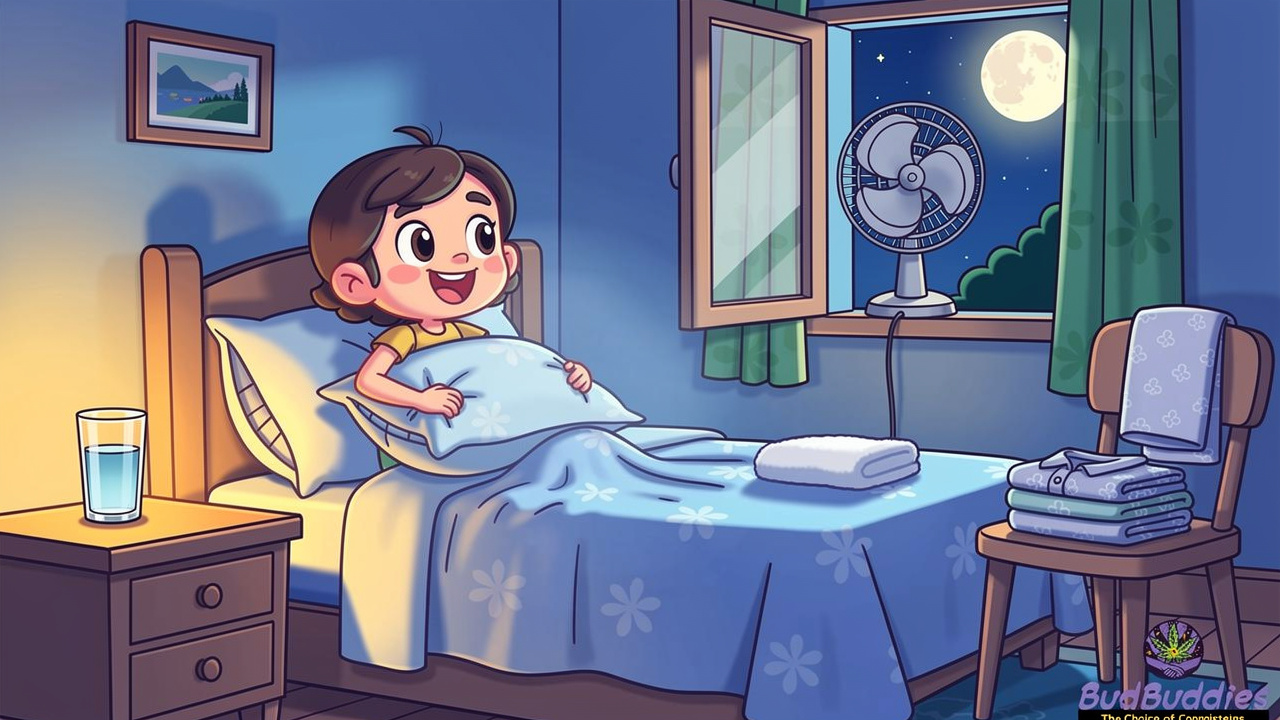
Coping with weed withdrawal night sweats comes down to treating your body much like you would during a mild flu, focusing on comfort, hydration, and rest while your system finishes recalibrating. The same basic self-care that gets you through a cold works well here, and pairing it with steady sleep habits helps address the disrupted rest that so often comes with it.
Stay hydrated throughout the day and before bed, since sweating causes fluid loss that needs replacing for your body to regulate temperature properly.
Dress in breathable, moisture-wicking sleepwear and use layered bedding you can add or remove easily during the night.
Keep the bedroom cool with a fan or a slightly open window, and have spare pyjamas or a towel nearby for quick changes.
Use over-the-counter pain relief such as paracetamol or ibuprofen if aches, headaches, or muscle pain accompany the sweats.
Rest gently rather than pushing through intense exercise while your body is dealing with flu-like symptoms.
Keep a consistent sleep and wake time, even when sleep feels broken, since this trains your body’s natural rhythm.
Build a calming bedtime routine, such as a warm bath or reading, and put screens away at least half an hour before bed.
Get outside during the day, since natural light supports better sleep at night and can ease some of the accompanying anxiety.
Can Tapering Down Instead of Quitting Cold Turkey Help?
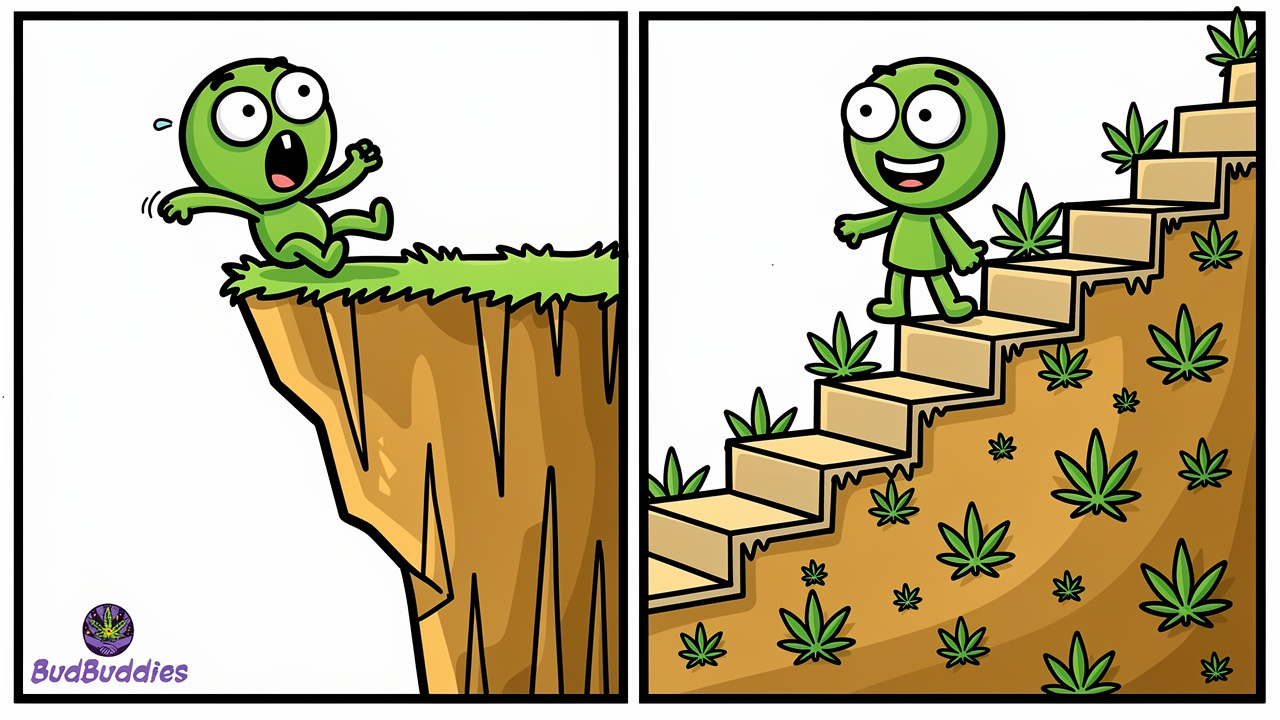
Tapering down gradually rather than stopping cannabis all at once tends to produce noticeably milder withdrawal, including less intense night sweats. Because THC builds up in fat stores over time, a slower reduction gives your endocannabinoid system a gentler runway to adjust, rather than a sudden shock to its normal balance.
For anyone planning this kind of measured approach, BudBuddies offers a few relevant options:
CBD oils, gummies, and vapes formulated for sleep and relaxation.
CBD flower and balanced CBD to THC strains suited to those wanting to step down THC intake without cutting cannabis out entirely.
A Weed Tolerance Calculator and Beginner Tolerance Break Guide to help map out a realistic reduction schedule.
Lab-tested potency with clear COAs (certificates of analysis), so you always know exactly what you’re taking, which matters when precise dosing is the goal.
When Should You Seek Extra Support?
Weed withdrawal night sweats are almost always mild and short-lived compared with withdrawal from substances like alcohol or opioids, so most people manage them at home with rest and patience. That said, it’s worth knowing when the situation calls for a bit more help than self-care alone can offer.
“Most people experience very mild withdrawal symptoms during a cannabis tolerance break. Unlike other substances, cannabis withdrawal is typically limited to temporary sleep changes and mild irritability that resolve within days.” — Dr Ryan Vandrey, Johns Hopkins School of Medicine
If symptoms feel severe, drag on well past the usual four-week window, or start affecting your daily life, a GP or local drug and alcohol support service can offer guidance suited to your situation. Reaching out isn’t a sign of failure, just sensible care during a genuine physical adjustment.
Putting It All Together
Weed withdrawal night sweats are an uncomfortable but entirely ordinary sign that your body is recovering its natural balance after regular cannabis use. They peak early, usually settle within a couple of weeks, and respond well to simple self-care, patience, and consistent sleep habits rather than anything drastic.
If you’re navigating a tolerance break or a gradual reduction, giving your body time and support makes a real difference. BudBuddies’ lab-tested CBD and low-THC range, alongside its tolerance break guides and dosing tools, can offer steady, trustworthy support while your system finds its footing again.
Frequently Asked Questions
Can Night Sweats Mean You’re Detoxing From Weed Too Quickly?
No, night sweats simply reflect fat cells releasing stored THC back into your bloodstream, not a sign you’re doing anything wrong. This release happens at its own pace for everyone, so there’s no need to rush the process or worry that sweating faster or slower means something’s off.
Do Night Sweats Happen With All Cannabis Products, Including Edibles and Vapes?
Withdrawal severity links more closely to how often and how much cannabis you’ve used than to the specific product format. Lower-potency products or less frequent dosing, regardless of whether it’s flower, edibles, or vapes, tend to produce milder symptoms, including gentler night sweats, than heavy daily use.
Are Night Sweats Worse For Heavy Or Long-Term Users?
Generally, yes, heavier and longer-term users tend to notice more pronounced night sweats during withdrawal. This ties back to fat storage, since regular heavy use allows more THC to accumulate in fat cells over time, which then takes longer to fully release.
Can CBD Help With Night Sweats During A Tolerance Break?
CBD isn’t a treatment for withdrawal itself, but it can support relaxation and better sleep quality while your body adjusts. The brand’s sleep-focused CBD oils and gummies pair well with good sleep hygiene, offering gentle, lab-tested support rather than a quick fix.
Should You Change Your Bedding Or Sleepwear During Withdrawal?
Yes, switching to breathable, moisture-wicking fabrics and keeping spare bedding or pyjamas nearby can make night sweats far less disruptive. Small practical changes like this help you get back to sleep quickly instead of lying awake in damp sheets.
How Do You Know If Night Sweats Are From Withdrawal Or Something Else?
Withdrawal-related night sweats usually appear alongside other symptoms, such as irritability, disrupted sleep, or vivid dreams, following reduced cannabis use. If sweating persists without any clear link to cutting down, or happens without other withdrawal signs, it’s worth checking in with a GP.

