


Weed and Glaucoma: What You Should Really Know
Many people have heard that weed and glaucoma are linked, and the question usually comes down to one thing: does cannabis actually help protect your eyesight? It’s a fair question, especially since the idea has floated around since the 1970s and still gets repeated today. The short answer is that cannabis can lower eye pressure for a few hours, but that’s a very different thing from being a workable treatment.
This article separates the genuine science from the outdated assumptions still doing the rounds. We’ll look at how cannabis affects intraocular pressure, why doctors don’t recommend it despite that effect, and where CBD fits into the picture. We’ll also cover what matters if you already use cannabis and happen to live with glaucoma, including why product quality makes a real difference. By the end, you’ll have a clear, current picture rather than a decades-old headline.
Key Takeaways
Cannabis can reduce eye pressure temporarily, but the effect wears off within a few hours.
Maintaining that effect would need dosing every three to four hours, which isn’t practical or safe.
Prescription eye drops and other established treatments outperform cannabis for long-term glaucoma control.
Cannabis should never replace a prescribed glaucoma treatment plan; always speak to your specialist.
If you use cannabis for any other reason, lab-tested products with clear potency labelling matter.
What Is The Link Between Weed And Glaucoma?
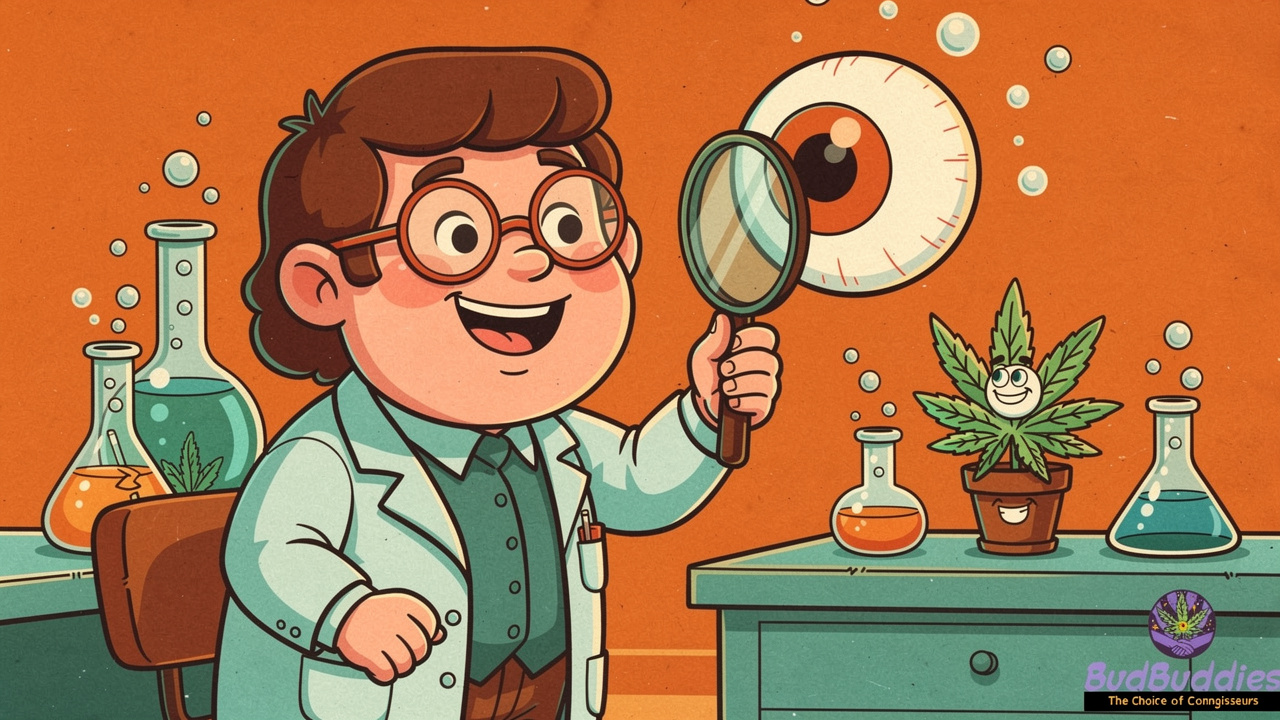
Glaucoma is a group of eye conditions that damage the optic nerve, usually because pressure inside the eye, known as intraocular pressure, builds up over time. Left unmanaged, this pressure can cause slow, permanent vision loss, which is why regular eye checks matter so much for early detection. The connection to cannabis isn’t new or speculative; it’s rooted in genuine research rather than internet folklore.
Back in the early 1970s, scientists discovered that smoking cannabis could measurably lower intraocular pressure, a finding later summarized in an overview of cannabinoid use for glaucoma that triggered decades of interest. It’s one of the reasons cannabis became associated with medical use in the first place, and glaucoma patients were often among the earliest groups considered for cannabis-based treatment in various places. That history still shapes public perception today, even though the clinical picture has moved on considerably since then.
How Does Cannabis Affect Eye Pressure?
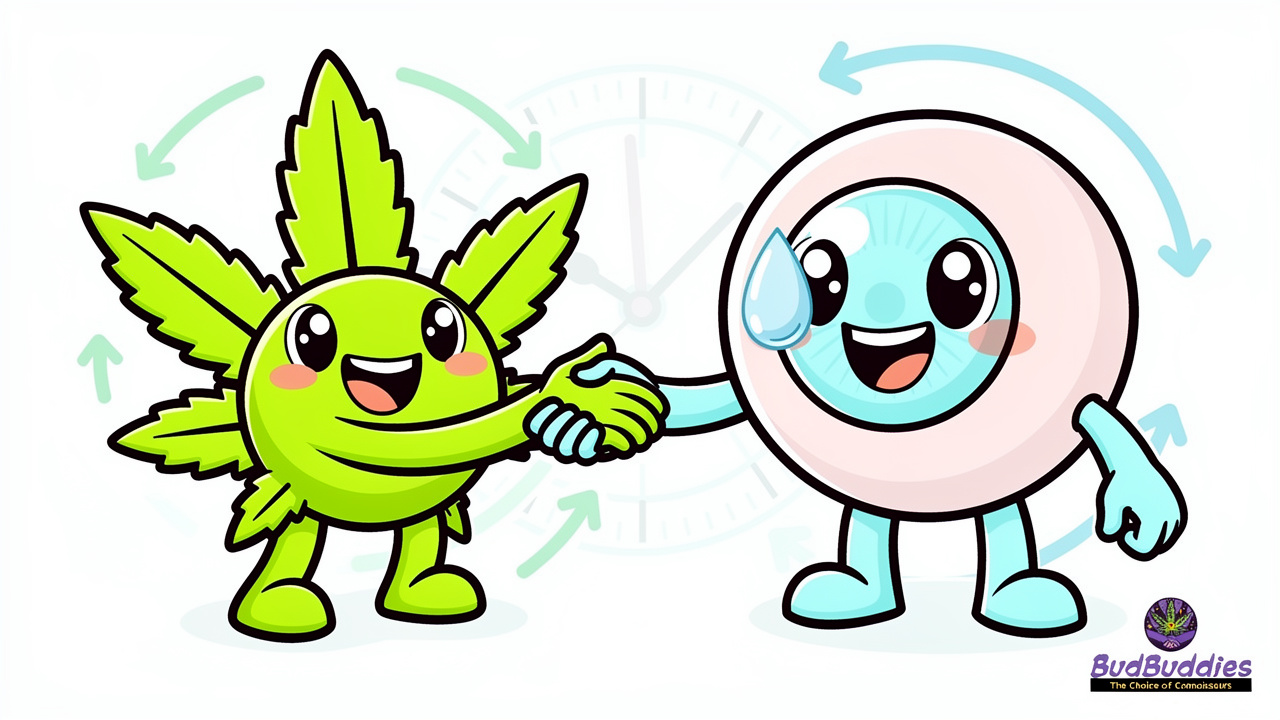
Cannabis affects eye pressure mainly through THC (tetrahydrocannabinol), the compound responsible for its psychoactive effects. THC binds to cannabinoid receptors inside the eye, particularly within the ciliary body, the structure that produces the fluid responsible for maintaining eye pressure. When THC interacts with these receptors, it appears to reduce fluid production or improve how it drains, and either mechanism brings pressure down.
The numbers here are genuinely notable:
Studies have shown THC can lower intraocular pressure by around 25 to 30 percent, a reduction described in a current review of cannabinoids and glaucoma treatment as comparable to some conventional medications on paper.
This drop in pressure typically lasts only three to four hours, which is a serious limitation for a condition that needs pressure control around the clock.
The catch is duration, and duration is precisely where the treatment case falls apart.
Why Isn’t Cannabis Used To Treat Glaucoma?
Cannabis isn’t used to treat glaucoma because the practical problems outweigh the temporary benefit, even though the pressure-lowering effect itself is real. Doctors need a treatment that controls pressure consistently, all day and all night, and cannabis simply can’t deliver that without causing other problems along the way. Major ophthalmology bodies, including organisations equivalent to the Glaucoma Research Foundation, have reviewed the evidence in a formal position statement on cannabinoids and glaucoma and concluded that cannabis doesn’t meet the bar for safe, effective long-term management. The reasoning breaks down into a few connected issues, which is why the topic deserves a closer look at dosing, tolerance, and how modern treatments compare.
The Dosing Problem

Because the pressure-lowering effect only lasts three to four hours, maintaining it would mean dosing every few hours, including through the night. That works out to roughly six to eight doses a day, every day, indefinitely. In practice, this means near-constant intoxication just to keep pressure under control, which isn’t realistic for anyone trying to work, drive, or live a normal life.
Tolerance And Long-Term Risk
Regular cannabis use also builds tolerance, meaning the same dose becomes less effective at lowering pressure over time. This pushes people toward higher, more frequent use just to get the same result, which isn’t a sustainable pattern. Chronic, frequent use also raises other health considerations, including effects on heart rate and blood pressure, which matter more for older adults, who make up most glaucoma patients.
How Do Prescription Treatments Compare?
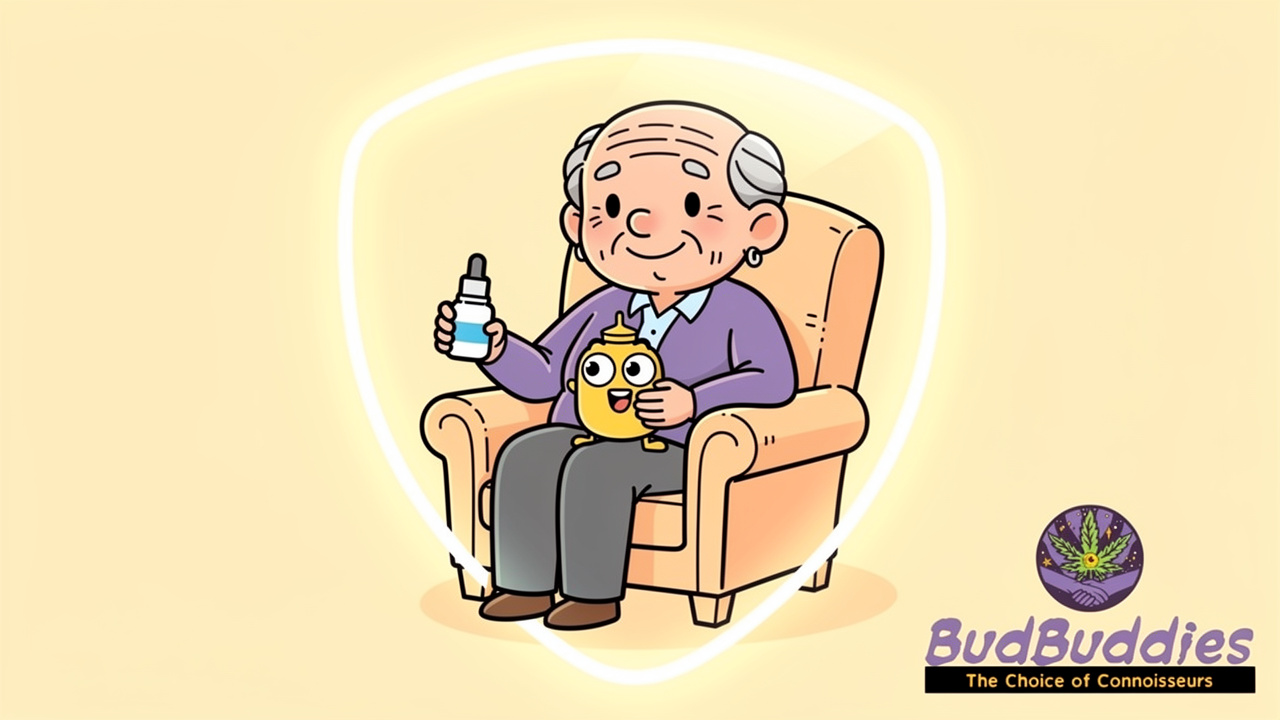
Prescription eye drops, by contrast, offer steady, all-day pressure control with just one or two applications daily. Options like prostaglandin analogues and beta-blockers were specifically designed for this job, and they’ve been refined over decades of clinical use. They also avoid any psychoactive side effects entirely, meaning patients can drive, work, and go about ordinary life without impairment while their eye pressure stays managed.
Does CBD Or Any Cannabinoid Help With Eye Pressure?
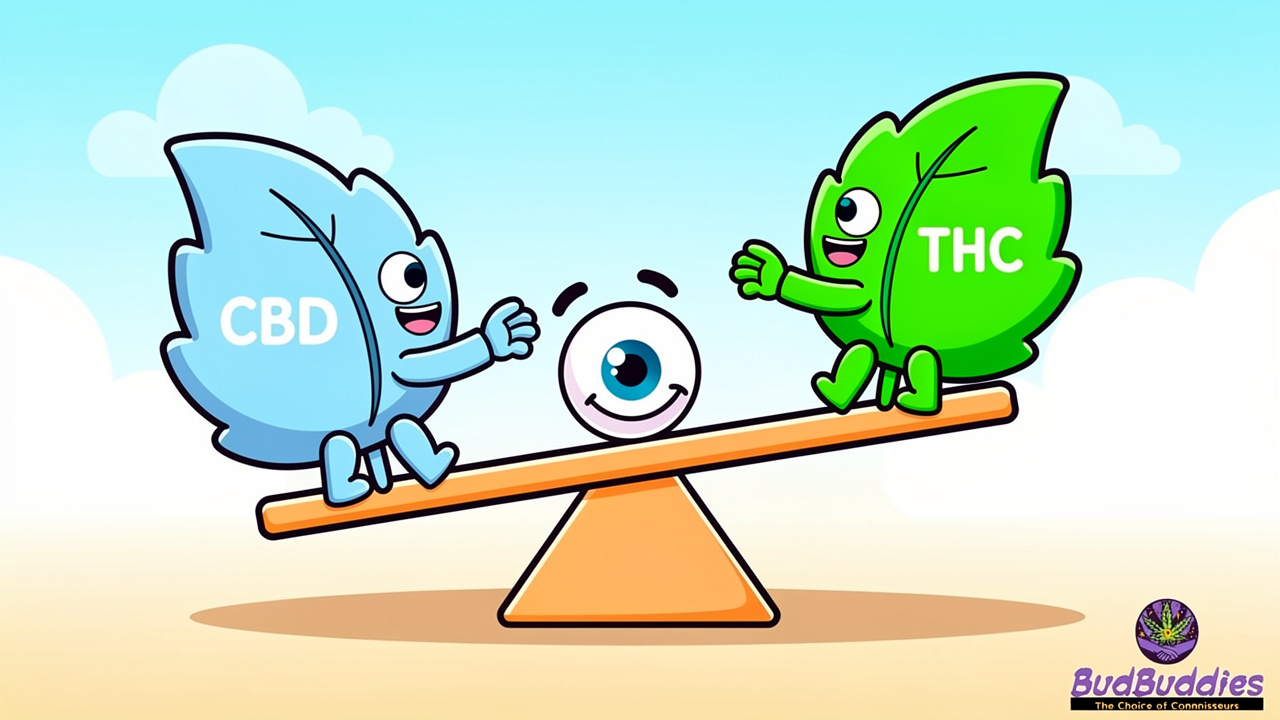
CBD does not appear to lower eye pressure the way THC does, which surprises many people who assume all cannabinoids behave similarly. Some research, including a narrative review of cannabis and ocular health, has actually linked CBD, at higher doses, to a temporary increase in eye pressure rather than a decrease, which is the opposite of what many consumers expect. This matters for anyone assuming that a non-intoxicating cannabinoid automatically carries the same benefits associated with THC.
Scientists have also explored other angles, including cannabinoid eye drops designed to deliver a localised effect without any systemic impact, as detailed in a recent review of emerging glaucoma therapies. THC doesn’t dissolve easily in water though, which has made formulating a stable, effective topical treatment genuinely difficult. Synthetic cannabinoids aimed at the same receptors have been studied too, but none of these approaches has produced an approved treatment so far, meaning they remain experimental rather than something you can currently buy or rely on.
What Should You Know If You Use Cannabis And Have Glaucoma?
If you already use cannabis and also live with glaucoma, the most important point is that cannabis should complement, never replace, your prescribed treatment plan. Your ophthalmologist’s eye drops or other prescribed care are designed to give continuous protection, and stopping or reducing that in favour of cannabis puts your eyesight at genuine risk. It’s also worth being open with your eye specialist about any cannabis use, since it may be relevant to your broader care and how other medications interact with it.
If you’re using cannabis for other personal reasons and want to keep track of what you’re actually consuming, product quality becomes genuinely useful information. BudBuddies lists full cannabinoid and terpene profiles on every product page, alongside double-verified potency, so you can see exactly what THC and CBD levels you’re working with rather than guessing.
Start low, go slow — and pair that approach with discreet, tracked delivery if you want to be careful and private about how you use cannabis alongside a health condition.
Wrapping Up
Cannabis genuinely can lower eye pressure for a short window, and that history is real, but it’s simply not a viable way to manage glaucoma long term. The dosing frequency required, the tolerance that builds over time, and the availability of far better prescription treatments all point the same direction, so any decisions about glaucoma care should stay with your ophthalmologist.
If you’re exploring cannabis for general wellbeing or personal enjoyment rather than eye health specifically, quality and transparency still matter enormously. BudBuddies’ range of lab-tested flower, edibles, vapes, and CBD or CBG products gives you clear, accurate information about what you’re buying, so you can make informed choices with confidence rather than uncertainty.
Frequently Asked Questions
Can Smoking Weed Cure Glaucoma?
No, smoking weed cannot cure glaucoma. It only lowers eye pressure temporarily for a few hours and does nothing to reverse or treat the underlying optic nerve damage that defines the condition, so prescribed treatment remains essential.
Why Do Cannabis Users Get Red Eyes, And Is This Related To Glaucoma?
Red eyes happen because THC causes blood vessels, including those in the eyes, to dilate. This is a cosmetic, temporary side effect and isn’t connected to the actual pressure changes relevant to glaucoma management.
Can You Get A Medical Cannabis Prescription For Glaucoma In The UK?
Access is highly restricted and reserved for specialist cases where established treatments haven’t worked well enough. NHS funding for this is rare, and most patients who do access cannabis medically pay privately through specialist clinics.
Do Edibles Work Better Than Smoking For Eye Pressure?
Edibles last longer in the body, but they still don’t provide reliable, all-day pressure control for glaucoma. Dosing is also harder to judge precisely, since onset can take anywhere from thirty minutes to two hours.
Is It Safe To Use Cannabis Alongside Glaucoma Eye Drops?
Always disclose any cannabis use to your eye specialist first. It may be relevant to your overall treatment plan and could interact with other medications, so open communication keeps your care plan safe and effective.

