


Cannabis Hyperemesis Syndrome: What Every User Should Know
Feeling sick after years of smoking cannabis seems backwards, especially when cannabis is famous for settling the stomach, not upsetting it. Yet this is exactly what happens with cannabis hyperemesis syndrome, a condition that quietly builds in long-term, heavy users until it triggers cycles of severe vomiting and pain. It catches many people off guard because the link to cannabis often isn’t obvious at first.
This guide explains what cannabis hyperemesis syndrome actually is, how it develops through three distinct phases, and what causes it in the first place. We’ll also cover the warning signs worth watching for, practical steps to lower your risk, and when it’s time to speak with a doctor. BudBuddies believes informed consumers make safer choices, so we’ve put this together in plain English, without the medical jargon that usually clouds this topic.
Key Takeaways
Cannabis hyperemesis syndrome (CHS) causes cyclical nausea, vomiting, and stomach pain in people who use cannabis heavily over a long period, despite cannabis being known for easing nausea in smaller doses.
The condition moves through three phases: an easy-to-miss prodromal stage, a severe hyperemetic stage, and a recovery stage once cannabis use stops entirely.
Compulsive hot showering or bathing is one of the clearest signs doctors look for when diagnosing CHS.
Stopping cannabis use completely is the only proven long-term fix, and symptoms typically return if use resumes.
Choosing lab-tested products with clear THC labelling, like those on budbuddies.cc, helps you track and moderate intake more confidently.
What Is Cannabis Hyperemesis Syndrome?

Cannabis hyperemesis syndrome is a condition where long-term, frequent cannabis users experience repeated episodes of severe nausea, vomiting, and stomach pain. What makes it strange is that cannabis, and particularly THC, is widely known for calming nausea rather than causing it, which is why doctors sometimes call CHS a paradox.
The condition tends to appear after years of regular, heavy use, often daily or near-daily consumption, rather than from occasional smoking or the odd edible. Researchers believe that when the body’s endocannabinoid system (the network of receptors that helps regulate nausea, appetite, and digestion) is overstimulated for too long, it can eventually respond in the opposite way to what you’d expect. It’s still considered uncommon overall, but understanding it matters more as high-strength products become easier to find.
What Are the Three Phases of Cannabis Hyperemesis Syndrome?
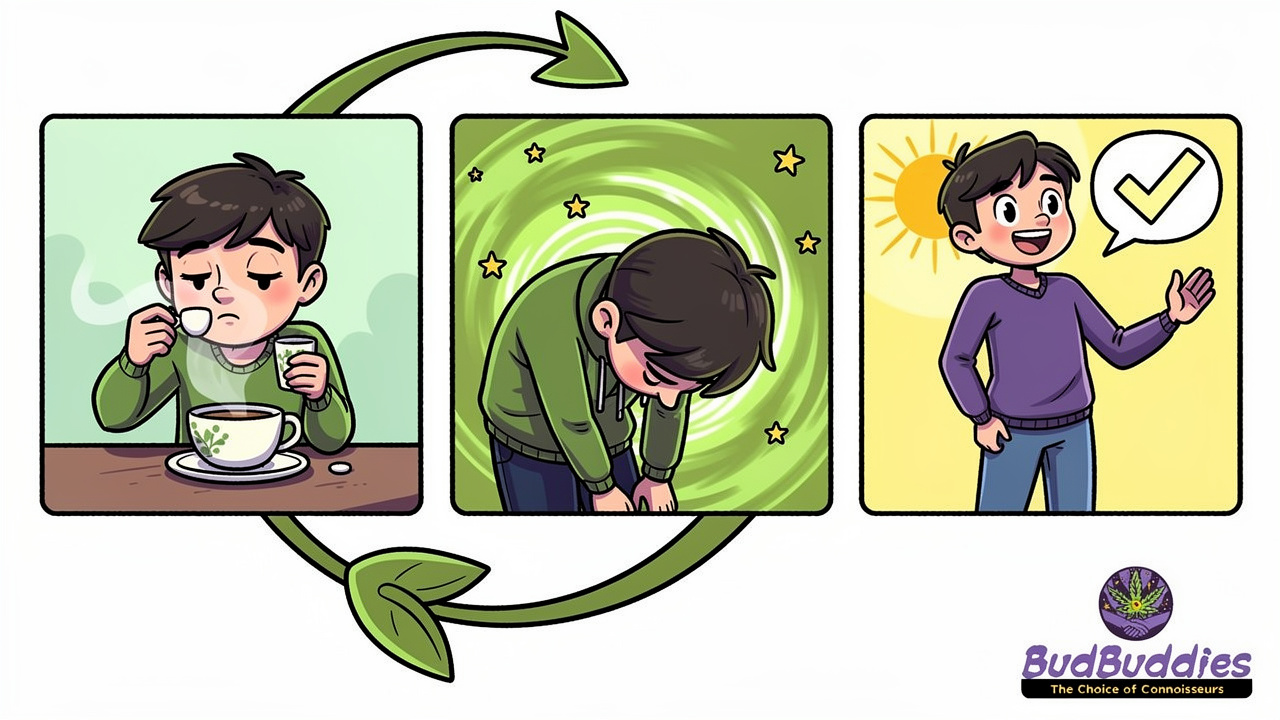
Cannabis hyperemesis syndrome develops gradually, moving through three recognisable phases rather than appearing all at once. Doctors and researchers generally describe these as the prodromal phase, the hyperemetic phase, and the recovery phase, a staging model detailed in a narrative review on adolescent CHS that helps tell CHS apart from other stomach conditions. Recognising which phase someone is in can make a real difference, since the earlier the pattern is spotted, the sooner cannabis use can be reduced or stopped before symptoms become severe. The three stages don’t always follow a strict timeline either; the prodromal phase might last months, while the hyperemetic phase can escalate within days once it takes hold.
Prodromal Phase
The prodromal phase is the quiet beginning of CHS, often lasting months or even years before anyone notices a pattern. Symptoms usually stay mild, showing up as morning nausea or a vague, uncomfortable feeling in the stomach that comes and goes. Many people keep using cannabis through this stage, believing it will settle their stomach, without realising that it’s actually contributing to the problem.
Hyperemetic Phase

The hyperemetic phase is where cannabis hyperemesis syndrome becomes impossible to ignore, marked by intense, repeated vomiting and severe stomach cramps. Weight loss and dehydration often follow quickly, since keeping food or fluids down becomes genuinely difficult during an active episode. One of the clearest signs doctors look for is a compulsive need to take long, hot showers or baths, which seems to bring temporary relief, though the exact reason isn’t fully understood.
This phase is often serious enough to need hospital treatment, an approach outlined in emergency department clinical guidelines for rehydration and correcting electrolyte imbalances caused by persistent vomiting. Some people continue using cannabis even here, still hoping it might ease their symptoms, though most naturally cut back once the illness becomes this severe.
Recovery Phase
Once cannabis use stops completely, the recovery phase begins, and symptoms usually start easing within days to a few weeks, a timeline reflected in a pediatric clinical pathway for managing CHS recovery. Appetite returns, weight is gradually regained, and the compulsive hot bathing habit fades away as the stomach settles. However, if cannabis use starts again, the same cycle typically returns, often following the same three phases as before.
What Causes Cannabis Hyperemesis Syndrome?
Cannabis hyperemesis syndrome is most strongly linked to chronic, heavy cannabis use, particularly with high-potency products consumed over several years. The exact biological cause isn’t fully mapped out yet, but researchers generally agree that constant, high-level exposure to THC overstimulates the endocannabinoid system’s receptors in the gut and nervous system, eventually flipping their usual calming effect into the opposite reaction.
Not everyone who uses cannabis heavily develops CHS, which suggests individual factors like genetics or personal body chemistry play a role in who’s affected. Modern cannabis products with significantly higher THC concentrations than what was typical decades ago are thought to add to the risk, since consistent exposure to strong doses may accelerate receptor overstimulation. The method of use, whether smoking, vaping, or edibles, seems to matter less than how often and how much is consumed overall.
How Can You Recognise and Reduce Your Risk?
Recognising cannabis hyperemesis syndrome early starts with paying attention to small, recurring signs rather than dismissing them as unrelated stomach trouble. Morning nausea that keeps returning, or mild stomach discomfort that shows up alongside regular heavy cannabis use, is worth taking seriously rather than brushing off as a one-off bug or bad food.
Lowering your risk generally comes down to being deliberate about how much and how often you consume, rather than letting use creep upward unchecked. A few habits genuinely help.
Know your THC percentage. Understanding the actual strength of what you’re consuming, rather than guessing, makes it far easier to moderate intake sensibly over time.
Go slow with edibles. Because effects take longer to kick in, it’s easy to overconsume before the first dose has even registered, so patience really does pay off here.
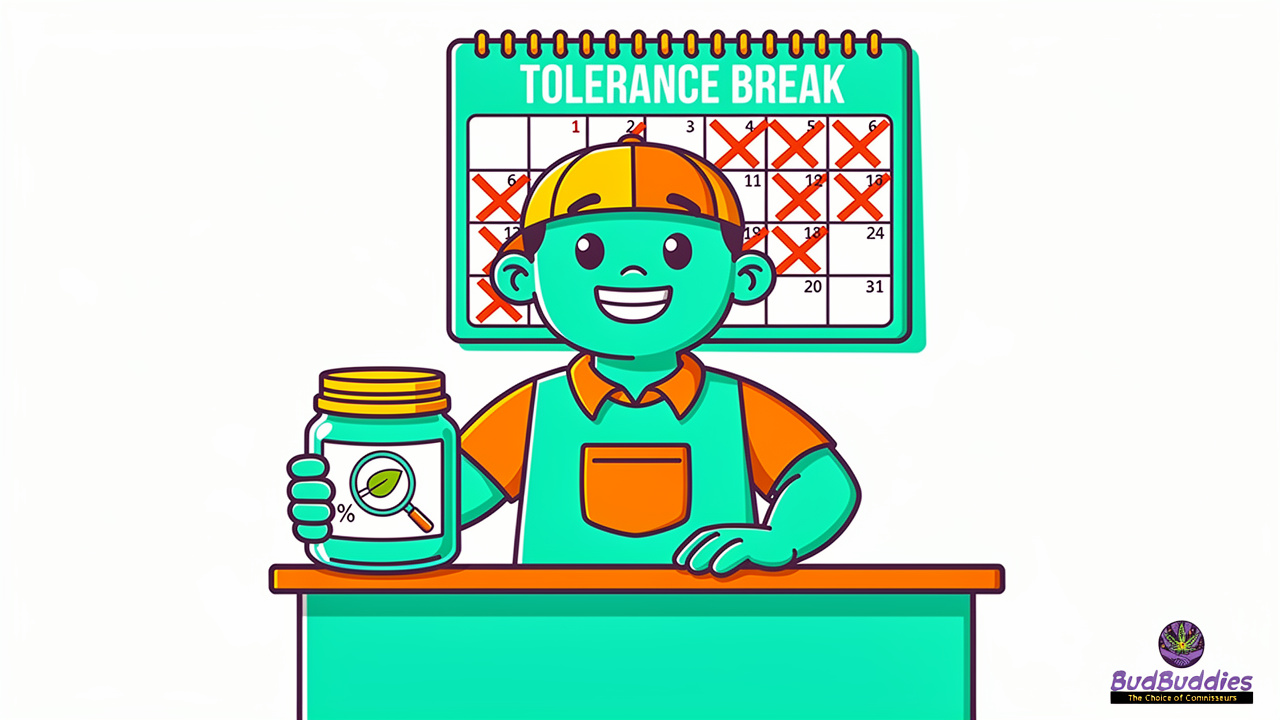
Consider a tolerance break. Stepping away from cannabis periodically may help reset how your body responds to it, though more research is needed to confirm how much this reduces CHS risk specifically.
Choose lab-tested products. Buying from a source like budbuddies.cc means every item comes with verified potency and clear labelling, so you always know exactly what you’re consuming rather than relying on guesswork.
When Should You Speak to a Doctor?

You should speak to a doctor if you experience recurring vomiting, severe stomach pain, or signs of dehydration, particularly if you have a history of regular, heavy cannabis use. Warning signs that need urgent attention, as outlined in hospital diagnostic guideline criteria, include dizziness, a dry mouth, reduced urination, confusion, or simply being unable to keep any fluids down for an extended stretch of time.
It’s worth being upfront with your doctor about how much and how often you use cannabis, even if that feels uncomfortable to bring up. This honesty helps them reach an accurate diagnosis far more quickly, rather than running through rounds of unrelated tests. Complete cessation remains the only proven long-term resolution for cannabis hyperemesis syndrome, and symptoms generally begin easing within days once cannabis is fully stopped, though full recovery can take longer depending on how long and how heavily someone had been using.
If in doubt, don’t wait it out — recurring vomiting tied to heavy cannabis use is worth a doctor’s attention sooner rather than later.
The Takeaway
Cannabis hyperemesis syndrome is uncommon, but it’s a genuine risk for anyone using cannabis heavily over a long stretch of time, particularly as high-strength products become more widely available. Recognising the three phases, and taking early symptoms like recurring morning nausea seriously, gives you a real chance to adjust your habits before things become severe.
Moderation, self-awareness, and choosing quality-assured products all play a part in reducing risk and staying in control of your consumption. BudBuddies supports this through transparent lab testing, clear THC labelling, and dosing guidance across its range, so you always know exactly what you’re taking. If you notice symptoms that concern you, speak to a doctor promptly, and take a look at the platform’s dosing guides and lab-tested selection for a more informed way to shop.
Frequently Asked Questions
Can Cannabis Hyperemesis Syndrome Develop From Vaping Or Edibles, Not Just Smoking?
Yes, CHS has been linked to heavy use across all consumption methods, including smoking, vaping, and edibles. The method you choose may slightly influence risk, but how often and how much you consume matters considerably more than the format itself.
Is Cannabis Hyperemesis Syndrome Permanent?
No, cannabis hyperemesis syndrome isn’t permanent, and symptoms typically resolve fully once cannabis use stops completely. However, they tend to return if use resumes, so lasting relief depends on staying cannabis-free rather than simply cutting back temporarily.
How Common Is Cannabis Hyperemesis Syndrome Among Regular Users?
CHS is considered relatively rare compared to the overall number of people who use cannabis regularly. That said, awareness of the condition has grown considerably as both cannabis use and average product potency have increased in recent years.
Can CBD Products Trigger Or Worsen CHS Symptoms?
CHS is linked specifically to THC’s long-term effects on the endocannabinoid system, not CBD. For anyone wanting to reduce THC exposure while still enjoying cannabis, the brand’s CBD range offers a lower-intensity option without the same psychoactive strength.
Why Do Hot Showers Help With CHS Symptoms?
Hot showers are thought to bring relief by affecting the body’s temperature regulation, which cannabis may disrupt with chronic heavy use. The exact mechanism isn’t fully understood yet, but it remains one of the clearest signs doctors associate with CHS.
Can You Develop CHS Even If You Use Cannabis For Medicinal Reasons?
Yes, cannabis hyperemesis syndrome can affect anyone with a pattern of heavy, chronic use, regardless of whether that use is recreational or medicinal. The underlying risk comes from the frequency and potency of use, not the reason behind it.

