


Does Weed Affect Testosterone? What the Research Shows
Wondering does weed affect testosterone is one of the most common questions cannabis consumers ask. It’s a fair concern, especially if libido, muscle gain, or fertility plans are on your mind. Testosterone shapes energy, mood, and sex drive, so any hint that cannabis use might be working against you deserves a proper answer.
The short answer is that occasional or moderate use is unlikely to cause any lasting hormonal change in most healthy adults. Heavy, chronic use tells a different story, with some studies linking it to measurable, though often reversible, drops in testosterone. Individual factors, including frequency, dosage, and how you consume cannabis, all shape the outcome. This article breaks down what the research actually shows, rather than relying on assumption.
We’ll cover how cannabis interacts with your hormone system, the differences between THC and CBD, and the lifestyle factors that often matter more than cannabis itself. Along the way, we’ll show how BudBuddies’ lab-tested product range helps you know exactly what you’re consuming. Read on for the full picture, not just the headline.
Key Takeaways
Occasional or moderate cannabis use is unlikely to cause any lasting testosterone change in most healthy adults.
Heavy, chronic, daily use is linked to measurable drops in testosterone, though the effect appears reversible.
THC drives most of the hormonal interaction, since it binds strongly to CB1 receptors, while CBD appears far less involved.
Testosterone typically returns to baseline within weeks to months after stopping heavy use.
Dosage awareness and product quality matter more for hormonal health than most people realise.
How Does Weed Affect Your Hormones?
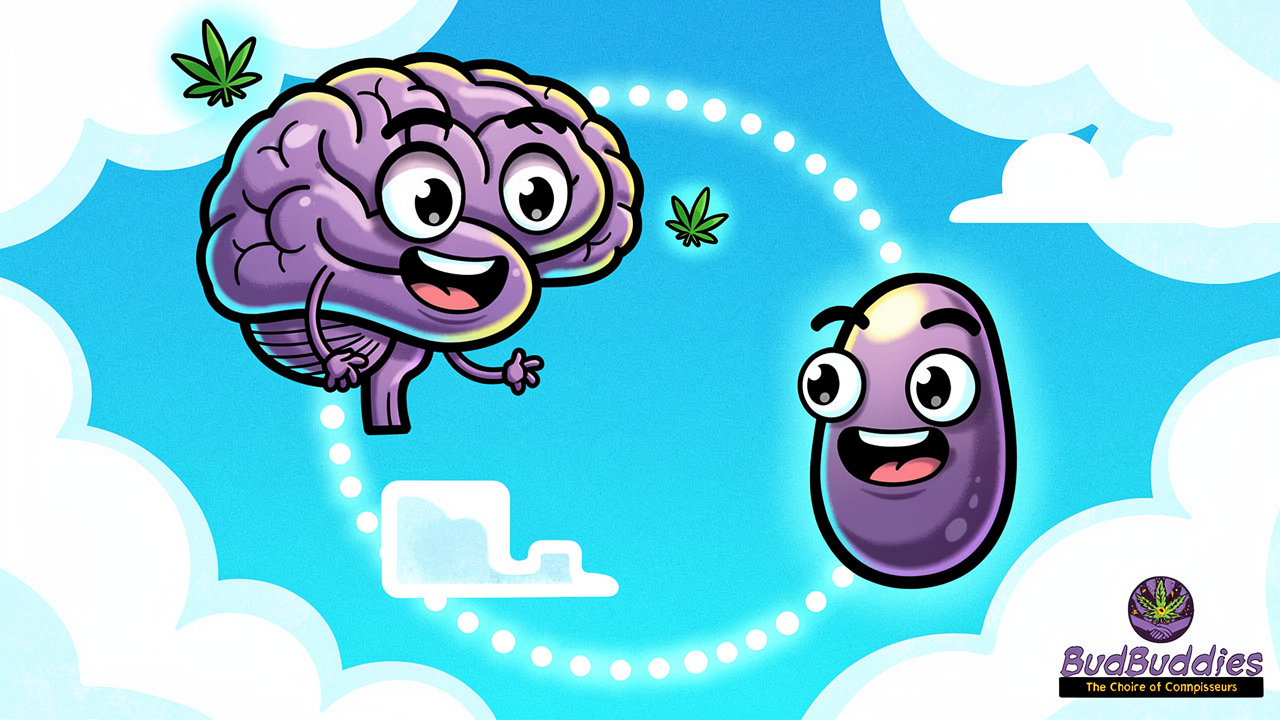
Weed affects your hormones by interacting with the endocannabinoid system (ECS), the body’s network of receptors that helps regulate mood, appetite, sleep, and reproduction. Cannabis contains cannabinoids such as THC, which bind to CB1 receptors found throughout the brain and body. These receptors sit in areas that control hormone production, including the hypothalamus, pituitary gland, and testes. Because CB1 receptors exist inside this network, THC has a plausible route to influence how testosterone gets made in the first place, a mechanism explored in depth in research on endocannabinoid signaling and male reproductive function.
This pathway is called the hypothalamic-pituitary-gonadal (HPG) axis, and it controls testosterone production step by step. The hypothalamus releases gonadotropin-releasing hormone (GnRH), which tells the pituitary gland to release luteinising hormone (LH) and follicle-stimulating hormone (FSH). LH then signals the testes to produce testosterone. When THC binds to CB1 receptors in the hypothalamus, it can theoretically dampen GnRH release, which lowers LH, and in turn reduces testosterone output.
Having a plausible mechanism doesn’t mean the effect always shows up in real life. The ECS is complex, and how strongly THC interacts with it depends on dose, frequency, and each person’s own receptor sensitivity.
What Does the Research Actually Show?
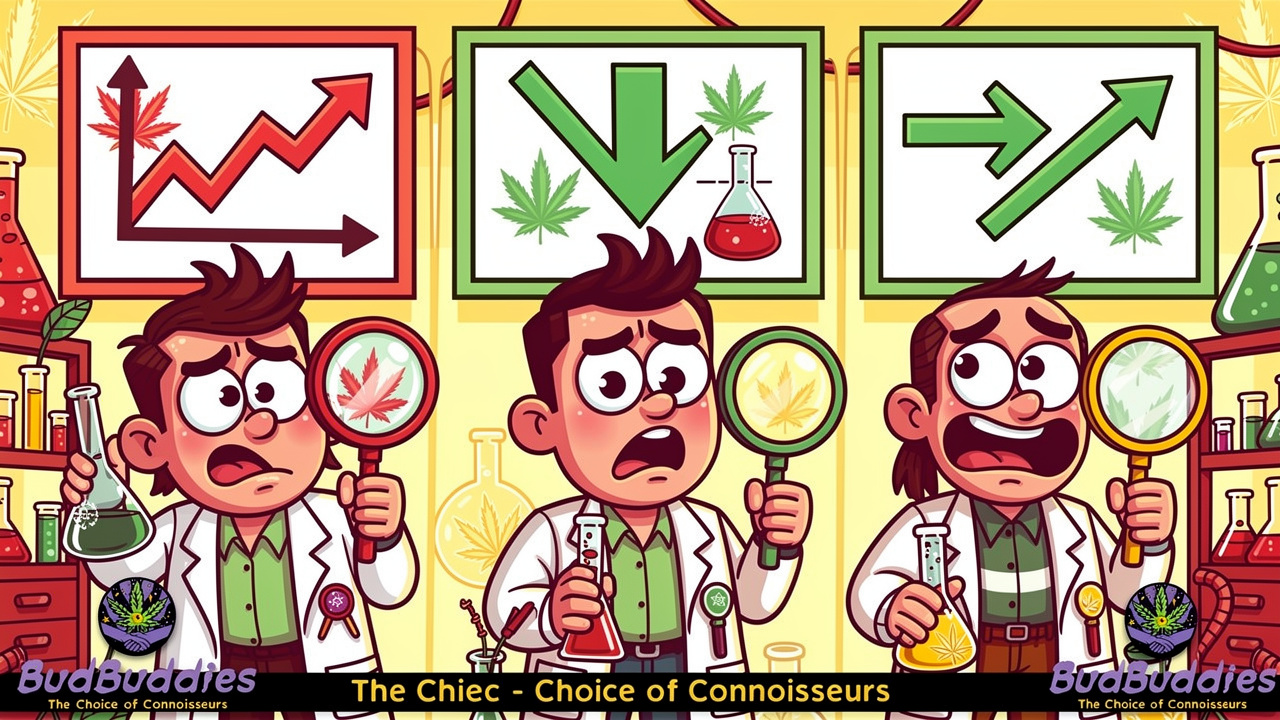
Research on whether weed affects testosterone falls into three separate and sometimes contradictory camps, and no single study settles the debate for good.
Lower testosterone camp: Some of the earliest research from decades ago found that regular smokers had reduced testosterone compared with non-users, and more recent work, including a study on altered steroid metabolism in young men who consume cannabis regularly, has echoed similar patterns.
Higher testosterone camp: One frequently cited study of over 1,200 Danish men found that current marijuana users actually had higher serum testosterone than non-users, even though the same group showed lower sperm concentration, a reminder that testosterone and fertility markers don’t always move in the same direction.
No significant difference camp: This is the largest camp, with several population surveys reporting that moderate cannabis users show testosterone comparable to people who don’t use cannabis at all, particularly once researchers adjust for body weight, alcohol use, and exercise habits.
Why do these findings clash so often? Part of the answer lies in study design, since some studies measure testosterone through blood serum and others through saliva, and timing matters too, given that levels shift depending on how recently someone used cannabis. Sample sizes vary widely, many studies rely on self-reported cannabis use, and confounding variables such as tobacco use, body fat percentage, and general fitness independently affect testosterone, yet few studies control for every factor at once. Modern cannabis potency adds a further layer of uncertainty, since today’s high-strength flower and concentrates often contain far more THC than the products studied in older research. Put together, the honest conclusion is that the science remains incomplete rather than settled.
Why Heavy, Long-Term Use Matters Most
Across the conflicting research, one pattern shows up more consistently than any other, and it’s frequency and duration of use. Daily or near-daily cannabis use sustained over months or years shows the clearest and most repeatable links to lower testosterone, a pattern also reported in research on cannabis use and testosterone levels among men in methadone maintenance treatment, where frequency of use was closely tracked. Researchers believe this happens because sustained, heavy THC exposure keeps CB1 receptors activated for long enough to disrupt the HPG axis in a measurable way.
Occasional or recreational use tells a much calmer story. Someone who consumes cannabis a few times a month sits in a very different physiological position to someone smoking multiple times daily for years, and most research finds little to no consistent hormonal effect at this lighter level of use.
Are the Changes Permanent?
Testosterone changes linked to heavy cannabis use appear largely reversible rather than permanent. Studies following former heavy users after they stopped consuming cannabis generally found testosterone returning to baseline within weeks to months of abstinence, with some follow-up research tracking recovery over roughly six months. This suggests any suppression works as a functional, temporary shift rather than lasting damage to the reproductive system.
Does THC Affect Testosterone Differently Than CBD?

THC affects testosterone far more than CBD does, mainly because of how each cannabinoid interacts with cannabinoid receptors. THC binds strongly to CB1 receptors, the same receptors found throughout the HPG axis pathway discussed earlier. CBD, by contrast, doesn’t bind strongly to CB1 or CB2 receptors at all, which is also why it doesn’t produce the psychoactive high associated with THC.
Because of this weaker receptor interaction, current evidence suggests CBD is far less likely to meaningfully disrupt testosterone production. Some early research has even explored whether CBD might have a neutral or protective role in hormone regulation, though this area needs considerably more study. For anyone weighing up their options, choosing CBD-dominant or balanced-ratio products over high-THC alternatives is a reasonable, lower-risk consideration.
What Other Factors Influence the Cannabis-Testosterone Link?
Potency, method of consumption, and age all shift how strongly cannabis might interact with testosterone, alongside individual biology. Modern products often differ hugely in strength from what researchers studied decades ago, and how you consume cannabis can change how long THC stays active in your system.
Potency: Modern concentrates and high-strength flower often carry far higher THC percentages than the cannabis studied in older research, meaning higher doses interact more strongly with CB1 receptors.
Method of consumption: Edibles are metabolised through the liver and tend to produce longer-lasting effects than smoking or vaping, which could mean more prolonged receptor activation from an equivalent dose.
Age: Younger users, whose endocrine systems are still developing, may be more sensitive to any hormonal disruption than fully mature adults with an already-established hormone baseline.
Lifestyle factors often matter just as much, if not more, than cannabis itself. Poor sleep, chronic stress, excess body fat, and heavy alcohol use are all well-documented, independent causes of lower testosterone. For most people, addressing these areas brings a bigger benefit than worrying about occasional cannabis use alone.
How BudBuddies Helps You Make Informed Choices
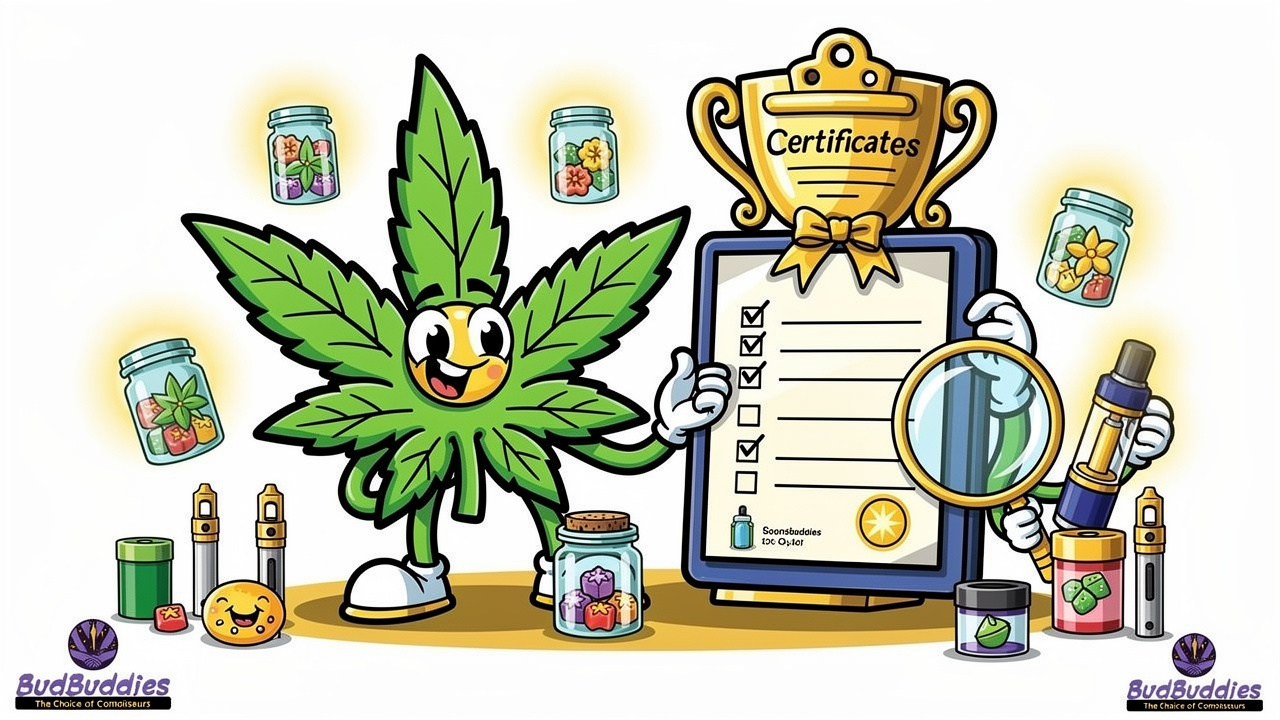
BudBuddies helps you make informed choices by giving every product a published cannabinoid profile and Certificate of Analysis, so you know exact THC and CBD levels rather than guessing. This transparency matters if you’re mindful of dosage, since unpredictable potency is one of the biggest hurdles to understanding how cannabis might affect you personally. Lab-tested flower, edibles, vapes, and concentrates all carry this same level of detail across the range.
The CBD range at budbuddies.cc gives you a lower-THC option if hormonal wellbeing is a personal priority, alongside varied formats so you can choose what suits your routine. If you’re unsure which strength or format fits your needs, the customer support team can talk you through the options rather than leaving you to guess.
Choosing lab-tested, clearly labelled products makes it far easier to stay in control of what you’re actually consuming, rather than guessing at potency and hoping for the best.
The Takeaway
The evidence on whether weed affects testosterone points to a measured, honest answer rather than a dramatic one. Occasional or moderate use carries little sign of lasting harm, while heavy, chronic use shows a clearer, though still reversible, pattern of lower testosterone. Frequency, dosage, and individual biology all shape where any one person lands on that spectrum, so blanket claims in either direction rarely hold up.
If hormonal health is a personal concern, choosing lab-tested, clearly labelled products makes it far easier to stay in control of what you’re actually consuming. The CBD and low-THC range at budbuddies.cc gives you a practical starting point if you’d rather moderate your THC exposure without giving up cannabis altogether. Explore budbuddies.cc to find a strength and format that fits your priorities.
Frequently Asked Questions
Can Quitting Weed Increase Your Testosterone?
Yes, in many cases. Studies following former heavy cannabis users show testosterone often returns to baseline within weeks to months after stopping. This suggests any suppression linked to heavy use is a temporary, functional effect rather than permanent damage, though individual recovery timelines vary depending on how long and how heavily someone used cannabis.
Does Weed Affect Testosterone In Women?
Women also produce testosterone, alongside oestrogen and progesterone, and cannabis may influence it through similar HPG axis pathways. Some research suggests cannabis use can affect menstrual cycle regularity and ovulation timing. However, the evidence base for women is considerably smaller than for men, and more research is needed before firm conclusions can be drawn.
Does Vaping Weed Affect Testosterone The Same Way As Smoking?
Vaping and smoking deliver THC at similar speeds, both producing a fast onset of effects compared with edibles. There’s currently no strong evidence showing one inhaled method causes more hormonal disruption than the other. Total THC dose and frequency of use appear to matter far more than the specific inhalation method chosen.
Can Weed Lower Sperm Count As Well As Testosterone?
Yes, separate from any effect on testosterone itself. Research, including a large Danish study of over 1,200 men, has linked heavy cannabis use to lower sperm concentration and reduced motility. This means testosterone and fertility markers don’t always move together, so sperm quality deserves its own consideration.

