


Grape Ape Strain Review: What to Expect | Bud Buddies
Wondering what the Grape Ape strain actually feels, tastes, and smells like before you buy it? Many cannabis shoppers struggle to tell a genuine grape-lineage indica from a generic “grape-flavoured” listing riding on a familiar name. Quality varies a lot between sources, and that gap shows up in flavour, potency, and how relaxed you actually feel afterwards.
The Grape Ape strain is a classic purple indica built from a three-way cross of Mendocino Purps, Skunk No. 1, and Afghani genetics. It’s known for a sweet grape flavour, deep purple buds, and a body high that settles in fast. This review covers its genetics, appearance, aroma, effects, and the formats you can try it in, plus what separates a properly grown, lab-tested batch from a poorly cured imitation.
BudBuddies stocks grape and Kush-lineage genetics with full lab reports for every batch, so buying quality doesn’t need to be guesswork. Read on to see exactly what to expect before you commit to a purchase.
Key Takeaways
The Grape Ape strain is an 80-90% indica-dominant hybrid from Mendocino Purps, Skunk No. 1, and Afghani genetics, which explains its purple colouring and heavy body effects.
The flavour leans sweet and grape-forward, layered with earthy, musky, and slightly spicy notes carried over from its Afghani and Skunk parentage.
Expect deep physical relaxation, couch-lock, and drowsiness, with THC typically between 15% and 20%, making it better suited to evenings and an established tolerance.
Genuine quality comes from lab-verified genetics and terpene data rather than the name alone, so check for a Certificate of Analysis before buying.
What Is Grape Ape?

The Grape Ape strain comes from a three-way cross of Mendocino Purps, Skunk No. 1, and Afghani landrace genetics. This mix gives it roughly 80-90% indica dominance, which explains its heavy, body-focused effects rather than an energising high. Afghani genetics bring the dense structure and heavy resin, Skunk No. 1 adds vigorous growth, and Mendocino Purps supplies the purple colouring and grape terpene character that defines the strain.
The name comes directly from its dominant grape aroma, inherited from Mendocino Purps, a legendary indica-dominant hybrid from California’s Emerald Triangle. First stabilised in California in the early 2000s, and often credited to breeder Apothecary Genetics, Grape Ape has since become a genetic building block for countless modern purple hybrids.
What Does Grape Ape Look, Smell, and Taste Like?
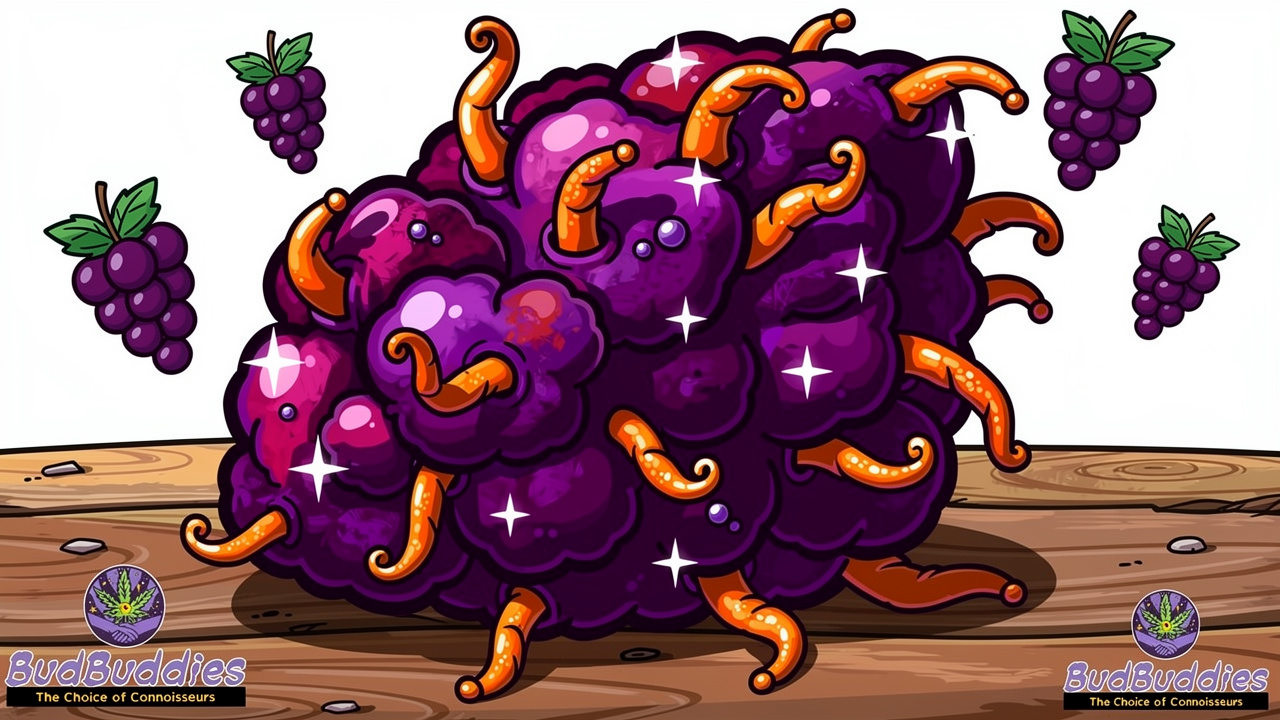
The Grape Ape strain is easy to identify at a glance, thanks to buds that run deep purple and violet against dark green foliage, with a heavy dusting of trichomes that catches the light. The buds are dense and chunky, typical of strong indica genetics, and threaded through with burnt orange to amber pistils. Cooler growing temperatures during flowering intensify the purple shades even further, which is why the best-looking batches tend to come from carefully managed cultivation. On the nose, that visual promise is matched by an aroma and taste that rarely disappoints.
The scent leans heavily into sweet grape and ripe berry notes, often compared to grape candy or fresh grape juice straight off the vine. This fruitiness sits alongside a distinct earthy, musky base carried over from its Afghani genetics.
Breaking open or grinding the buds brings out a slightly spicier, herbal edge inherited from the Skunk No. 1 side of its lineage. This contrast between sweet and pungent is part of what makes the strain memorable rather than one-dimensional.
The flavour carries through on the exhale, leaving a lingering grape-like sweetness on the palate long after the earthy notes fade. Many consumers rate this aftertaste as one of the strain’s most enjoyable features compared with more generic-tasting flower.
Why Terpenes Matter More Than the Name
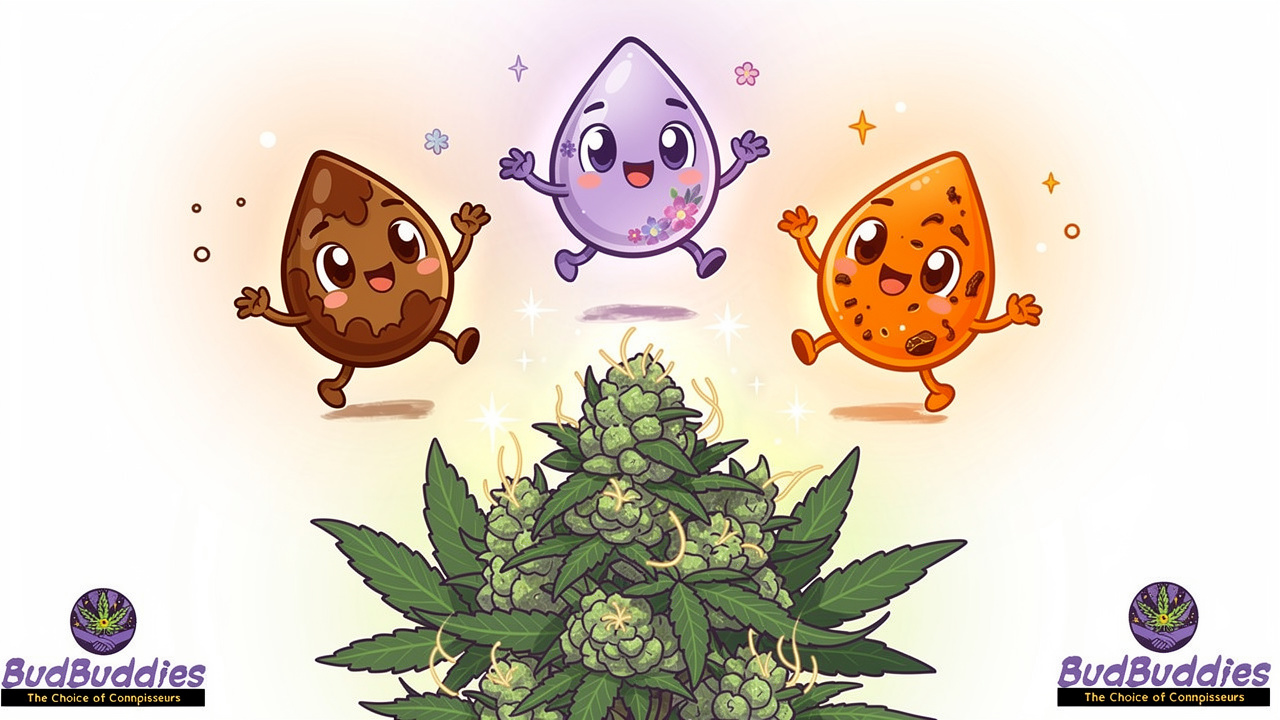
The grape character in the Grape Ape strain comes down to terpenes, not just the name on the packet. Myrcene supplies the earthy, musky backbone and much of the sedation, while linalool adds floral calm and caryophyllene brings a faint peppery spice. This interplay, often called the entourage effect, means a well-cured, terpene-rich batch can feel more relaxing and flavourful than a stale one with higher THC alone.
What Effects Can You Expect From Grape Ape?

The Grape Ape strain delivers a classic indica experience, opening with a brief lift of mild euphoria before deep physical relaxation takes hold. Most consumers feel calm and clear-headed for the first few minutes, then notice a heavy, sedating body high building over the following half hour. THC typically sits between 15% and 20%, occasionally reaching 25% in stronger phenotypes, while CBD stays below 1%, so the experience is driven almost entirely by THC and terpenes. This moderate-to-high potency means the strain suits consumers with some existing tolerance rather than absolute beginners.
Deep physical relaxation settles in as the high progresses, easing tension through the muscles and often leading to couch-lock at higher doses. Many consumers describe feeling physically anchored rather than inclined to move around.
Mental calm and stress relief follow, with racing thoughts slowing down and everyday tension fading into the background. A gentle mood lift often accompanies this sense of quiet.
Drowsiness becomes more noticeable as the session continues, particularly at higher doses, which is why most consumers save this strain for the evening. Appetite stimulation is also common, making it a popular choice among those wanting to eat more.
Who Grape Ape Suits Best
The Grape Ape strain suits consumers after stress relief, a wind-down evening, or help with appetite, thanks to its calming, sedative profile. It works best for those with some cannabis tolerance who want a reliable night-time option rather than a daytime lift. It suits low-tolerance beginners less well, along with daytime use or anything needing focus and alertness.
How to Choose a Quality Grape Ape Product

Choosing a quality version of the Grape Ape strain starts with checking whether the genetics and lab data actually back up the name, rather than trusting a label alone. A lot of listings borrow the grape branding without offering real proof of lineage, terpene content, or dominance ratio, which makes it hard to know what you’re buying. Genuine grape-lineage flower should come with a Certificate of Analysis showing cannabinoid percentages, a terpene breakdown, and screening for contaminants such as pesticides, mould, and heavy metals. Appearance and aroma matter too, since well-cured Grape Ape should still show its characteristic purple hues and strong grape scent rather than looking flat or smelling faint.
Lab-verified genetics and terpene data confirm the strain is genuinely grape-lineage rather than a generic purple flower marketed under a familiar name. This includes a documented indica-to-sativa ratio alongside cannabinoid percentages.
Freshness and curing quality affect flavour and potency more than the THC number on the label. A well-cured batch with lower THC can outperform a stale, higher-THC alternative in both taste and effect.
Discreet packaging, tracked delivery, and clear customer communication matter for anyone who values privacy when ordering online. BudBuddies applies exactly this approach across its grape and Kush-lineage flower, including products like Insane OG, backing every batch with full lab data before it’s listed.
Why Shop Grape Ape-Style Strains at BudBuddies
BudBuddies backs every grape and Kush-lineage batch with full lab reports covering cannabinoids, terpenes, and contaminant screening, so quality never rests on the label alone. Orders arrive in discreet, vacuum-sealed packaging with tracked delivery, while the BudPoints and BudCash schemes make premium indica strains more affordable over time. Moderate-strength options sit alongside stronger ones for anyone easing in slowly, supporting a start low, go slow approach to grape-forward indicas.
Tip: Start low and go slow with grape-forward indicas like this one — a well-cured, lab-verified batch at lower THC can still outperform a stale, higher-THC alternative in both flavour and effect.
Which Formats Let You Try Grape Ape’s Flavour and Effects?
Flower delivers the fullest sensory experience of the Grape Ape strain, letting the grape aroma and purple colour come through exactly as grown, though it needs a grinder and papers or a vaporiser. Vapes offer a faster onset within minutes and far less odour, making them a discreet option for those who want quick, controllable effects. Edibles take longer to kick in, often 30 minutes to 2 hours, but the effects last considerably longer, so patience with dosing matters.
The platform stocks grape and Kush-style genetics across flower, vapes, edibles, and concentrates, so you can match the format to your routine rather than settling for whatever happens to be in stock. Whether you want the full aroma of flower or the discretion of a vape, the range covers each option to the same lab-tested standard.
The Takeaway
The Grape Ape strain earns its reputation through a genuinely rare combination of sweet grape flavour, striking purple colouring, and a deeply relaxing evening effect that suits stress relief, wind-down time, and appetite support. THC around 15-20% and low CBD keep the experience firmly in indica territory, better suited to established tolerance than a first try. Quality and freshness shape that experience far more than the THC number alone.
If you’re ready to try it for yourself, BudBuddies’ lab-tested grape-lineage and indica range makes it easy to find a batch that matches what you’re after, backed by full genetics data and discreet delivery. Browse the current selection and let the Certificate of Analysis, not just the name, guide your next purchase.
Frequently Asked Questions
Here are quick answers to the questions people most often ask about the Grape Ape strain, covering its strength, classification as an indica, the best time of day to use it, and how it compares with similar purple-family genetics. Each answer stays brief and specific, so you can check the detail you need without reading back through the full review.
Is Grape Ape a Strong Strain?
Yes, Grape Ape is moderate-to-strong rather than beginner-level. THC typically sits between 15% and 20%, with some phenotypes reaching up to 25%. Combined with its heavily sedative body effects, this makes it better suited to consumers who already have some cannabis tolerance rather than first-time users.
Is Grape Ape More Indica or Sativa?
Grape Ape is indica-dominant, typically around 80-90% indica to 10-20% sativa. This ratio gives it the classic body-heavy, relaxing characteristics associated with strong indicas, rather than the energising, cerebral effects more common in sativa-leaning strains.
What Time of Day Is Best for Grape Ape?
Evening or night-time suits Grape Ape best, thanks to its sedative, couch-lock effects. The deep physical relaxation and drowsiness it produces make it a poor fit for daytime use, work, or anything requiring sustained focus and alertness.
Does Grape Ape Make You Hungry?
Yes, appetite stimulation, often called the munchies, is a commonly reported effect. Many consumers find this useful when appetite has dipped, though it’s worth keeping snacks nearby if you’d rather not be caught off guard later in the session.
How Is Grape Ape Different From Granddaddy Purple?
The two strains have distinct genetic lineages despite sharing a similar purple look and grape-forward flavour. Both sit within the same purple family of indica genetics, so the overlap in appearance and effect comes from shared breeding style rather than identical parentage.
Can Beginners Try Grape Ape?
Beginners can try it, but caution is worth applying given its potency and heavy sedation. Starting with a small dose, or choosing a lower-strength indica first, gives a gentler way to gauge tolerance before working up to something like Grape Ape.

