


Does Weed Affect Hormones? What the Research Really Shows
If you’ve ever wondered whether your evening smoke or gummy is quietly messing with your hormones, you’re asking a fair question. The short answer is yes, cannabis does interact with your hormones, though the extent depends on how much you use, how often, and what type of product you choose. This matters because hormones control everything from your mood and stress levels to your reproductive cycle and appetite.
This article looks at exactly how cannabis talks to your endocrine system, which hormones show the clearest changes, and what factors make those changes bigger or smaller. We’ll cover testosterone, oestrogen, cortisol, and appetite-related hormones, then finish with practical guidance so you can make informed choices. BudBuddies puts together this kind of research-backed guide because we think our customers deserve clear, honest answers rather than vague reassurance.
By the end, you’ll understand what the science currently shows, where the gaps still sit, and how to choose products that suit your own comfort level.
Key Takeaways
Cannabis does interact with hormones, mainly through a signalling network called the endocannabinoid system.
Effects depend heavily on dose, frequency, and the ratio of THC to CBD in whatever you’re using.
Testosterone, oestrogen, cortisol, and appetite hormones show the clearest and most researched changes.
Occasional, moderate use tends to show far fewer hormonal shifts than heavy, daily use over months or years.
Choosing lab-tested, clearly labelled products helps you track your own dose and notice any changes with more confidence.
How Does Cannabis Interact With Your Hormones?
Cannabis interacts with your hormones through the endocannabinoid system, a signalling network of receptors that sits right alongside the glands controlling your body’s hormone output. This network uses two main receptor types, CB1 and CB2, with CB1 receptors clustered heavily in the hypothalamus and pituitary gland, the two structures that act as your body’s hormone control centre, a relationship explored in detail in resources on hormones, endocrine health, and cannabis.
Because these glands direct hormone release throughout your entire body, when THC or CBD binds to CB1 receptors here, it can nudge the signals that trigger cortisol, testosterone, oestrogen, and several other hormones. This is the biological reason why so many people notice mood shifts, appetite changes, or cycle changes after adjusting their cannabis habits, and it sets the stage for everything covered below.
Does Weed Affect Testosterone and Oestrogen?
Testosterone and oestrogen sit at the centre of the reproductive hormone conversation, and research here shows a genuinely mixed picture rather than a single clear answer. Some studies link heavy, regular cannabis use to lower testosterone in men, while others find no meaningful long-term drop among moderate or occasional users, suggesting dose and frequency matter more than simply whether someone uses cannabis at all. On the female side, THC appears capable of disrupting the release of gonadotropin-releasing hormone (GnRH), which feeds into follicle-stimulating hormone (FSH) and luteinising hormone (LH), both essential for ovulation and a regular menstrual cycle. Because these two reproductive pathways work differently between men and women, it helps to look at each one separately.
Testosterone and the HPG Axis
Testosterone production runs through what scientists call the hypothalamic-pituitary-gonadal (HPG) axis, a chain of signals running from the brain down to the testes. CB1 receptors sit in both the hypothalamus and the testes themselves, and when THC activates them, it can suppress the release of luteinising hormone, the signal that tells the testes to produce testosterone.
This suppression appears far more consistent in chronic, heavy cannabis users than in people who use occasionally, a pattern echoed in broader research on toxicological effects of cannabis on the reproductive system. Several studies have found no significant testosterone drop among moderate consumers, which suggests the body can often absorb light or infrequent use without lasting disruption to this pathway.
Oestrogen and Menstrual Cycle Changes
Oestrogen regulation follows a similar pattern of disruption, working through the hypothalamic-pituitary-ovarian axis rather than the testes. THC may interfere with GnRH release, which then throws off the timing of FSH and LH, the two hormones responsible for triggering ovulation each month.
Some women report noticeably irregular cycles, changes in flow, or shifts in cycle length with regular heavy use, while others notice nothing different at all. This inconsistency reflects how individual biology, dosage, and frequency all shape the outcome, rather than pointing to one universal effect for every woman who uses cannabis.
Does Weed Affect Cortisol and Stress Response?
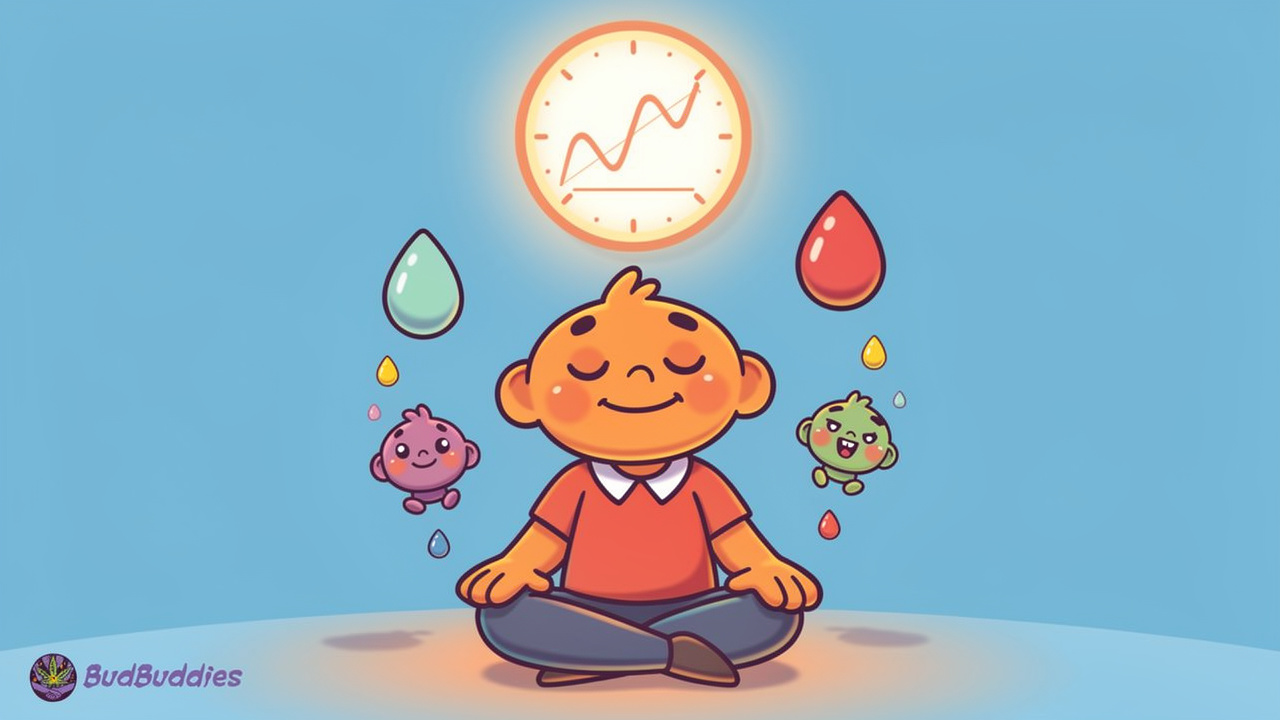
Cortisol, your body’s main stress hormone, shows one of the clearest dose-dependent relationships with cannabis of any hormone studied so far. At lower doses, THC tends to lower cortisol and produce the relaxed, calm feeling many people associate with using cannabis to unwind after a stressful day.
At higher doses, though, that pattern can flip, with THC actually raising cortisol and tipping some users toward anxiety or unease rather than relaxation. This is called a biphasic effect, meaning the same substance can produce opposite results depending purely on how much you take. CBD doesn’t appear to cause this same spike at higher amounts, which is one reason CBD-leaning products are often chosen by people who want the calming benefits without the higher-dose cortisol swing that THC can bring.
Does Weed Affect Appetite Hormones and Metabolism?

Appetite hormones respond to cannabis in a fairly well-documented way, and this is where “the munchies” actually comes from biologically. THC raises levels of ghrelin, the hormone that signals hunger to your brain, while also interfering with leptin, the hormone that normally tells you when you’re full.
Together, these two shifts explain why food can suddenly taste better and feel harder to resist after using THC-heavy products. Interestingly, some population studies have found that regular cannabis users show better insulin sensitivity and lower fasting insulin than non-users, though this shouldn’t be read as a reason to use cannabis specifically for blood sugar management, since the overall health picture is far more complicated than one metric alone.
What Factors Change How Weed Affects Your Hormones?
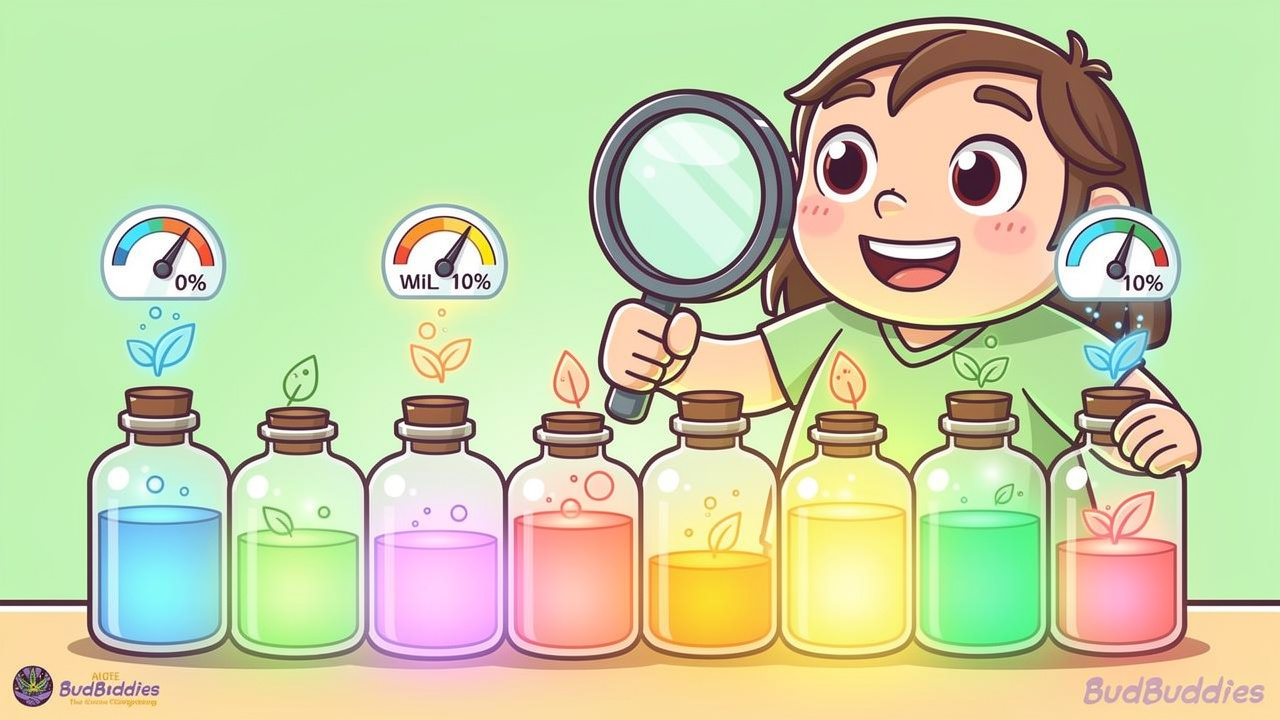
How much cannabis affects your hormones depends less on the fact that you use it and more on the specific pattern of how you use it. Dosage, frequency, the THC-to-CBD ratio, and even your method of consumption all shape whether you’ll notice any hormonal changes at all, and how significant they turn out to be.
Dosage and potency matter because higher-THC products consistently show stronger effects on cortisol and testosterone than lower-strength options.
Frequency of use plays a big role too, since occasional use rarely produces lasting change while daily, heavy use over months shows more consistent shifts.
Method of consumption changes the timing of effects, with edibles producing a slower, longer curve compared to the faster peak from smoking or vaping.
THC-to-CBD ratio is one of the biggest variables, since CBD-dominant products generally show a gentler, more neutral hormonal profile than high-THC options.
Because these variables matter so much, knowing exactly what’s in your product is genuinely useful rather than a nice extra. BudBuddies lab-tests every product for accurate cannabinoid content, so you can see the actual THC and CBD percentages before you buy, track your dose consistently, and notice patterns in how your body responds over time.
Putting It All Together
Cannabis clearly does interact with your hormones, but the story is far more nuanced than a simple yes or no. Effects on testosterone, oestrogen, cortisol, and appetite hormones are largely dose-dependent, vary a great deal between individuals, and appear mostly reversible once use is reduced or stopped, based on the research available so far.
The most sensible approach is moderation paired with a bit of self-awareness rather than fear or guesswork.
If you want to explore this with more confidence, the platform offers a curated range of THC and CBD-led products, from balanced hybrids to CBD-only oils, all clearly labelled so you can choose what genuinely suits your goals and pay attention to how your own body responds.
Conclusion
Does weed affect hormones? The evidence says yes, though the size of that effect depends heavily on dosage, frequency, and the specific balance of THC and CBD you’re consuming, not on the simple fact of use itself. Reproductive hormones, cortisol, and appetite signals all show measurable interaction with cannabis, while heavy, chronic use consistently shows more disruption than occasional, moderate consumption.
Rather than guessing, the smartest move is choosing lab-tested products with clear labelling and paying attention to how your body responds over time. BudBuddies makes that easier with a curated, transparently tested range built for readers who want clarity before they buy, not vague marketing claims.
Frequently Asked Questions
Does CBD Affect Hormones the Same Way THC Does?
No, CBD binds far more weakly to CB1 receptors than THC, so its hormonal impact tends to be milder and less noticeable. Some research suggests CBD may help regulate cortisol without the anxiety-inducing spike seen at higher THC doses, making it a gentler option for many users.
Can Weed Affect Fertility?
Heavy, chronic cannabis use has been linked in some studies to reduced sperm count and motility in men, alongside disrupted ovulation in women. These effects appear far more likely with sustained heavy use rather than occasional consumption, though human research in this area remains limited.
How Long Do Hormonal Effects From Weed Last?
Short-term hormonal changes typically resolve within hours as cannabinoids clear your system after a single session. Longer-term shifts from heavy, chronic use may take weeks or even months to normalise once use is reduced or stopped entirely.
Does Weed Affect Growth Hormone or Prolactin?
Research here is limited and genuinely inconsistent, with some studies pointing to suppressed growth hormone or altered prolactin secretion, though animal research such as findings that melatonin mitigates hormonal toxicity in cannabis-exposed subjects suggests other hormonal pathways may also be involved. This remains one of the least understood corners of cannabis and hormone research.
Can Taking a Break From Weed Reset Your Hormones?
A tolerance break can help your endocrine system recover, particularly after a long stretch of heavy, chronic use. Recovery timelines vary between different hormones and different people, so patience matters more than expecting an instant reset.

