


What Are Dabs? Everything You Need to Know
So, what are dabs? In plain terms, dabs are concentrated extracts of cannabis, made by pulling cannabinoids and terpenes out of the plant until only a strong, sticky substance remains. Unlike dried flower, which usually holds 15 to 25% THC, dabs can reach 60% to 90% THC or higher, a gap confirmed by a potency comparison guide showing just how much stronger concentrates are than traditional flower. That jump in strength is why so many experienced consumers turn to concentrates, and why newcomers need clear guidance before trying one.
Working out which type of dab suits you, and how to use it safely, can feel confusing at first. There are several textures, several extraction methods, and several ways to consume them, each with its own learning curve. Getting the temperature or dose wrong can turn a promising session into an uncomfortable one fairly fast.
This guide walks through every dab type worth knowing, from shatter and wax to rosin and diamond sauce, along with how each is made and consumed. It also covers dosing, safety, and how dabs measure up against flower, edibles, and vapes. BudBuddies stocks a full range of lab-tested concentrates, so you’ll also see what separates a quality dab from a risky one. Read on to find the format that fits your experience level.
Key Takeaways
Dabs are cannabis concentrates that typically hold 60% to 90% THC, far stronger than flower’s usual 15% to 25%.
Common types include wax, shatter, budder, live resin, rosin, distillate, and premium diamond sauce.
People consume dabs using traditional rigs, electronic e-rigs, or portable dab pens, each offering different levels of convenience.
Because potency is so high, starting with a small amount and waiting before using more matters far more than with flower.
Quality concentrates come with lab testing, consistent texture, and trustworthy sourcing behind them.
What Are Dabs, Exactly?
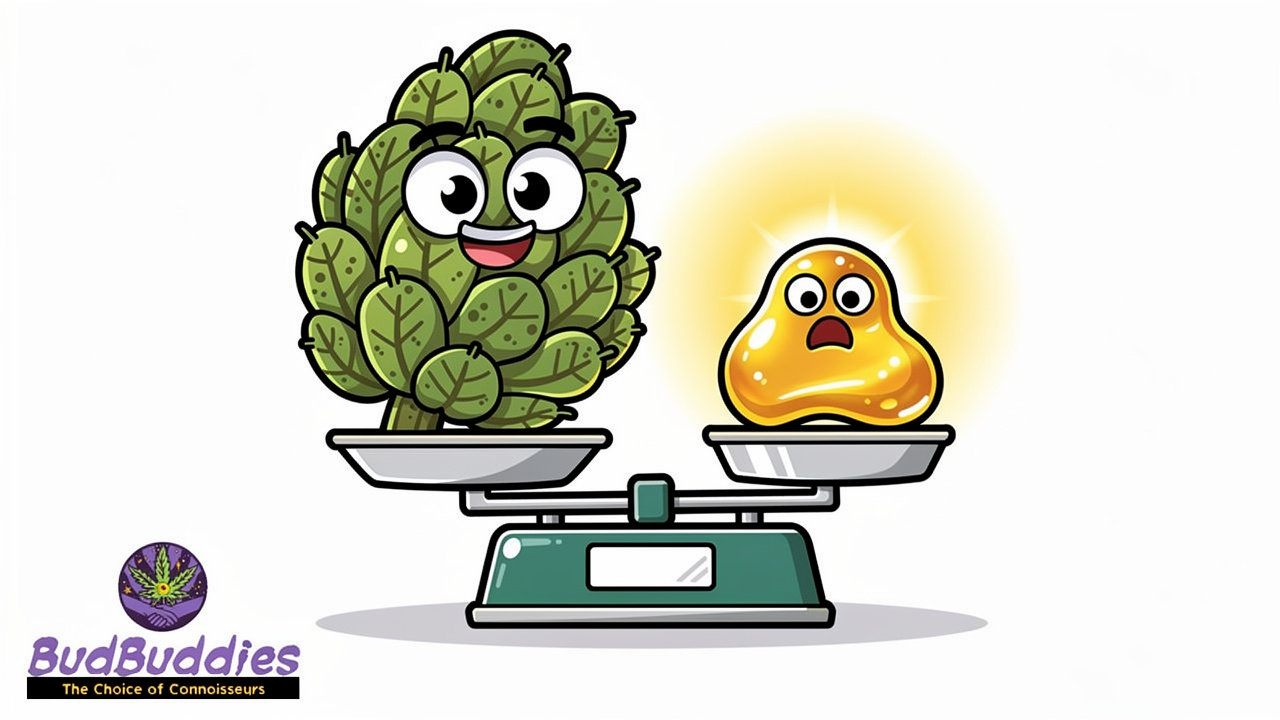
Dabs are concentrated cannabis extracts, made by stripping cannabinoids and terpenes from the plant using either a solvent or a purely mechanical, solventless process. The result is a sticky, potent substance that looks nothing like dried flower and delivers a far stronger dose in a much smaller amount. This is exactly why dabs sit at the strong end of the cannabis spectrum, with THC levels that can climb well past what flower ever reaches.
The word “dab” describes both the concentrate itself and the act of using it, since dabbing means applying a small amount to a heated surface and inhaling the vapour. Because a single dab is so small, often no bigger than a grain of rice, it delivers effects quickly and efficiently. That efficiency is part of the appeal for experienced users, but it also means newcomers should treat concentrates with real respect and start slowly.
What Types Of Dabs Can You Try?
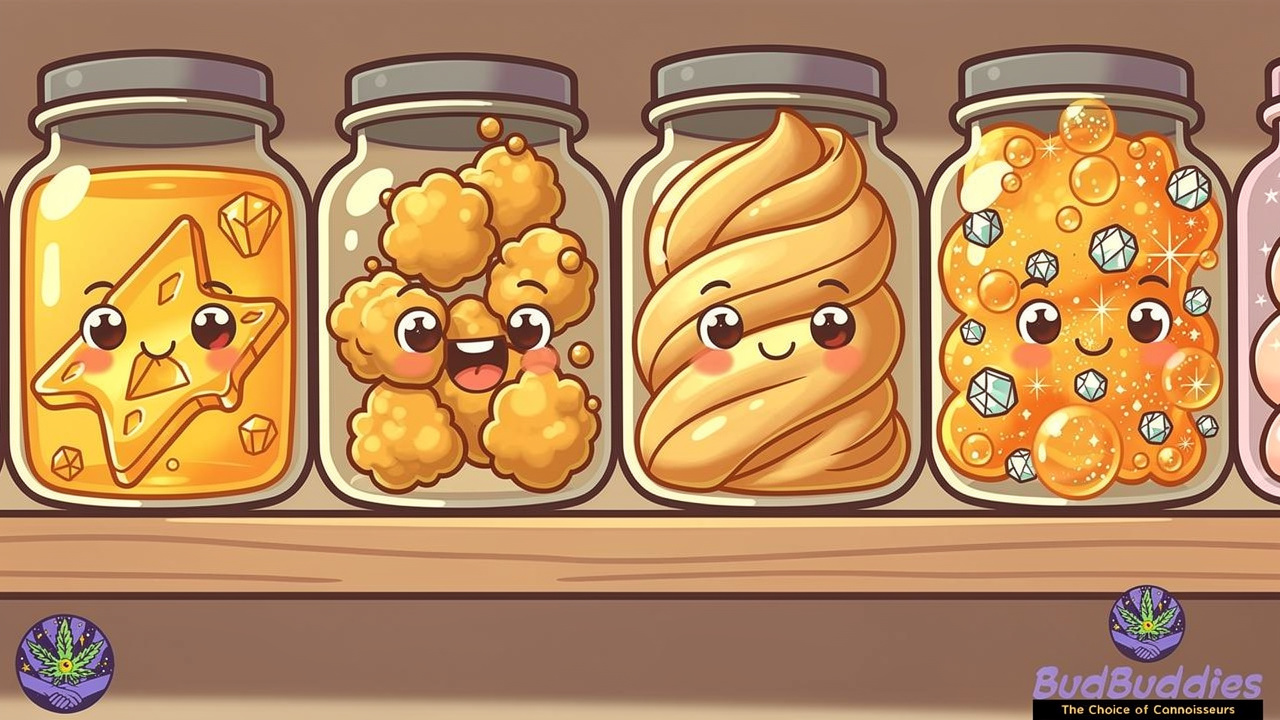
Dabs cover several distinct concentrate types, each with its own texture, production quirks, and appeal for different preferences, as laid out in a cannabis concentrates chart comparing shatter, wax, budder, and rosin by consistency and potency. BudBuddies carries a full spread including:
Hash
Wax
Shatter
Budder
Crumble
Rosin
Live resin
Distillate
Diamond sauce
There’s a format for nearly every kind of cannabis fan. Picking the right one usually comes down to how you like to consume, whether flavour or potency matters more to you, and how much handling experience you have.
Shatter, Wax, And Budder
Shatter is a glass-like concentrate that snaps rather than bends, prized for its clean look and long shelf life. Wax has a softer, crumbly texture, often compared to candle wax, while budder is creamier and closer to cake frosting in feel. All three come from similar extraction methods, with differences mostly coming down to how the extract gets whipped or agitated during purging.
Live Resin And Rosin
Live resin is made from plants that are frozen fresh right after harvest, which locks in far more terpenes than drying and curing allows. This gives it a strong, true-to-strain aroma that flavour-focused consumers tend to love. Rosin takes a different route entirely, using only heat and pressure rather than any solvent, appealing to people who prefer a more natural extraction process, and research shows rosin can run 2 to 4 times stronger than flower in THC content.
Diamond Sauce Dabs
Diamond sauce dabs pair THCA crystals with a terpene-rich liquid sauce, earning a reputation as something close to the champagne of cannabis concentrates. THCA itself is not psychoactive until it’s heated to around 220°F (roughly 104°C), at which point it converts into active THC. This dual-phase structure gives diamond sauce a striking look and a flavour depth that keeps premium buyers coming back to it.
Distillate
Distillate is the most refined form of concentrate, purified almost entirely down to cannabinoids with very little else remaining. Because the process strips out most terpenes, it’s nearly flavourless and odourless compared to live resin or rosin. This makes it a popular choice for vape cartridges and edibles rather than traditional dabbing, where flavour usually takes centre stage.
How Do You Consume Dabs?
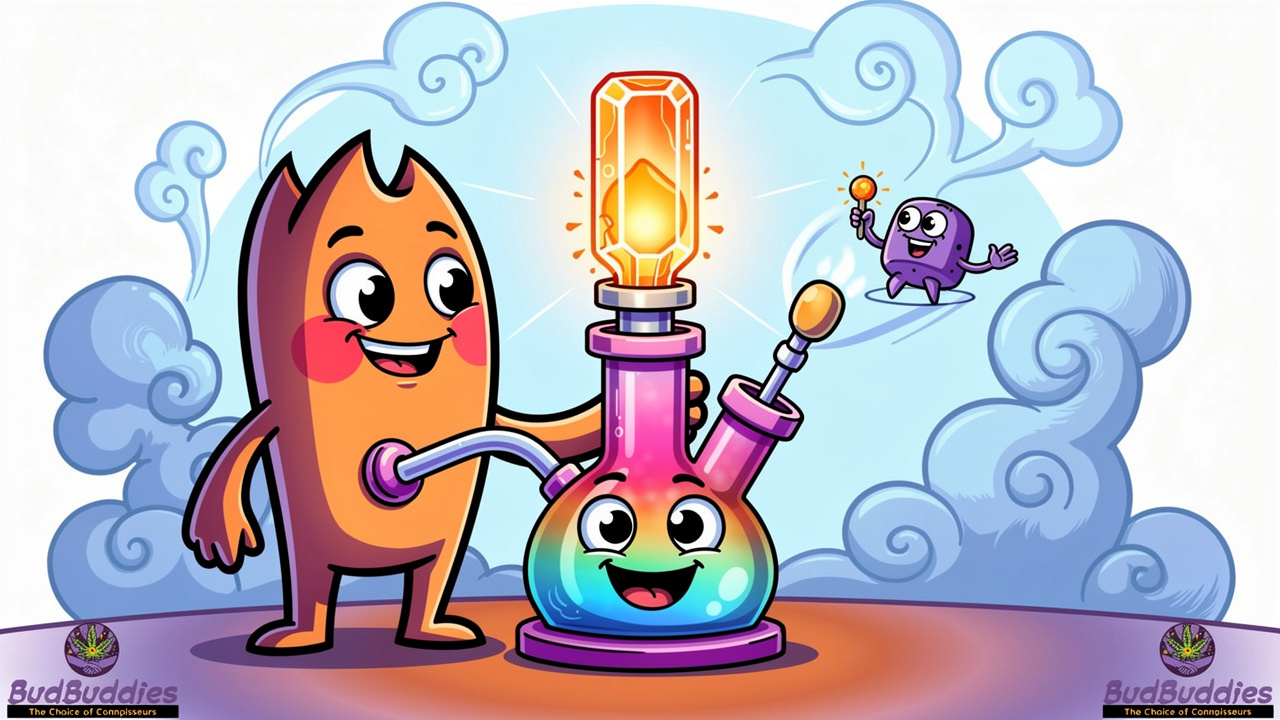
Consuming dabs means heating a concentrate until it vaporises, then inhaling that vapour rather than smoke, a process explained in detail in guides on what dabbing actually involves and how to do it properly. A traditional dab rig looks similar to a bong but swaps the bowl for a “nail” or banger, usually made from titanium, quartz, or ceramic. The nail gets heated with a torch, cooled slightly, then a small amount of concentrate is applied using a dabber tool, with a carb cap often placed on top to control airflow and preserve flavour. Temperature matters enormously here, and low-temperature dabbing around 160°C to 230°C tends to preserve more terpenes, giving a smoother, tastier hit than blasting the nail red hot.
Traditional Rigs Vs E-Rigs And Pens
Traditional rigs demand a torch, a nail, a dabber tool, and a bit of practice to get the timing right. Electronic dab rigs remove that guesswork by heating the nail to a set temperature at the push of a button, giving more consistent results session after session. Dab pens go a step further, offering a pocket-sized option with no torch at all, ideal for anyone who wants portability and discretion over ritual.
How Much Should You Use, And What Are The Risks?
Dabs carry a real risk of overdoing it simply because a single dab often contains 20 to 50mg of THC or more, compared to roughly 5 to 10mg in a typical flower bowl. That gap is the whole reason “start low, go slow” gets repeated so often around concentrates, particularly for anyone newer to cannabis or trying a fresh product for the first time. Effects like dizziness, a racing heart, or intense anxiety usually trace back to taking too much, too fast, and clinical research on cannabis use disorder prevalence highlights how frequency and dose both shape long-term risk.
Beyond dosing, equipment and storage deserve care too:
Let nails cool fully before cleaning to avoid burns
Store concentrates somewhere cool and dark, ideally between 18°C and 21°C
Use an airtight, non-stick container to protect texture
Proper storage keeps texture and potency intact for much longer than leaving a dab exposed to warmth or light.
How Do Dabs Compare To Flower, Edibles, And Vapes?
Dabs sit at the high-potency, fast-onset end of the cannabis spectrum, delivering effects within seconds to a couple of minutes, a distinction explored in detail in guides covering how cannabis products are made from plant to concentrate to edible. Flower offers a gentler, more gradual experience with far less equipment involved, making it the easier entry point for anyone newer to cannabis. Edibles work in the opposite direction, taking 30 minutes to two hours to kick in but lasting much longer, which suits people wanting sustained effects rather than an instant hit.
Vape cartridges, usually filled with distillate, land somewhere in the middle, offering more convenience and steadier dosing than a full rig setup without matching the intensity of a proper dab. BudBuddies stocks flowers, edibles, vapes, and CBD products alongside its concentrate range, so readers weighing up formats can compare potency, onset speed, and overall experience side by side before deciding what suits them best.
What Should You Look For In Quality Dabs?
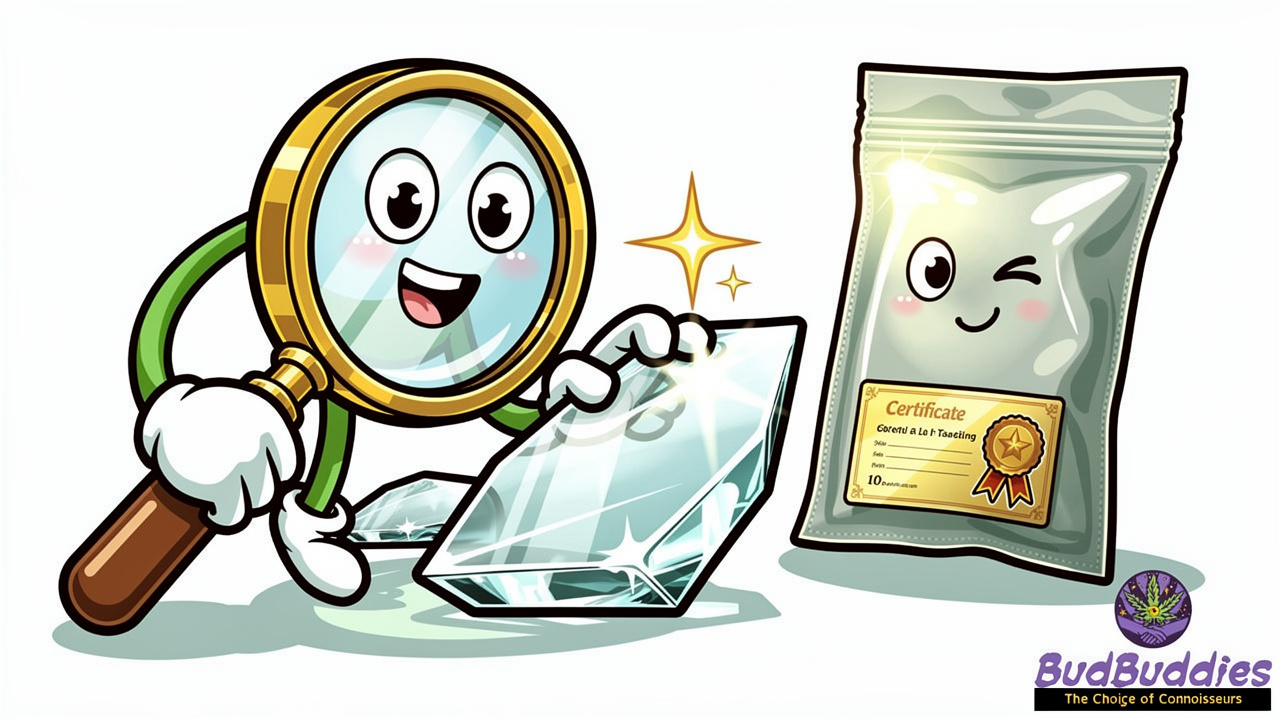
Quality concentrates start with proper lab testing, since a genuine Certificate of Analysis confirms cannabinoid percentages and rules out residual solvents, pesticides, or other contaminants. Texture is another useful signal:
Shatter should look glass-clear rather than cloudy
Wax should be malleable without being runny
Live resin should carry a strong, true aroma
Reputable sourcing pulls all of this together, since properly tested, well-made concentrates simply behave more predictably than anything from an unverified source.
Properly tested, well-made concentrates behave more predictably than anything from an unverified source — texture, aroma, and lab results all tell part of the story.
BudBuddies backs every batch with accredited third-party testing, so buyers can check exactly what they’re getting before it arrives. Orders go out in discreet, vacuum-sealed packaging that keeps concentrates fresh and odour-contained, and value-conscious shoppers can make use of BudCash rewards and first-time buyer vouchers to bring costs down. That combination of testing, discretion, and value is worth checking for wherever you decide to buy.
The Takeaway
Dabs are, in short, a fast-acting, high-strength form of cannabis concentrate that rewards a careful approach far more than a rushed one. Their potency is exactly what makes them appealing to experienced consumers and exactly why newcomers should treat that first small dab with genuine caution. Getting familiar with the different types, from shatter through to diamond sauce, makes it far easier to pick something that actually fits your tolerance and taste preferences.
Whichever format catches your interest, starting small, checking for lab testing, and buying from a source that takes storage and delivery seriously will make the whole experience smoother. BudBuddies’ concentrate range and its accompanying guides are built with exactly that approach in mind, giving both newcomers and connoisseurs a clear, well-tested next step to explore.
Frequently Asked Questions
Is Dabbing Stronger Than Smoking Flower?
Yes, dabbing is considerably stronger than smoking flower in most cases. Concentrates typically hold 60% to 90% THC or more, compared to roughly 15% to 25% in dried flower. That difference means a single dab delivers a much bigger dose of THC than an equivalent-sized hit of flower ever could.
How Long Do The Effects Of A Dab Last?
Effects usually arrive within seconds to a couple of minutes, since inhaled vapour reaches the bloodstream almost instantly through the lungs. The peak tends to be intense but shorter-lived than edibles, typically tapering off over one to two hours. This makes dabs better suited to quick, controllable sessions rather than long, sustained effects.
Can Beginners Try Dabs Safely?
Beginners can try dabs, but only with real caution and a very small starting amount. A dab roughly the size of a grain of rice is a sensible starting point, followed by a wait of 10 to 15 minutes before considering more. Those genuinely new to cannabis might find flower a gentler starting format instead.
What Does “Cold Start Dabbing” Mean?
Cold start dabbing means loading concentrate into a cold nail first, then heating it gradually rather than blasting a red-hot surface. This approach gives more control over temperature without needing expensive electronic equipment. It suits beginners well, since it reduces the risk of harsh, overheated vapour from misjudging the timing.
Do Dabs Smell As Strong As Flower?
Dabs use much smaller quantities than a typical flower session, but vaporising concentrate can still produce a noticeable smell in the moment. It tends to be less lingering than smoking flower, though not entirely absent. The platform ships every order in smell-proof, vacuum-sealed packaging to keep things discreet from dispatch through to delivery.
How Should You Store Dabs To Keep Them Fresh?
Dabs stay fresh longest when kept somewhere cool and dark, ideally between 18°C and 21°C, away from direct light and heat sources. An airtight, non-stick container prevents the concentrate from losing texture or sticking to the sides. Proper storage protects both potency and flavour far better than leaving concentrate exposed on a shelf.

