


Does Weed Cause Headaches? The Honest Answer
You light up, or take a bite of an edible, and an hour later a dull ache creeps in behind your eyes. It’s a strange thing to notice, especially when cannabis has such a strong reputation as a pain reliever. So which is it? Does weed cause headaches, or does it ease them?
The honest answer is both. Cannabis can trigger a headache in one person and calm a migraine in another, and the difference usually comes down to dose, strain, hydration, and how the product is consumed. This guide breaks down exactly why that happens, walks through the most common triggers, explains when cannabis genuinely helps, and shares practical habits, plus a few product choices from BudBuddies, that make headaches far less likely.
Keep reading to find out where your own habits might be tipping the balance one way or the other.
Key Takeaways
Dehydration and dry mouth are the most common, easily preventable triggers behind a weed headache.
Overconsumption, especially with edibles, overwhelms your system and often brings on the pounding pain of “greening out.”
Strain choice matters a lot, with high-THC, low-CBD picks raising the risk while balanced or CBD-dominant options tend to ease it.
Poor quality, contaminated cannabis introduces irritants that healthier, lab-tested products avoid entirely.
Staying hydrated, pacing your dose, and choosing tested products prevents most cannabis headaches before they even start.
Does Weed Cause Headaches?
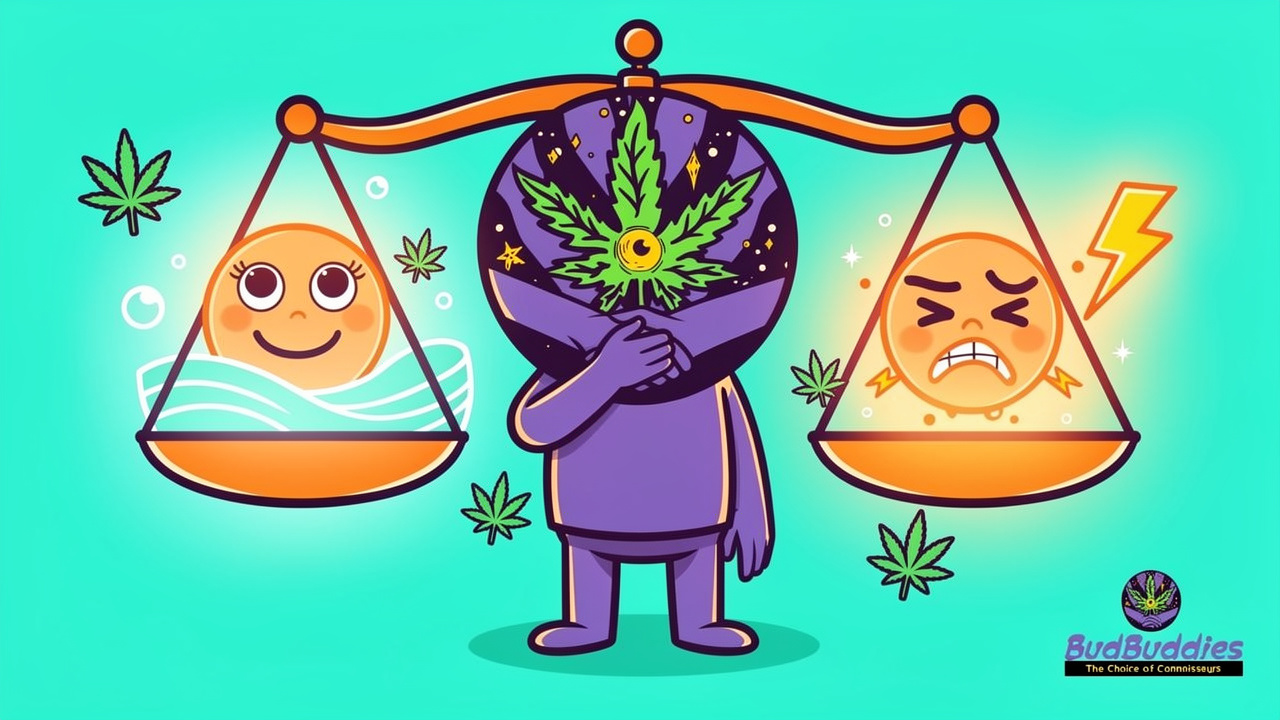
Yes, cannabis can cause headaches in some people while easing them in others, and both experiences are genuine and well documented. This isn’t really a contradiction so much as a biphasic effect, where the same substance produces opposite results depending on how much you take and how your body handles it. A puff that relaxes one person can leave another with a pounding temple ache twenty minutes later.
“What helps one person may worsen symptoms in another.” — Dr. Jordan Tishler, Physician, Harvard Medical School
The deciding factors are dose, strain, individual body chemistry, hydration, and the method you use to consume cannabis. Someone vaping a high-THC concentrate on an empty stomach faces very different odds than someone using a balanced CBD flower with water close by. The sections below unpack each of these triggers, then look at when weed genuinely helps.
Why Does Weed Give You a Headache?
A cannabis headache rarely comes from just one cause, and research into the differential impact of cannabis on the nervous system shows how usage patterns can shape neurological symptoms differently across individuals. The triggers below are the ones that come up again and again among newcomers and experienced consumers alike.
Dehydration and Dry Mouth
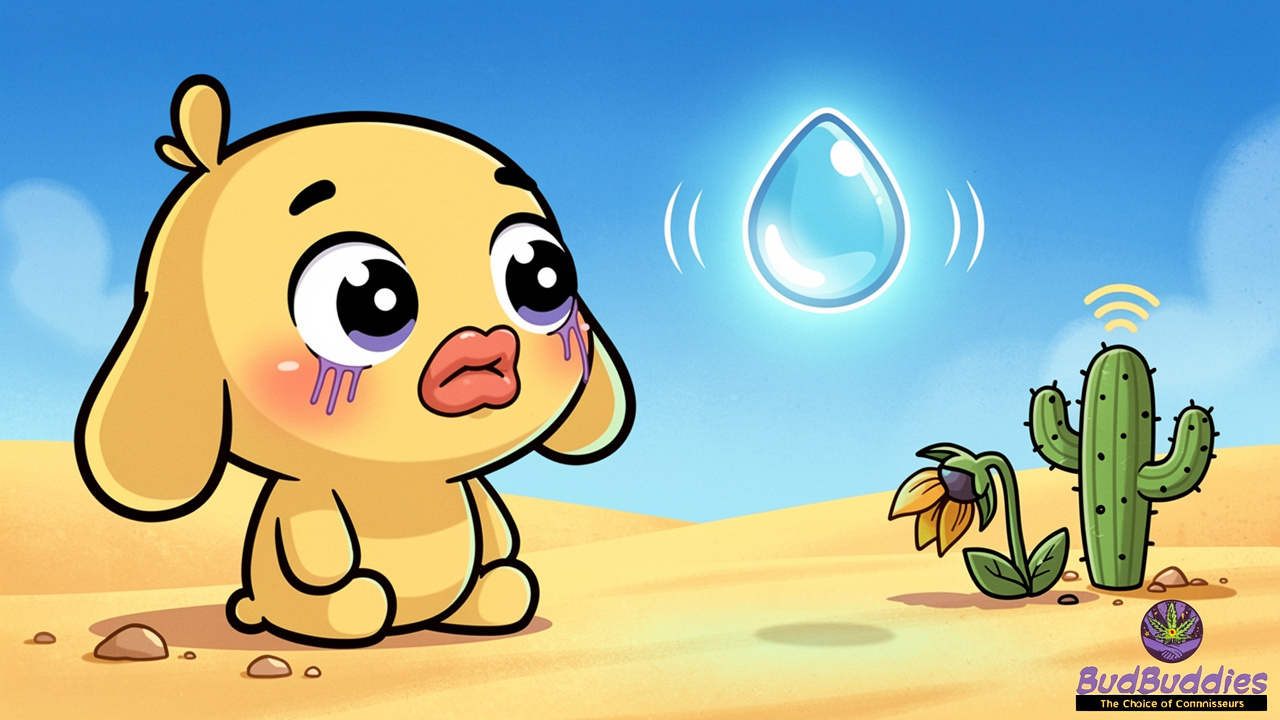
THC reduces saliva production and dries out mucous membranes, an effect most people know as cotton mouth. That drying effect doesn’t stop at your mouth, and it can reduce fluid levels right across your body. When you’re dehydrated, your brain can shift slightly within the skull, pulling on pain-sensitive tissue and setting off a dehydration headache. Drinking water before, during, and after your session is the simplest fix there is.
Overconsumption and “Greening Out”
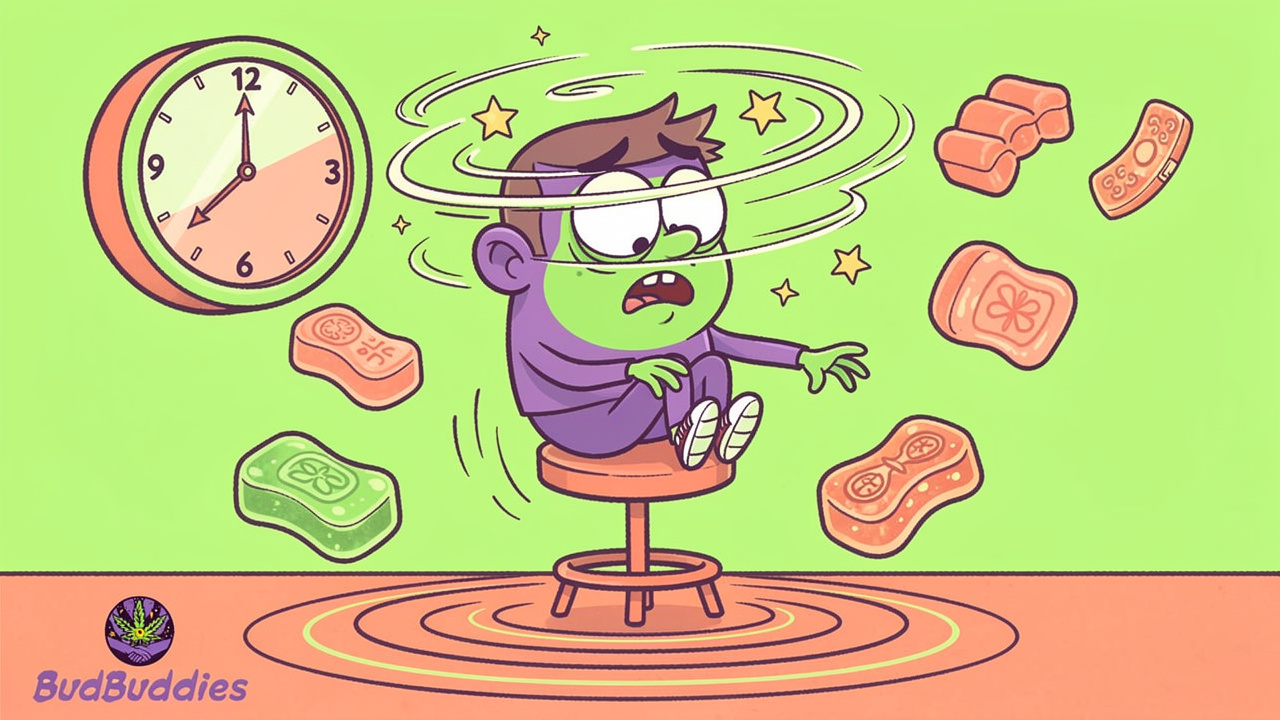
Taking more THC than your body can comfortably handle can trigger greening out, an uncomfortable mix of a pounding headache, nausea, dizziness, and sweating. Edibles carry the highest risk here because effects take 30 minutes to two hours to appear, which tempts people to eat more before the first dose has even kicked in. BudBuddies labels every edible clearly and recommends waiting a full 90 minutes before considering more, which keeps THC intake predictable rather than accidental.
Strain Choice and THC Sensitivity
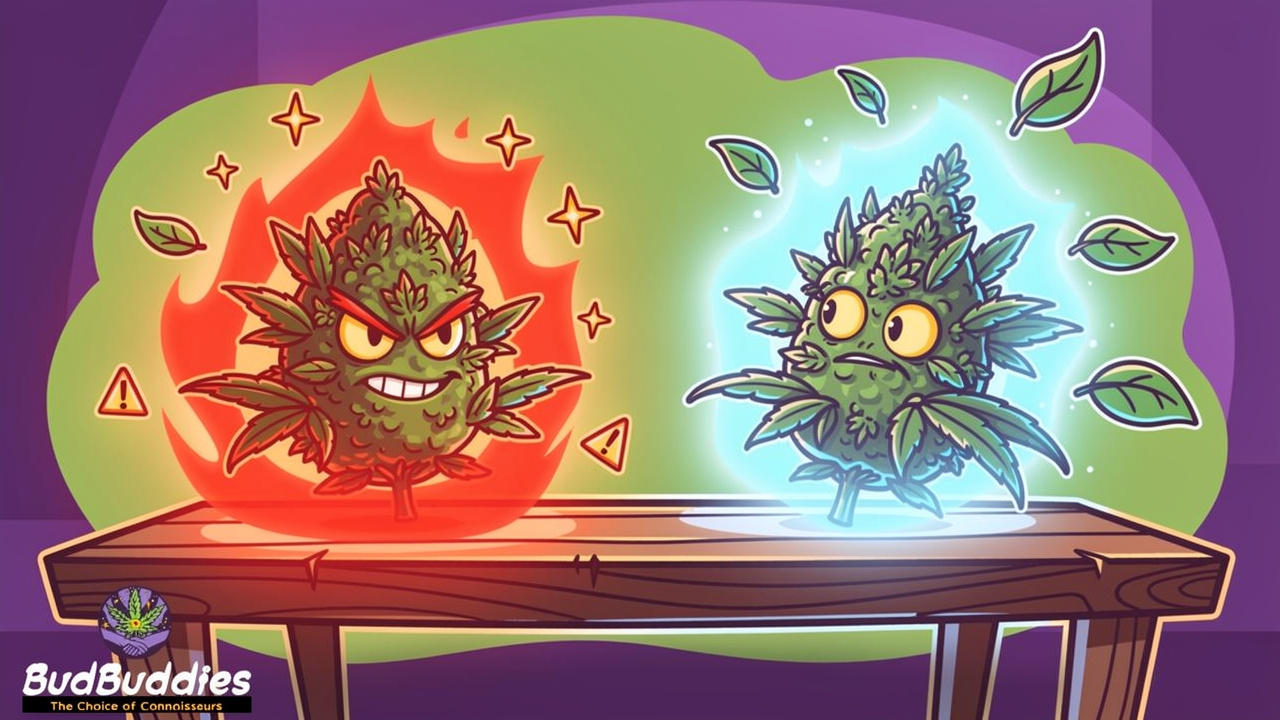
High-THC, low-CBD strains can overstimulate the nervous system, and certain terpene profiles, heavy myrcene in particular, may add the sense of head pressure some users describe as headachy. Sensitivity also varies a great deal between people, and newcomers or anyone returning after a long break often react more strongly than regular users who’ve built up tolerance. For a gentler option, the brand stocks high-CBD, low-THC strains such as Harlequin and Cannatonic, which offer relief without that same intensity.
Low-Quality Cannabis and Contaminants
Cannabis grown with pesticides, affected by mould, or poorly cured can carry irritants that provoke head pain long before you notice anything wrong with its flavour, a risk highlighted in public health guidance on marijuana usage and risks. This is one of the strongest arguments for buying from a supplier that lab-tests every batch rather than an unregulated source. Choosing properly tested, well-cured flower removes a whole category of headache risk before you’ve even taken your first puff.
Weed Hangovers and Withdrawal Headaches
A weed hangover, mild brain fog with a dull headache the next morning, is usually down to dehydration, poor sleep, or simply taking too much the night before. Withdrawal headaches are different again, appearing when regular, heavy users cut back, and they typically settle within a week. Eating properly, sleeping well, and pacing your dose the evening before both go a long way toward avoiding either problem.
Can Weed Actually Help With Headaches and Migraines?
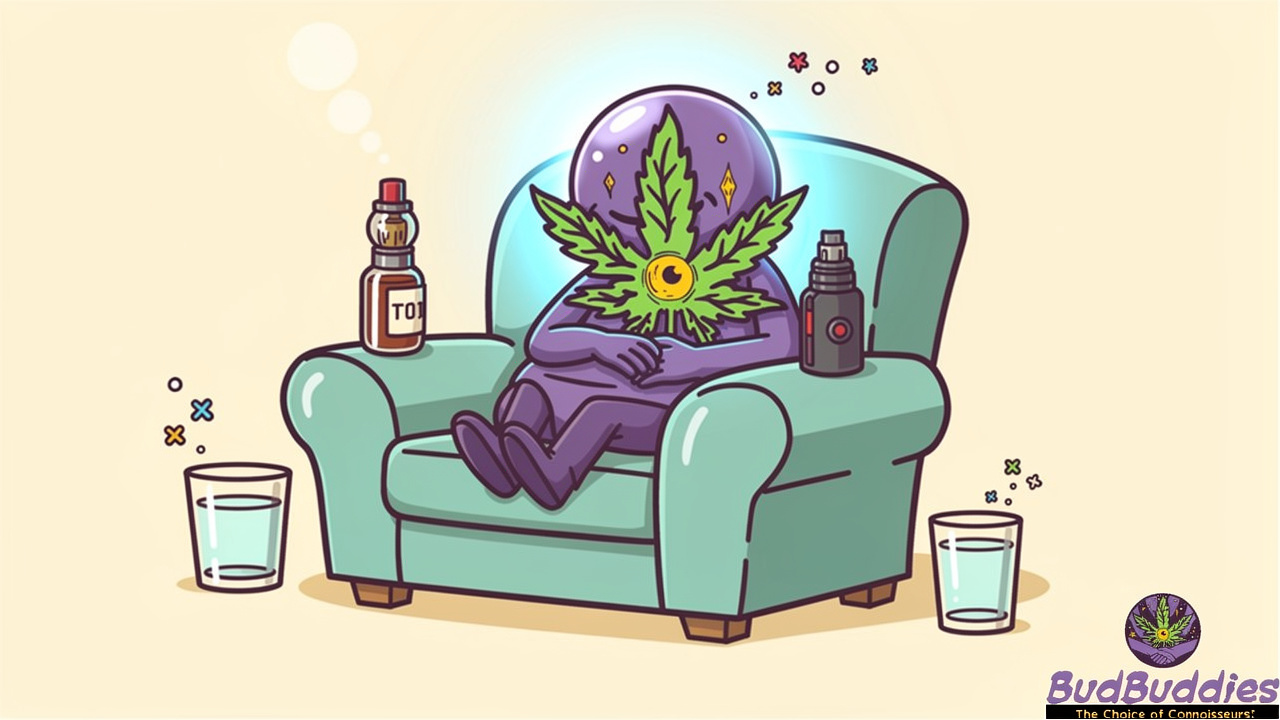
Cannabis isn’t only capable of causing headaches, it also has a long history as a headache and migraine remedy for plenty of consumers. THC and CBD both interact with pain and inflammation pathways in ways that many people find genuinely soothing rather than aggravating.
CBD and Balanced Ratios for Relief
THC delivers fairly quick relief by binding to receptors involved in pain signalling, though at higher doses that same interaction can tip into the overstimulation that causes headaches in the first place. CBD works differently, easing inflammation and calming the nervous system without much psychoactive intensity, which is why it appeals to headache-prone consumers who still want the benefits of cannabis.
Strains like Harlequin and Cannatonic, both part of the BudBuddies range, lean heavily toward CBD while keeping just enough THC for a rounded effect. Terpenes play a part too, and compounds like beta-caryophyllene act as natural anti-inflammatories, working alongside cannabinoids in what’s known as the entourage effect. Together, these compounds can support relief without pushing you toward the overstimulation that triggers head pain.
Choosing the Right Format for Relief
Vapes act quickly, usually within minutes, which makes it easier to stop as soon as you feel relief rather than overshooting your dose.
Edibles take longer to kick in but last for hours, suiting anyone who wants steady, longer-lasting relief rather than a quick hit.
Tinctures sit somewhere in the middle, offering fairly fast onset with more precise dosing than smoking or edibles typically allow.
Its vape cartridges suit anyone after fast, controllable relief, while its clearly dosed edibles work well over longer stretches without a headache flaring back up. For a middle path, tinctures and oils, including RSO, offer sublingual dosing that’s both accurate and easy to adjust as your needs change.
How Can You Avoid Cannabis Headaches?
Most cannabis headaches are preventable once you understand what’s actually driving them. It comes down to a handful of habits around hydration, pacing, and product quality, rather than needing to avoid cannabis altogether. Getting these basics right lets you enjoy cannabis, or use it for relief, without the next-day regret of a pounding head.
Practical Habits That Make a Difference
A few consistent habits make the biggest difference to whether a session ends with relief or regret. None of them are complicated, and most take seconds to put into practice.
Stay hydrated before, during and after any session, since dehydration is behind most straightforward weed headaches.
Start low and go slow with new strains or edibles, waiting at least 90 minutes before deciding whether you need more.
Choose lab-tested, quality-assured products so contaminants and inconsistent potency aren’t adding to the risk.
Avoid mixing cannabis with alcohol or heavy caffeine, since both can compound head pain through their own effects on blood vessels.
Reach out to the customer support team by live chat or email if you’d like dosing guidance tailored to what you’re using.
The Takeaway
Whether cannabis gives you a headache or takes one away comes down to the same handful of variables every time, dose, strain, hydration, method, and your own body chemistry. There’s no universal rule here, which is exactly why paying attention to your own patterns matters more than copying someone else’s routine.
BudBuddies makes that experimentation easier and safer, with a lab-tested range spanning flower, vapes, edibles, and tinctures, alongside CBD-dominant options built for headache-conscious consumers. Pair the right product with the habits covered here, hydration, pacing, and quality sourcing, and cannabis is far more likely to work with you than against you.
Frequently Asked Questions
Here are quick, honest answers to the questions we hear most often about cannabis and headaches.
Can Smoking Weed Cause a Headache the Next Day?
Yes, this is often called a weed hangover, mild brain fog and a dull headache caused by dehydration, poor sleep, or taking too much the night before. Choosing lighter, balanced products and drinking plenty of water beforehand usually stops it happening again.
Does Vaping Cause Fewer Headaches Than Smoking Flower?
Vaping avoids the combustion by-products that can irritate your sinuses, so it’s often gentler than smoking. That said, high-potency vape concentrates can still trigger a headache if overused, so precise dosing with a cartridge still matters more than the method itself.
Why Do I Get a Headache From Edibles Specifically?
Edibles take 30 minutes to two hours to kick in, which leads many people to eat more before the first dose has worked, resulting in overconsumption. Waiting the full 90 minutes before taking any more is the simplest way to avoid it.
Can CBD Alone Cause Headaches?
CBD is generally very well tolerated and rarely causes headaches on its own. If you’re prone to cannabis headaches, a CBD-dominant flower or isolate is a sensible, lower-risk starting point while you work out what suits your body best.
How Long Does a Cannabis Withdrawal Headache Last?
Withdrawal headaches typically ease within a few days and rarely last longer than about a week. Staying hydrated, keeping active, and getting decent sleep during that stretch tends to make the adjustment noticeably more comfortable.
Should I Combine Painkillers With Cannabis for a Headache?
It’s best to be cautious about combining any substances, including over-the-counter painkillers, without personal medical advice, and official guidance on the use of cannabis for medical purposes recommends discussing any combination with a healthcare provider first. If headaches are frequent or severe, speak with a healthcare professional who knows your full health picture before combining treatments.

