


Does Weed Help or Hurt Revision? Honest Science
Introduction
When you ask does weed help or hurt revision, the honest answer is that it mostly hurts your studying. Cannabis and revision rarely mix well in the moment, although it can sometimes help around the edges of your routine.
The confusion comes from mixed stories. One friend swears it helps them focus, another ends up lost in their phone for hours.
This guide breaks down when the answer to does weed help or hurt revision is firmly no, and where there is a narrow yes for some adults. You will see how THC and CBD affect memory, focus, sleep, and anxiety, with plain-English guidance and clear examples.
So, keep reading to see how this plays out in real study life and how BudBuddies at budbuddies.cc fits in.
How Cannabis Actually Affects Your Brain During Revision
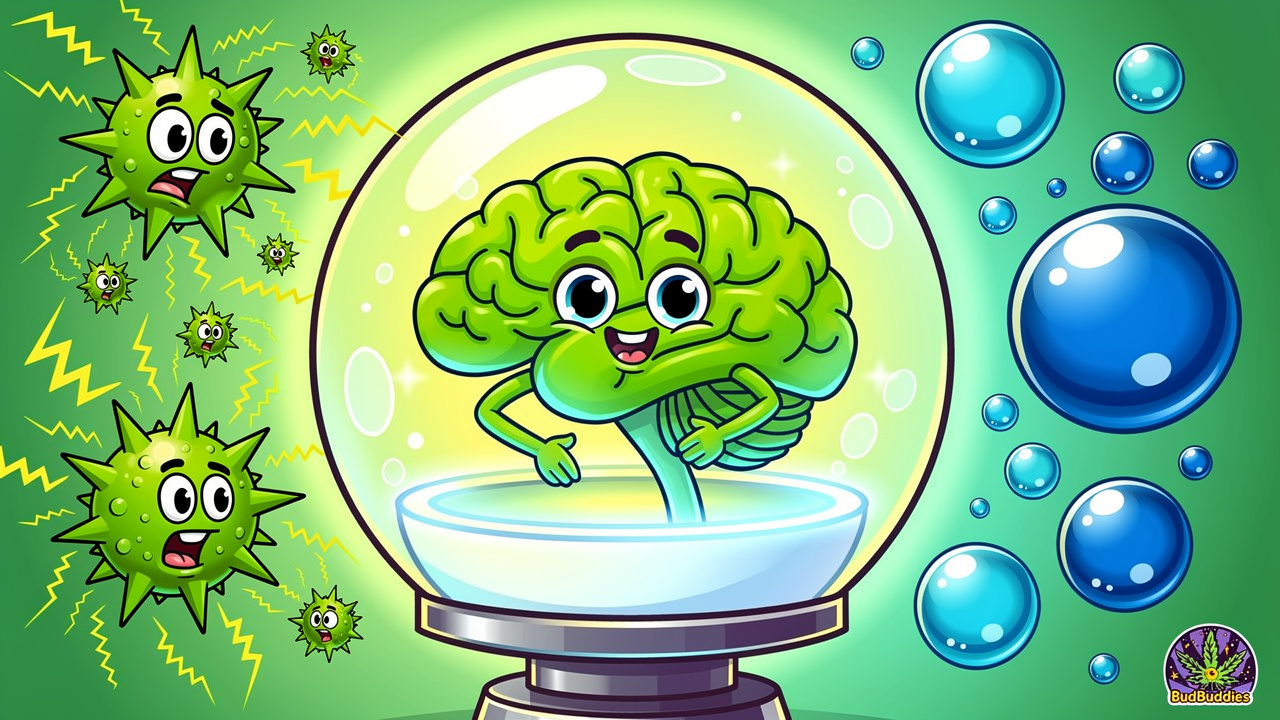
Understanding how cannabis acts on your brain while you revise is the key to answering whether it helps or hurts. When people ask does weed help or hurt revision, they are really asking how THC and CBD affect memory and focus.
THC, or tetrahydrocannabinol, binds to CB1 receptors in areas like the hippocampus and prefrontal cortex. These regions handle memory formation, attention, and planning. When THC is active, signalling in these areas becomes noisy, so new information is stored less clearly and recalled less reliably.
A meta analysis of 11 controlled trials found that acute THC use impaired attention, memory, and learning compared with placebo in healthy adults, and research such as the Frontiers | Young adult cannabis cognition study further links circulating endocannabinoid concentrations with measurable cognitive performance differences. For revision, that matters. You might feel deeply into your notes, yet the brain systems that record facts, formulas, or quotes are working below their usual level.
CBD, or cannabidiol, behaves very differently. It does not create a high, and research links it with reduced anxiety and calmer mood without clear memory impairment (National Institute on Drug Abuse). Some adults find that small CBD doses help them feel settled enough to sit down and start revising, without the fog that high THC can bring.
So what does this mean in practice?
Studying while high on THC makes it harder for the hippocampus to encode new material. You may understand a concept in the moment, yet struggle badly to recall it the next day because the memory trace is weak.
Revising when only CBD is active is far less likely to harm memory. Many people can read, take notes, and recall information at their normal level while using CBD products, especially at modest doses that simply take the edge off nerves.
The THC to CBD ratio of a product is a central detail. A balanced or CBD-forward product has a very different impact on revision compared with a high-THC strain that barely contains any CBD at all.
Once you see this mechanism, the science behind does weed help or hurt revision stops feeling like guesswork.
Many memory researchers sum it up this way: you remember best when your brain is clear, calm, and rested, not intoxicated.
Why Weed And Active Revision Are A Poor Match
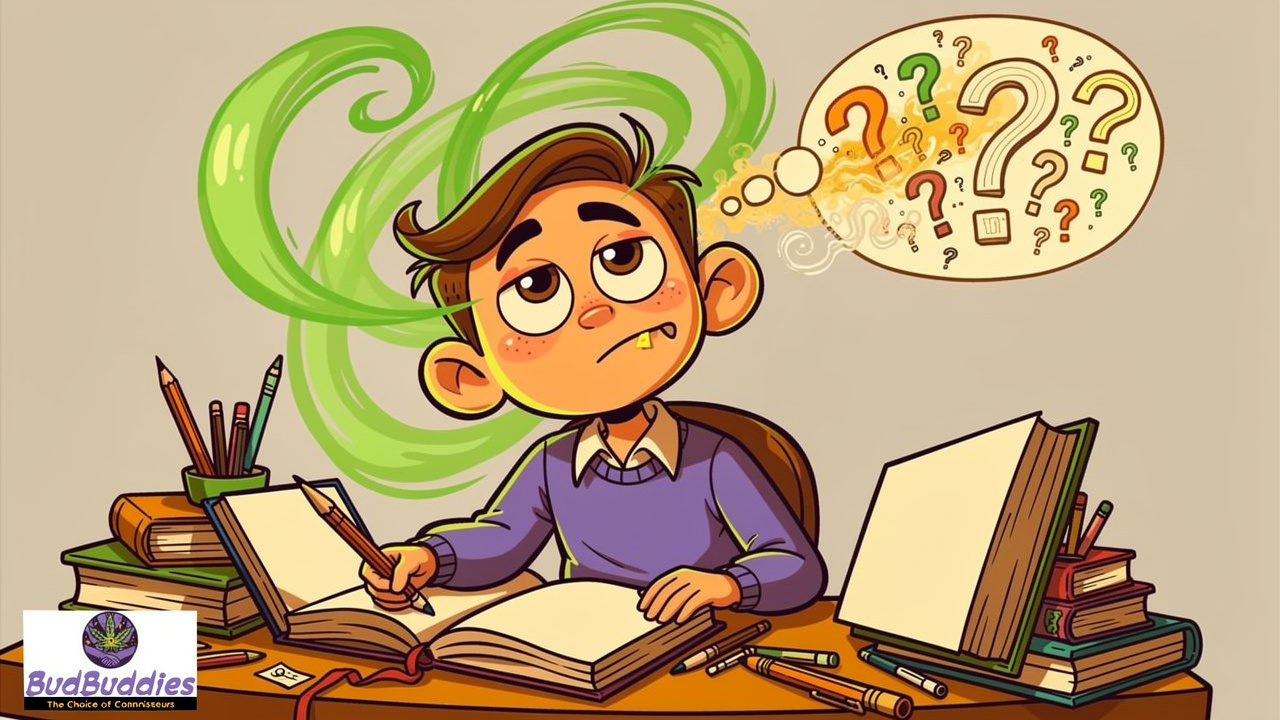
When you look at cannabis during active study sessions, weed and revision fit together badly for most adults. For the main question of does weed help or hurt revision, revision while high sits firmly on the hurt side.
Short-term memory is the first problem. THC directly interferes with the process that moves information from short-term awareness into longer-term storage. Experimental work shows people remember fewer words, images, and story details when they learn them under THC than when they are sober (Neuroscience & Biobehavioral Reviews). That is exactly the opposite of what you want during revision.
There is also the familiar “stoned epiphany” effect. Concepts feel crystal clear in the moment. You may write a paragraph that seems genius at midnight, only to read it the next morning and realise it is vague or muddled. The feeling of insight does not always match actual understanding.
Now add executive function to the picture. The prefrontal cortex helps you plan essays, follow multi step calculations, and stick with boring but necessary tasks. Acute THC blunts this system, which is why long problem sets or dense reading can feel impossible once you are properly high.
The motivation side matters too. Research summarised by the National Institute on Drug Abuse reports links between frequent cannabis use, lower academic performance, and reduced drive. That does not mean one joint ruins your degree, but heavy, daily use can gradually pull energy and focus away from study.
Here is how these pieces show up during real revision:
You revise a topic while high and feel confident, but 24 hours later your recall is patchy. The issue is not your intelligence. The material was never properly encoded while THC was affecting the hippocampus, so your brain has less to pull from during the exam.
You keep waiting to feel “in the zone” before opening your notes. Over time, the brain starts to expect cannabis before hard tasks. According to a systematic review and meta-analysis on Cannabis Use During Adolescence and young adulthood, frequent use links with lower educational outcomes, which fits this pattern of delayed or skipped work.
You start a study task, get distracted, and slide into something easier such as scrolling or chatting. With executive function dulled, sticking with a demanding chapter or set of past papers feels harder than usual, so you quietly avoid it.
Taken together, these effects explain why, during active revision, the honest answer to does weed help or hurt revision is that it almost always makes performance worse.
Where Cannabis Can Play A Constructive Role Around Revision

Cannabis still has a possible place around revision if you handle timing, dose, and product choice with care. The very narrow area where does weed help or hurt revision leans towards help is before or after study, not during it.
One clear example is extreme exam anxiety. For some adults, nerves are so strong that opening a textbook feels impossible. In those cases, a small amount of CBD, or a very low dose balanced product, may soften the edge enough to get started. CBD has been linked with reduced anxiety in controlled studies without the memory problems that THC brings (Harvard Medical School).
Sleep is another big piece. The brain strengthens memories while you sleep, especially in deeper stages. The Sleep Foundation notes that adults usually need 7 to 9 hours per night for good cognitive function. If racing thoughts keep you awake after long revision days, a CBD oil or CBD-dominant flower may support a calmer wind down, which indirectly helps learning.
As sleep researchers often point out, you don’t just study to learn; you sleep to keep what you learned.
Here are three times cannabis can sit more comfortably alongside revision:
Pre-session anxiety support with CBD can help when nerves are the main block. A measured dose of CBD oil or CBD capsules from BudBuddies can help some adults feel settled enough to sit at their desk, without the high that interferes with memory.
Post-revision wind down for relaxation works better than revising while high. After you close the books, a small amount of an indica-leaning or balanced strain can act as a reward and help the body relax. BudBuddies flower listings highlight which strains lean more towards calm evenings, so you can pick deliberately.
Creative brainstorming away from heavy memorisation can sometimes benefit from THC. For subjects that need lateral thinking, such as art or concept planning, some adults find a modest THC dose encourages freer association. Even then, it is still wise to do the final structured work when sober.
BudBuddies at budbuddies.cc is set up to support this kind of thoughtful use. Product pages describe cannabinoid content, terpene profiles such as limonene or myrcene, and suggested use cases in clear language. That gives you honest context rather than vague promises.
Used like this, cannabis does not turn you into a revision machine. It simply supports mood, recovery, or creativity around the edges, while the actual memorising still happens when your head is clear.
Strain, Format, And Dose: Why Not All Cannabis Is The Same

To answer does weed help or hurt revision properly, you also need to look at what kind of cannabis you are talking about. Strain type, format, and dose shape the effect more than many people realise.
Sativa leaning strains such as Amnesia Haze or Blue Dream from BudBuddies often feel lighter and more cerebral for many adults. Indica heavy strains lean towards body relaxation and drowsiness, which is better suited to after-study recovery than lecture notes or maths problems. Balanced hybrids sit between the two, offering a softer mental lift with some body calm. These labels are rough guides rather than strict science, but many users do notice patterns over time.
Cannabinoid ratios matter just as much. A high-THC strain with almost no CBD tends to feel more intense, with stronger effects on short-term memory and anxiety. A balanced strain, closer to a 1:1 THC:CBD ratio, usually feels gentler. Terpenes like limonene and pinene are often linked with brighter, more alert states, whereas myrcene is associated with heavier body calm.
Format changes the whole rhythm of a session. Here is a quick comparison:
| Format | Typical Onset Time | Typical Duration | Revision-Friendly Use Case |
|---|---|---|---|
| Flower (smoked or vaped) | Minutes | 1–3 hours | Easier to keep cannabis separate from study by using only after sessions |
| Vape cartridges | Minutes | 2–4 hours | Good for controlled, small evening doses when you want quick feedback |
| Edibles | 30–120 minutes | 4–8 hours | Harder to fit around revision because effects last long and can creep up |
| CBD oils or capsules | 30–90 minutes | Several hours | Suitable for steady background calm without intoxication |
According to Healthline, edible effects can last 4 to 8 hours, which is a long time if you misjudge timing on a study day. This is why many adults keep edibles for days off and lean towards inhaled formats or CBD oils when exams are close.
Dose is the final piece. Microdosing means taking such a small amount of THC that you feel only a slight shift, if any, rather than a full high. Reports from experienced users suggest that microdosing can sometimes support mood or light focus, but once the dose creeps up, the same memory problems appear.
BudBuddies supports this careful approach with:
Lab-tested flower and vapes that state THC and CBD percentages clearly, so you can match potency to your plans.
Precision-dosed edibles and CBD products that make it easier to start low and go slow, instead of guessing.
Detailed strain notes that highlight whether a product leans more towards daytime clarity or evening relaxation, helping you pick something that will not steamroll your revision schedule.
When you combine the right strain, the right format, and a thoughtful dose, you give yourself far more control over how cannabis sits alongside your study life.
The Bottom Line
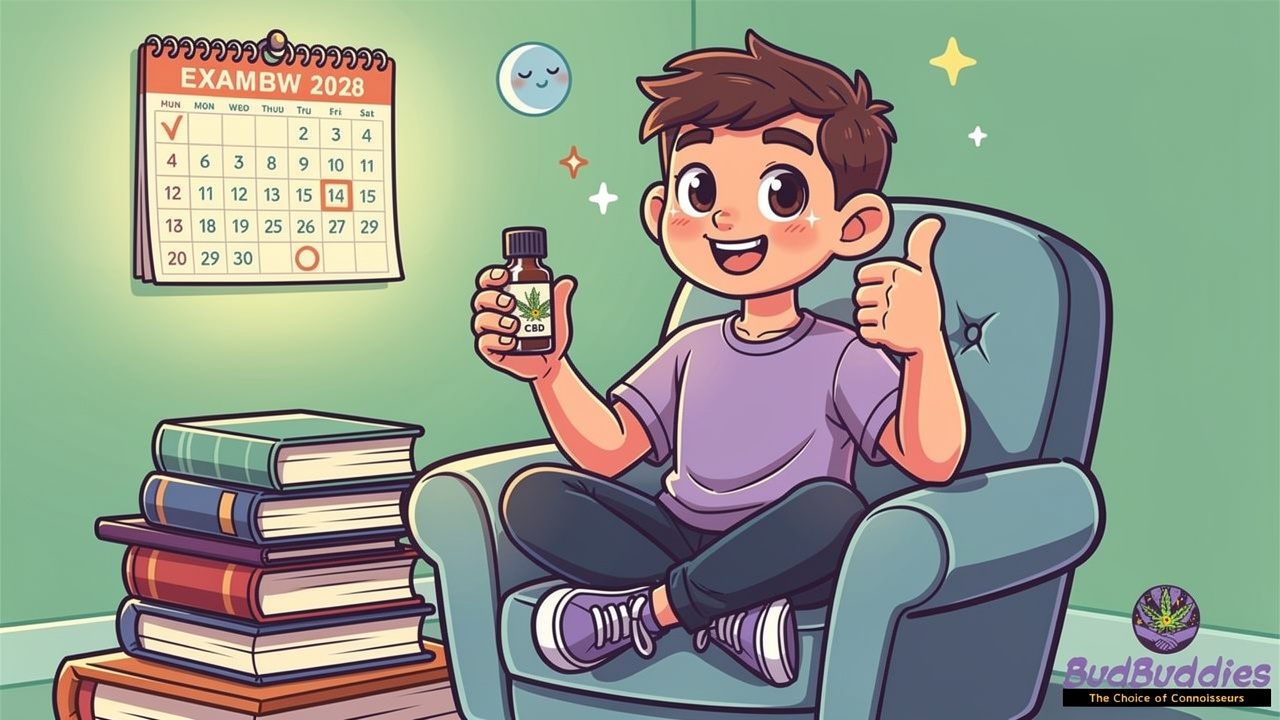
Pulled together, the best answer to does weed help or hurt revision is that weed usually hurts revision if you use it while you are studying. THC interferes with the memory and planning systems that exams rely on, even when it feels as though everything makes sense in the moment.
Cannabis can still sit around revision in a support role, mainly for anxiety relief, sleep, and post-study relaxation, especially when CBD-led products are involved. Honest information, clear potency data, and strain-specific guidance are what make that possible.
BudBuddies at budbuddies.cc builds its whole range around those points, so adults can make calm, informed choices rather than guess in the middle of exam stress.
Frequently Asked Questions
Question 1: Does CBD Help With Revision?
CBD can help revision indirectly by calming nerves without making you feel high. It does not show the same memory problems seen with THC in current research. Many adults use CBD oils, capsules, or CBD flower from BudBuddies to feel more settled before starting a long study block.
Question 2: Is It Better To Revise Before Or After Smoking Weed?
It is far better to revise before smoking rather than during or just before. THC can affect memory encoding for several hours, even when you feel mostly sober again. Many adults keep cannabis as a post-revision wind down and treat a joint or vape as a reward after the hard work.
Question 3: What Type Of Weed Is Best For Focus?
No strain reliably boosts focus for everyone, but lighter sativa leaning or balanced strains with modest THC and noticeable CBD are most often used for daytime tasks. Terpenes like limonene and pinene are linked with brighter, more alert moods. BudBuddies lists cannabinoid and terpene details on every product page to support informed choices.
Question 4: Can Weed Cause Long-Term Memory Problems For Students?
Heavy, frequent cannabis use, especially starting young, is linked with poorer working memory and slower processing in several large studies (National Institute on Drug Abuse). Occasional, thoughtful use by adults carries lower risk, yet many students still choose to take breaks during peak revision to keep their thinking sharp.
Question 5: Does Microdosing Weed Help With Studying?
Microdosing keeps THC low enough that you should barely notice intoxication, aiming for a light lift rather than a full high. Evidence is still mostly anecdotal, so it is not a guaranteed focus trick. If you experiment, consistent, lab-verified doses are important, which is where BudBuddies precision-dosed edibles and vape products become especially useful.

