


Does Weed Help With Social Anxiety at Uni?
Wondering whether weed helps with social anxiety at uni or quietly makes things harder?
That question sits behind a lot of pre‑party joints and sneaky edibles.
Uni piles on social pressure: freshers, house parties, seminars, group projects, flatmates you barely know. When social anxiety bites, anything that promises quick calm feels tempting.
Weed can take the edge off short term, because THC and CBD interact with systems in your brain that influence stress and mood. The catch is that the same plant can also crank anxiety up, especially at higher doses or with very strong products. This guide breaks down how cannabis affects social anxiety, why some students feel worse, how THC and CBD differ, and how BudBuddies products fit into a calmer, more thoughtful approach.
Ready to look at why many students reach for weed before stepping into the uni social scene?
Why Students Turn To Cannabis For Social Anxiety
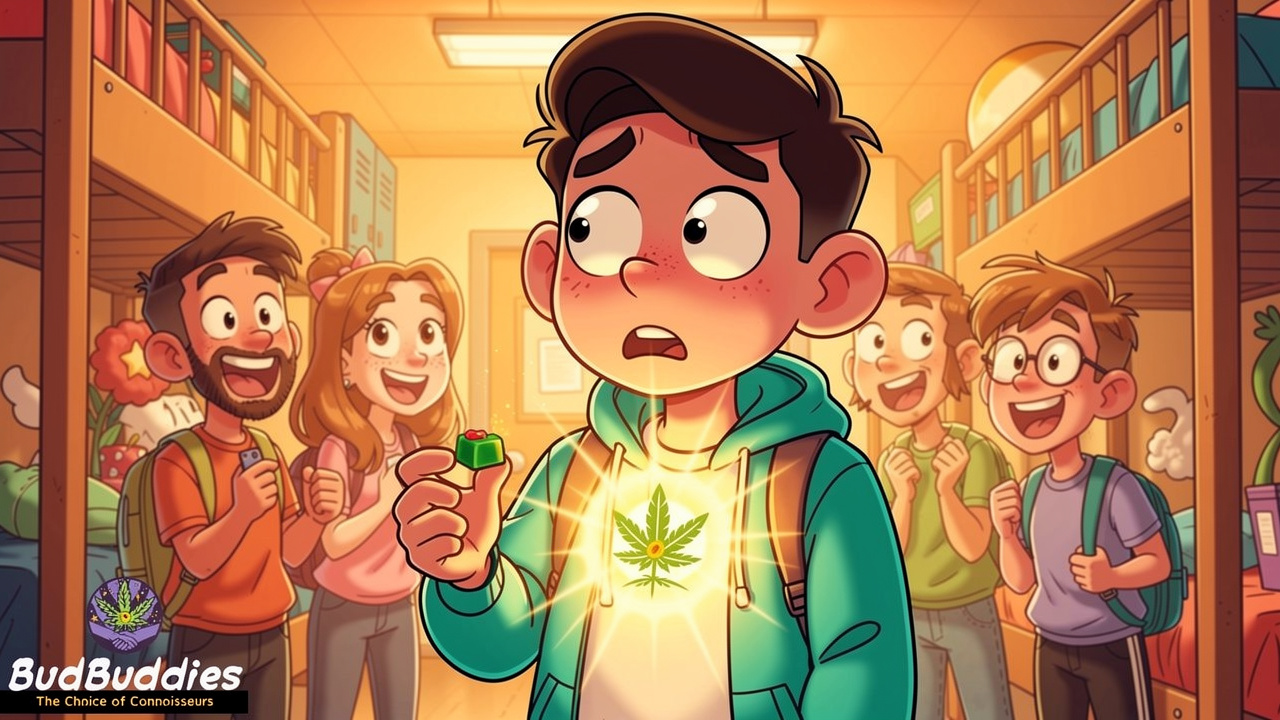
Students often turn to cannabis for social anxiety because it can quickly soften stress and make conversation feel easier. At lower doses, many people feel more relaxed, less self‑conscious, and more able to join in.
Social anxiety is common at university. The student mental health charity Student Minds notes that anxiety is one of the main reasons students seek support, which fits with crowded halls, busy seminars, and noisy kitchens. When your heart is racing before a flat party, a joint or gummy can look like the simplest fix.
Cannabis links into the body’s endocannabinoid system, which helps regulate mood, stress responses, and social reward. THC attaches to receptors in this system and can temporarily reduce the way your brain reacts to stress signals. According to the NHS, this system plays an important part in how we handle fear and threat, which is exactly what feels out of control in social anxiety.
Here is the part many students enjoy. In small amounts, THC often brings:
a warm, floaty feeling
softer inner chatter
a sense that you can laugh things off
For some, that means walking into a kitchen full of strangers feels manageable rather than terrifying. Talking flows, you care less about how you sound, and you may feel closer to the people around you.
CBD works differently. It does not cause a high, and research has started to link it with calmer thinking. A small clinical study in Neuropsychopharmacology found that a single dose of CBD lowered anxiety during a public speaking task for people with social anxiety. That is one reason CBD oils, CBD flower, and balanced products feature strongly in the BudBuddies range.
Short term, then, weed can feel like a handy social tool. The important question is what happens when you rely on it often, or when the THC dose creeps up without you noticing.
When Weed Makes Social Anxiety Worse, Not Better
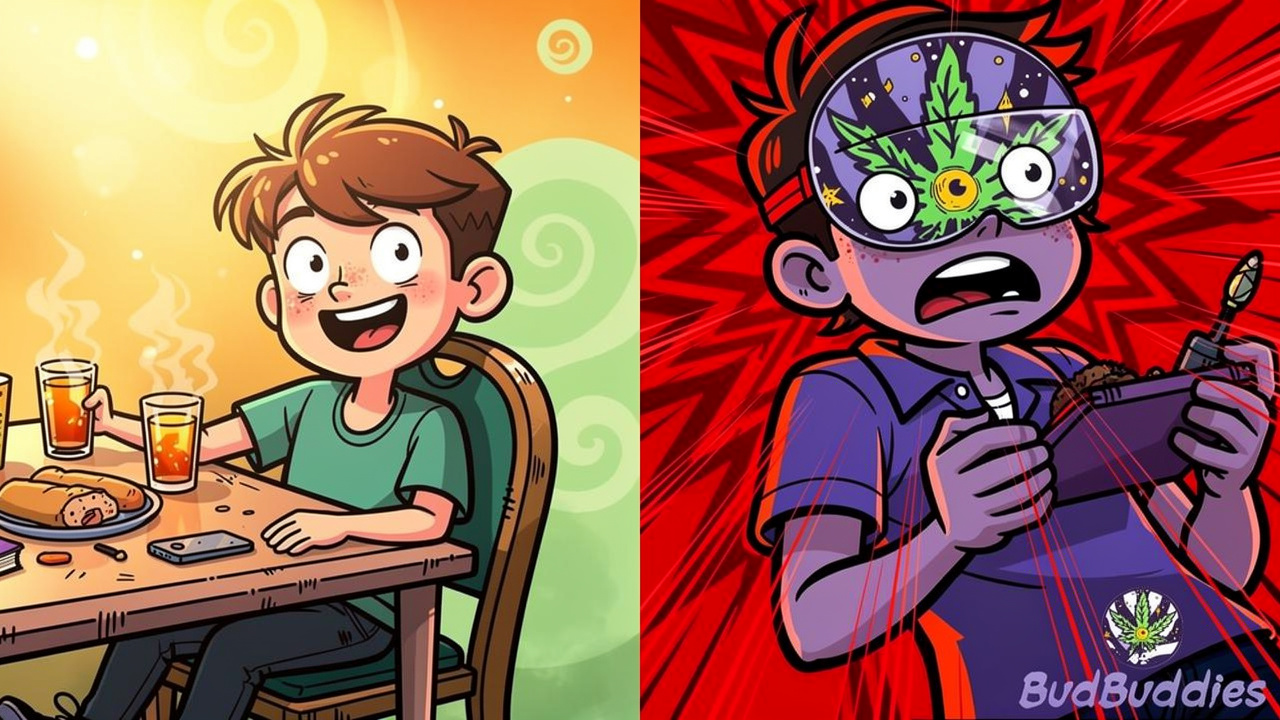
Weed can make social anxiety at uni worse when THC doses are high, products are very strong, or you start needing it every time you see people. The same plant that once felt calming can suddenly feel like the enemy.
THC has what researchers call a biphasic effect. Lower doses may relax you. Higher doses often do the opposite and push anxiety up. According to the National Institute on Drug Abuse, strong THC can trigger paranoia, panic, and a racing heart in some users, and research on Cannabis Use Disorder confirms that anxiety is among the most common adverse effects reported. For someone already worried about being judged, that rush of physical fear can be overwhelming.
This is where many students recognise the classic “too high at the party” moment, when:
your heart thumps
you overanalyse every sentence
you feel as if everyone is watching you
Modern high‑potency products make this more likely. A review in The Lancet Psychiatry reported that high‑strength cannabis is now very common in Europe, and studies on the Accuracy of labeled THC potency across products suggest that even product labels can understate actual strength, which raises the chance of intense reactions for anxious people.
There is another layer that matters for social anxiety. If you only feel able to go to events when you are high, your brain never learns that you can cope while sober. Psychologists call this an avoidance cycle. Studies summed up in The British Journal of Psychiatry have found that people with social anxiety who use cannabis mainly to cope are more likely to develop cannabis use disorder, a pattern also documented by research Examining the associations between social anxiety and cannabis outcomes in emerging adulthood.
Over time, tolerance builds. What once worked at one puff now takes three. You might start smoking before seminars as well as nights out. Heavy, frequent use links with poorer sleep, flat mood, and memory problems, which all feed back into feeling on edge. According to NIDA, around 30 percent of cannabis users develop some level of cannabis use disorder, and research on the Risk of Cannabis Use disorder among adults with pre-existing depression confirms that anxiety is one of the key risk factors.
At uni, this can quietly affect everything. You skip group work unless you have smoked. You feel unable to meet new people without a vape. Social confidence shrinks rather than grows. BudBuddies talks honestly about these patterns because knowing the risks is part of using cannabis in a more thoughtful way.
THC vs CBD: Does The Type Of Cannabis Actually Matter?
The type of cannabis matters a lot for social anxiety at uni because THC and CBD affect your brain in very different ways. Choosing between them can change whether weed feels calming or chaotic.
THC‑dominant products are what most people think of as “standard weed”. THC is the main psychoactive compound. At lower doses, some people feel relaxed, giggly, and sociable. At higher doses, especially with strong flower or concentrates, it can bring on racing thoughts, paranoia, and intense self‑awareness. Research summarised in The Lancet Psychiatry shows that high‑strength cannabis, often above 10 percent THC, is now very common — a trend confirmed by data on A 10-year trend in cannabis potency across different US regions — which makes careful dosing even more important.
CBD‑dominant products sit at the other end. CBD does not cause a high, does not distort perception, and has a very different risk profile for anxiety. The public speaking study in Neuropsychopharmacology used 600 mg of CBD and found lower anxiety during the stressful task compared with placebo. That does not mean CBD is a magic fix, yet it does suggest that CBD‑heavy products are a gentler starting point for anxious students.
Balanced THC:CBD products fall in the middle. Many experienced consumers find that CBD softens some of the sharper mental effects of THC. A moderate THC dose, buffered by CBD and calming terpenes, often feels smoother, more grounded, and easier to manage during social events.
BudBuddies leans into this more nuanced picture. Product pages clearly state THC and CBD percentages, and highlight the terpene profile so you can spot strains with myrcene, limonene, or caryophyllene that many people associate with calmer or brighter moods. That clarity matters if you want to experiment without guessing what is in your grinder.
Choosing The Right Product For Social Settings
Choosing the right cannabis product for social settings at uni means thinking about format, dose, and flavour profile, not just a catchy strain name. The aim is gentle ease, not getting so high that anxiety spikes.
Here is how the main formats compare for someone thinking about social anxiety and student life. BudBuddies offers each of these in an AAAA‑grade, lab‑tested form, with Certificates of Analysis linked on site so you can see cannabinoid and terpene details — particularly useful given research findings on the Accuracy of labeled THC in commercially available products.
| Product Type | Onset Time | Duration | Best For |
|---|---|---|---|
| Flower | Within minutes | 1 to 3 hours | Flexible dosing and shared sessions with friends |
| Vapes | 2 to 5 minutes | 2 to 4 hours | Low smell, quick relief before a seminar or party |
| Edibles | 30 to 120 minutes | 4 to 8 hours | Discreet use and long evenings or events |
| Concentrates | Within minutes | 2 to 4 hours | Very experienced users who know their limits |
For anxiety‑prone students, CBD flower, CBD vapes, or balanced products are usually kinder options than very strong THC carts or heavy concentrates. BudBuddies mixed samplers and smaller bags make it easier to test how different formats feel without committing to a large amount. Product descriptions also highlight key terpenes, so you can lean towards softer, soothing profiles rather than only relying on broad indica or sativa labels.
How To Use Cannabis More Safely At Uni (If You Choose To)
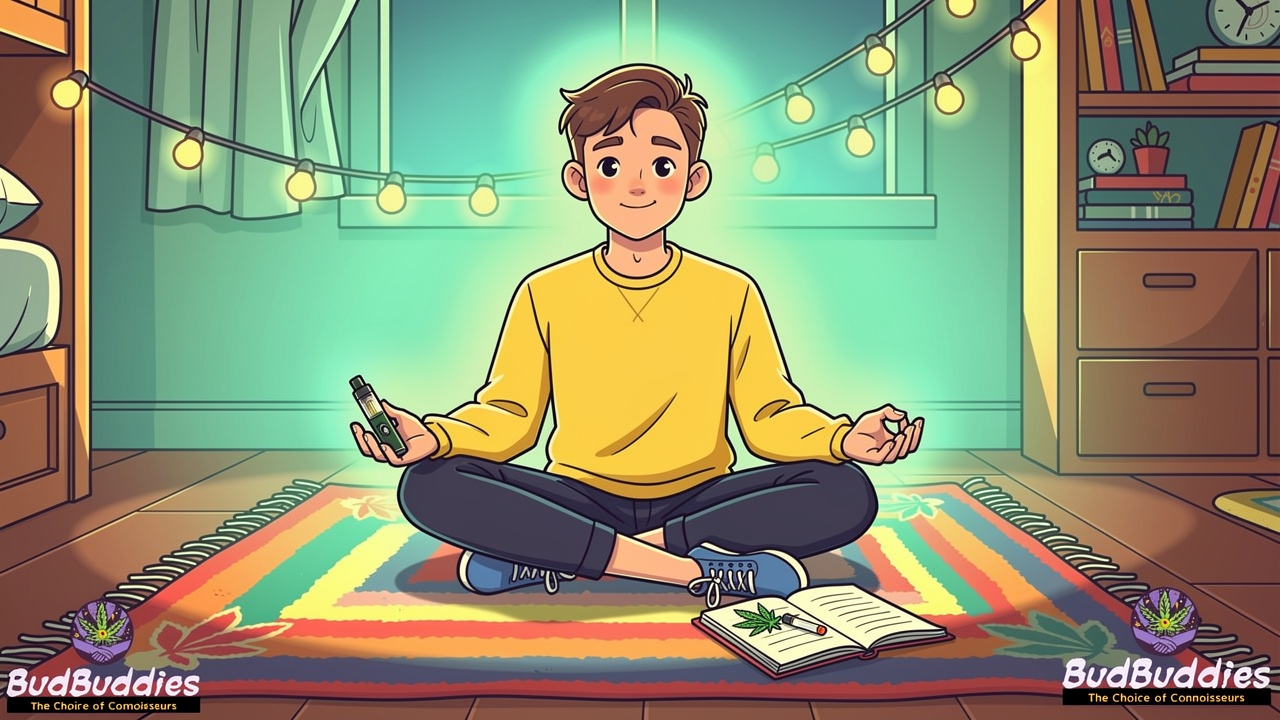
Using cannabis more safely at uni when you live with social anxiety means treating it as one tool, not your entire coping plan. Small choices around dose, timing, and product type can lower the chance of a rough night.
One simple rule is start low, go slow. This matters most with edibles, because the effects build gradually.
Health Canada advises new cannabis users to start with a low THC dose and increase gradually, paying close attention to how they feel.
Public health guidance from groups like Health Canada suggests 2.5 to 5 mg THC as a sensible starting edible dose for new users. BudBuddies edibles are precisely dosed, so you can see exactly how much THC you are taking rather than guessing from a home‑baked brownie.
Another key habit is favouring lower THC and higher CBD products when anxiety is a concern. That might mean a CBD vape before a party instead of a very strong dab, or a balanced THC:CBD flower rather than the highest number on the menu. Because BudBuddies products are lab‑tested, each batch comes with consistent strength, which helps your body learn what to expect.
Now for a point that many students underestimate. Mixing weed with alcohol often makes anxiety less predictable. The relaxed feeling at first can flip into nausea, spinning rooms, and surging panic once both substances peak. Keeping cannabis and alcohol separate gives you a clearer sense of how each one affects your social anxiety — a practice supported by research Examining the Role of anxiety sensitivity and intolerance of uncertainty in cannabis use and coping motives among college students.
Here are some practical habits that fit together with all of this:
Give yourself sober wins in social situations. Pick low‑pressure settings like a small coffee with one course mate, and go without cannabis so your brain learns it can handle contact on its own. Over time, these experiences chip away at the fear instead of strengthening the idea that you always need to be high to cope.
Pay attention to frequency, not just volume. If you notice you feel unable to attend any gathering without first using, that pattern matters more than whether you take one puff or three — research on Imposter Syndrome and Cannabis-Related problems shows that coping-motivated cannabis use is a key driver of cannabis-related harm in socially anxious individuals. Keeping a simple note on your phone about when and why you used can highlight whether weed is starting to feel like a compulsory step.
Combine cannabis with other anxiety tools, rather than letting it push them out. Organisations such as Mind and Anxiety UK describe breathing exercises, grounding techniques, and basic CBT‑style thought checks that can be practised anywhere. If you choose to use weed, letting these skills share the job means you are less dependent on any single method.
Create a calm, predictable ordering routine. For many socially anxious students, the process of buying can feel stressful in itself. BudBuddies offers discreet, smell‑proof packaging, tracked delivery, and clear communication from checkout to doorstep, which removes a whole layer of uncertainty and helps the whole experience feel calmer.
Tip: If your cannabis use keeps creeping into more situations, pause and talk it through with a friend, counsellor, or your uni wellbeing team before it starts to feel automatic.
If your anxiety feels heavy most days, talking with a GP, counsellor, or uni wellbeing team is just as important as what you keep in your stash box. Weed can sometimes smooth the edges, but it does not replace proper support.
The Bottom Line

The bottom line on weed and social anxiety at uni is that it can bring short bursts of relief while also carrying real risks, especially when THC doses climb or use becomes constant. How it feels depends on the product type, the amount, and what else you are doing to look after your mental health.
For many socially anxious students, CBD‑forward or balanced products, used thoughtfully and in moderation, fit better than chasing the strongest THC in the room. BudBuddies gives you a clear way to explore that path, with AAAA‑grade flower, edibles, vapes, and CBD oils that are all lab‑tested and discreetly delivered through budbuddies.cc.
Use this information as a guide, not medical advice, and pair any cannabis experiment with honest self‑reflection and real support when you need it.
Frequently Asked Questions
Does CBD Help With Social Anxiety At University?
CBD can help some students feel calmer without the intense high that comes from THC. Small studies in journals such as Neuropsychopharmacology suggest CBD can reduce anxiety during stressful tasks. BudBuddies offers CBD oils, CBD flower, and full‑spectrum options that give a gentle entry point if you are curious and want to start cautiously.
What Is The Best Type Of Cannabis For Social Anxiety?
The best type for social anxiety usually has moderate or low THC with plenty of CBD. Balanced THC:CBD flower or CBD‑dominant vapes and gummies tend to feel steadier than very strong concentrates. Terpenes matter as well, so strains with soothing profiles like myrcene or limonene can feel friendlier. BudBuddies product pages explain these details in plain language.
Can Weed Make Social Anxiety Worse?
Yes, weed can make social anxiety worse, especially at high THC doses or when used every time you socialise. Strong products can trigger racing thoughts, paranoia, and a pounding heart. Over time, relying on cannabis to cope can also reduce your sober confidence, which leaves you feeling even more anxious without it.
How Do Edibles Compare To Smoking For Social Anxiety?
Edibles have a slower onset and longer duration than smoking or vaping. That can be helpful for a long event but riskier if you take too much, because you cannot quickly dial back the effect. Starting with 2.5 to 5 mg THC is sensible. BudBuddies edibles are precisely dosed, which makes careful, measured use much easier.
Is It Safe To Mix Cannabis And Alcohol At Uni Social Events?
Mixing cannabis and alcohol is not recommended, particularly for students with social anxiety. The combination often intensifies disorientation and can flip a relaxed mood into panic very quickly. Keeping them separate lets you judge the effects of each more clearly and reduces the chance of a night that feels out of control.

