


CBD Full Spectrum vs Broad Spectrum vs Isolate Benefits
Introduction
Cannabidiol, commonly known as CBD, represents one of over 100 compounds found naturally in the cannabis plant. When considering the use of CBD, it’s important to understand the differences between CBD full spectrum vs broad spectrum vs isolate. Unlike its famous cousin THC, CBD won’t does THC get you high or alter your mental state. Instead, this non-psychoactive compound works with your body’s endocannabinoid system—a complex network that helps regulate sleep patterns, mood, pain perception, and immune responses.
“The endocannabinoid system represents one of the most important physiologic systems involved in
establishing and maintaining human health” – Dr. Bradley Alger, University of Maryland School of Medicine
The wellness market has seen an explosion of what is CBD over recent years, with everyone from athletes to office workers exploring natural alternatives for their health concerns. However, walking into any CBD shop or browsing online can feel overwhelming when faced with terms like “full spectrum,” “broad spectrum,” and “isolate.”
What exactly separates these different types of CBD oil, and why does it matter for your wellness routine?
The fundamental difference lies in what else comes along for the ride with your CBD. Full spectrum products pack in all the natural compounds from the hemp plant, including trace amounts of THC and aromatic terpenes. CBD isolate, on the other hand, strips away everything except pure cannabidiol. This distinction affects everything from taste and potency to drug test results and therapeutic benefits. Understanding these hemp extract types empowers you to choose a product that aligns perfectly with your needs and lifestyle preferences. The full spectrum vs isolate CBD debate centers on whether you want the complete plant experience or pure, isolated cannabidiol, with the entourage effect playing a crucial role in this decision.
Understanding Full Spectrum CBD

Full spectrum CBD preserves the cannabis plant’s complete cannabinoid profile during extraction. This means your bottle contains not just CBD, but also:
- Minor cannabinoids like CBG oil (cannabigerol), CBN (cannabinol), and CBC (cannabichromene)
- Aromatic terpenes such as myrcene and terpene limonene effects
Think of it as getting the whole orchestra instead of just the lead violin.
The magic happens through what researchers call the “entourage effect.” This theory suggests that cannabis compounds work better together than in isolation, creating synergistic interactions that may enhance therapeutic benefits. Dr. Ethan Russo, a neurologist and cannabis researcher, has published extensively on how terpene effects and cannabinoids complement each other’s effects.
“The synergy resulting from the combination of cannabinoids and terpenoids has been termed the ‘entourage effect'” – Dr. Ethan Russo, neurologist and leading cannabis researcher
While more research is needed, many users report that full spectrum CBD oil provides more comprehensive relief for conditions like chronic pain relief, weed for anxiety, and inflammation compared to isolated compounds.
Full spectrum products legally contain trace amounts of THC effects—less than 0.2% in the UK or maximum 1mg per container. This tiny amount won’t produce any psychoactive effects or impair your daily activities. However, it might contribute to the entourage effect while remaining well below levels that could cause intoxication.
Does the extra complexity mean compromise in other areas?
Full spectrum CBD does come with a distinctive earthy, sometimes bitter taste that reflects its plant origins. Some people describe it as “hempy” or grassy, which can be off-putting initially. The natural terpenes responsible for this flavour also give full spectrum products their characteristic aroma. Additionally, while extremely unlikely with compliant products, the trace THC content theoretically could accumulate with heavy use and potentially show up on highly sensitive drug screenings.
Decoding CBD Isolate

CBD isolate represents cannabidiol in its purest form—typically 99% or higher purity with all other plant compounds removed. The extraction process involves additional refinement steps like winterisation, where the crude oil is mixed with ethanol and frozen to separate unwanted compounds, followed by distillation to achieve crystal-clear purity.
This thorough purification creates a white, crystalline powder that’s virtually tasteless and odourless. For those who find full spectrum CBD’s earthy flavour unpalatable, isolate offers a neutral alternative that won’t affect the taste of foods, beverages, or other products it’s added to. The predictable composition also makes dosing more straightforward—you know exactly how much CBD you’re getting without variables from other compounds.
CBD isolate’s most significant advantage is its complete absence of THC. This makes it the go-to choice for individuals who must avoid even trace amounts of THC due to employment drug testing, personal sensitivity, or simply preference. Athletes subject to strict anti-doping regulations, healthcare workers, and anyone in safety-sensitive positions often choose pure CBD isolate for peace of mind.
However, this purity comes with trade-offs. Without supporting cannabinoids and terpenes, CBD isolate cannot produce the entourage effect. Some research suggests this might limit its therapeutic potential compared to full spectrum alternatives. A 2015 study published in Pharmacology & Pharmacy found that full spectrum CBD extract continued to provide benefits at higher doses, while CBD isolate’s effectiveness plateaued—suggesting the whole plant approach might offer superior therapeutic value.
“CBD isolate’s effectiveness plateaued at higher doses, while full spectrum extract continued to provide benefits” – 2015 study, Pharmacology & Pharmacy journal
Choosing the Right CBD Product for You
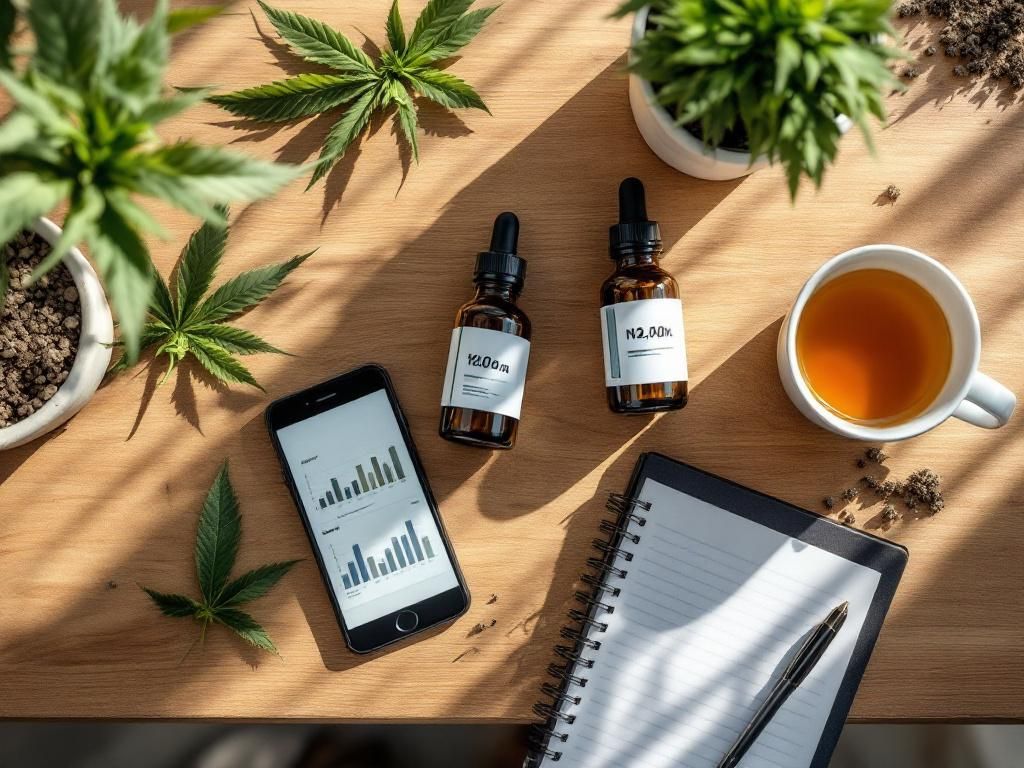
Selecting between full spectrum vs isolate CBD requires honest assessment of your priorities, lifestyle, and health goals. Neither option is inherently superior—they serve different needs and preferences within the broader cannabis product comparison landscape.
| Aspect | Full Spectrum CBD | CBD Isolate |
|---|---|---|
| THC Content | <0.2% (trace amounts) | 0% (completely removed) |
| Taste | Earthy, hemp-like | Tasteless, odourless |
| Entourage Effect | Yes | No |
| Drug Testing | Potential trace detection | Safe for drug tests |
| Therapeutic Range | Broader compound profile | Pure CBD only |
| Best For | Maximum therapeutic potential | Precise dosing, THC sensitivity |
Consider full spectrum CBD if you’re seeking maximum therapeutic potential and don’t mind the natural hemp taste. The cannabinoid profile comparison shows that full spectrum products offer the broadest range of active compounds, potentially providing enhanced benefits for complex conditions like chronic pain, anxiety disorders, or inflammatory conditions. Many experienced users prefer this approach, believing that nature got the formula right the first time.
“Whole plant extracts are superior to single-molecule extracts” – Dr. Raphael Mechoulam, often called the “father of cannabis research”
CBD isolate becomes the logical choice when you need guaranteed THC-free CBD oil UK consumers can trust for drug testing situations. It’s also ideal if you’re sensitive to other cannabis compounds, prefer neutral taste profiles, or want precise dosing without variables. Those new to CBD sometimes start with isolate to understand how pure cannabidiol affects them before exploring full spectrum options.
Your consumption method might influence this decision too. CBD isolate works beautifully in homemade edibles, topical preparations, or mixed into beverages because it won’t alter flavours. Full spectrum CBD, while more complex tasting, often works well in tinctures where the earthy flavour can be masked with carrier oils or flavourings.
Quality standards matter regardless of which type you choose. Look for brands providing comprehensive third-party lab testing that verifies cannabinoid content, pesticide absence, and heavy metal screening. Certificate of Analysis documents should be readily available and current. BudBuddies sets the gold standard here, offering premium cannabis products with complete transparency about testing and sourcing. Their commitment to quality extends beyond just CBD, ensuring every product meets rigorous standards while providing the discreet, reliable service UK consumers expect. Whether you choose full spectrum benefits or pure CBD isolate, their next day CBD delivery ensures you won’t wait long to start your wellness routine.
FAQs
Does full spectrum CBD get you high?
No, legally compliant full spectrum CBD in the UK contains very low levels of THC (under 0.2% or 1mg per product) and will not produce any psychoactive effects. The trace amounts are carefully regulated to ensure you remain clear-headed and functional throughout your day.
Can full spectrum CBD show up on a drug test?
While unlikely with products meeting legal standards, trace amounts of THC in full spectrum CBD could potentially accumulate with heavy, consistent use and be detected by highly sensitive drug tests. If drug testing is a concern, CBD isolate provides the most reliable option for avoiding any THC detection.
Is one better than the other for pain relief?
Some studies suggest full spectrum CBD may offer enhanced relief for pain and inflammation due to the entourage effect, where multiple compounds work synergistically. However, individual responses vary significantly, and some people might prefer the predictable, targeted effects of pure CBD isolate for their specific pain management needs.
Conclusion

The choice between full spectrum vs isolate CBD isn’t about finding the “best” option—it’s about finding the right fit for your individual circumstances. Full spectrum products offer the potential benefits of the entourage effect and complete cannabinoid profiles, while CBD isolate provides purity, predictability, and guaranteed THC absence. By understanding these fundamental differences in composition, effects, and practical considerations, you can make an informed decision that supports your wellness goals and fits comfortably within your lifestyle parameters.


