


Does Weed Affect Short Term Memory? Honest Guide
Introduction
Forget what you were saying halfway through a sentence after a smoke? That familiar blank spot can feel worrying.
Stories about cannabis ruining memory often sound scary and a bit vague.
So does weed affect short-term memory? Yes, mainly while THC is active in your system, but the picture is more precise than the headlines suggest. In this guide we explain what happens in the brain, how different products change the effect, whether anything lasts, and what you can do to keep a clear head. Along the way, BudBuddies will point to product choices that fit how you want to feel.
Stick with this, and by the end you will know what is going on when your mind goes foggy, and which habits help you stay sharper. This guide is for general information only and does not replace personal medical advice.
How THC Affects Short-Term Memory in the Brain
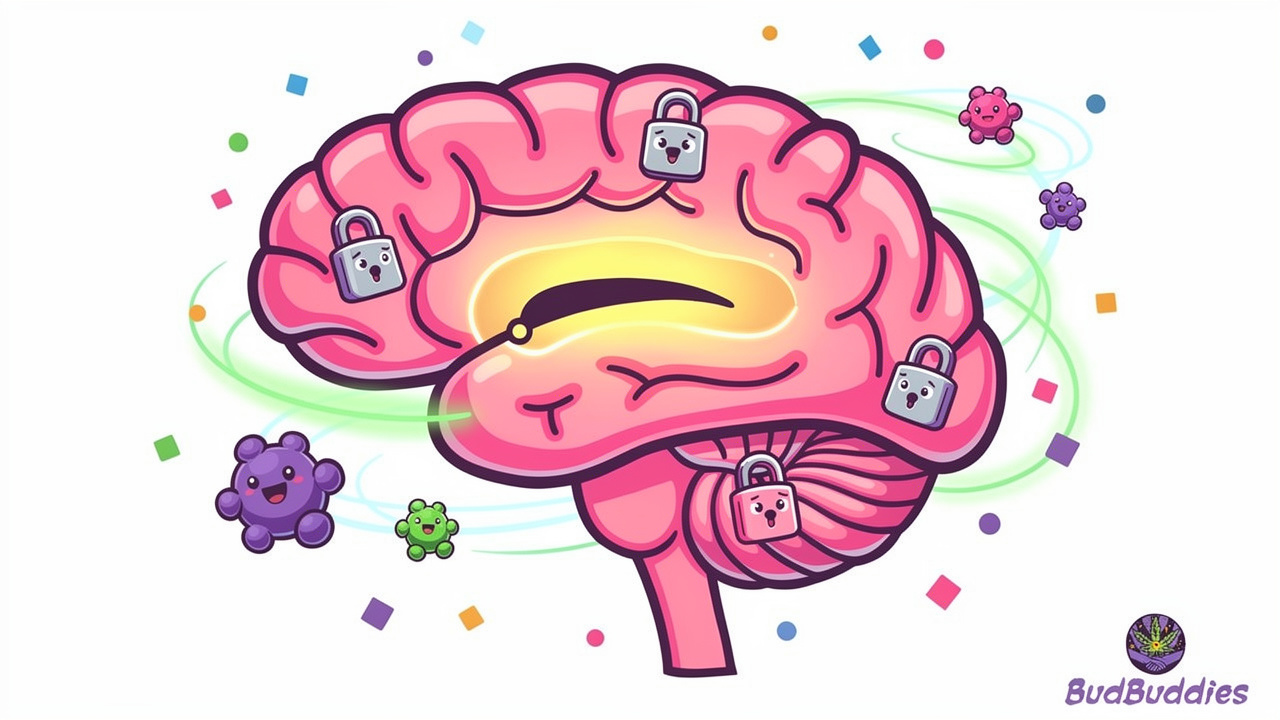
How THC affects short-term memory comes down to where it lands in the brain and which receptors it activates. When you use weed, THC changes how key memory areas handle new information rather than deleting what you already know. That is why you can remember your childhood but forget which film you just picked.
THC, or delta-9-tetrahydrocannabinol, is the main psychoactive cannabinoid in cannabis. Once you smoke, vape, or eat it, THC:
moves through the bloodstream into the brain
binds to CB1 receptors in the endocannabinoid system
concentrates in areas that control memory, pleasure, and coordination
According to the National Institute on Drug Abuse, these receptors are especially dense in regions such as the hippocampus.
The hippocampus is the part of the brain that turns short-lived experiences into stable memories. When THC overstimulates CB1 receptors there, normal signalling is disrupted. Researchers describe this as anterograde amnesia — difficulty forming new memories while you are high, not erasing memories you formed before you consumed.
That is why conversations can feel slippery or tasks can vanish from your mind a few seconds after you think of them. Your brain is still receiving information, but the handoff from short-term storage to longer storage is less efficient. Research reviewed by the National Academies of Sciences, Engineering, and Medicine concludes that cannabis reliably impairs learning, memory, and attention during intoxication.
Importantly, THC does not usually damage long-term memory stores in healthy adults who use it in moderation. Your skills, language, and older memories mostly stay solid.
“Memory is the diary that we all carry about with us.” — Oscar Wilde
BudBuddies focuses on clear product education so you can match what you buy to the level of temporary fog you are comfortable with.
Does the Effect Depend on What You’re Consuming?
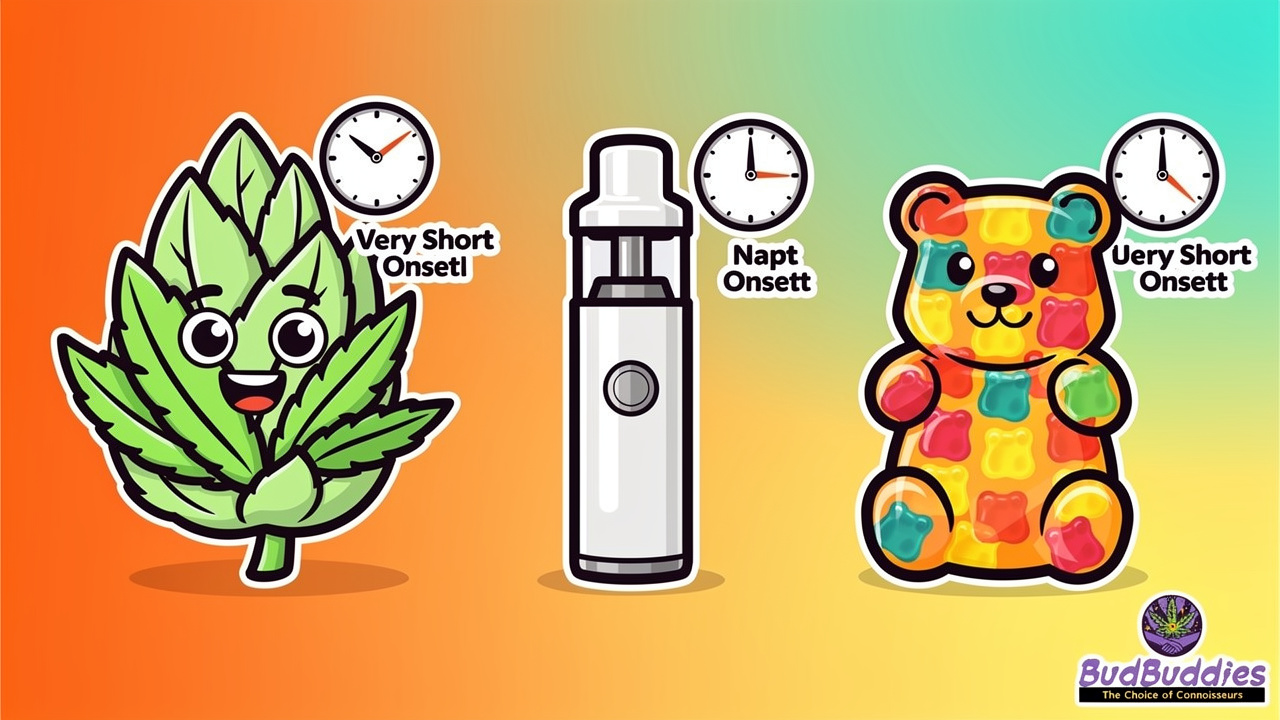
Whether and how much weed affects short-term memory depends heavily on what and how you consume. THC strength, other cannabinoids, and method of use all change the intensity and duration of that mental fog. Two people can have very different experiences from the same plant depending on format and dose.
THC concentration is the biggest factor. A small amount of mid-strength flower with around 10–15% THC usually causes milder memory effects than a dab of concentrate or a strong edible. Modern products can be far stronger than those used in older studies, and research highlighted by Harvard Health notes that average THC levels have risen steadily over the years.
Format matters as well:
Smoking or vaping: reaches the brain within minutes and peaks within about half an hour for most people. Memory issues tend to rise quickly then fade over two to four hours as THC levels fall.
Edibles: your liver converts THC into 11-hydroxy-THC, which is more potent and longer lasting. Memory disruption from brownies or gummies can stretch across an entire evening.
Your own biology also plays a part. Regular users often report less obvious short-term memory changes at doses that would overwhelm a newcomer, because their brains have partly adapted. Even then, pushing dose or potency high enough will still cloud recall during the session.
BudBuddies helps you judge this before you buy. Studies such as Accuracy of labeled THC potency across cannabis products highlight how widely actual concentrations can differ from labels, which is why every product on budbuddies.cc comes with clear cannabinoid percentages, double-checked lab results, and batch-specific Certificates of Analysis so you are not guessing how strong your flower, vape, or edible really is.
THC vs. CBD What the Difference Means for Your Memory
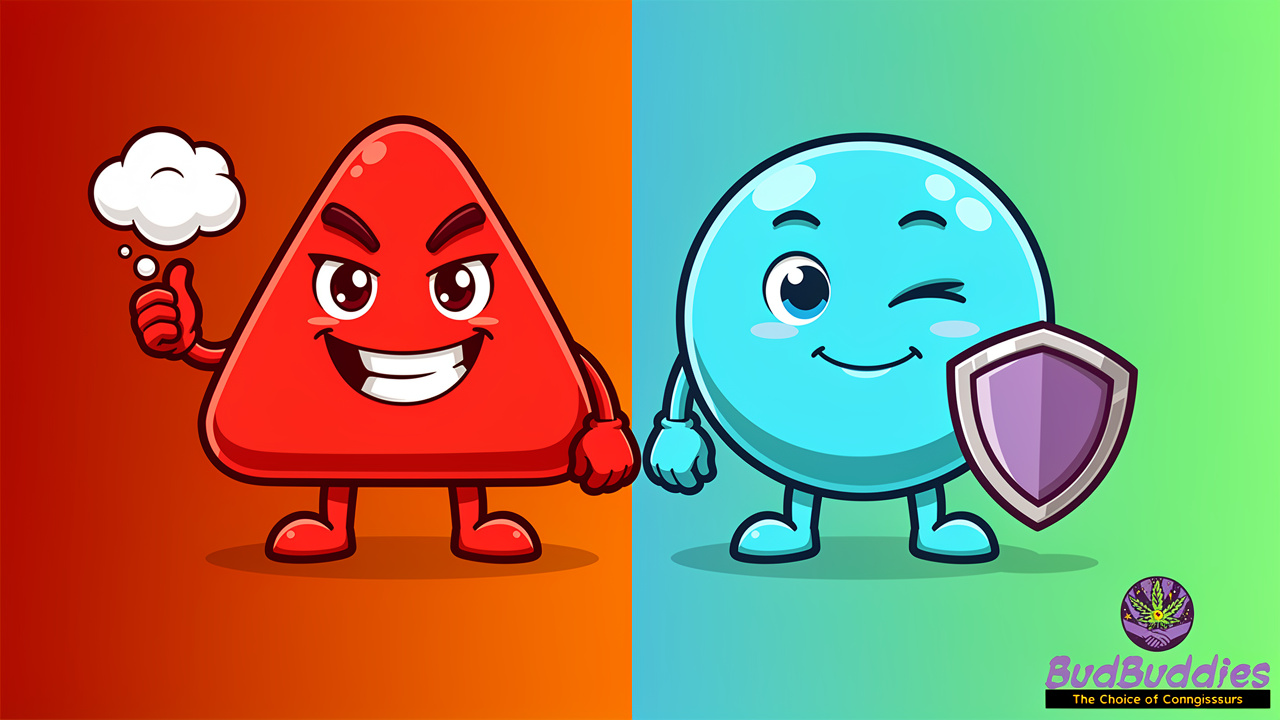
THC and CBD behave very differently in the brain, and that matters for short-term memory. THC is the cannabinoid that causes the classic high and the related memory lapses, while CBD is non‑intoxicating and does not impair recall in the same way. Several studies suggest CBD can soften some of THC’s sharper mental effects, including anxiety and confusion.
The World Health Organization describes CBD as generally well tolerated with a good safety profile, and it does not bind to CB1 receptors the way THC does. That is why CBD on its own is not linked with the same kind of short-term memory problems.
Research on Cannabidiol Gummy Products: LC-MS/MS assessment of cannabinoid concentrations also shows the importance of verifying CBD content accurately, which is why if you want the benefits of cannabis with a clearer head, balanced products with transparent labelling are a smart route. BudBuddies stocks high‑CBD, low‑THC options such as CBD flower, oils, tinctures, and wellness edibles, all with transparent cannabinoid labelling. That makes it simple to choose a CBD‑heavy product when you want to stay sharp, or a gentle THC:CBD mix when you prefer a softer, more functional high.
Are the Memory Effects Permanent or Temporary?

The big concern behind the question does weed affect short-term memory is whether any change sticks around. For most adult consumers who use cannabis sensibly, the evidence points to mainly temporary effects that fade as THC leaves the brain. Things only start to look more worrying with very heavy, long‑term use, especially from a young age.
Acute memory problems, like losing your train of thought while high, are well documented, and a Naturalistic investigation of cannabis strains varying in THC and CBD ratios and verbal recognition memory further illustrates how these effects differ across product types. The reassuring part is that these changes track closely with THC levels in the body. Once THC drops, performance on memory tests usually returns to baseline within hours or days. Reviews by the National Academies of Sciences, Engineering, and Medicine describe strong evidence for short‑term impairment but more limited and mixed findings on lasting damage in adults.
For long‑term heavy users, the picture changes slightly. A study in JAMA Internal Medicine that followed over 3,000 adults found that people with many years of frequent cannabis use did a little worse on verbal memory tests than those with little or no use, a pattern also echoed in research showing that Frontiers | Same dose, different impact can occur depending on individual biology and frequency of use. The difference was small rather than dramatic, and many functions improved after people reduced or paused their use.
Age at first regular use seems to matter more than anything. The brain continues to develop into the mid‑twenties, and research from NHS resources notes that heavy cannabis use in teens and young adults is linked with more problems in attention and memory later on. That is one reason BudBuddies speaks only to adults and keeps education front and centre.
To sum up the research so far:
Moderate adult use: memory fog is usually temporary and fades with abstinence.
Heavy, long‑term use: small but measurable effects, especially on verbal memory.
Starting young: greater risk of lasting attention and memory problems.
For adult readers who use weed now and again, the best current evidence suggests that memory fog is temporary and largely reversible. Keeping dose moderate and spacing out sessions gives your brain plenty of time to reset.
Practical Ways to Enjoy Cannabis With Less Impact on Your Memory

Practical ways to enjoy cannabis with less impact on short-term memory mostly come down to product choice and pacing. The aim is not to remove every effect but to keep your mental clarity at a level that feels comfortable. With the right habits and products, you can enjoy weed without feeling like your thoughts are slipping away.
According to summaries by the National Institute on Drug Abuse, higher doses of THC cause stronger and more persistent effects on memory and attention. That means the first and most reliable step is simply to dial back strength and dose. Balanced THC:CBD products often feel smoother and more manageable for this reason.
Tip from the BudBuddies team: Start low and go slow, especially with new products or higher strengths. You can always take a little more later, but you cannot take less once it is in your system.
Here are some simple habits that help keep your memory sharper while still enjoying cannabis:
Choose lower THC or balanced products and stick to modest amounts. A flower in the 10–15% THC range, or a gummy with a clearly marked low dose, is far easier on working memory than a very strong concentrate or high‑dose edible. BudBuddies highlights potency and ratio on every product page so you can match choices to your comfort level.
Treat edibles with extra respect and plenty of patience. Because they can take up to two hours to peak, people often top up before the first dose has fully arrived, then feel uncomfortably high with heavy memory fog. Precisely dosed BudBuddies edibles and clear serving guides make it much easier to follow that Start Low, Go Slow rule.
Time your sessions so they do not clash with tasks that need a sharp mind. Using cannabis just before work, study, driving, or complex social plans is much more likely to cause issues than saving it for relaxed time at home. BudBuddies content is written to help you think through when a product will peak and how long the main effects are likely to last.
Support your brain by resting, eating, and taking breaks from THC. Tiredness and hunger can make memory issues feel worse, and daily high‑dose use gives your brain little room to reset. Many regulars use high‑CBD BudBuddies options on some days, or take short tolerance breaks, so their favourite THC products feel smoother and less foggy when they come back to them.
BudBuddies adds an extra layer of comfort for privacy‑minded readers. Orders arrive in discreet packaging with tracked delivery, and if you are unsure where to start, live chat and detailed guides on budbuddies.cc help you find options that fit both your memory needs and your budget.
Wrapping Up
So does weed affect short-term memory? Yes. THC makes it harder to form new memories while you are high, especially at higher doses and with strong products like concentrates or edibles. For most adult users who keep things moderate, those effects fade once THC clears and do not appear to turn into permanent damage.
What matters most is what you use, how much, and when. Lower THC strengths, balanced THC:CBD ratios, thoughtful timing, and the odd tolerance break all help keep your thinking clearer.
BudBuddies exists to make those choices simpler, with a carefully selected range, clear lab results, discreet service, and calm guidance. If you want to explore cannabis in a way that respects both your memory and your privacy, budbuddies.cc is a good place to start.
Frequently Asked Questions
Question: Does weed permanently damage short-term memory?
Most evidence suggests that moderate adult use does not permanently damage short-term memory. Acute fogginess usually fades as THC leaves the system. Heavy daily use over many years can lead to lingering issues, but studies show that cutting down or stopping often brings clear improvement, especially for people who started in adulthood.
Question: Does CBD affect memory the same way as THC?
No, CBD does not affect memory in the same way as THC. CBD is non‑intoxicating and does not strongly bind to CB1 receptors in the hippocampus. Research suggests it can soften some of THC’s mental side effects, which is why high‑CBD, low‑THC products are popular with people who want to stay clear headed.
Question: Why do edibles seem to affect memory more strongly than smoking?
Edibles often affect memory more strongly because the liver converts THC into 11‑hydroxy‑THC, which is more potent. This form crosses into the brain easily and stays active for longer than inhaled THC. As a result, memory impairment from edibles can last four to eight hours, so careful dosing and patience are especially important.
Question: Can I build a tolerance to the memory effects of weed?
Yes, regular users do develop some tolerance to THC’s memory effects. Over time, a dose that once felt strong may cause less fog. That said, very heavy or constant use can still lead to ongoing problems with recall. Short tolerance breaks and occasional CBD‑based days help many people keep their baseline thinking sharper.

