


Why Does Weed Make Films Better? The Science Explained
Introduction
Many people wonder why weed makes films feel deeper, funnier, or more intense. That simple question, why does weed make films better, shows up every time people talk about cannabis and movie nights. Yet the real answer often feels fuzzy.
Cannabis does not change the film on screen; it changes the way the brain receives it. THC fits into receptors that handle sight, sound, emotion, and time, which reshapes how every scene lands. Neuroscience and psychology together explain why that shift feels so striking. This guide walks through that science in plain English and links it to strains, formats, and BudBuddies picks for film night.
“Cinema is a matter of what’s in the frame and what’s out.” — Martin Scorsese
Once you see how your brain filters what is “in the frame,” you can pick films, strains, and doses that match what you want. Now comes the fun part: see how everything fits, then build a film night that really suits you.
What Happens In Your Brain When You Watch A Film High?

What happens in your brain when you watch a film high is that cannabis retunes the systems that handle senses, feelings, and time. THC, the main psychoactive compound, attaches to CB1 receptors dotted across the brain. These receptors sit in the visual cortex, the auditory cortex, the limbic system, and areas that track passing time. Once THC is in place, incoming light and sound can feel brighter, emotions feel closer, and each moment on screen seems to stretch.
According to the National Institute on Drug Abuse, THC levels in blood tend to peak within about thirty minutes after smoking. That window lines up neatly with the point where many people feel most absorbed in a film.
Several key brain systems shift at that point:
Reward system: THC prompts extra dopamine release, the same chemical linked with pleasure, learning, and motivation. When a plot twist hits or a joke lands, that extra dopamine makes the reaction feel stronger.
Emotional circuits: THC affects the limbic system, the network behind mood and empathy. Emotions often feel closer to the surface.
Sensory processing: Visual and sound areas work a little differently, so colours, music, and small details can feel more vivid.
Time tracking: Internal clocks slow down, making scenes feel longer and more detailed.
Research from Harvard Health Publishing notes that the limbic system helps govern how strongly we react to emotional events. Under cannabis, viewers often feel tears forming quicker, or laughter starting sooner, because those circuits sit closer to the surface. Characters stop feeling distant and start to feel like people the mind already knows.
So if you are wondering why does weed make films better, time perception is one important piece. Studies discussed in Psychopharmacology report that cannabis use tends to make short periods feel longer than they are. During a film, that stretch gives each shot more breathing room, so the brain can linger on facial expressions, camera moves, and soundtrack details. A two‑hour film can feel like a rich evening spent inside another world rather than something that flashed by, and analysis of How Artistic Films Expand your thinking further explains why this heightened sense of immersion is more than just perception.
It is worth remembering that this is not the same for everyone. Tolerance, mood, and setting all shape the experience. For some, especially at higher doses, that same shift in time and emotion can feel overwhelming or anxious instead of fun, which is why going low and slow is a sensible starting point.
How Cannabis Heightens Sound And Vision During A Film

How cannabis heightens sound and vision during a film comes down to how THC affects sensory centres in the brain. Imaging studies referenced by the Journal of Neuroscience report increased blood flow in visual areas after THC intake. Many people notice colours looking richer, contrast feeling stronger, and motion appearing smoother. Stylised films like The Matrix or Spider-Man: Into the Spider-Verse can suddenly feel almost painted across the eyes.
Hearing shifts too. According to Healthline, inhaled cannabis often reaches noticeable effect within two to ten minutes, which matches the moment many viewers feel the soundtrack swell. Film scores feel thicker and more emotional, tiny background sounds suddenly stand out, and dialogue becomes easier to sink into.
You might notice:
Music feels layered, with bass lines, strings, or synths pulling more attention.
Background sound (rain, street noise, crowd chatter) pops out instead of fading away.
Voice tone in dialogue starts carrying more meaning than just the words.
That is why visually and sonically rich films reward a high viewing more than simple, talk‑heavy dramas. When sound design and cinematography already do a lot of work, cannabis can make those choices feel more obvious and more rewarding.
Why Some Films Feel Made For This Experience
Why some films feel made for watching high links back to how cannabis changes thought patterns. THC often nudges thinking into a more associative style, where the mind jumps between ideas and spots links more freely. Viewers start noticing repeated colours, background props, or small glances between characters that hint at deeper themes. A film like Inception or Donnie Darko can suddenly feel packed with clues that were invisible before.
This pattern spotting lines up well with how many modern directors work, and research exploring Expanding Minds: Artistic Film suggests that watching artistic cinema can genuinely promote conceptual expansion and verbal creativity. They hide visual motifs, slow changes in lighting, and callbacks between scenes to build meaning under the surface. Cannabis pulls more of that detail into awareness, so the viewer feels rewarded for paying attention. Instead of half‑watching while scrolling a phone, the brain treats the film like a puzzle worth solving.
Comedy gains an extra lift too. THC lowers social inhibition and increases activity in brain regions tied to reward and amusement, which makes the giggles far more likely. Surveys collected by the Global Drug Survey place relaxing with entertainment among the most common activities people pair with cannabis. During a film like Pineapple Express or The Big Lebowski, throwaway lines, background gags, and tiny facial reactions can all set off full belly laughs.
Cannabis can also help many people slide into a relaxed flow state while watching. Worries about work, messages, or tomorrow’s tasks fade into the background, and attention rests on the screen. When that happens, even a slow‑burn drama or nature documentary feels absorbing instead of dull. The whole session turns from passive time‑killing into a focused, shared event that stays in memory.
That said, not every film pairs well with being high. Very intense horror or heavy, realistic tragedy can feel much stronger under THC. If you are sensitive to anxiety, it is often better to keep those for a clear‑headed night and save your high viewing for comedies, sci‑fi, animation, or trippy visuals.
For shared film nights, and for anyone wondering why does weed make films better, that group effect matters even more. When everyone in the room drifts into the same calm, present mood, the laughs and gasps sync up. Friends remember the whole evening, not just the plot. At BudBuddies, film night guidance focuses on helping groups pick strains that support that kind of easy connection.
Does The Strain You Choose Actually Change The Experience?
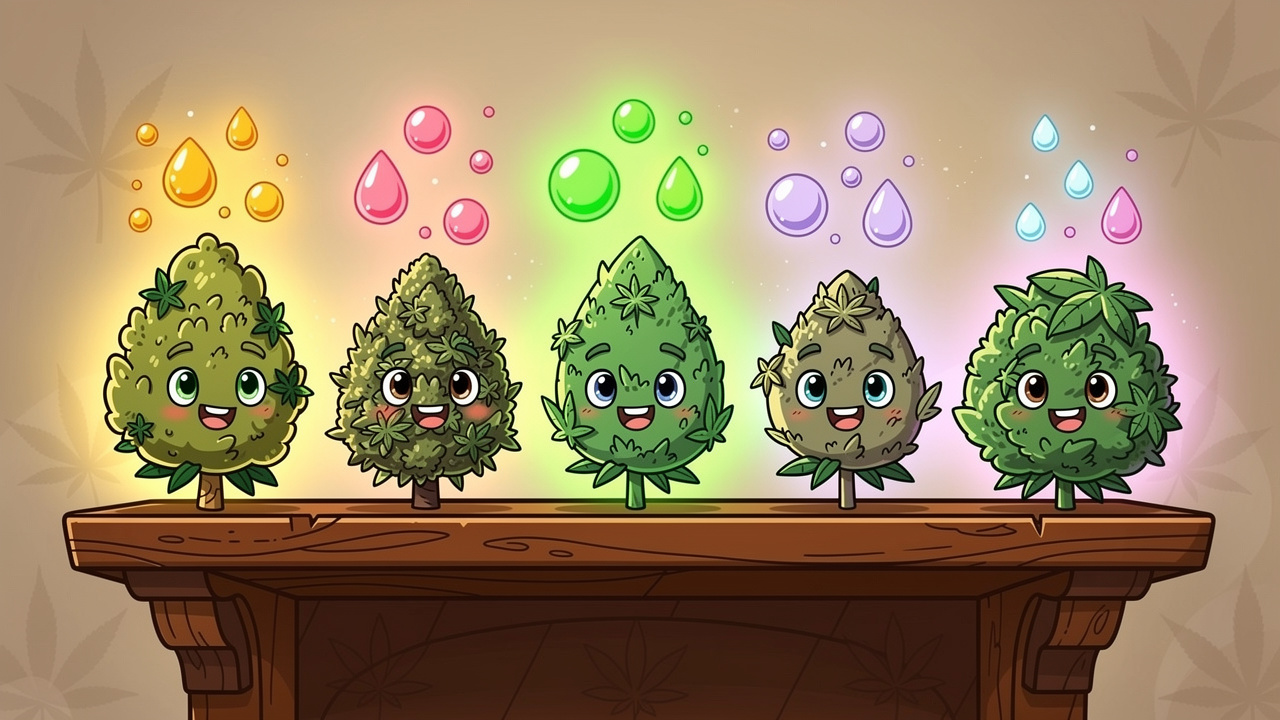
The strain you choose for a film genuinely changes how the whole viewing session feels. Different combinations of cannabinoids and terpenes shape whether the effect feels bright and chatty, heavy and dreamy, or balanced and steady. Matching that profile to your chosen film can be the difference between feeling tuned in and dozing off halfway through. This is where curated menus on BudBuddies can make planning a night feel much easier.
People still use the classic trio of sativa, indica, and hybrid as a basic map. It is not perfect science, yet it gives a handy first filter for film nights. Here is one way to think about each type when you scroll budbuddies.cc:
Sativa‑leaning strains such as Amnesia Haze often bring a lighter, more energetic head effect. They suit mind‑bending plots, quick action, and visually wild films where you want curiosity high and eyelids light. If complex sci‑fi or twisty thrillers sit on your list, this lane can work well from late afternoon into early evening.
Indica‑leaning strains such as Gelato bring more body comfort and a gentle melt into the sofa. They tend to suit cosy comedies, feel‑good animations, slow dramas, or nature films where you want to sink in and float along. Many people save these for late evening when the plan is a blanket, a film, and then bed.
Balanced hybrids like Blueberry Haze sit in the middle, offering lift in the mind with calm in the body. They are reliable all‑rounders for mixed‑bill nights where you might watch an episode, then a film, then a stand‑up special. For most people asking why does weed make films better in general, a gentle hybrid is the easiest starting point.
BudBuddies goes further by highlighting terpene profiles and effect notes on strain pages, which helps you fine‑tune even more:
Myrcene often links with deeper physical relaxation.
Limonene tends to be associated with brighter mood.
Linalool is often chosen for calm, steady focus.
With that detail at budbuddies.cc, picking a film night strain feels informed rather than random. As a simple rule, start with lower THC percentages, especially if you are not a regular consumer, and increase slowly across different nights rather than within the same one.
Which Cannabis Format Works Best For A Film Night?
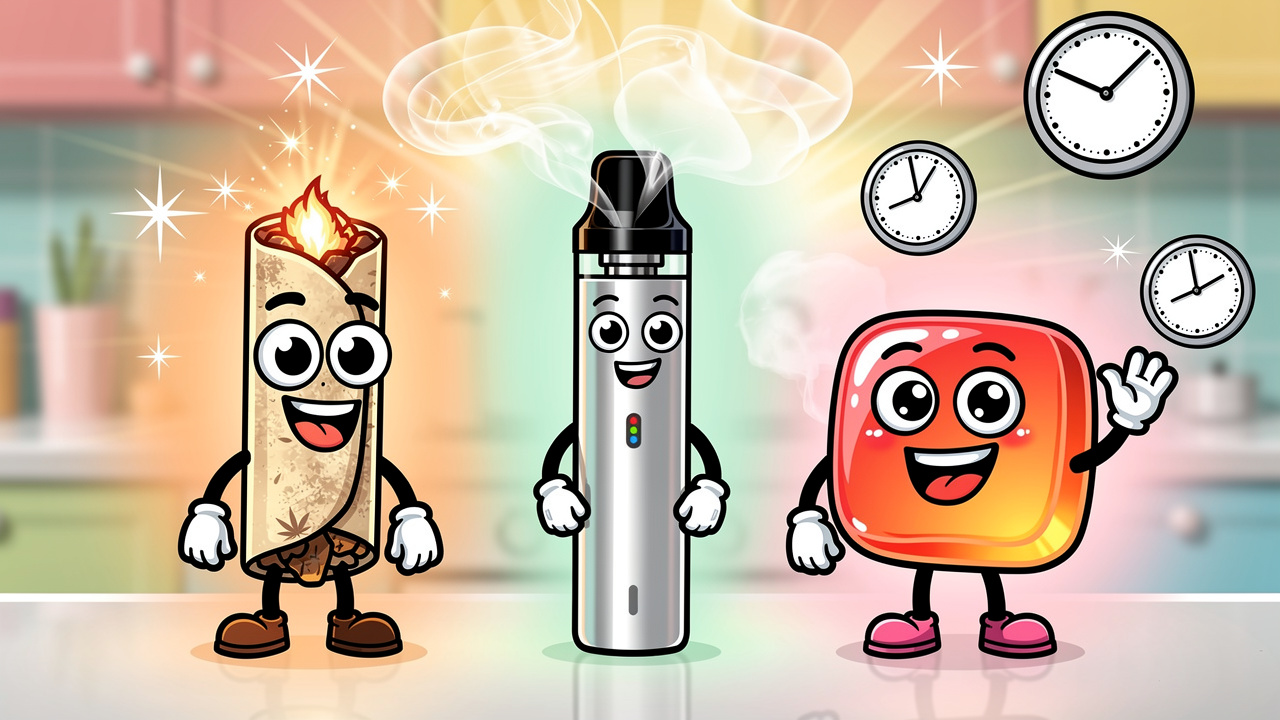
Which cannabis format works best for a film night comes down to timing, intensity, and personal comfort. Flower, vapes, and edibles all carry the same THC, yet they reach the brain at different speeds. That shapes how your high answers the why does weed make films better question. BudBuddies stocks all three main formats, with lab results and dose guidance available on product pages.
Flower gives a quick sense of how strong the batch feels. When you smoke or vape dried flower, THC reaches the bloodstream within minutes, and effects usually settle in fully within about thirty minutes, according to the National Institute on Drug Abuse. That timing suits lighting up just before trailers so you feel steady once the story starts. BudBuddies flower lines are clearly labelled so you can compare strength from one night to the next.
Vape pens and cartridges feel similar in timing, but often a little smoother on the throat and easier to dose in tiny steps. A few gentle puffs, a five‑ to ten‑minute pause, then a choice to add more keeps the effect in a comfortable zone for dialogue‑heavy films. BudBuddies offers compact disposables and refillable carts, so it is simple to keep a film night device on hand without clouds of smoke.
Edibles are the slow‑burn option. According to Healthline, edible effects usually start between thirty and ninety minutes after eating and can last six hours or more, much longer than inhaled cannabis. That length makes them perfect for double features, as long as newcomers start with around 2.5 to 5 milligrams of THC and wait at least ninety minutes before another piece.
Whatever you choose, dose awareness matters more than format:
Eat before or with your edible instead of on a totally empty stomach.
Keep water nearby; dry mouth is common and easy to handle.
If you start feeling too high, pause consumption, sip water, and give it time.
A gentle rise keeps attention on the story, while an over‑enthusiastic top‑up can leave the room spinning instead of laughing. BudBuddies prints THC amounts and clear serving information on packets, so you can plan your film night rather than guessing.
The Right Film Night Starts Before You Press Play
The right film night starts before you press play because cannabis changes you, not the film. By tuning sensory, emotional, and time‑processing circuits, THC can make colours richer, jokes funnier, and story beats more gripping. When viewers ask why does weed make films better, the honest reply is that the brain simply receives more from every frame.
A little planning goes a long way, and broader cultural commentary on Lights, Camera, Cannabis: Why Hollywood shapes normalisation shows just how mainstream the film-and-cannabis pairing has become, making thoughtful preparation all the more worthwhile:
Pick a strain that fits the mood and genre.
Choose a format that matches your schedule and tolerance.
Set a dose and stick to it, especially with edibles.
Sort the basics: snacks, drinks, comfy seating, and a film everyone is happy with.
“The best way to enjoy a movie is with your full attention.” — Common advice from film editors
Picking a strain that fits the mood, a format that fits the schedule, and a dose that fits your experience level turns that science into a relaxed evening. A bit of thought about onset times, snacks, and seat comfort pays off once the opening scene arrives. If you want help matching product to plan, BudBuddies keeps clear strain profiles, effect notes, and dosing tips ready at budbuddies.cc.
Frequently Asked Questions
Question: Does being high actually make films funnier, or does it just feel that way?
Being high really can make films feel funnier, not just imagined — a point humorously illustrated by creative cannabis-themed film reviews like The Hobbit: A Creative review, which captures exactly how cannabis reframes even familiar stories. THC reduces social inhibition and increases activity in brain regions linked to reward and laughter, so jokes hit harder and giggles start sooner. Background gags and tiny expressions also stand out more, which adds extra layers of humour.
Question: What is the best type of cannabis for watching films?
The best type depends on the film and your mood. Energetic sativa‑leaning strains suit complex plots, relaxing indica‑leaning strains suit cosy comedies, and balanced hybrids work for most sessions. At BudBuddies you can filter by effect and read terpene notes to match your plan.
Question: How long should I wait after taking an edible before starting a film?
Most people should wait around sixty to ninety minutes after an edible before starting a film. Edible THC needs time to move through digestion before reaching the brain, and starting too early means the peak arrives mid‑credits. BudBuddies includes onset guidance on edible product pages to help with timing.
Question: Can CBD make films more enjoyable without the high?
CBD can support calmer, more comfortable viewing without the classic THC high. Many adults find a low CBD dose softens background tension and helps focus on the story. BudBuddies stocks CBD oils, teas, and flower so you can build a mellow film ritual with clear headspace.
Question: Why do films I have seen before feel new when I am high?
Familiar films feel new when high because cannabis shifts pattern recognition and attention. Details that usually slip past, like colours, props, and musical cues, suddenly stand out. Time also feels slower, and emotions sit closer to the surface, so old scenes land in a fresh way.


