


Weed derealisation: how long can it really last?
Introduction
If you have just typed “weed derealisation how long” into your phone after a heavy session, you are not the only one. Weed derealisation is when the world suddenly feels unreal, flat, or dreamlike after using cannabis, even though you still know, deep down, that it is real.
For most people this strange state lasts only as long as the high, usually a few hours. For a smaller group it can linger for days or, in rare cases, many months.
This guide from BudBuddies explains what derealisation is, how long it tends to last, who is more at risk, and practical steps to steady yourself. The aim is to replace late‑night panic scrolling with clear, calm information and safer choices next time you use cannabis.
What Is Weed Derealisation And Why Does It Happen?
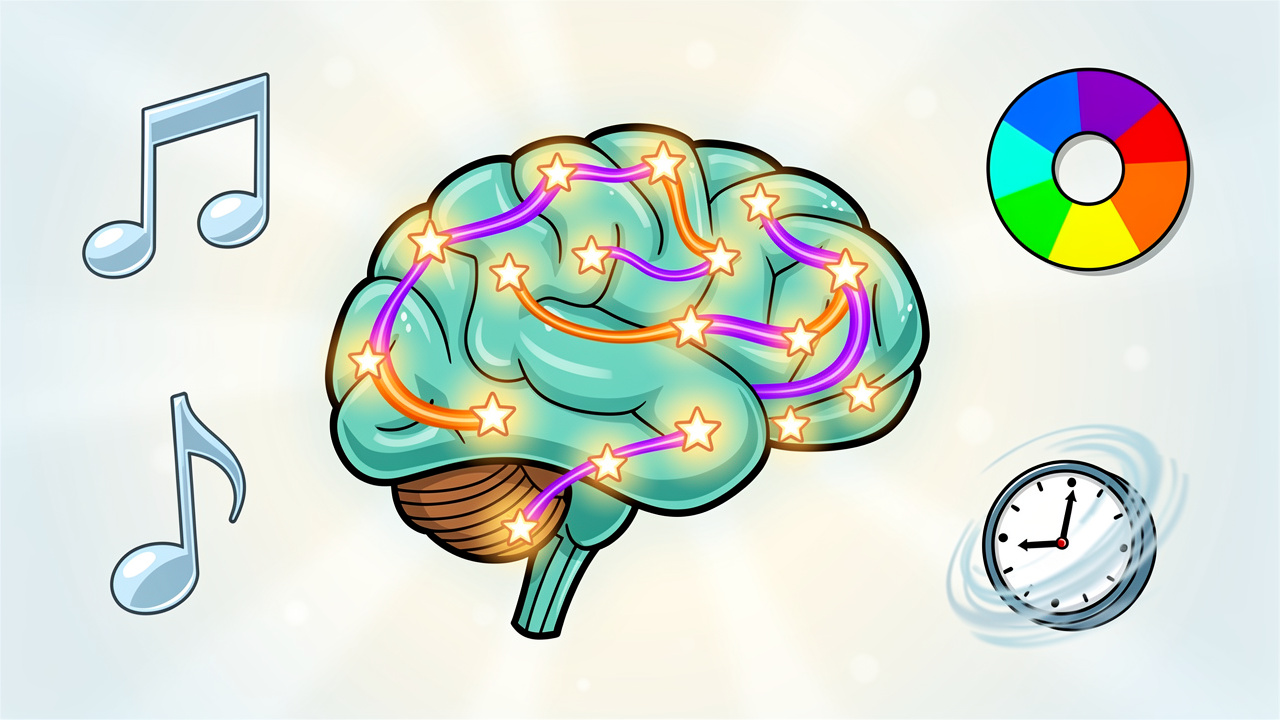
Weed derealisation describes a cannabis experience where familiar surroundings feel unreal, distant, or dreamlike, even though you still know they are real. It sits alongside depersonalisation, where you feel detached from your own body or thoughts, almost as if you are watching yourself from the outside. Together they are known as depersonalisation‑derealisation disorder (DPDR).
According to the Royal College of Psychiatrists, DPDR affects around one to two people in every hundred and often starts in the teenage years. A key feature is what clinicians call intact reality testing – you still know the world has not actually changed, even if it feels strange. That point matters because it separates derealisation from psychosis, and hearing that often brings real relief.
So why does cannabis trigger this feeling in some people? The main psychoactive compound in cannabis is THC, which acts on CB1 receptors in the brain as part of the endocannabinoid system. These receptors are heavily involved in memory, perception, and mood. Research from the National Institute on Drug Abuse shows that THC can change how the brain handles sensory information, which explains changes in colour, sound, and time during a high.
For many people that sensory stretch feels pleasant or at least manageable. For others, especially those prone to anxiety, the same shift can feel deeply unsettling — a pattern explored in depth in research on Frontiers | Self-disturbance in first-episode psychosis and cannabis interactions. Worry about “going mad” can stack on top of the altered perception, and that fear then makes the derealisation feel stronger. This anxiety loop is a big part of why symptoms sometimes linger after the cannabis itself has worn off.
High‑THC products with little or no CBD, particularly when they come from unverified sources with no lab results, seem more likely to trigger this kind of reaction. BudBuddies takes the opposite approach, with clearly labelled THC and CBD percentages and third‑party testing, so you can see what you are taking before you decide on dose.
How THC And CBD Affect The Experience Differently
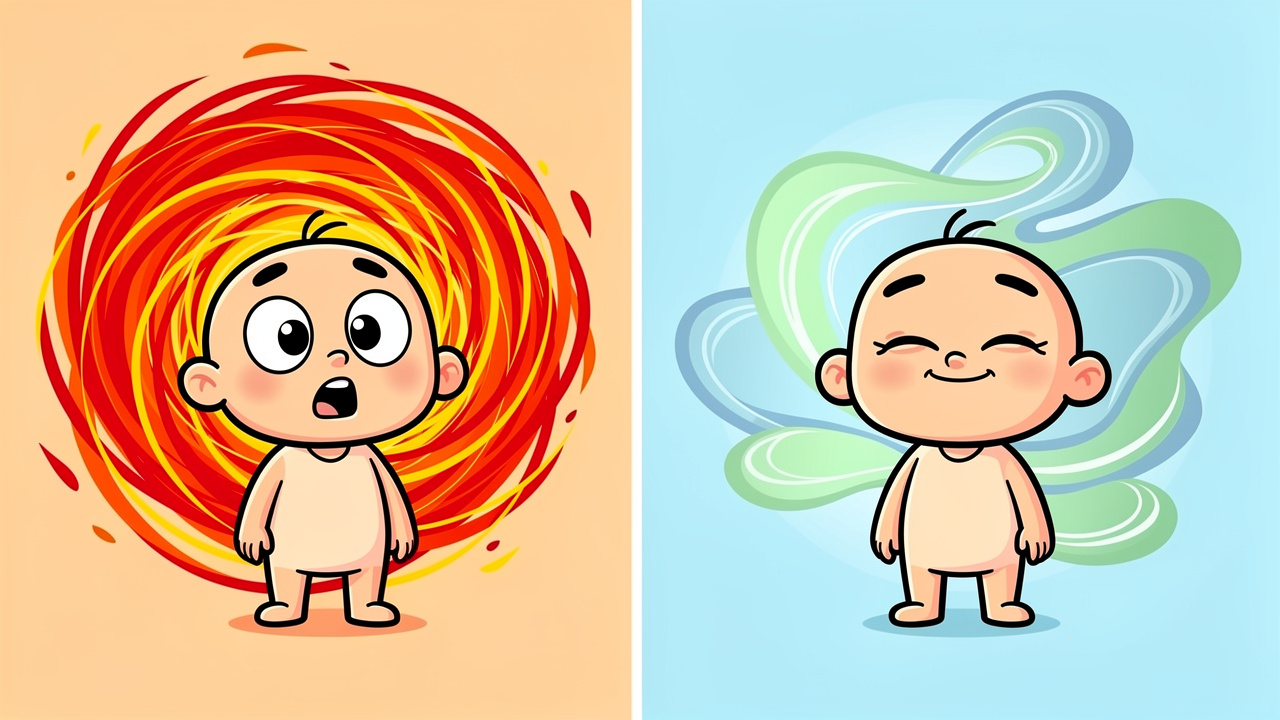
THC is the part of cannabis that makes you feel high, but in high doses it can also cause racing thoughts, panic, and derealisation. According to the National Institute on Drug Abuse, smoked cannabis usually starts to act within minutes and peaks around half an hour, which is often when any derealisation feels strongest. When the dose is too high for your tolerance, that peak can flip from dreamy to frightening.
CBD behaves very differently. It does not produce a high, and early studies suggest it has calming, anti‑anxiety effects that can soften some of THC’s impact. Products with a more balanced THC:CBD ratio tend to feel smoother and less edgy for many people, especially those who are naturally anxious. At BudBuddies you can see cannabinoid ratios on every product and choose balanced strains or CBD‑rich options when you want a more grounded experience.
How Long Does Weed Derealisation Last?
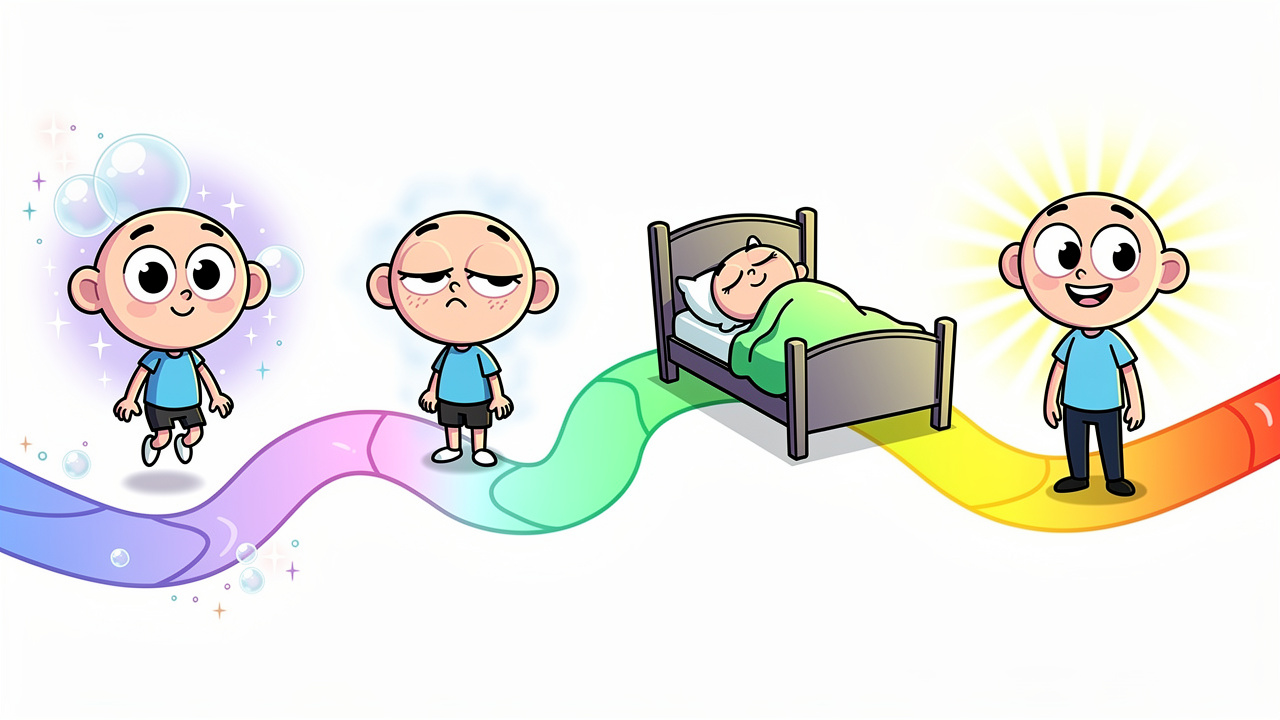
Weed derealisation duration ranges from minutes to months, depending on dose, product type, and your own sensitivity. For most people the unreal feeling peaks during the high and fades within a few hours, but a smaller group notice lingering symptoms for days or much longer.
During a typical smoking or vaping session, derealisation usually appears within the first half hour. Smoked or vaped THC reaches the brain within seconds, and effects tend to peak after about thirty minutes, then fade over two to three hours for most people, according to the NHS. If derealisation only happens at that peak and eases as you sober up, you are in the most common group.
Edibles feel different. When you eat THC gummies or baked goods, the onset often takes thirty to one hundred and twenty minutes because the dose passes through the stomach and liver first. Studies summarised by the National Institute on Drug Abuse note that ingested cannabis can last four to eight hours. That longer curve explains why derealisation from edibles can feel more drawn out and intense.
After an especially heavy or frightening session, some people describe a hazy, unreal state that lingers after the clear high has gone. This may last from a few hours up to roughly two weeks. Rest, hydration, good sleep, and a break from cannabis usually settle things in this window. BudBuddies customers often avoid this stage by following our “start low, go slow, then wait” advice, especially with edibles and concentrates.
If derealisation continues for weeks or months, even after stopping cannabis, clinicians start to talk about cannabis‑induced DPDR. Research in the American Journal of Psychiatry suggests that lifetime DPDR, from all causes, affects around two percent of people, with an average onset age of about sixteen. A small portion of that group describe cannabis as the trigger, and some live with symptoms for years without support.
Here is a quick reference guide to match common situations with typical duration:
| Scenario | Typical Duration |
|---|---|
| Derealisation only during a standard high from flower or vape | Peaks at around thirty minutes, settles within about two to three hours |
| Strong edible or heavy session with hazy feeling afterwards | Hours to several days, often gone within one to two weeks with rest and no further use |
| Persistent episodes after cannabis and between sessions | Several weeks or months, may reflect cannabis‑related DPDR and needs monitoring |
| Ongoing derealisation long after stopping cannabis | Many months or years, often labelled DPDR and best handled with professional help |
“If you feel stuck in an unreal state for more than a couple of weeks, treat it as something worth talking about, not something you have to face alone.” — BudBuddies harm‑reduction tip
Who Is Most At Risk Of Prolonged Derealisation?
People asking “weed derealisation how long” are often really asking whether they are the type who might get stuck like this. Prolonged derealisation is not random, although it can feel that way when you are in it. Certain patterns make longer episodes more likely.
According to the Royal College of Psychiatrists, DPDR is more common in people who already live with anxiety or who have had previous panic attacks. Add strong cannabis into the mix and the risk climbs. Potent products from unknown sources also bring greater uncertainty, because you cannot reliably judge dose — a concern reinforced by a Randomized Laboratory Study of cannabis and dronabinol effects that highlights how dose variability drives adverse reactions. BudBuddies reduces that guesswork with accurate THC and CBD labelling and batch‑tested products, so you know your starting point.
Key risk factors include the following:
A history of anxiety or panic. This makes derealisation more likely and more sticky. When your mind already watches for danger, even a small change in perception can trigger a fear spiral. That fear then keeps you focused on the strange feeling, which holds it in place.
Very high‑THC flower, vapes, or concentrates. Strong products can overpower even experienced users. Without clear potency information, it is easy to overshoot your comfort zone. BudBuddies lists THC percentages, terpene profiles, and suggested experience levels, which helps reduce surprise reactions.
First‑time or very occasional cannabis use. New users do not have tolerance yet. A dose that feels ordinary for a seasoned friend can feel intense for you. Starting with lower THC levels or CBD‑rich options at BudBuddies lets your system adjust more gradually.
Edibles with delayed onset. Edibles take longer to kick in, so you might think nothing is happening and take more. When both doses land together the effect can feel extreme, with a much higher chance of derealisation or panic. Clear per‑piece dosing and guidance on each BudBuddies edible help you avoid that trap.
Younger age. Teenagers and young adults appear more sensitive. DPDR often starts around sixteen, according to the Royal College of Psychiatrists, so strong cannabis at that age may hit harder.
Using in stressful circumstances or mixing substances. Using alone, in a tense setting, or mixed with alcohol or other drugs adds extra strain on the brain and nervous system. A calm, familiar place with trusted company usually feels safer and gives less room for anxious thoughts to spiral.
What To Do During And After A Derealisation Episode
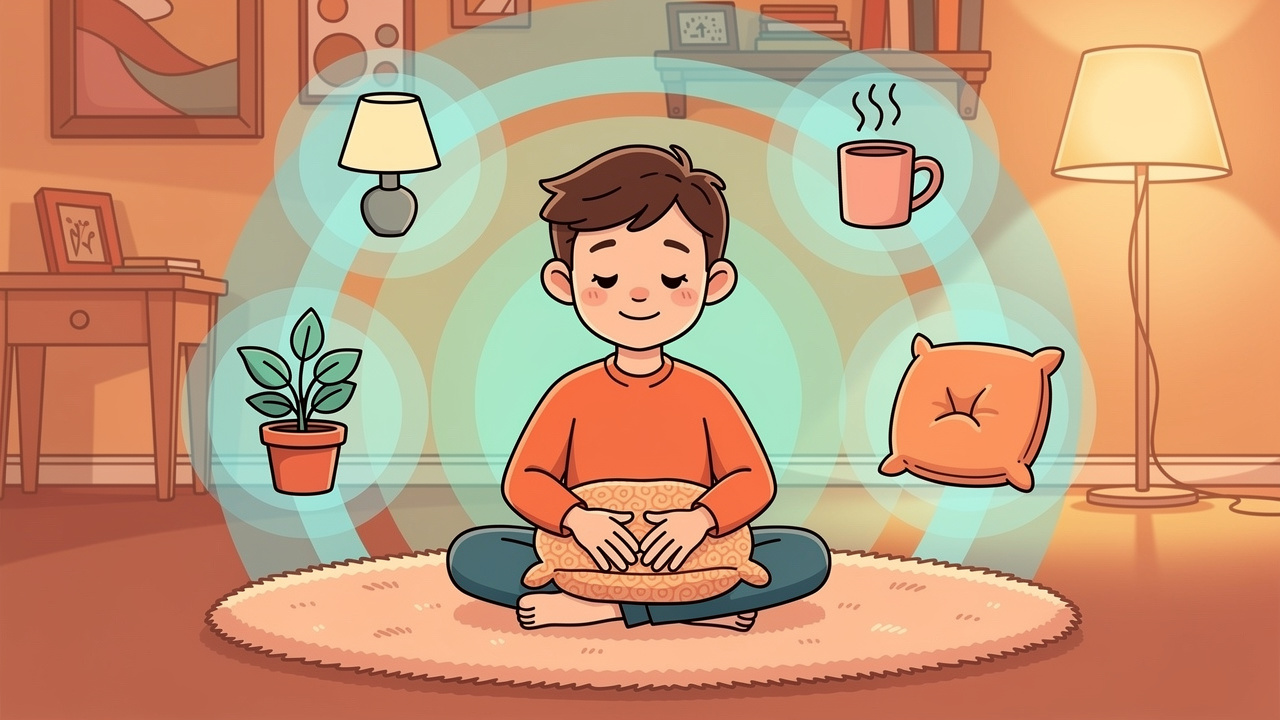
Handling weed derealisation in the moment means calming your body, stopping cannabis, and reminding yourself that this state is temporary. After the episode, the focus shifts to rest, healthy routines, and getting support if the feeling continues for more than a couple of weeks.
During an episode, your aim is to steady your senses rather than fight the feeling. According to the NHS, grounding skills are a main part of care for DPDR because they bring attention back to sights, sounds, and touch in the present moment. That same approach works very well during cannabis derealisation.
Helpful steps in the moment include:
Stop using cannabis straight away. Even if you feel tempted to take more to “smooth things out”, adding more THC nearly always makes derealisation worse, not better. Put products out of reach, have some water, and give your body a chance to clear what is already there.
Move to a quiet, familiar space. Busy streets, loud music, or bright lights can feed the sense that reality is distorted. A sofa, softer lighting, and a calm friend or housemate often feel much easier to handle.
Use simple grounding tricks to anchor your senses. You might hold a cold glass, run your fingers over a textured cushion, or focus on your feet pressing into the floor. A common exercise is to name:
five things you can see
four things you can feel
three things you can hear
Giving your mind a clear, simple task can break the loop of anxious self‑monitoring.
Slow your breathing. Try counting to four on the in‑breath, hold for four, then breathe out for six. This pattern helps your nervous system step away from panic mode. Remind yourself that many people experience this on cannabis and return to normal with time and rest.
“You do not have to like the feeling for it to pass — your job is just to ride it out as calmly and safely as you can.” — BudBuddies tip for rough sessions
In the days after an intense episode, gentle care matters more than constant checking. Try to:
avoid cannabis for a while, especially high‑THC products
skip alcohol or other drugs that might unsettle your mood
keep regular sleep and meal times
drink plenty of water
get light exercise such as walking or stretching
According to the NHS, talking therapies like cognitive behavioural therapy (CBT) are the main treatments for ongoing DPDR. If symptoms last beyond about two weeks, it makes sense to speak to a GP or mental health professional, even if you have stopped using cannabis.
BudBuddies cannot replace medical advice, but we can help you lower the chance of repeat episodes. Choosing lab‑tested, clearly labelled products, starting at lower doses, and favouring balanced THC and CBD ratios is far safer than guessing strength from appearance or word of mouth. That way you keep more control over how intense your next session feels.
The Bottom Line On Weed Derealisation Duration

When people search “weed derealisation how long”, the honest answer is that most cases pass within a few hours, but a small number last far longer. If your unreal feeling came on during a high and faded over the next day or so, you sit firmly in the most common group.
If the sensation carries on for weeks or months, especially after you stop cannabis, then it moves into DPDR territory and deserves professional support. Knowing your own tolerance, picking products with clear THC and CBD information, and treating edibles and concentrates with special respect all lower your risk. BudBuddies focuses on that calmer, better‑informed style of cannabis use, with a curated range and clear guidance to match how you actually want to feel.
Frequently Asked Questions
Question: Can Derealisation From Weed Last For Months?
Yes, derealisation from weed can last for months in a small group of people, usually described as cannabis‑induced DPDR. If the unreal feeling continues beyond roughly two weeks, it makes sense to speak to a GP or mental health professional. CBT is the main talking therapy used, and many people recover well with time and support.
Question: Is Weed‑Induced Derealisation Dangerous?
Weed derealisation feels frightening, but by itself it is not usually dangerous and does not mean you are psychotic — the professional-level Depersonalization/Derealization Disorder – Psychiatry reference from MSD Manuals explains the clinical distinction clearly. People with DPDR still know what is real, which is different from psychosis. The real problem comes when symptoms interfere with work, study, or relationships, which is when outside help becomes important.
Question: Does CBD Help With Cannabis Derealisation?
CBD appears to have calming effects and can soften some of THC’s intensity, so balanced THC and CBD products may lower the chance of derealisation. It is not a guaranteed fix once derealisation has started, but it can be a smarter choice for the next session. BudBuddies offers a wide CBD range and balanced strains with clear ratios.
Question: Why Do Edibles Cause Stronger Derealisation Than Smoking?
Edibles often cause stronger derealisation because the effects creep up slowly, then hit hard and last longer. People may take more while they are still waiting and end up with a much bigger combined dose. BudBuddies suggests starting with about 2.5 to 5 milligrams of THC in an edible and waiting at least ninety minutes before thinking about more.
Question: How Can I Reduce My Risk Of Derealisation When Using Cannabis?
You lower your risk when you:
start with small doses and wait patiently
choose products with clear THC and CBD lab results
avoid mixing cannabis with alcohol or other drugs
use cannabis in a relaxed, familiar place
listen to early signs of anxiety and pause if they appear
BudBuddies supports this approach with lab‑tested flower, edibles, and vapes, plus plain‑English dosing guidance on every product page.

