


Why Does Weed Make Me Feel Unreal? Causes & Fixes
Feeling like life has turned into a strange dream after a smoke or edible can be frightening. Many people end up googling why does weed make me feel unreal and worry something serious is wrong. The body is on the sofa, yet the mind feels miles away.
That sense of unreality can hang around even when the high fades. It can shake confidence and make people nervous about touching cannabis again, even if they used to feel fine.
The good news is that this feeling has clear names and clear reasons. Cannabis can trigger depersonalisation and derealisation, where your brain briefly mis-handles your sense of self and the outside world. This guide walks through what those terms mean, what THC is doing in the brain, why it only hits some people, how long it lasts, and what you can do to lower the risk. You will also see how a curated range like BudBuddies on budbuddies.cc helps you choose products that feel calmer and more predictable.
“You can’t stop the waves, but you can learn to surf.” — Jon Kabat-Zinn
When you understand what this feeling is, it becomes easier to ride it out and avoid it in future.
Stay with this page and each section will make that unreal feeling feel much less mysterious.
What Does “Feeling Unreal” After Weed Actually Mean?
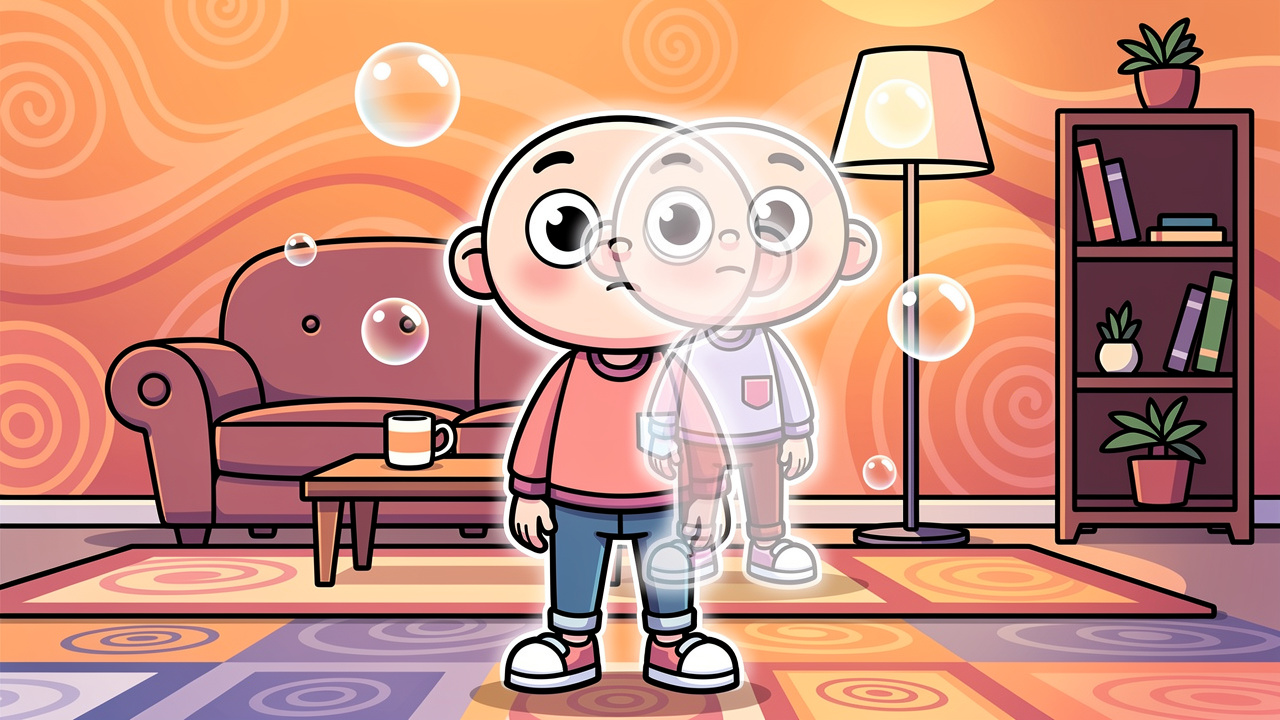
Feeling unreal after weed usually means a short spell of depersonalisation or derealisation. These are well described effects where you feel detached from yourself or from the world around you. Cannabis is one of the most common triggers reported for these states.
Depersonalisation is when you feel disconnected from your own thoughts, body, or emotions. Derealisation is when your surroundings feel foggy, flat, or strangely fake, almost like a set from a film. When both appear together, many clinicians group them under depersonalisation derealisation disorder (DPDR), a condition covered in depth in the Depersonalization/Derealization Disorder – Mental Health entry from MSD Manuals.
According to Cleveland Clinic, up to 2 percent of people experience DPDR at some point in life, a figure also supported by the Depersonalization–derealization disorder: a contemporary review published in the Journal of Education, Health and Sport. That makes this far more common than most people realise. An important point here is that it is a description of how experience feels, not a sign that you are broken, dangerous, or losing your mind.
People going through DPDR often stay very aware that something feels off. That awareness itself is one hint that the experience is anxiety and dissociation, not psychosis.
So how might it show up after a joint or gummy?
You might feel as if you are watching yourself from outside your own body. Thoughts can feel distant, your voice can sound odd, and simple actions like walking to the kitchen can feel slightly robotic rather than natural.
The room around you can take on a dreamlike quality. Colours might seem too bright or too dull, depth can feel wrong, and familiar places such as your bedroom can suddenly feel unfamiliar, which usually adds to the anxiety.
Time can feel distorted and slippery. Minutes might feel like hours, or you may lose track of sequences, which adds to the sense that normal rules have paused and you are stuck in a bubble outside real life.
These sensations are often intense but usually short lived. Knowing that there is a clear label for them is the first step to feeling calmer.
How THC Causes That Disconnected, Dreamlike Feeling
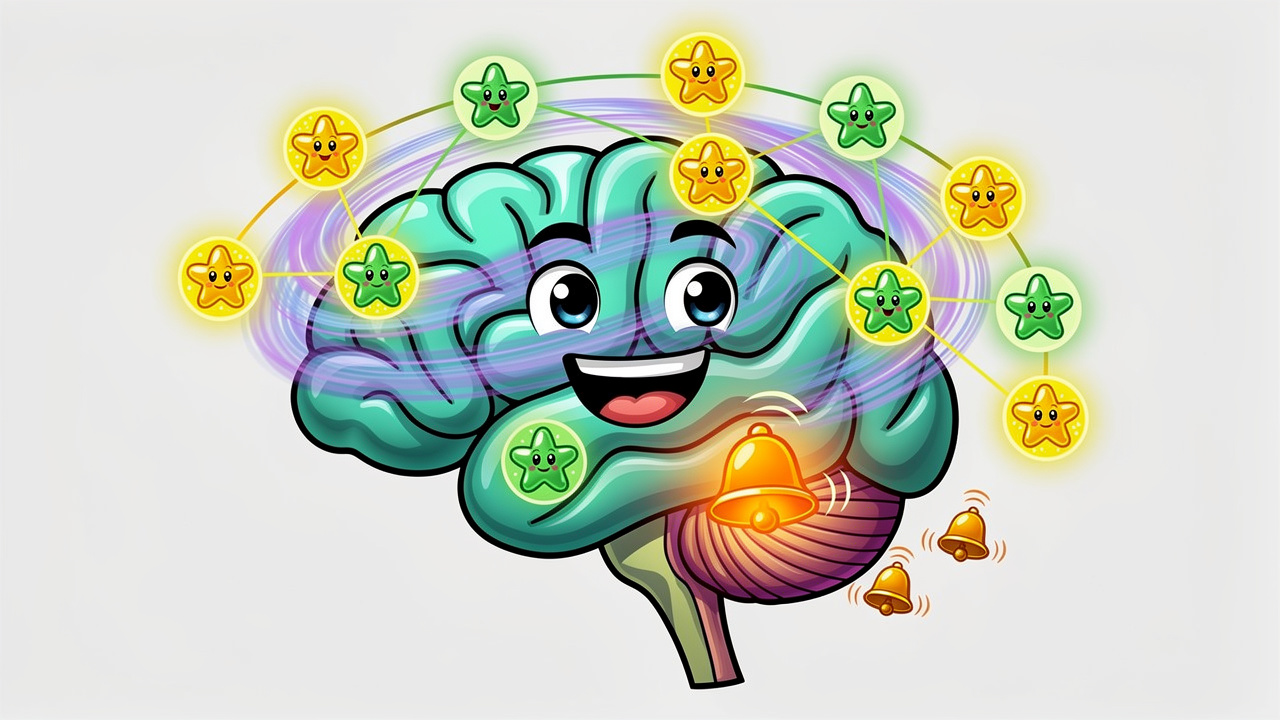
THC causes that disconnected, dreamlike feeling by disrupting the brain systems that usually keep you grounded in your body and in the present moment. It plugs into your endocannabinoid system and changes the way different brain regions talk to one another. For some people and doses, that shift tips over into depersonalisation.
Your brain already uses its own cannabinoids to regulate mood, attention, and stress. THC from cannabis copies these and binds to CB1 receptors in areas such as the prefrontal cortex, hippocampus, and amygdala. These regions help with self awareness, memory, and emotional tone, so strong stimulation can shake your normal sense of who you are and where you are.
Research from Acta Psychiatrica Scandinavica reported that smoking cannabis produces clear shifts in cerebral blood flow between brain regions. When blood flow moves in unusual patterns, the timing between areas falls out of step. That is one reason sights, sounds, and inner thoughts stop lining up in the smooth way they usually do.
So where does the fear come in? does THC get you high also presses on the amygdala, which acts as your inner alarm. In some people, especially those already on edge, this leads to racing thoughts, a pounding heart, and “something is wrong” feelings. When that alarm keeps blaring, the mind sometimes pulls back as a safety response, dimming emotions and making things feel far away.
That is the anxiety–dissociation loop: you feel odd, you worry about feeling odd, the worry ramps up the alarm, and the brain dulls your sense of reality even more. Studies have linked this loop to cannabis induced depersonalisation, particularly at higher doses, and a broader discussion of these mechanisms is explored in the Cannabis and Dissociation: Do Cannabinoids Ease or Exacerbate DP/DR review.
As many therapists tell their clients, “What keeps anxiety going is often the fear of the fear itself.”
The same pattern can feed that unreal feeling after using weed.
Why Edibles And High Potency Products Hit Differently
Edibles and strong products are more likely to make you feel unreal because they push more THC, or a stronger form of THC, into your system at once. The way the body processes these formats matters a lot.
When you eat cannabis, the liver turns THC into 11‑hydroxy‑THC, which usually feels stronger and lasts longer. According to Healthline, edibles often take 30 to 90 minutes to kick in and can last six hours or more. Many people redose too soon, then get hit with a double wave that feels overwhelming.
High THC flower, concentrates, and some vape carts can reach well above 20 percent THC. The National Institute on Drug Abuse notes that stronger products raise the chance of unpleasant psychological effects, a pattern also documented in research on Psychosomatic Illness Induced by chronic marijuana use and its physiological mechanisms. If your brain is sensitive, those stronger formats are the most likely to push you into that unsettling, floaty headspace.
Why Does It Happen To Some People And Not Others?
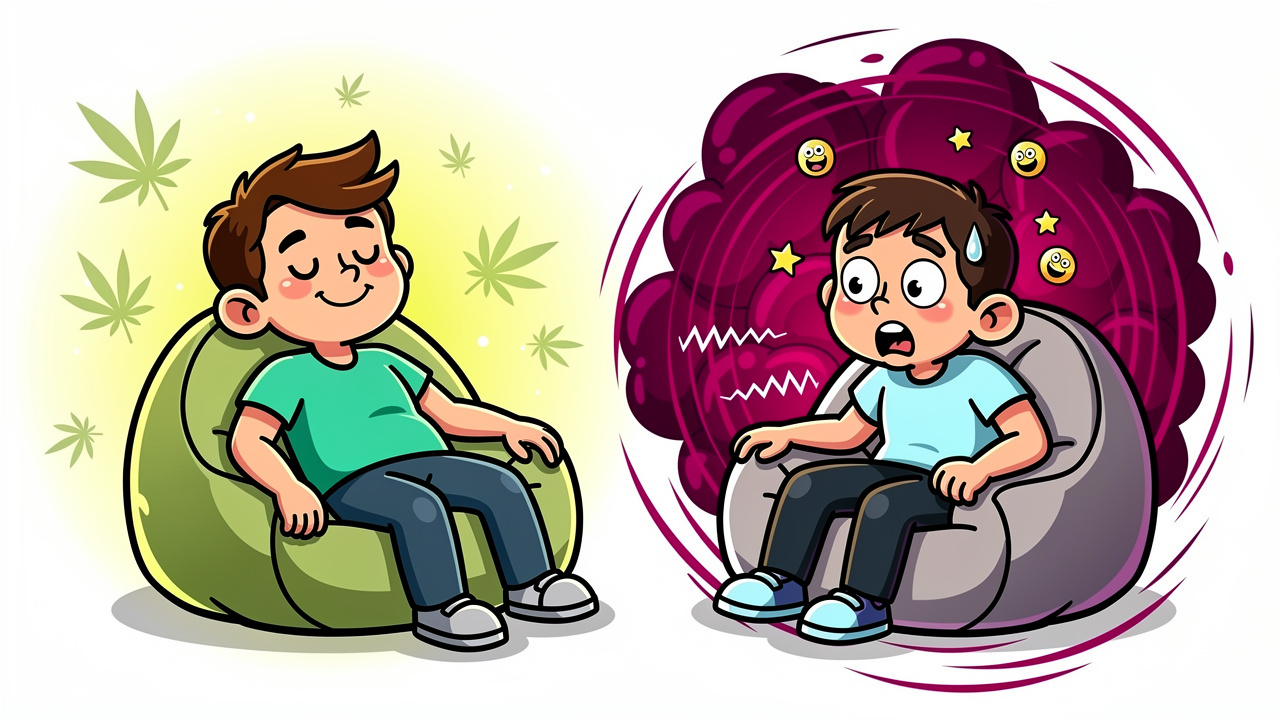
Cannabis makes some people feel unreal and others simply relaxed because brains, bodies, and situations vary. Sensitivity to THC, mental health history, dose, and environment all shape how your system responds. Put simply, your personal wiring and the way you use weed combine to set the stage.
Genetics play a role. Some people have more sensitive CB1 receptors or different dopamine patterns, so the same amount of THC hits them harder. A study in Neuropsychobiology by Hürlimann and colleagues described cannabis induced depersonalisation in teenagers, and the Clinical characteristics of 217 Chinese cases with depersonalization/derealization disorder published in BMC Psychiatry further illustrates how individual patient profiles shape the presentation of DPDR.
Here are key factors that raise the chance of DPDR after cannabis:
Pre existing anxiety or panic. If your amygdala already spends a lot of time cannabis for anxiety, THC can push it further, and that can prompt the mind to step back into a detached state to cope with the stress.
Mood on the day. Using cannabis while stressed, sleep deprived, or already worrying about something primes your brain to interpret odd body feelings as danger, which feeds the anxiety loop and makes dissociation more likely.
Environment and company. Unfamiliar spaces, big crowds, or being around people you do not fully trust can all make a high feel less safe, and that lack of safety can push you towards feeling detached or hazy.
Experience level. First timers, or people coming back after a long break, do not yet know their dose limits. Even experienced users can misjudge a stronger batch or new format and find themselves far higher than planned.
All of these are reasons two people can share a joint and have very different nights.
Does It Go Away – And When Should You Be Concerned?
Cannabis induced depersonalisation usually goes away on its own within a few hours as THC leaves your system, as outlined in the clinical overview from Depersonalization/Derealization Disorder – Psychiatry in the Merck Manual Professional Edition. For most people, the odd, floaty, or dreamlike feeling eases as the high fades and sleep returns balance. That is reassuring to keep in mind while it is happening.
According to the National Institute on Drug Abuse, the main effects from smoked or vaped cannabis tend to peak within 30 minutes and taper over two to three hours. As your brain chemistry settles, sensory information lines up again and the sense of self comes back into focus.
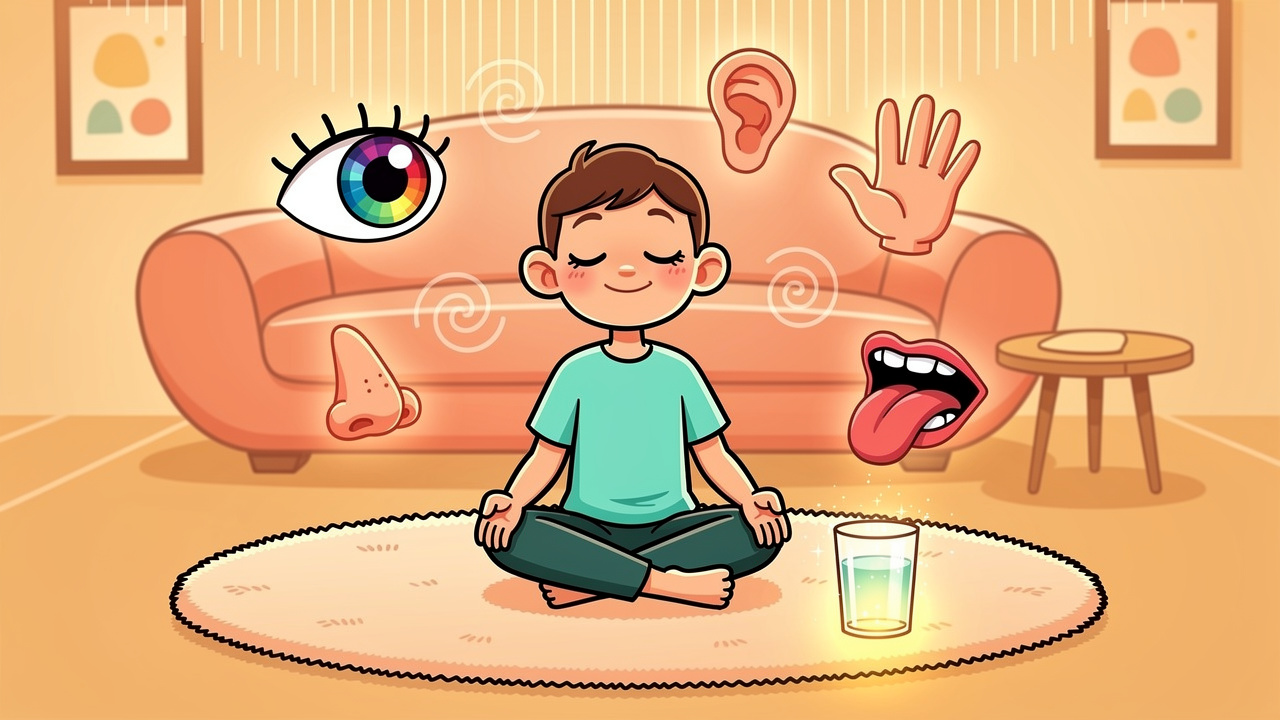
While you wait for that shift, simple grounding tricks help a lot. Try:
Taking slow breaths with a longer exhale than inhale.
Naming five things you can see, four you can touch, three you can hear.
Sipping a glass of water and eating a light snack.
Changing room, lighting, or music to something calmer and more familiar.
Tip from harm reduction educators: “If a high starts to feel scary, remind yourself the feeling is temporary, then gently bring your attention back to your breath and your senses.”
So when is it time to speak with someone? Consider getting help if:
The feeling of unreality carries on for days.
It keeps returning even when you are sober.
It starts to affect work, study, sleep, or relationships.
In these cases, outside support is a sensible step. The NHS notes that Cognitive Behavioural Therapy is often used for ongoing depersonalisation, and many people improve once anxiety is addressed.
A GP or mental health professional can rule out other causes and guide you through support options. If you choose to keep using cannabis in future, that same professional help makes it easier to spot your warning signs early and set safer limits.
How To Reduce The Risk – And Choose Cannabis More Wisely
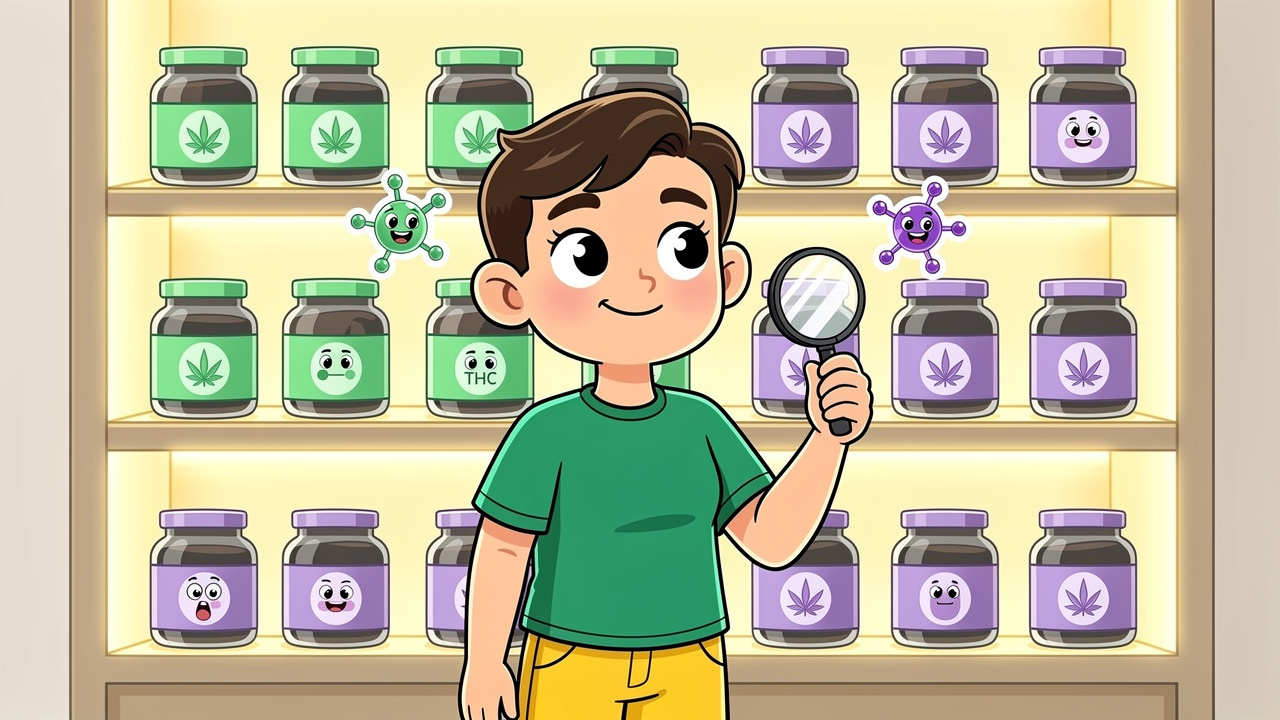
Reducing the risk of feeling unreal after weed mainly comes down to dose, product choice, and timing. When you respect your own sensitivity and pick products that match it, cannabis feels much more manageable. This is exactly where a curated service such as BudBuddies is helpful.
Here are practical steps that make a real difference:
Start low and wait. With edibles, 2.5 to 5 milligrams of THC is a sensible first step, and Healthline suggests waiting at least two hours before more, because effects can build slowly and last much longer than smoke or vapour.
Favour lower THC with decent CBD. If you know you can feel anxious, aim for products where CBD is present in meaningful amounts. Research reviewed by Frontiers in Psychiatry suggests CBD can soften some of THC’s anxious and paranoid effects, so balanced products usually give a smoother, steadier experience.
Plan your set and setting. Choose a calm day, a familiar room, and company you trust rather than taking a risk during a stressful week or at a loud gathering where it is hard to relax and ground yourself.
Avoid mixing with other drugs. Combining cannabis with heavy drinking or other substances makes it harder to read what is happening in your body, and that confusion can tip mild unease into a full blown sense that reality is slipping.
BudBuddies leans into these points across the whole range. On budbuddies.cc you will see THC and CBD percentages clearly marked on flower, edibles, vapes, and CBD oils, with plain English effect notes beside each strain. That means you can move towards balanced options, moderate strength flower, or CBD led products instead of guessing from a loose description.
Because BudBuddies keeps the menu curated rather than chaotic, it is easier to match format and strength to your own history with weed. If you have had unreal feelings before, you might choose a CBD dominant oil for calmer evenings, or a mid THC hybrid for a gentler high, rather than a strong dab or very potent cart. Clear, calm product education turns harm reduction into a normal part of buying, rather than an afterthought.
Frequently Asked Questions
Question: Can CBD Help Prevent Weed From Making You Feel Unreal?
CBD can help reduce how unreal weed makes you feel for many people. It interacts with the same CB1 receptors that THC uses and tends to soften anxiety and paranoia. Studies summarised by Frontiers in Pharmacology suggest CBD may counter some intense THC effects. BudBuddies stocks CBD rich and balanced products with clear labels, so you can lean towards gentler profiles.
Question: How Long Does Cannabis Induced Depersonalisation Last?
Cannabis related depersonalisation usually fades within a few hours as THC is broken down and sleep restores balance. For some, a vague sense of distance can linger into the next day, especially after heavy doses. If the unreal feeling carries on for several days or keeps returning without cannabis, a chat with a GP is wise.
Question: Is Feeling Unreal After Weed Dangerous?
Feeling unreal after weed is rarely physically dangerous, but it can feel very frightening while it lasts. The main risk is the panic that builds around the sensation. If you notice the experience becoming regular, intense, or mixed with low mood or paranoia, professional support is sensible to protect your overall wellbeing.
Question: What Should I Do If I Feel Unreal While High?
If you feel unreal while high, remind yourself that it is temporary and will pass. Move to a calm, familiar space, sip water, and focus on simple grounding tasks such as naming objects in the room. Slow, deep breaths help to steady your body. Avoid taking any more cannabis until you feel fully normal again.
Conclusion
Feeling unreal after weed is usually your brain’s short term response to more THC than it can comfortably organise in that moment. For most people it passes as the high fades, especially with grounding and rest, and it does not mean lasting damage. The key is to learn your own sensitivity, favour balanced and moderate products, and avoid stacking doses in risky settings. With clear lab results, plain guidance, and discreet service, BudBuddies on budbuddies.cc makes those choices far easier, so your next session can feel steady rather than surreal.


