


Can Weed Make OCD Worse? Effects, Risks and Relief
Introduction
Living with obsessive compulsive disorder (OCD) can feel exhausting, so it is natural to ask whether weed can make OCD worse or calm things down. Online advice swings both ways, which only adds confusion. Some friends swear cannabis helps them relax; others say it sends their thoughts into overdrive.
That mixed picture exists because cannabis interacts with brain systems that already behave differently in OCD. The same joint that soothes one person can leave another stuck in a louder mental loop.
This guide walks through:
what scientists know about OCD and the endocannabinoid system (ECS)
how THC and CBD differ
where cannabis may ease distress
where it clearly does not
You will also see simple harm reduction tips and how BudBuddies keeps things measured, discreet, and clear. So, can weed make OCD worse for you personally? To get closer to that answer, it helps to start inside the brain.
How Cannabis Affects The OCD Brain
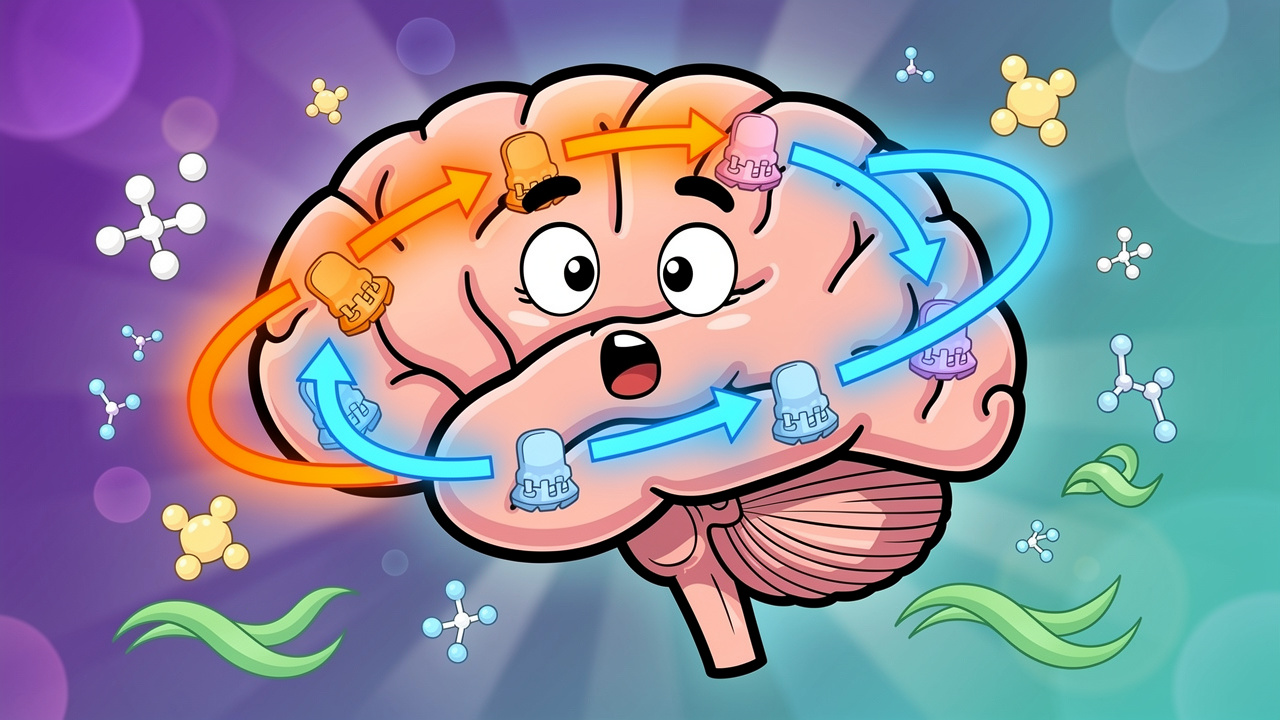
How cannabis affects the OCD brain comes down to how it interacts with circuits that handle fear, habits, and doubt. Those circuits already fire differently in people with OCD. Add THC or CBD and the volume on those pathways can shift up or down.
OCD links to overactive loops between the frontal cortex, the striatum, and the thalamus. These areas help the brain judge threat, plan actions, and switch attention. According to OCD-UK, around one in every hundred people lives with OCD in the UK, so this is not a rare issue.
Running through those same regions is the endocannabinoid system, often shortened to ECS. It is a network of CB1 and CB2 receptors and natural signalling chemicals that help regulate mood, anxiety, memory, and habit formation. When the ECS stays balanced, it supports flexible thinking and calmer responses to uncertainty.
THC, the main intoxicating part of cannabis, binds directly to CB1 receptors and can boost dopamine release. At low doses some people feel relaxed, but higher levels often sharpen senses and speed up thoughts, which can be uncomfortable for anyone already stuck on intrusive ideas. CBD behaves quite differently, nudging the ECS more gently and interacting with serotonin receptors linked to anxiety control, as described by Harvard Health Publishing.
All of this means the simple question “can weed make OCD worse?” has no single answer. The effect depends on how these brain systems react for you. Key factors include:
THC strength in what you use, because more THC pushes CB1 receptors harder and raises the chance of racing thoughts and anxiety. In an OCD brain, that can mean obsessions feel more intense and more believable, even when part of you knows they do not make sense.
CBD content alongside THC, because CBD may soften some of THC’s impact and steady mood. Some people find CBD-dominant products take the edge off their background anxiety, which can lower the fuel feeding compulsions.
Your current state when you consume, because cannabis tends to magnify what is already happening emotionally. If someone feels on edge and full of fear when they start, the ECS shift from strong THC can push that state higher instead of calming it.
Frequency of use, since regular heavy use can change how the ECS responds over time, leaving some people more anxious or flat between sessions.
Yes, Weed Can Make OCD Worse – Here’s How
Weed can make OCD worse for many people, especially when THC content is high and the person already feels anxious. The same psychoactive effects that some users enjoy often work against the mental skills needed to keep obsessions and compulsions in check.
One of the clearest problems is thought amplification. THC can make ideas feel louder, more colourful, and harder to ignore. For a person without OCD, that might mean deep conversations or creative tangents. For someone whose main fear is harming a loved one, it can mean those images feel more vivid, more shocking, and much harder to dismiss.
Anxiety and paranoia are another concern. Survey data from the Global Drug Survey suggest that around a quarter of regular cannabis users have experienced anxiety or paranoia while high. OCD already sits on a bed of chronic worry, so adding a substance that often increases unease gives obsessive thoughts more power.
Using weed to “turn off” anxiety can also interfere with therapy. Exposure and Response Prevention (ERP), described by the International OCD Foundation, trains the brain to face feared thoughts without performing a ritual. THC affects memory, planning, and self‑control, which are exactly the skills ERP asks someone to practise.
So how, in daily life, can weed make OCD worse?
Weed can increase intrusive thought intensity. THC heightens focus on certain ideas, so the very thought someone fears most can grab even more attention during a high. Because those thoughts feel more real in the moment, they can trigger stronger guilt and shame, which encourages more checking, reassurance seeking, or mental reviewing afterwards.
Weed can turn into a mental ritual. If someone reaches for a vape every time a spike of obsessional anxiety appears, the brain learns “I cope with this by smoking.” That behaviour becomes another compulsion, just like washing or counting, and it keeps OCD going long term even if the person feels brief relief each time.
Weed can create rebound anxiety between sessions. When the high fades, dopamine and endocannabinoid levels drop back. Heavy, frequent use can leave the ECS less responsive, so baseline anxiety creeps higher. Research on long term cannabis use reviewed by the Royal College of Psychiatrists links regular high‑THC use with worsening mood and anxiety in many people.
Weed can add extra mental health issues on top of OCD. Long term heavy THC exposure is associated with higher risk of depression and, in some vulnerable people, psychotic symptoms according to King’s College London. More symptoms mean more fear and more monitoring of one’s own mind, which almost always feeds OCD loops.
For anyone already working hard in therapy, that extra mental noise can feel like taking two steps forward and one step back after every smoke.
Can Cannabis Ever Help With OCD?
Cannabis can sometimes ease OCD‑related distress, particularly when THC is low and CBD content is higher. Some people report a softer background anxiety, fewer spikes of panic, and an easier time letting thoughts drift past. Short term relief appears in several early studies, but the story does not stop there.
A 2020 analysis in the Journal of Affective Disorders looked at data logged by people with OCD in the Strainprint app. On average, they reported around a 60 percent drop in intrusive thoughts and almost a 50 percent drop in compulsions straight after cannabis use, a pattern echoed by more recent findings on Cannabis Use Associated With substantial improvements among OCD patients. That sounds impressive at first glance.
There are important caveats though. The study relied on self‑reporting, had no placebo group, and showed tolerance building over time as users needed more cannabis for the same effect — limitations also noted in research examining the Acute Effects of Cannabis on OCD symptoms. That pattern matches many personal stories where weed helped at first, then slowly made anxiety worse between sessions. So the question “can weed make OCD worse?” still matters, even for those early positive experiences.
Where hope sits for many people is CBD‑dominant or balanced products. Reviews in journals like Neurotherapeutics describe CBD reducing anxiety in several small human trials. Because CBD does not intoxicate in the same way as THC, it carries far less risk of intrusive thought amplification, though it is not a stand‑alone treatment for OCD.
Terpenes, the aromatic compounds in cannabis, may also shape how someone feels:
Linalool, a floral terpene found in lavender and some cannabis strains, has calming effects in animal and small human studies. In a CBD‑heavy product, it may add a gentle sense of relaxation that takes the edge off everyday tension feeding OCD loops.
Myrcene often gives strains a musky or earthy aroma and is linked with body relaxation. For some people, this sleepy element can quiet physical restlessness so they find it easier to sit with an exposure task from therapy without pacing or fidgeting.
Beta‑caryophyllene binds to CB2 receptors and shows anti‑anxiety effects in early research reported in Frontiers in Neuroscience. When present alongside CBD and small amounts of THC, it may contribute to a smoother, less jittery experience than THC alone.
So while certain cannabinoid and terpene mixes may feel helpful to some, none of this removes the risk that weed can make OCD worse for others. Careful self‑observation and conservative dosing matter a great deal.
As many OCD therapists remind their clients, “Short‑term discomfort is often the price of long‑term freedom from rituals.” Any substance that blunts anxiety in the moment needs to be weighed against that long‑term goal.
How To Use Cannabis More Safely If You Have OCD – And Where BudBuddies Fits In
Safer cannabis use with OCD means keeping THC modest, favouring CBD, and treating weed as one small part of a wider wellbeing plan. Self‑awareness and product clarity often matter more than the specific format or flavour you pick.
Evidence‑based OCD care still sits with talking therapy and, for many, medication. Guidelines from NICE highlight Exposure and Response Prevention and SSRIs as front‑line treatments that help most patients reduce symptoms. Cannabis should sit, at best, alongside that support, not replace it.
So, where does this leave someone who still chooses to consume and wonders whether weed can make OCD worse for them personally? Helpful habits can reduce risk:
Favour CBD‑forward and balanced products. High‑CBD, lower‑THC options such as the ACDC and Cannatonic style flowers curated by BudBuddies often feel gentler for anxiety‑prone people. Because BudBuddies lab tests every batch and lists cannabinoid and terpene profiles clearly, you know what kind of experience you are inviting into your mind.
Start low and go slow with dose. For many adults, 5 to 10 milligrams of THC is a sensible first test when trying edibles, and sometimes less feels best. BudBuddies edibles and beverages come with precise THC amounts per piece, so you can split items and wait a full two hours before deciding whether to add more.
Avoid chasing relief from a spike of obsessional fear. If you only reach for weed when an intrusive thought appears, cannabis quietly becomes part of the OCD ritual chain. Instead, link any planned use to neutral times, and keep therapy exercises separate so your brain learns it can tolerate anxiety on its own.
Keep a simple mood and symptom log. Before and after each session, rate your anxiety and urge to perform compulsions from one to ten. Over a couple of weeks you will see whether cannabis gently smooths your days or whether it slowly ramps things up, which matters far more than any general claim online.
Choose trusted, discreet suppliers. Unlabelled products with unknown strength are risky for anyone, and especially tricky when you track OCD symptoms. BudBuddies focuses on clear dosing, smell‑proof packaging, and tracked delivery across the UK and Northern Ireland, so you can concentrate on how you feel rather than worrying what might arrive.
This kind of thoughtful approach does not remove every risk, but it does shift the odds in your favour if you decide cannabis still has a place in your routine.
The Short Answer, Summarised
Answering whether weed can make OCD worse means accepting that THC often carries more risk than reward for this condition. High‑strength flower, vapes, or edibles can ramp up intrusive thoughts, heighten anxiety, and chip away at the progress made in therapy.
For those who still choose to use cannabis, CBD‑dominant or carefully balanced products, taken in low doses and with honest self‑monitoring, sit on the safer side. Lab‑tested, clearly labelled items from a trusted source such as BudBuddies give far better control than mystery bags or home‑made treats. Whatever you use, professional mental health support should stay at the centre, with weed only a guest at the edges, not the main tool.
Frequently Asked Questions
Question 1: Can Smoking Weed Trigger OCD In Someone Who Doesn’t Already Have It?
Smoking weed does not create OCD out of nowhere, but heavy, long‑term use of high‑THC products can lead to OCD‑like symptoms. Some people notice new repetitive checking, counting, or intrusive thoughts after months of intense use. Those patterns may calm down if use reduces, but sometimes they need proper psychological support.
Question 2: Is CBD Oil Safe To Use If You Have OCD?
CBD oil is usually better tolerated than THC for people with OCD, because it does not tend to drive intrusive thought spirals. Some find it takes the edge off general anxiety as a side support to therapy. It can still interact with medicines, so check with your prescriber. BudBuddies offers clearly labelled CBD oils and hemp flower at budbuddies.cc.
Question 3: What Strains Of Weed Are Least Likely To Worsen OCD?
High‑CBD, low‑THC strains are less likely to worsen OCD than strong THC sativas. Options in the ACDC or Cannatonic family, and other CBD‑heavy flowers selected by BudBuddies, keep intoxication milder and anxiety spikes rarer. Look for calming terpenes such as linalool and myrcene, and avoid very high THC with almost no CBD.
Question 4: Can Weed Interfere With OCD Medication Like SSRIs?
Weed, especially CBD at higher doses, can change how the liver processes medicines including SSRIs. That may raise or lower the amount of drug in your bloodstream. Some people notice extra sleepiness or queasiness when they combine both. Always tell your GP or psychiatrist about any cannabis use so they can monitor safely.
Question 5: Does Edible Cannabis Affect OCD Differently Than Smoking?
Edible cannabis often hits later and lasts longer than smoking, which can catch people out if they redose before the first portion peaks. That longer ride can be rough if anxiety climbs, but it also allows very steady, low‑level relief when dose is right. BudBuddies portioned edibles give predictable amounts per piece, which helps careful OCD symptom tracking.
Conclusion
OCD and cannabis share a complicated, personal relationship. For many, especially those sensitive to anxiety, strong THC products make obsessions louder, compulsions harder to resist, and mood less stable between sessions. For a smaller group, low‑dose, CBD‑rich options can sit quietly in the background as one piece of a broader self‑care plan.
The honest answer to whether weed can make OCD worse is that it often can, and it sometimes helps, depending on product choice, dose, and how you use it. Thoughtful experimentation, honest symptom logging, and steady contact with a mental health professional are non‑negotiable safeguards.
BudBuddies cannot decide for you, but it can remove some guesswork around quality, strength, and discretion. With clearly profiled flower, oils, edibles, and drinks delivered in calm, private fashion, budbuddies.cc lets you focus on what matters most: how your mind and body actually respond.


