


Low Tolerance Weed Effects: What to Expect and How to Cope
Introduction
Low tolerance weed effects can feel strong, sudden, and a bit confusing, even from a tiny amount. For someone who is sensitive to THC, one puff or a single gummy can change the whole evening. Knowing what to expect and how to stay in control makes that experience far calmer.
Often this applies to first-timers, occasional users, or people coming back after a break. Different formats, strengths, and strains all hit very differently.
This guide explains what low cannabis tolerance really means, the common effects, how flower, vapes, and edibles compare, and simple ways to stay steady. You will also see how BudBuddies products and dosing guidance support careful, enjoyable use at every stage.
Ready to feel informed rather than worried about your next session?
What Does Low Cannabis Tolerance Actually Mean?
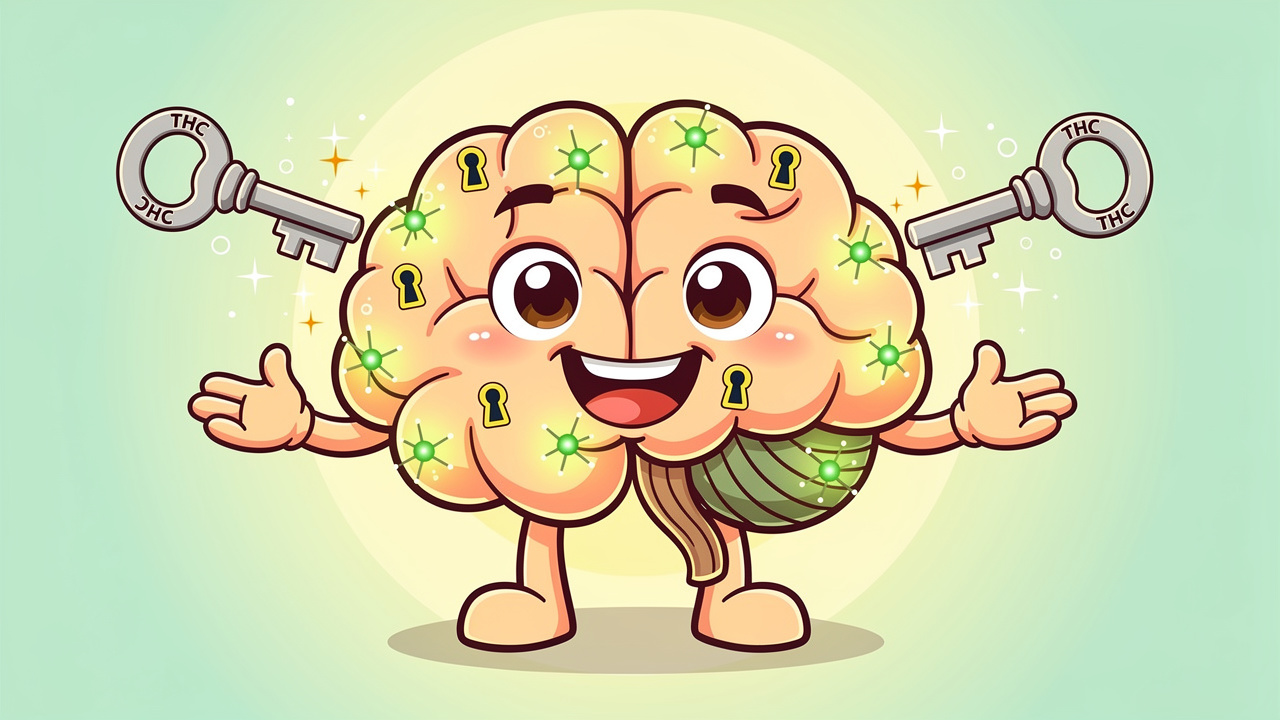
Low cannabis tolerance means your body responds strongly to THC, even at small doses. It sits on the sensitivity end of the scale and shapes how you feel almost every product.
Your body has an endocannabinoid system. This network includes CB1 receptors in the brain that THC fits into a bit like a key. Regular heavy use steadily reduces how many of those receptors are active, as explored in research on Frontiers | Cannabis tolerance, so frequent users often need more cannabis to feel much.
With low tolerance, your CB1 receptors are still very responsive. That might be because:
you are a complete newcomer
you only have cannabis on rare occasions
you have taken a tolerance break for a few weeks or longer
When THC arrives, more of it attaches to those ready CB1 receptors, so the same dose hits harder than it would for a daily user.
According to the National Institute on Drug Abuse, THC can affect brain receptors for several hours at a time, which helps explain why sensitive users often feel even a small session quite clearly. This is not a flaw. In fact, needing less cannabis for a solid effect saves money and often leads to a gentler relationship with the plant.
What Are the Most Common Low Tolerance Weed Effects?
Common low tolerance weed effects cover both pleasant sensations and some that feel uncomfortable if you have too much. Low-tolerance users tend to feel both sides more sharply than seasoned consumers.
You will notice changes in mood, body sensation, thoughts, and even sense of time. For many, this is enjoyable. For others, especially when the dose is too high, it can feel like too much, too fast.
The Good: What You Might Enjoy

Positive low tolerance weed effects often show up as a clear lift in mood. Many people feel warmer, more cheerful, and more open to music, films, or conversation. Everyday activities can feel slightly more interesting or cosy.
Senses can feel dialled up. Sounds seem richer, colours can look deeper, and food often tastes better than usual. That classic increase in appetite, sometimes called the munchies, can be very apparent when your tolerance is low.
Body effects are often pleasant too. Muscles may relax, background aches feel duller, and it can be easier to unwind after a busy day. Giggly conversations or creative ideas are very common at this sensitivity level, which is one reason many newcomers enjoy starting slowly with BudBuddies flower or lower-dose edibles.
Because your system is so responsive, these good effects often arrive from a very small amount. That sensitivity is a real advantage when you treat dose and timing with respect.
When It Becomes Uncomfortable: Adverse Effects to Know
On the other side, low tolerance weed effects can feel worrying when you overdo it. Anxiety and paranoia sit at the top of the list. Thoughts can race, small worries feel huge, and you might feel on edge around other people, especially with high-THC strains.
Physical signs can add to the worry. THC can raise your heart rate by 20 to 50 beats per minute for several hours, according to the National Institute on Drug Abuse. Light-headedness, nausea, and spells of dizziness are also common, especially if you stand up quickly or mix cannabis with alcohol.
Mental fog is another frequent effect, with Effects of acute cannabis inhalation research confirming that short-term memory can feel patchy and focusing on detail-heavy tasks becomes hard. Indica-leaning products may bring heavy limbs and a strong urge to stay on the sofa.
If you consume far too much, you might experience what many users call greening out. This can mean sweating, shaking, strong nausea, and a feeling that everything is spinning. It feels awful, but it passes with time, water, and rest. Almost every very unpleasant effect at low tolerance comes from too much, too fast, which is exactly what this guide aims to help you avoid.
Tip: If your heart feels fast and you are anxious, try slow breathing, sip water, and remind yourself that the effects will fade. Most uncomfortable THC episodes are temporary.
How Different Formats Affect Low-Tolerance Users
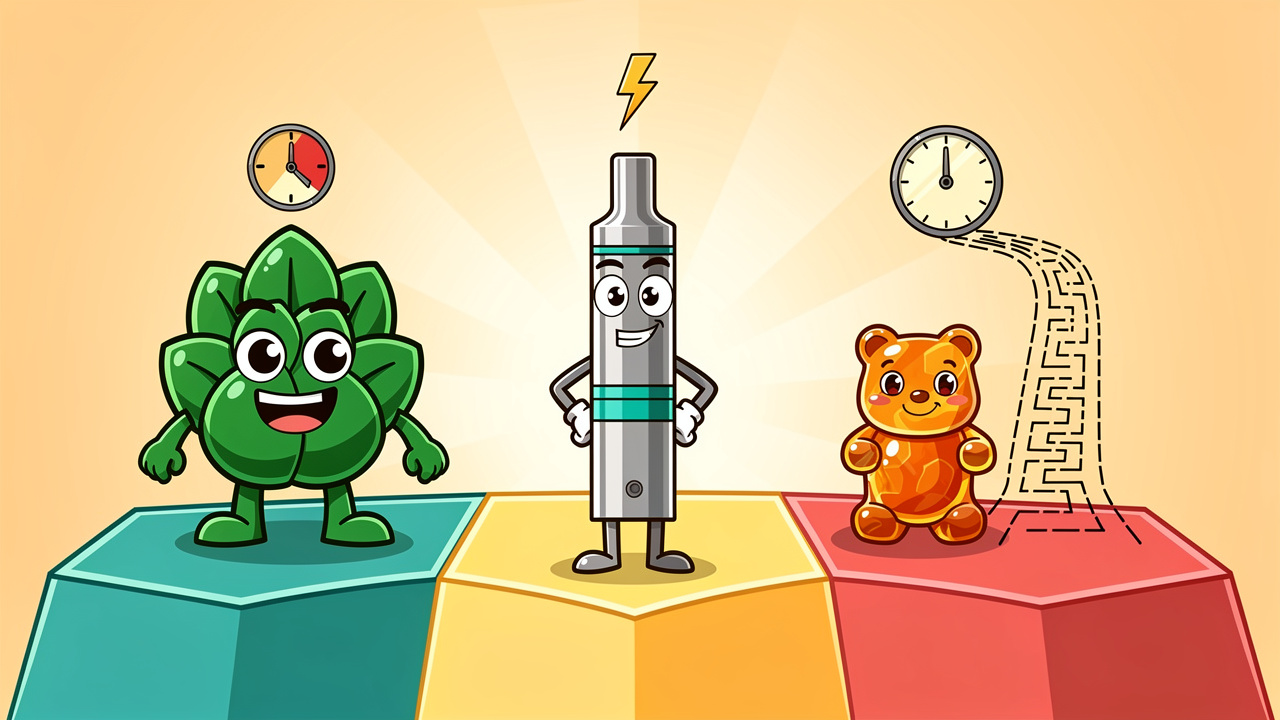
Different cannabis formats affect low-tolerance users by changing how fast effects start, how long they last, and how intense they feel. The same amount of THC can feel manageable in one format and overwhelming in another.
Inhaled methods, such as flower and vapes, move THC from your lungs to your bloodstream within minutes. Edibles travel through the stomach and liver first, which changes THC into a stronger form and stretches out both onset and duration.
Research from Johns Hopkins Medicine notes that edible effects can take 30 minutes to 2 hours to appear and may linger for many hours after that. For someone with low tolerance, that slow rise can be easy to misjudge.
BudBuddies groups products neatly by format, strength, and type, which makes it easier to choose a style that fits your comfort level. Clear THC and CBD figures on every product page help you keep your plan realistic, whether you prefer a single puff of flower, a quick vape, or a tiny measured gummy.
Flower, Vapes, and Edibles: A Quick Comparison
Before choosing, it helps to see how each format behaves for a low-tolerance user.
Flower gives fast feedback, usually within a few minutes of inhaling. That quick response lets you pause after one or two small puffs and check how you feel before having more. With BudBuddies strain pages, you can see THC and CBD percentages, terpene notes, and effect summaries, and 3.5 gram sample bags let you try a strain without a huge commitment.
Vapes are also quick, often even faster than smoking, and many cartridges carry higher THC levels. One gentle inhalation from a BudBuddies vape pen can be enough for a sensitive user, so it is wise to wait 10 to 15 minutes before taking another. Vapes are discreet and low odour, which suits privacy-minded readers who want control without drawing attention.
Edibles ask for the most patience. According to Healthline, edibles can take up to 2 hours to peak, and the experience may last 6 to 8 hours. For low tolerance, a 5 milligram piece is a sensible first step, and BudBuddies gummies and capsules show the exact milligrams per piece on the pack so you know precisely what you are taking.
CBD products feel different again. CBD oils and high-CBD flower from BudBuddies do not give a strong high and may soften THC-related anxiety when used together, as discussed by Harvard Medical School. Many sensitive users start with CBD on its own or pick balanced CBD to THC products for a calmer first experience.
How to Stay in Control: Practical Tips for Low-Tolerance Consumers
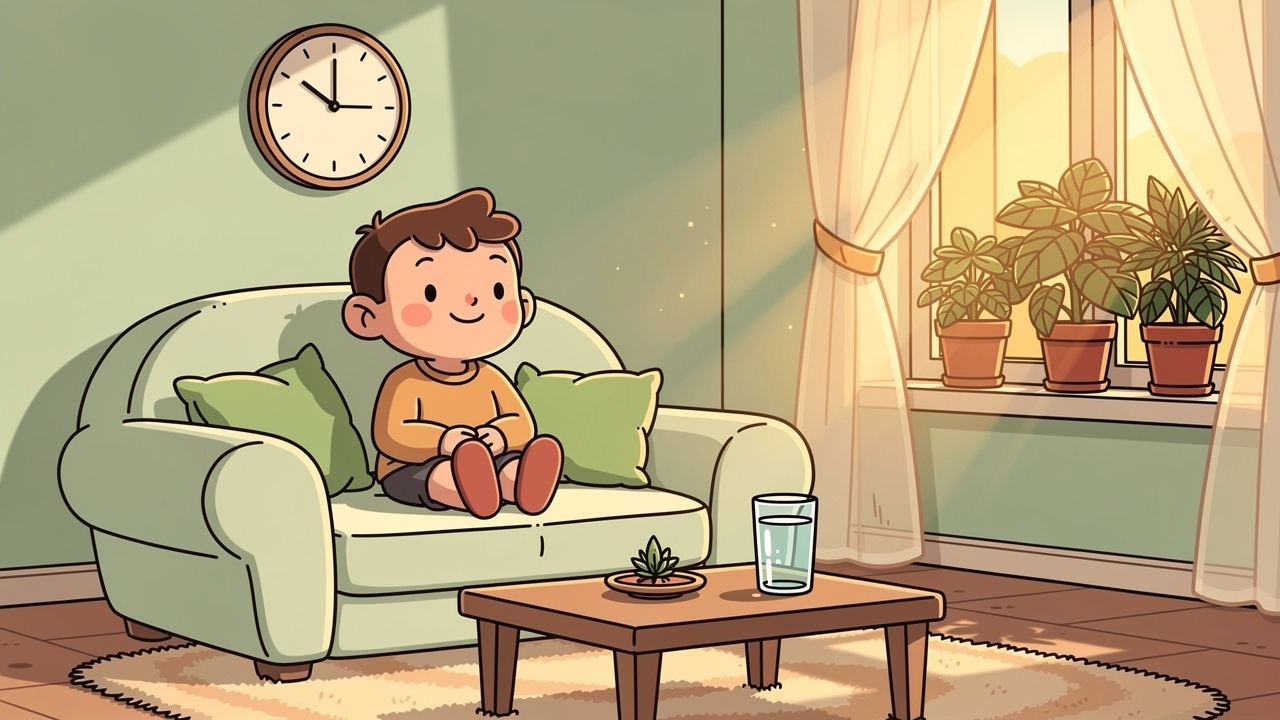
Staying in control with low tolerance weed effects comes down to dose, timing, and setting. A few simple habits make a big difference to how your body responds.
The first habit is the classic start low, go slow idea:
Begin with the smallest practical dose, such as one short inhale of BudBuddies flower or vape, or a 5 milligram edible, a principle well explained in the Microdosing Cannabis: The Case for less-is-more approach.
According to the Colorado Department of Public Health & Environment, 10 milligrams THC is treated as a standard edible serving, so half of that suits many newcomers.
Give your body time:
For inhaled formats, wait at least 15 to 30 minutes before considering any extra.
For edibles, treat 90 minutes as the bare minimum, and two full hours is even safer. If nothing much happens, you can always add more another day.
Your setting matters as well. A calm, familiar room with people you trust reduces the chance of spiralling thoughts. Having a planned evening at home with some music, snacks, and water nearby is far kinder on your nerves than trying cannabis for the first time at a loud party.
Two more simple habits help:
Avoid alcohol on the same night, because mixing the two often brings more nausea and confusion, especially at low tolerance.
Keep a BudBuddies CBD oil or capsule within reach, since many users find that CBD takes the edge off a high that feels too sharp.
As many responsible-use campaigns repeat, “Start low and go slow.” Treat that as your main rule and stick to it, especially for the first few sessions.
BudBuddies also offers a weed tolerance calculator and beginner dosing guides so you can plan sessions rather than guess. Clear lab testing and double potency checks back up the numbers on the label, which means your careful approach is based on solid information.
What to Do After a Tolerance Break
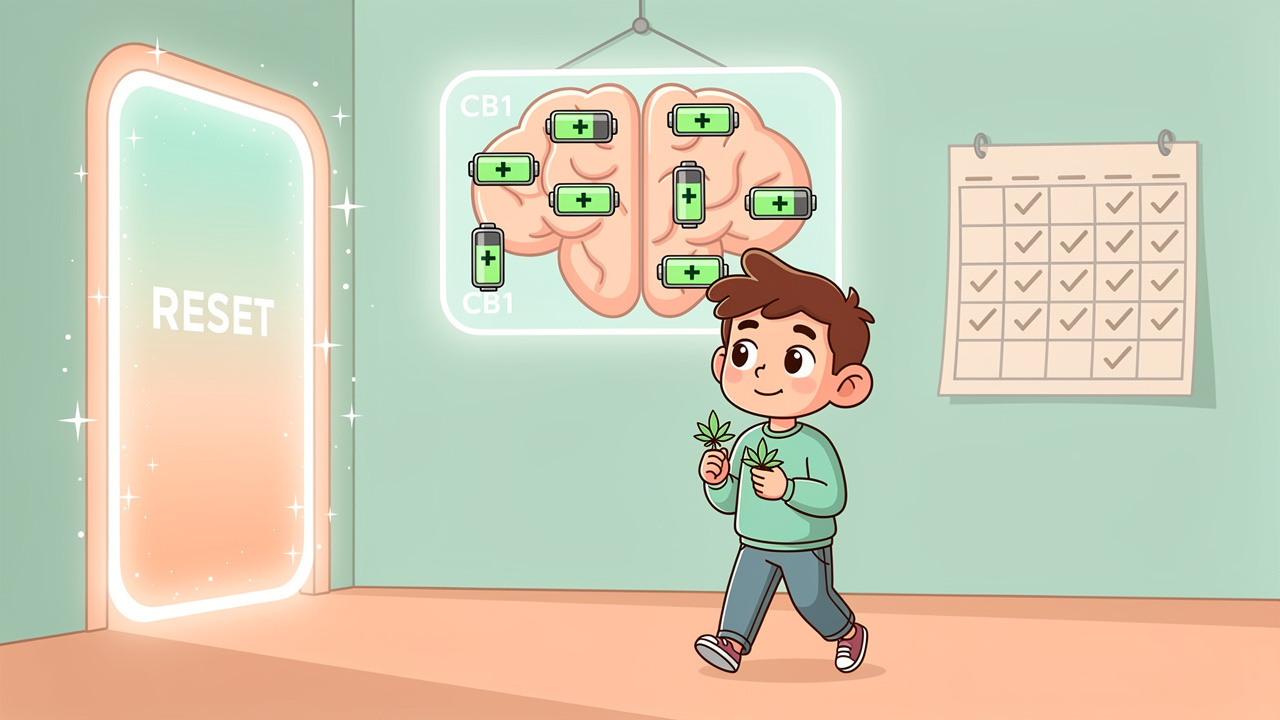
After a tolerance break, your body behaves much more like that of a newcomer, so your old dose can suddenly feel very strong. This section explains how to ease back in.
Research reviewed by the National Institute on Drug Abuse shows that CB1 receptors start to reset within a couple of days without THC, with larger changes over a few weeks. A two to four week break often leaves people noticeably more sensitive again.
That means your previous routine, such as a full joint or several strong gummies, may now be far too much. Treat your first session back as if you have low tolerance. Choose a lighter strain, a smaller piece of a BudBuddies edible, or a couple of gentle pulls on a lower strength vape rather than leaping straight to old levels.
Many returning users like to restock with BudBuddies sample bags, CBD-rich options, or mixed bundles so they can test where their new comfort point sits. Pairing this with the tolerance calculator and a simple note of what you took and how it felt will keep future sessions predictable.
Frequently Asked Questions
Can You Overdose on Cannabis With a Low Tolerance?
You cannot fatally overdose on cannabis, even with low tolerance, though according to Cannabis Use Disorder – StatPearls, overconsumption can produce genuinely distressing symptoms that warrant attention. Overdoing it can still feel awful though, with strong anxiety, nausea, and dizzy spells that may last several hours. This is often called greening out. Find a quiet space, sip water, and remind yourself it will pass. If symptoms feel severe or worrying, contacting NHS 111 for advice is always a sensible step.
How Long Do Low Tolerance Weed Effects Last?
Low tolerance weed effects from smoking or vaping usually start within minutes and last around 1 to 3 hours, with a softer tail after that. Edibles build more slowly and can last 4 to 8 hours, sometimes longer for very sensitive people, as noted by Johns Hopkins Medicine. CBD oils tend to feel steady for 4 to 6 hours. Long, clear peaks are a key reason to stick to small starter doses.
Does CBD Help If You Get Too High?
CBD can help some people feel calmer if THC feels overwhelming. Research summarised by Harvard Medical School suggests CBD may reduce THC-related anxiety for certain users. Keeping a BudBuddies CBD oil or capsule nearby gives you a simple backup if a session becomes uncomfortable. It is not a magic fix, but many low-tolerance consumers find it softens the edges of a high.
Which Cannabis Format Is Safest for Low-Tolerance Users?
For many low-tolerance users, inhaled flower or gentle vapes feel safest because the effects appear within minutes and you can stop quickly. Edibles are trickier, since the slow onset makes second doses tempting and increases the risk of overdoing it. High-CBD, low-THC products are usually the most forgiving choice. Strong concentrates rarely suit sensitive users and are better left for very experienced consumers.
How Quickly Does Cannabis Tolerance Build?
Cannabis tolerance builds gradually over weeks or months of regular use, not after a single session. Occasional users, such as once or twice a month, may barely notice any change in sensitivity at all. According to the National Institute on Drug Abuse, CB1 receptors already start to reset within 48 hours of stopping. Keeping tolerance low means you enjoy clear effects from smaller amounts.
Final Thoughts on Using Cannabis at Low Tolerance
Low tolerance weed effects can be rich, enjoyable, and very manageable when you understand how your body responds. Sensitivity simply means you need less THC and a bit more planning, not that cannabis is off limits.
By choosing gentler strengths, friendly formats, and measured doses, you give yourself space to enjoy the mood lift, relaxation, and sensory changes without sliding into panic. Setting, hydration, and patience all help, and CBD offers a useful safety net.
BudBuddies supports this calmer approach with clear labelling, lab-tested products, beginner focused guides, and discreet delivery across the UK and Northern Ireland. When you are ready for your next session, you can explore flowers, vapes, edibles, and CBD on budbuddies.cc knowing the details you see match what is in the pack.


