


Why Does Weed Make Time Feel Slow? Science Explained
Introduction
Wondering why does weed make time feel slow can be oddly distracting when you are high and watching the clock. The kettle seems to take forever, music stretches out, and a short chat feels like a whole episode. Five minutes on a timer can feel like half an hour in your head.
The short answer is that THC speeds up your brain’s internal clock, disrupts short‑term memory, and sharpens present‑moment focus. Real time does not change, but your brain counts and stores it differently, so your sense of duration bends.
You will see how brain chemistry, memory, attention, strength, format, and mindset all shape this time warp. By the end, you will know what to expect and how BudBuddies products can match the kind of experience you actually want.
Why Does Weed Make Time Feel Slow? The Neurochemistry Behind It
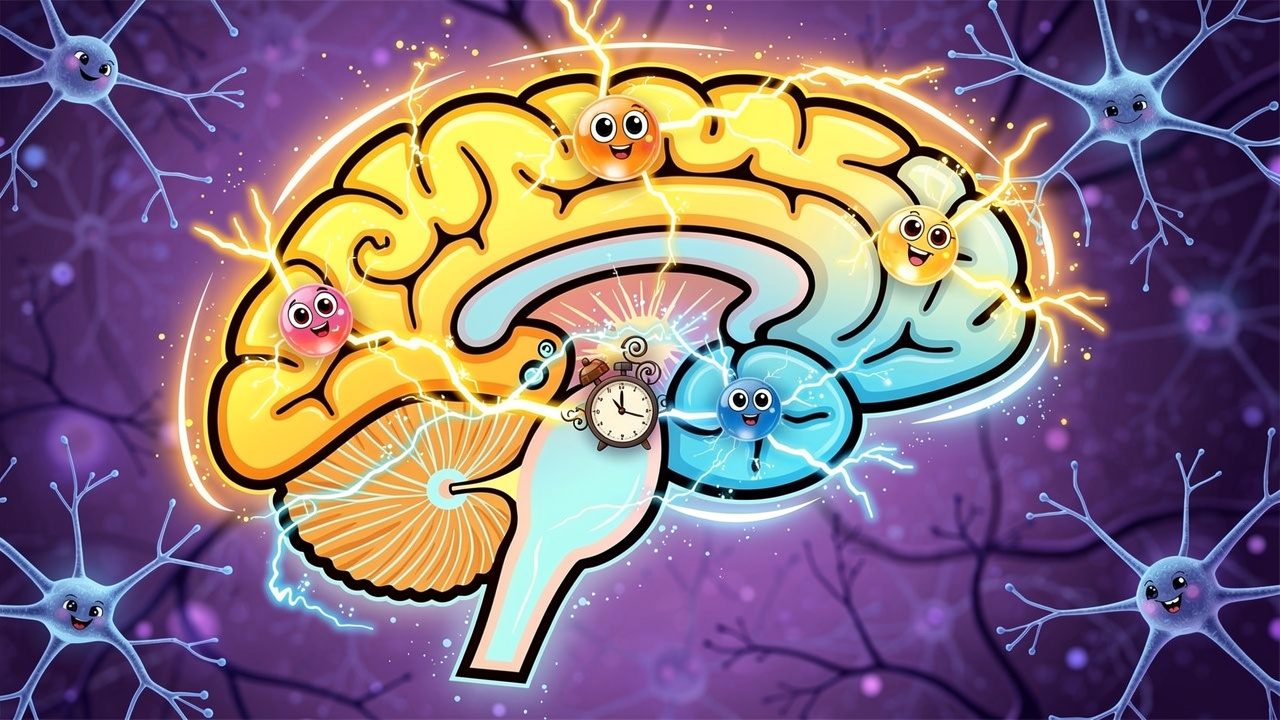
When you ask why does weed make time feel slow, the basic answer is that THC tweaks your brain’s timing systems. It acts through the endocannabinoid system, especially CB1 receptors in parts of the brain that track duration. Your inner clock speeds up while the wall clock stays steady.
THC attaches to CB1 receptors in the basal ganglia, hippocampus, and prefrontal cortex. These regions help you judge intervals, form memories, and plan what happens next. Once THC is on board, normal signalling in these networks becomes less tidy, so the sense of passing seconds starts to drift.
To picture it more clearly, think of three key hubs:
Basal ganglia: helps with movement and automatic timing of actions.
Hippocampus: stitches events into short‑term and long‑term memory.
Prefrontal cortex: handles planning, decision‑making, and attention.
When THC nudges all three at once, your normal sense of steady time begins to wobble.
Scientists often describe an internal pacemaker that sends regular pulses which the brain counts. Dopamine helps set the pace of those pulses. When THC raises dopamine in areas like the basal ganglia, that pacemaker runs faster, so your brain collects more pulses for the same real‑world minute.
Here is the key point: because your brain has counted so many internal ticks, it feels as if more time must have passed. That is why you can feel you have sat on the sofa for an hour when the clock shows twenty minutes. Research in the Journal of Psychopharmacology reports that people given THC tend to overestimate short time intervals by roughly one quarter compared with placebo.
Brain‑scan work backs this up. Studies cited by the National Institute on Drug Abuse link THC to altered activity in timing hubs such as the basal ganglia and cerebellum. So when you notice the time stretch after a BudBuddies joint or vape, you are feeling very real changes in how your brain is pulsing and counting.
“The distinction between past, present and future is only a stubbornly persistent illusion.”
— Albert Einstein
Weed does not change physics, but it does change how your brain builds that time illusion from internal signals.
How Memory And Attention Make Time Feel Even Longer

Memory and attention help explain why does weed make time feel slow even when you already know the basic brain chemistry. THC does not only touch the internal clock; it also reshapes how you store and focus on moments. That double effect can make each minute feel thicker and more crowded.
The hippocampus, which is packed with CB1 receptors, plays a key role here. Normally it links moments into one smooth flow, so a whole hour becomes one tidy story in your mind. Under THC, those links weaken, so you experience more isolated slices of time that each feel separate and stretched.
Your sense of duration also depends on how many events you can remember from a period, a pattern explored in studies on differential cannabinergic effects on temporal perception and production. A packed afternoon feels longer than a dull one because your brain has more individual memories to count. THC often makes thoughts, sounds, and sensations feel vivid, so even a simple BudBuddies playlist session can create lots of tiny mental snapshots that lengthen the perceived hour.
Attention adds another layer. Cannabis frequently pulls your focus tightly onto the present, whether that is a song, a flavour, or a passing idea. A review in Frontiers in Psychology notes that the more information your brain processes in a span of time, the longer that span feels. So when weed boosts sensory detail and inner chatter, your brain treats a short window as a long one.
In practice, that can look like:
Getting lost in music, where every beat and lyric stands out.
Fixating on a single thought and replaying it again and again.
Noticing tiny body sensations or tastes you would normally ignore.
This is why a calm film night and an anxious, overthinking high can feel very different. In both cases your clock runs fast, but when worry grabs your full attention every second feels heavier. Understanding this link helps you choose BudBuddies products and settings that match how much mental intensity you enjoy.
Does Your Product Choice Affect How Much Time Slows Down?
Your product choice does affect how much time slows down because different formats and profiles change how THC hits your brain. So the way why does weed make time feel slow shows up depends heavily on potency, balance, and route. The same milligrams can feel very different across products.
THC percentage is the most direct driver. High‑THC flower, concentrates, and cartridges flood CB1 receptors very quickly, which can push your internal pacemaker into overdrive. Data gathered by the National Institute on Drug Abuse shows that average THC levels in seized cannabis have risen several fold compared with the 1990s, so many modern products feel more intense than people expect.
CBD softens this picture. CBD does not bind strongly to CB1 receptors, and research cited by Harvard Health Publishing suggests it can blunt some of THC’s sharper effects. BudBuddies carries balanced THC:CBD options that many newcomers prefer, because they still notice altered time but find it gentler and easier to manage.
Strain character matters too. Indica‑leaning classics such as Gelato or Stardawg from BudBuddies often bring a heavy, dreamy body feel where time drifts. Livelier sativa‑style strains such as Amnesia Haze can deliver racing thoughts while the clock seems frozen, which some people love and others find a bit intense.
Format then shapes how quickly and how long the change in time perception lasts:
Smoking or vaping: sends THC to your brain within minutes, so you feel the time warp rise and fade within a few hours.
Edibles: send THC through the liver, where it becomes 11‑hydroxy‑THC, which feels stronger and lasts longer. The time stretch can feel deeper and more persistent.
Oils or tinctures: taken under the tongue can sit between the two, with moderate onset and length.
BudBuddies shows onset and duration clearly on product pages so you can match that pattern to your plans, whether you want a brief shift or an extended, slow‑motion evening.
Choosing The Right Format For Your Experience
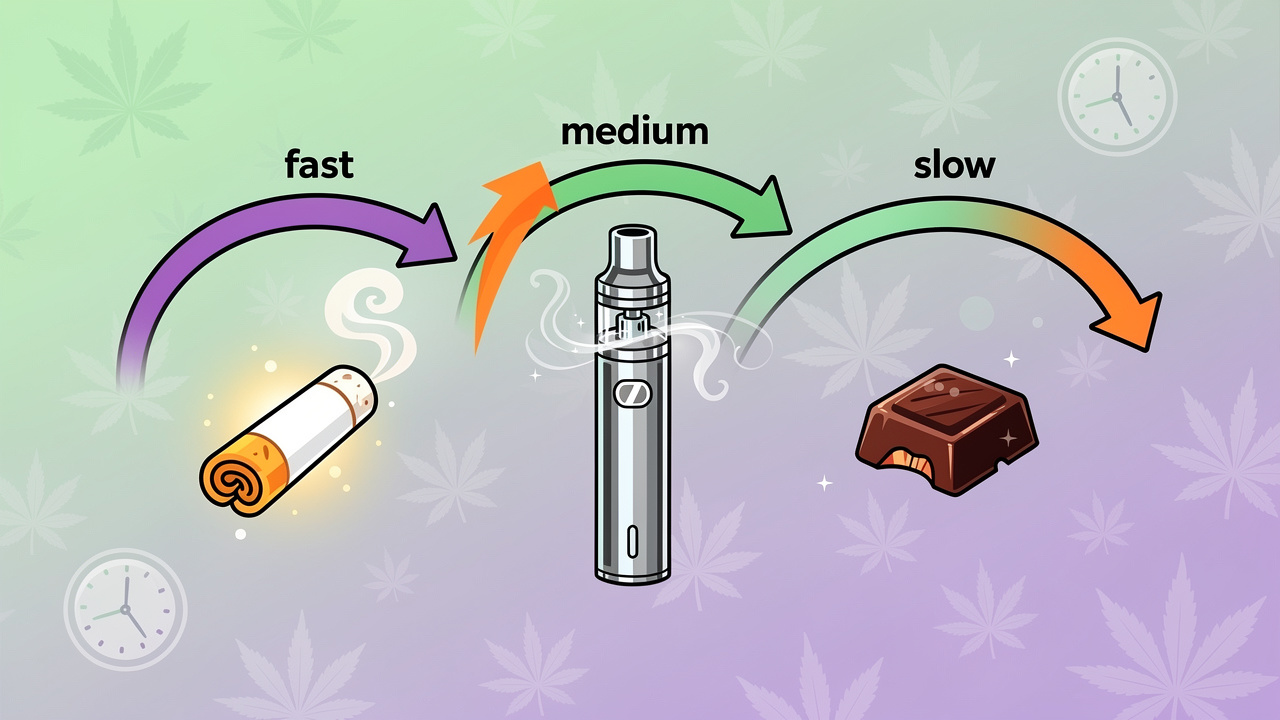
Your choice of format decides how sudden and how long the time shift feels. Once you know your preference, picking between BudBuddies flower, vapes, and edibles becomes much simpler. Here is how the main options compare in practice.
Flower and concentrates give you near‑immediate onset, usually within a few minutes. You feel any time‑slowing changes arrive almost in real time. This gives you space to pause between puffs and decide whether you are comfortable. Many BudBuddies regulars like this format when they want control and easy adjustment.
Vapes kick in within two to five minutes and tend to last two to four hours. The build is smooth, so you can creep up on a pleasant sense of stretched time instead of jumping straight into it. Because the device is easy to put down, you can keep the effect right where you like it. BudBuddies vape listings show clear THC percentages so you are not guessing.
Edibles take longer, often thirty to ninety minutes before you feel much, then can stay with you four to eight hours. That slow start is why people accidentally overdo them, which can make the time warp feel too strong. BudBuddies edibles are precisely dosed, so starting with a single low‑strength piece lets you learn how your inner clock responds.
“Start low and go slow” is standard cannabis advice from health agencies around the world — a reminder that you can always take more, but you can never take less.
— Common harm‑reduction guideline
Keeping that line in mind helps you pick a format and dose that keep stretched time pleasant.
How To Handle The Time-Slowing Effect Responsibly
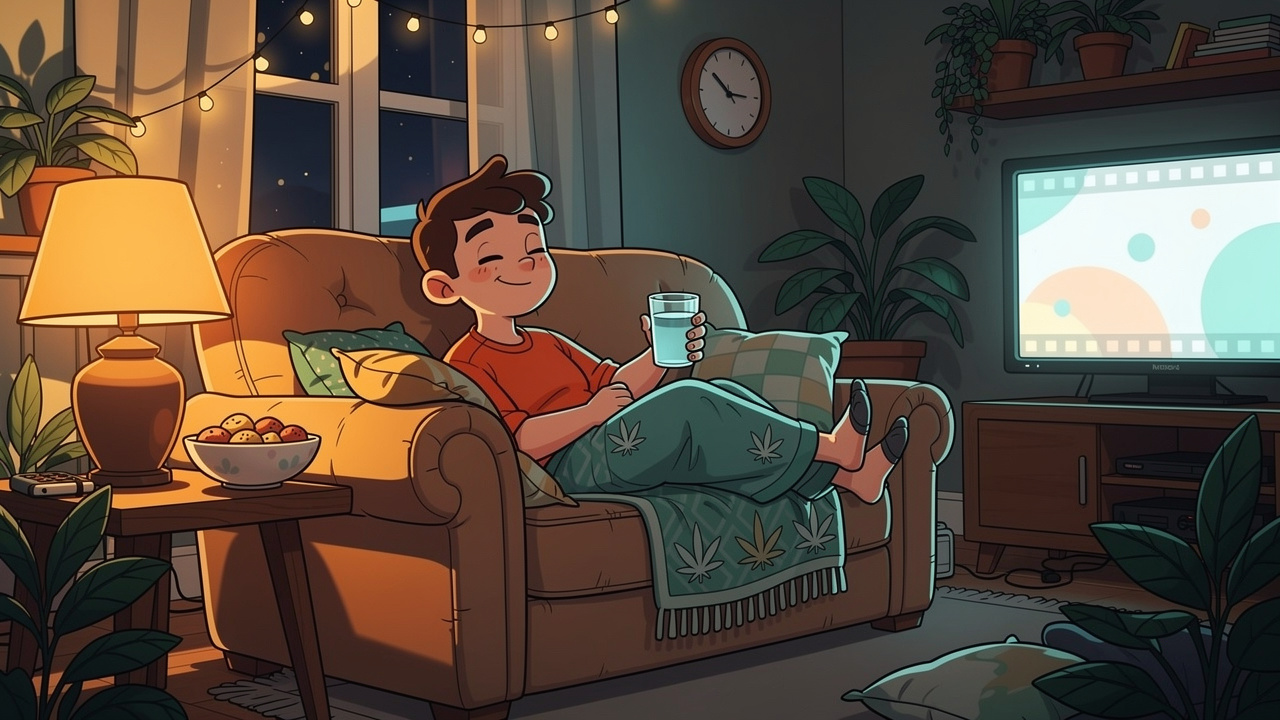
Handling the time‑slowing effect responsibly starts with expecting it and shaping it rather than trying to fight it. When you understand why does weed make time feel slow, the sensation becomes less scary and more like a feature you can dial up or down. Three levers matter most here: dose, setting, and product clarity.
Dose comes first. With edibles in particular, starting with around 5 to 10 mg THC and waiting at least an hour before thinking about more keeps surprises low. Hospital data summarised in JAMA Internal Medicine links many unpleasant cannabis visits to people topping up edibles too soon. A single square from a BudBuddies bar, then patience, is usually far kinder than guessing.
Your environment shapes how slow time feels emotionally. A cosy sofa, favourite playlist, and no pressure to go anywhere turn stretched minutes into something warm. The Global Drug Survey reports that most cannabis users prefer being at home with friends, which fits this idea. If you already feel stressed or rushed, consider waiting until you can enjoy a calmer space.
Mindset and preparation also make a big difference. Knowing you have chosen a clearly labelled BudBuddies product with lab‑tested potency removes a lot of “what if” thoughts. Many people like to keep water, a snack, and a simple activity such as a film or game lined up so they have an easy focus if time starts to crawl.
You can also build a small routine to keep stretched time comfortable:
Use trusted, well described products so you always know roughly how strong they are. BudBuddies shows cannabinoid breakdowns and Certificates of Analysis, which lets you match strength and format to your comfort level. This removes a lot of the guesswork that can make slow time feel edgy.
Plan your window before you consume. If you know you have at least four relaxed hours, a deeper edible experience can feel lovely. If you only have a short break, a gentle vape or small joint is usually wiser. Matching product choice to the space in your day keeps the effect on friendly terms.
Pay attention to your body while high. Simple things such as stretching, sipping water, and changing the lighting can calm your system when the clock seems to freeze. Many BudBuddies customers say that grounding themselves in touch and breath helps them ride out strong time distortion without worry.
Avoid driving or doing anything that needs fast reactions until you are fully sober again. When your inner clock is racing and real‑world time feels strange, it is much harder to judge speed, distance, and risk.
The Takeaway Time Feels Slow Because Your Brain Is Running Fast
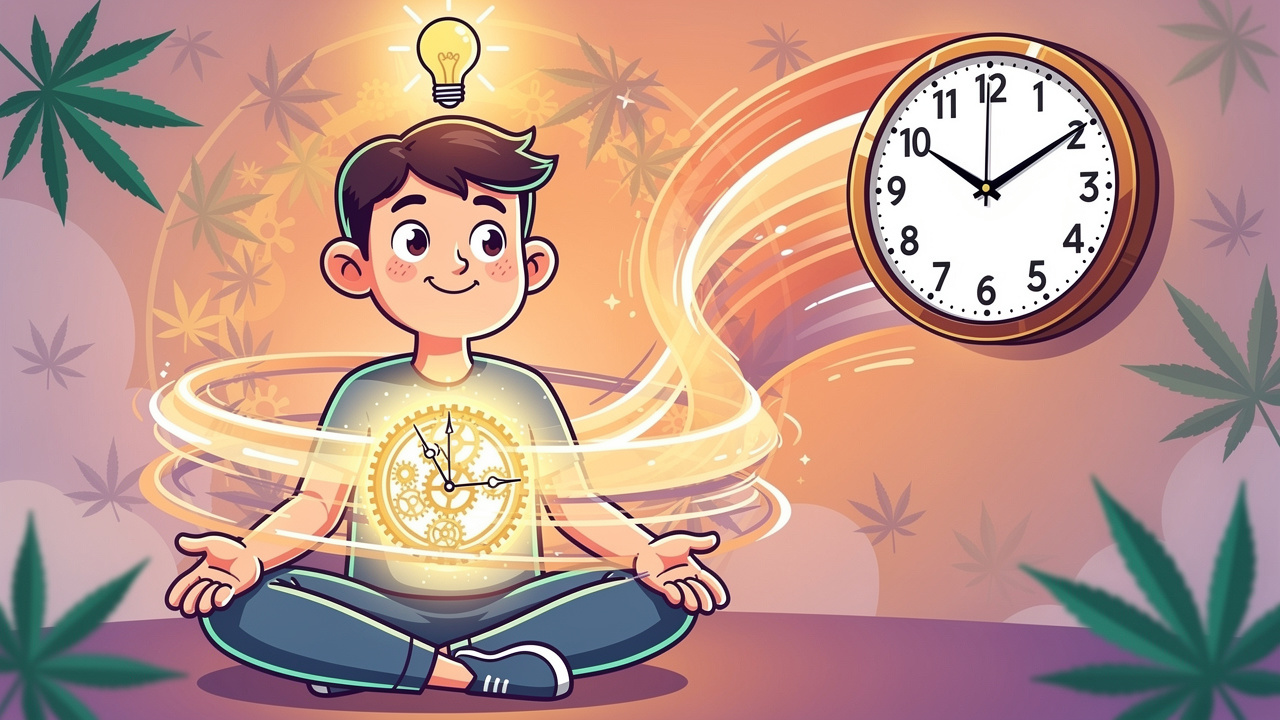
The core reason time feels slow on weed is that your brain speeds up its internal counting while memory and attention pull apart each moment. THC raises dopamine in timing circuits, loosens the flow of short‑term memory, and locks your focus onto the present, so ordinary minutes feel loaded and long.
Once you understand that, the feeling becomes less mysterious and more like a knob you can turn with dose, format, and strain. BudBuddies makes that easier by pairing clear education with a tidy range of flower, vapes, and edibles, all with transparent cannabinoid data.
Conclusion When you are ready to explore how different products shape your personal sense of time, BudBuddies.cc is a calm place to start. You bring your curiosity, we bring clarity, and together that stretched minute on the sofa feels far more intentional.
Frequently Asked Questions
Question: Does CBD also make time feel slow?
CBD on its own does not usually make time feel slow, because it hardly binds to CB1 receptors. Many people use BudBuddies full‑spectrum or broad‑spectrum CBD products when they want body relaxation and mood support without a head‑high or time distortion. Any trace THC in these products stays very low, so the clock tends to feel normal.
Question: Why do edibles make time feel slower than smoking?
Edibles feel slower because your liver turns THC into 11‑hydroxy‑THC, which crosses into the brain more easily. That version feels stronger and lasts longer than inhaled THC. As a result, the internal clock runs fast for more hours, so the whole evening can feel stretched. Careful dosing with BudBuddies edibles helps you keep that pleasant rather than overwhelming.
Question: Does tolerance reduce the time-slowing effect of cannabis?
Yes, tolerance usually softens the time‑slowing effect. With regular use, CB1 receptors respond less strongly to the same amount of THC, so your pacemaker does not speed up as much. Many experienced consumers at BudBuddies still notice a mild stretch, but it feels far less dramatic than their first highs.
Question: Why does time feel especially slow with high-THC strains?
High‑THC strains trigger more dopamine release in key timing regions, which makes the internal pacemaker run very fast. That means your brain counts a lot of ticks for each real minute, so it feels endless. Potent BudBuddies favourites like Gorilla Glue 4 or Stardawg suit people who already know they enjoy this intense effect.
Question: Can your mindset affect how distorted time feels when you’re high?
Yes, mindset has a strong influence on time distortion. If you start out anxious or overthinking, the slow clock can feel uncomfortable. A relaxed, curious attitude in a safe space usually makes the same stretch feel pleasant instead. Many BudBuddies customers like to set an intention to relax before they light up or snack on an edible.


