


What Is Greening Out? Causes, Symptoms & Recovery
Introduction
Greening out describes what happens when cannabis suddenly leaves someone dizzy, sick, panicky, and completely overwhelmed. Many people only ask what is greening out once they are already in the middle of it, which makes the whole thing feel even more frightening.
Put simply, greening out is a short‑term reaction to taking more THC than the body can comfortably handle. It feels rough, but on its own it is not known to be life threatening. This guide from BudBuddies explains what is greening out in plain English, why it happens, the symptoms to watch for, how to recover, and how to avoid a repeat.
By the end, the aim is that the phrase what is greening out feels less mysterious and far more manageable, so you can enjoy cannabis with more confidence and control.
What Is Greening Out And Why Does It Happen?
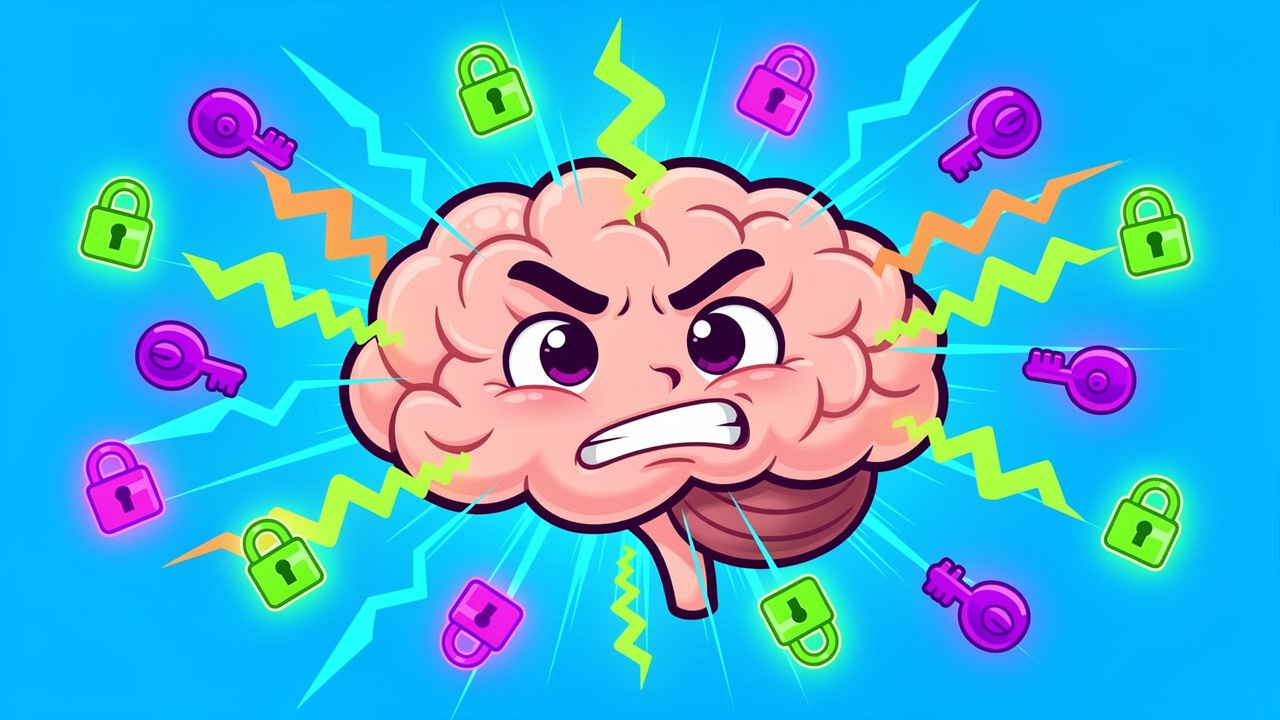
Greening out is a temporary, unpleasant reaction that appears when someone takes more THC than their system can comfortably manage. In other words, when people ask what is greening out, the answer is that it is an overload rather than a poisonous overdose.
THC interacts with the body’s endocannabinoid system, which helps regulate mood, balance, appetite, and many other functions. It binds to CB1 receptors in the brain, and in small amounts this usually feels relaxing or uplifting. When those receptors are flooded in a short window, normal signals become scrambled, and the result is the mix of nausea, dizziness, racing thoughts, and anxiety that people call a green out.
According to the National Institute on Drug Abuse, there are no documented deaths from cannabis overdose alone, which is reassuring when the experience feels frightening. The problem is not that the body has reached a toxic, lethal level. It is that the nervous system is overstimulated and struggling to keep up, a bit like suddenly turning every control knob to maximum.
Greening out can follow smoked flower, vapes, dabs, edibles, or drinks. Fast, repeated hits from a vape pen, a very strong dab, or several high‑dose edibles taken too close together all send a large wave of THC into the bloodstream. Without some spacing and respect for potency, even experienced consumers can tip themselves from relaxed and chatty to sweaty, pale, and convinced something has gone very wrong.
At BudBuddies, this is why every flower, vape, and edible on budbuddies.cc shows clear THC and CBD figures. When you know how strong something is before you start, it becomes far easier to avoid the point where what is greening out turns from a theory into a lived experience.
Why Some People Are More At Risk Than Others
Some people are more likely to green out because of tolerance, product strength, and their own body and mind. Understanding these factors helps you work out your personal risk before you light up or tuck into an edible.
Key factors that raise the chance of a green out include:
Low tolerance. Newcomers, or people coming back after a long break, simply have fewer CB1 receptors used to THC. A dose that feels gentle to a daily user can floor someone whose system is not familiar with it.
High‑strength products. Modern concentrates and many flowers regularly test above twenty per cent THC. Strong dabs, vape carts, and potent strains make it easy to overshoot the comfort zone in just a few puffs.
Edibles and delayed onset. The liver turns THC into 11‑hydroxy‑THC, which crosses into the brain more easily and feels stronger. Research in the Journal of Psychopharmacology shows that oral THC takes longer to peak than smoked THC but creates longer‑lasting effects. Because the onset can be 30 to 120 minutes, people often re‑dose before the first piece has even started working.
Mixing cannabis and alcohol. Alcohol increases absorption of THC, so the same amount of flower or vape oil can feel much stronger after a few drinks. Coordination also drops, which adds to the sense that things are spinning out of control.
Personal and mental health factors. Guidance from the NHS notes that individual factors such as body weight, metabolism, existing anxiety, and current mood all change how cannabis feels. A crowded, noisy party when someone already feels stressed is a perfect set‑up for what is greening out to move from theory to reality.
What Are The Symptoms Of Greening Out?
Symptoms of greening out usually appear as a combination of physical sickness and intense mental discomfort. Spotting these signs early makes it easier to remind yourself, or a friend, that this is temporary and will pass.
Physical signs often arrive first. Many people report a sudden wave of nausea, dizziness, and feeling either very hot or very cold. Skin can turn pale and clammy, breathing may feel shallow, and standing up can make the room spin. These bodily sensations are unpleasant, but they are the body’s way of coping with a THC overload rather than a sign of lasting damage.
Psychological symptoms can feel more frightening, especially for someone who did not know what is greening out before it started. Rapid, looping thoughts, a strong sense of dread, and worry that something terrible is about to happen are all common. A review in Frontiers in Psychiatry notes that anxiety and panic are among the most frequently reported adverse reactions to high THC doses.
Typical physical symptoms include:
Nausea and vomiting. These are among the best‑known parts of a green out. You might feel your stomach churning, mouth watering, and an immediate urge to be sick. Standing up can make this worse because blood pressure drops slightly. Sitting or lying down with a bowl or sink nearby can make the situation feel less stressful.
Dizziness, sweating, and a racing heart. The room may feel like it is spinning, your clothes might suddenly feel too hot, and your heart can thump harder than normal. Many people mistake this for a heart problem, which increases panic. In most cases it is simply THC forcing the body to work harder for a short time.
Common psychological signs include:
Intense anxiety or panic. This can appear very quickly during greening out. Thoughts may race, and you might feel like you are losing control or even dying. This is understandably scary, but it is a known effect of THC overload. Slow breathing and gentle reassurance from a friend help the brain realise it is safe.
Paranoia and confusion. Familiar places and people can suddenly feel strange. You might worry that others are judging you, that something bad is happening behind the scenes, or that time has slowed to a crawl. Reminding yourself that these feelings are drug‑driven, not reality, is an important calming step.
For most people, these symptoms peak and then ease as THC levels in the blood fall. Having a clear sense of what is greening out turns a mysterious, terrifying episode into something you can name, explain, and manage.
How Long Does Greening Out Last?
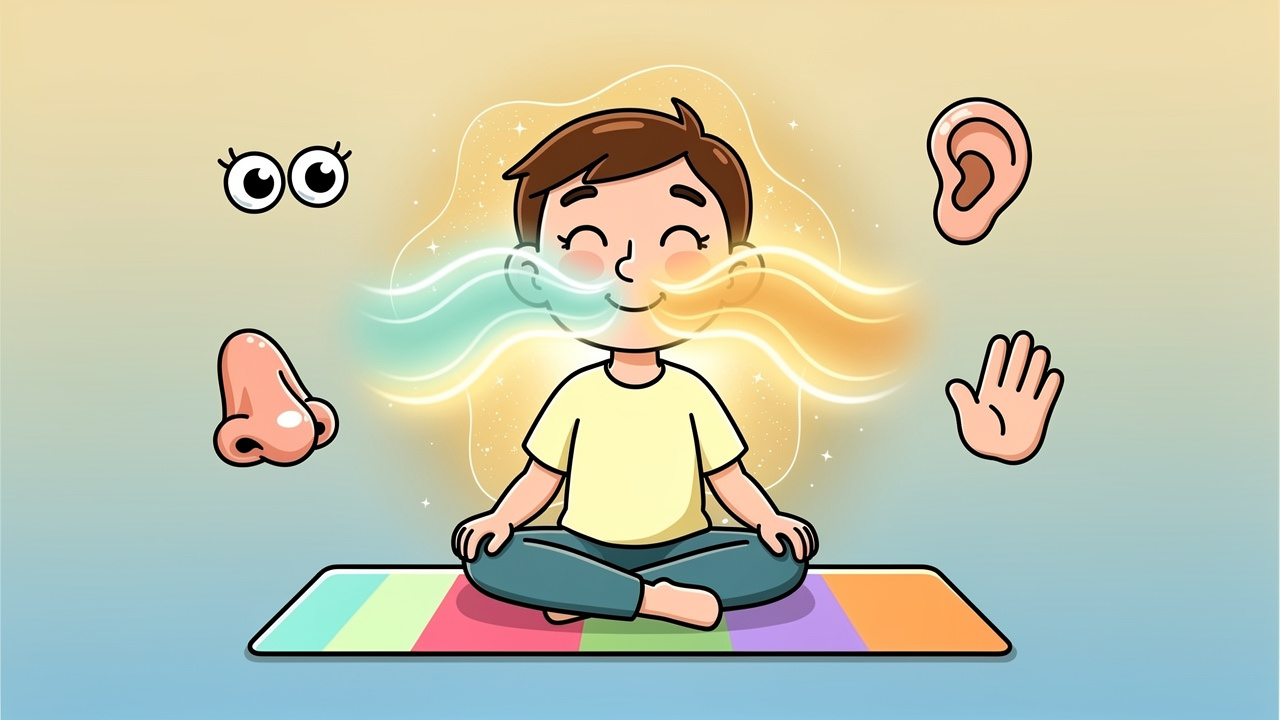
The length of a greening‑out episode depends mainly on how you took the cannabis and how much you consumed. With smoked or vaped flower, symptoms usually peak within 30 to 60 minutes, then start to ease over the next one to two hours.
With edibles, the whole pattern stretches out. Effects often start after 45 to 90 minutes, peak around the two‑ to three‑hour mark, and can linger for four to eight hours. According to the NHS, cannabis eaten in food always lasts longer than smoked cannabis because of the way the liver processes it. The good news is that for the vast majority of people, rest, water, and patience are all that is needed, even when what is greening out feels scary in the moment.
Tip: If you have taken an edible, set a reminder on your phone for two hours before considering more. That small habit alone can prevent a lot of accidental green outs.
How To Recover From Greening Out: Practical Steps
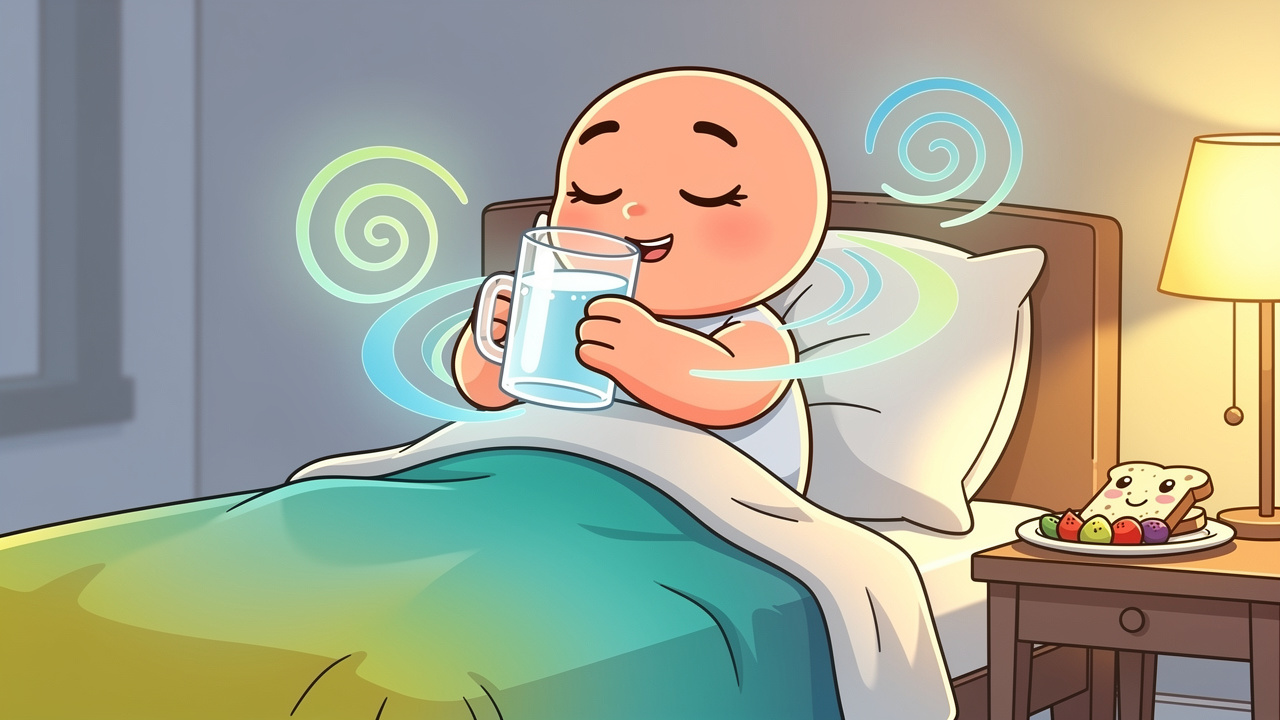
Recovering from greening out mostly means letting your body process the THC while gently calming your mind. Having a simple plan ready makes the whole experience feel less out of control and more like a difficult patch you can ride out.
The most important message is this: a green out feels awful, but it is temporary. Repeating this to yourself or someone else helps interrupt the spiral of fear that turns a strong high into a full panic. Here is a straightforward set of steps you can follow the next time someone around you wonders what is greening out and needs help fast.
Tip: Save these steps on your phone so they are easy to find if you or a friend ever starts to feel unwell after using cannabis.
Find A Quiet, Safe Place
Move to a calm, familiar room where you can sit or lie down comfortably. Turn off loud music, bright lights, and busy screens that might overload your senses. Being away from crowds gives your nervous system a chance to settle. A sofa, bed, or even a spot on the floor with cushions works well.Focus On Breathing And Reassurance
Slow breathing reduces the racing heartbeat and shaky feeling that come with greening out. Try inhaling through the nose for a count of four, holding for seven, then breathing out through the mouth for eight. If you are with someone else, speak calmly, remind them they are safe, and explain that what is happening will pass.Sip Water And Have A Light Snack
Small sips of water help with dry mouth and support the body as it clears THC. Avoid alcohol completely, because it can push the high higher. A simple snack such as toast, a biscuit, or some fruit can help settle blood sugar, which sometimes drops during intense cannabis experiences.Use Grounding Techniques
Grounding pulls attention away from frightening thoughts and back into the present moment — a technique explored in depth in this Grounding Therapy Explained: Benefits guide, which outlines how sensory anchoring calms an overstimulated nervous system. One simple method is to notice five things you can see, four you can touch, three you can hear, two you can smell, and one you can taste. This gentle scan gives the brain something neutral to focus on while the THC level falls.Try CBD If You Have It
CBD appears to moderate some of THC’s stronger mental effects by acting differently on the endocannabinoid system. According to Harvard Health, CBD can reduce anxiety in some situations. A CBD oil, vape, or edible from the BudBuddies range may help take the sharp edge off paranoia or panic during a green out.Consider The Black Pepper Trick
Sniffing or gently chewing a couple of black peppercorns is a well‑known home tip among cannabis consumers. Black pepper contains terpenes such as beta‑caryophyllene and pinene, which may calm some of THC’s anxious effects. This is not a magic fix, but many people find it offers a little extra comfort while they wait.Know When To Call 999
Very rarely, symptoms point to something more serious than a standard green out. If someone has continuous vomiting, chest pain, trouble breathing, seizures, or loses consciousness, call 999. According to Mayo Clinic, long‑term heavy use can lead to cannabinoid hyperemesis syndrome, which causes repeated bouts of severe vomiting and needs medical assessment. It is better to get checked and be told everything is fine than to sit at home worrying.
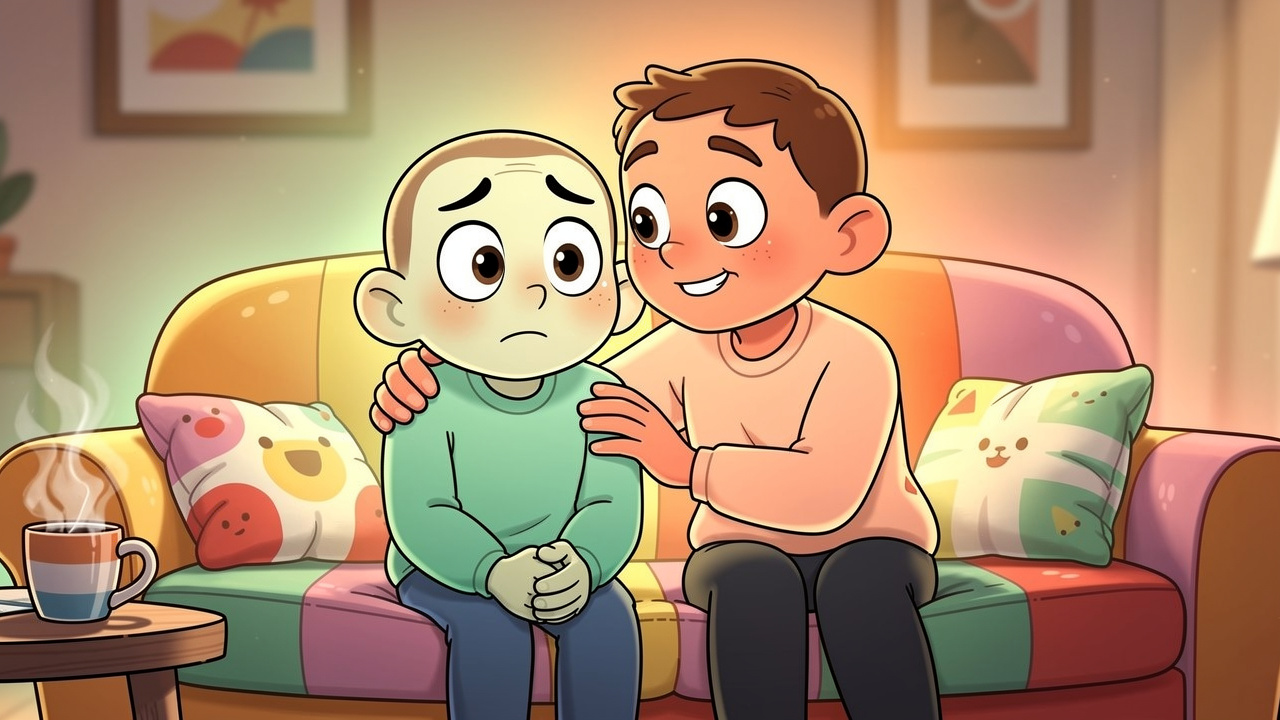
Staying with someone until they feel steady again is one of the kindest things you can do. Once everything has settled, talk through what is greening out, how it happened, and how to adjust dose and product choice next time.
How To Prevent Greening Out With Smarter Choices
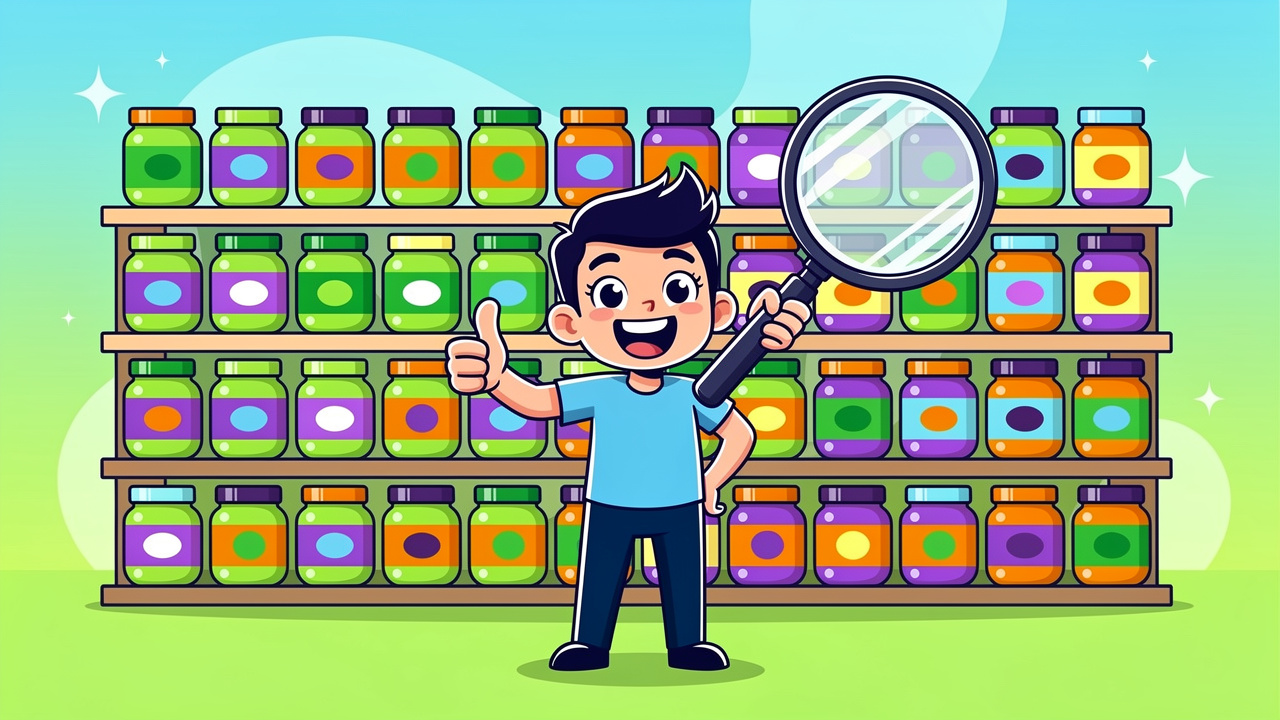
Preventing greening out mainly comes down to respect for dose, product strength, and setting. A handful of simple habits can cut your risk dramatically and make cannabis feel calmer and more predictable.
Key habits include:
Start low and go slow, especially with edibles. For most adults, 5 to 10 milligrams of THC is a sensible first dose, with at least two hours before considering more. Data from the Global Drug Survey shows that edibles are among the products most often linked with unpleasant cannabis experiences, largely because of impatient re‑dosing. On budbuddies.cc, every edible lists its exact milligrams per piece, so you are never guessing.
Know exactly what you are taking. Check THC percentages on flower and vapes, and milligram totals on edibles and drinks before you start. BudBuddies uses double potency verification and lab testing, so when a strain is listed as 22 per cent THC, that is what you are actually consuming. This consistency removes one of the biggest reasons people suddenly find themselves asking what is greening out after a single joint.
Use balanced products with CBD. Items that include CBD alongside THC usually feel easier to handle, especially for newcomers. CBD flower, oils, and vapes in the BudBuddies range offer a gentler introduction, and many regular consumers keep a CBD product on hand to soften a high if it starts to feel edgy. Research shared by the World Health Organization notes that CBD has a good safety profile, which adds another layer of reassurance.
Avoid mixing cannabis with alcohol. Alcohol can increase absorption of THC and make you clumsier at the same time, which is an awkward pairing. If you are trying a new or strong product, stick to soft drinks instead.
Choose the right setting and company. Pick a comfortable, familiar space, clear your evening, keep water and snacks ready, and let a trusted friend know if you are trying something new or strong. Feeling safe and unhurried lowers the chance that mild unease tips into full panic.
Match strain type to your plans. Strain choice also matters. Gentle indica‑leaning strains can suit evening relaxation, while zippy sativa‑leaning options feel more stimulating. BudBuddies groups flower and vapes clearly into indica, sativa, and hybrid, with flavour notes, expected effects, and real customer reviews, so you can pick something that fits your plans rather than fighting against them. If you are unsure where to start, the BudBuddies support team is available by live chat, email, and phone to help match product types and potencies to your comfort level.
Tip: Keep a simple cannabis diary with what you used, how much, and how it felt. After a few sessions, patterns appear and it becomes easier to stay within your comfort zone.
The Smartest Way To Enjoy Cannabis Is To Know What You’re Taking
The simplest answer to what is greening out is that it is the body saying a dose was too strong or too fast. When you know your products, your own tolerance, and your setting, the chances of reaching that point drop sharply.
Three ideas sit at the centre of safer use: know what you are taking, start low and build slowly, and have a calm plan ready in case you ever feel overwhelmed. Choosing clearly labelled, lab‑tested flower, vapes, edibles, and CBD from a curated place like BudBuddies means you are never guessing at strength or contents.
“The dose makes the poison.” — Paracelsus
BudBuddies combines premium presentation, discreet tracked delivery, and clear education in one place, so your cannabis experience feels organised rather than messy. With that foundation, you can leave what is greening out in the “interesting to understand” box, not the “repeat experience” box.
Frequently Asked Questions
These short answers cover the most common follow‑up worries people have after searching what is greening out. Each one stands alone, so you can quickly find the point that matters to you.
Question 1: Can You Die From Greening Out?
No, greening out on its own is not known to be fatal. According to the National Institute on Drug Abuse, there are no documented deaths from cannabis overdose alone. The experience can feel frightening, but it passes as THC levels fall. Call 999 if there is chest pain, trouble breathing, or unconsciousness.
Question 2: How Do You Sober Up From Weed Quickly?
There is no instant switch‑off, but you can make things easier. Move to a quiet room, sip water, and eat something light. Use slow breathing or grounding exercises to calm racing thoughts. CBD products may reduce the intensity of THC. After that, time is what clears your system.
Question 3: Does CBD Help With Greening Out?
Yes, CBD often helps because it interacts differently with the endocannabinoid system and can soften THC’s sharper mental effects. Many people find CBD reduces paranoia and anxiety during a green out. BudBuddies offers CBD oils, vapes, flowers, and edibles that can be kept ready as a practical back‑up.
Question 4: Why Do Edibles Cause Greening Out More Than Smoking?
Edibles take 30 to 120 minutes to kick in, so people often eat more before the first dose starts working. The liver turns THC into 11‑hydroxy‑THC, which feels stronger and lasts longer than inhaled THC. Precise dosing information on BudBuddies edible products helps you avoid this classic over‑doing mistake.
Question 5: What Is The Difference Between Greening Out And A Panic Attack?
Both can include a racing heart, fear, and a sense of doom, so they feel similar. Greening out has a clear trigger, which is THC overconsumption, and often includes nausea, sweating, and shakiness. A panic attack can appear without cannabis. In either case, grounding, calm breathing, and reassurance help.


