


Why Does Weed Make Me Talk More?
Introduction
Few things feel stranger than realising you suddenly cannot stop talking after smoking cannabis. One moment you are quiet, the next you are narrating every thought. Many people recognise this chatty weed shift.
That switch can feel odd when you normally keep more to yourself. You might replay conversations later and wonder why every idea had to come out. The question why does weed make me talk more can start to nag and stick in your mind.
There is clear science behind this effect, rooted in brain chemistry, mood, and the type of product you use. This guide breaks down what cannabis does in your brain, how it changes anxiety and inhibition, why strains and terpenes matter, and which formats suit social use best. Along the way, you will see how BudBuddies helps you pick products that match the kind of conversation you want.
So let us start inside your head, where all that extra chat really begins. As always, this information is for adults and assumes cannabis use is legal where you live.
What Actually Happens In Your Brain When You Consume Cannabis?
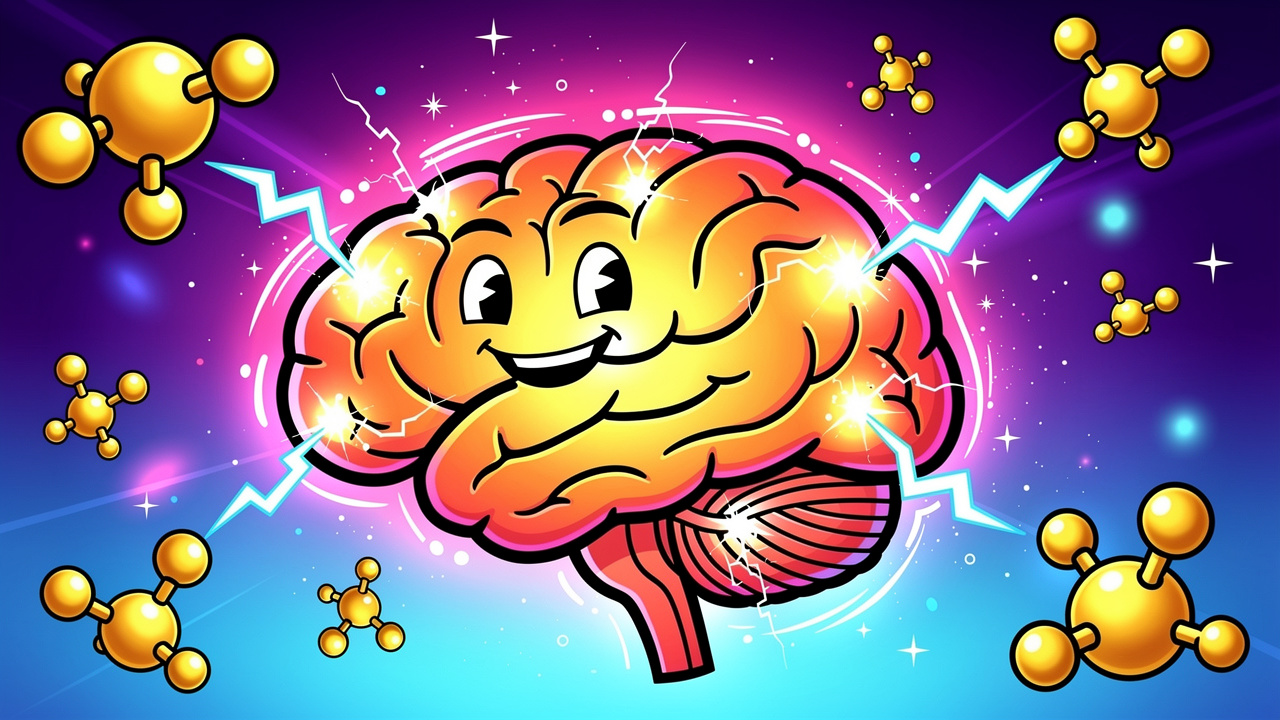
When you consume cannabis, several quick changes in your brain help explain why conversation can suddenly feel easier. The main player is THC, which connects to your endocannabinoid system and tweaks how you think, feel, and respond to people around you.
THC binds to CB1 receptors dotted across your brain, especially in the prefrontal cortex, limbic system, and hippocampus. The prefrontal cortex is heavily involved in decision making and self-monitoring, including the internal filter that normally stops certain thoughts becoming speech. When THC stimulates this region, that filter loosens, so ideas that would usually stay private come out more freely.
At the same time, THC acts on reward areas such as the nucleus accumbens. Research from the National Institute on Drug Abuse notes that inhaled THC reaches the brain within minutes, triggering a noticeable release of dopamine. Dopamine is linked to pleasure and motivation, so everyday things like laughing with friends or telling a story feel extra rewarding.
CBD can gently shape this experience as well. While CBD does not bind to CB1 in the same way, it interacts with serotonin receptors and can smooth the edges of a strong THC high. That calmer backdrop can make you feel safer sharing thoughts, instead of stuck in your head.
BudBuddies leans into this science by listing clear THC and CBD percentages on each product page, along with expected effects. When you understand how different strengths influence your brain, it becomes easier to choose something that encourages relaxed conversation rather than racing thoughts.
How Dopamine Turns Conversation Into A Reward
Dopamine already plays a big role in social life before cannabis enters the picture. A good chat, shared joke, or deep talk with a friend naturally releases small bursts of dopamine, which is why connecting with people feels good even when sober.
Cannabis turns up the volume on that reward system. When THC triggers extra dopamine, the pleasure you feel from talking, laughing, and being listened to becomes stronger. According to Harvard Medical School, this short term dopamine rise is one reason many people find music, food, and social contact more enjoyable after consuming cannabis.
Once conversation feels this rewarding, a loop appears:
You start talking and feel a pleasant, relaxed buzz.
Friends react with laughter, interest, or agreement.
That reaction gives another little dopamine nudge, which makes you want to keep going.
This loop is a big part of why some sessions end with surprising, marathon chats about everything from childhood memories to conspiracy theories.
How Reduced Inhibition And Less Social Anxiety Make You More Talkative

Reduced inhibition and eased social anxiety are another major part of why cannabis can turn someone quiet into the most talkative person in the room. By softening self-conscious thoughts, cannabis can make speaking feel safer and less effortful.
THC and CBD both interact with systems linked to anxiety, including serotonin pathways. In lower to moderate amounts, THC often brings a warm, relaxed state where background worries fade. CBD can support this by reducing physical tension and overthinking. A study from the University of Chicago found that around 7.5 mg of THC lowered stress during a task, while a higher 12.5 mg dose started to increase it, which shows how strongly dose shapes the emotional effect.
When that anxious edge lifts, your inner critic quietens. You worry less about saying something silly or being judged, so you share ideas earlier instead of rehearsing them silently. Conversations feel more like play and less like a test you might fail.
Here is how that often plays out around people you trust:
When cannabis softens your internal filter, you notice yourself jumping into conversations faster. You might interrupt less from nerves and more from enthusiasm, because thoughts feel too interesting to keep inside. Over time, this can even shift how friends see your usual social style.
When your body feels calmer, your focus moves from self-monitoring to the people around you. You listen more closely, then respond with stories or opinions you would normally hold back. That back and forth can build a stronger sense of closeness in the group.
When you are less afraid of awkward pauses, you experiment more with topics. You might move from light jokes to more personal subjects, because you finally feel relaxed enough to share them. For many people, this feels like their true personality finally coming through.
“The art of conversation is the art of hearing as well as of being heard.” — William Hazlitt
That listening piece often gets stronger when you feel less anxious and more present in the moment.
Set and setting matter just as much as chemistry. If you consume in a cosy living room with trusted friends and music you love, that relaxed environment combines with THC to encourage open, flowing talk. The same product used when you already feel tense, or in a room of strangers, can lead to silence or overthinking instead.
Does Strain Type Actually Change How Talkative You Become?
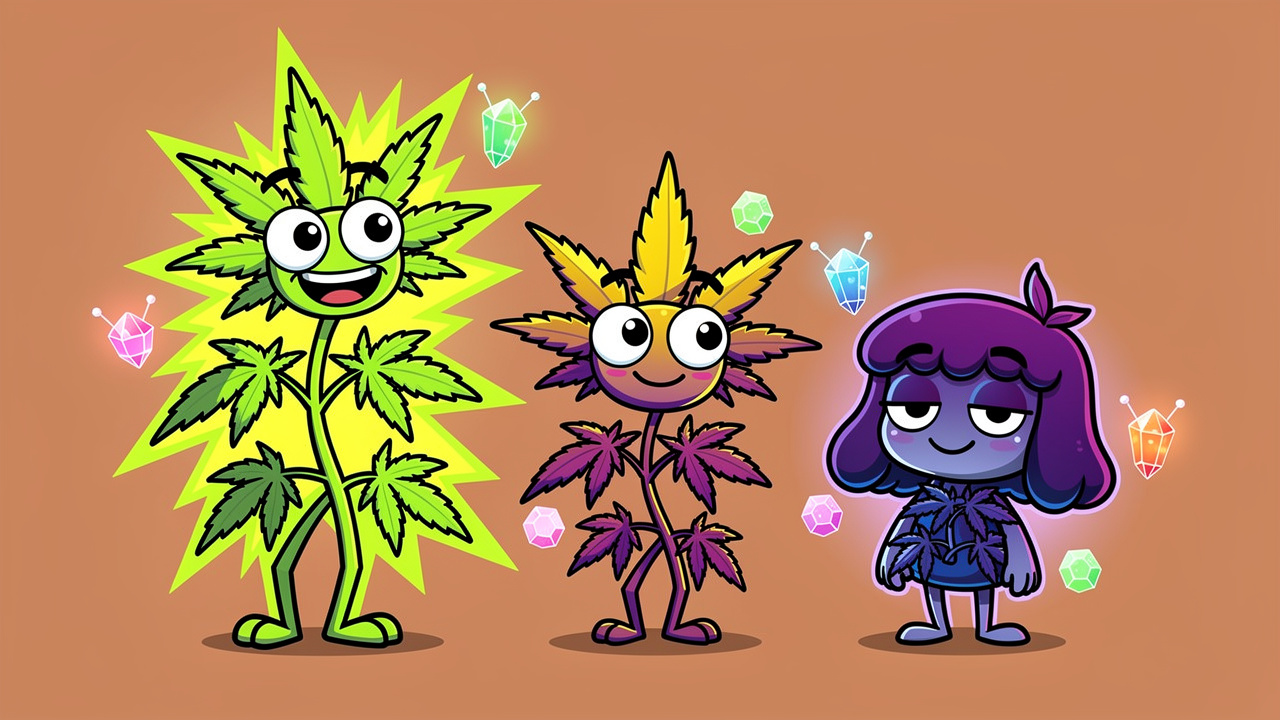
Strain type can influence how talkative you feel, but the full story includes cannabinoids and terpenes rather than simple sativa or indica labels. Still, these categories give a useful starting point for understanding why some products feel social and others feel sleepy.
Sativa-leaning strains are usually described as bright, uplifting, and more cerebral. People often report a clear, energetic high that pairs well with daytime use, group chats, and creative tasks. Classic examples from cannabis culture include Durban Poison, Jack Herer, Green Crack, and Sour Diesel, which many associate with lively, fast moving conversations.
Indica-dominant strains, on the other hand, tend to bring heavier body relaxation and a quieter mind. With these, you might still talk, but the urge to stretch out, snack, or sink into music often wins. Hybrids try to balance those effects, blending mental lift with physical ease.
Terpenes add an important layer of detail. Limonene, found in many citrus-scented strains, has been linked with brighter mood and reduced stress in early research from Frontiers in Psychology. Pinene is associated with mental clarity and alertness, while terpinolene often shows up in strains people describe as energetic and fun. High levels of myrcene lean more towards couch comfort than non stop chat.
Here is where BudBuddies makes life simpler:
Socially oriented strains at BudBuddies, such as Strawberry Cough, Amnesia Haze, and Blue Dream, come with clear notes about flavour, expected mood, and typical use. That means you can pick something described as good for group settings instead of guessing from the name alone.
Every BudBuddies flower product lists its terpene profile alongside the THC and CBD content. You can start to notice patterns, such as limonene rich strains making you more chatty than myrcene heavy ones. Over time, you build your own personal map of which terpene mixes match the kind of evening you have planned.
BudBuddies also highlights hybrids like Blueberry Haze or Gelato for people who want a middle ground. These can be ideal when you hope for conversation early on, then a more relaxed, introspective phase later. Simple product descriptions help you choose without needing to be a chemistry expert.
So while strain type is not the only answer to why does weed make me talk more, it gives useful clues, especially when paired with good terpene information and a little self-observation.
Which Cannabis Format Works Best For Social Occasions?
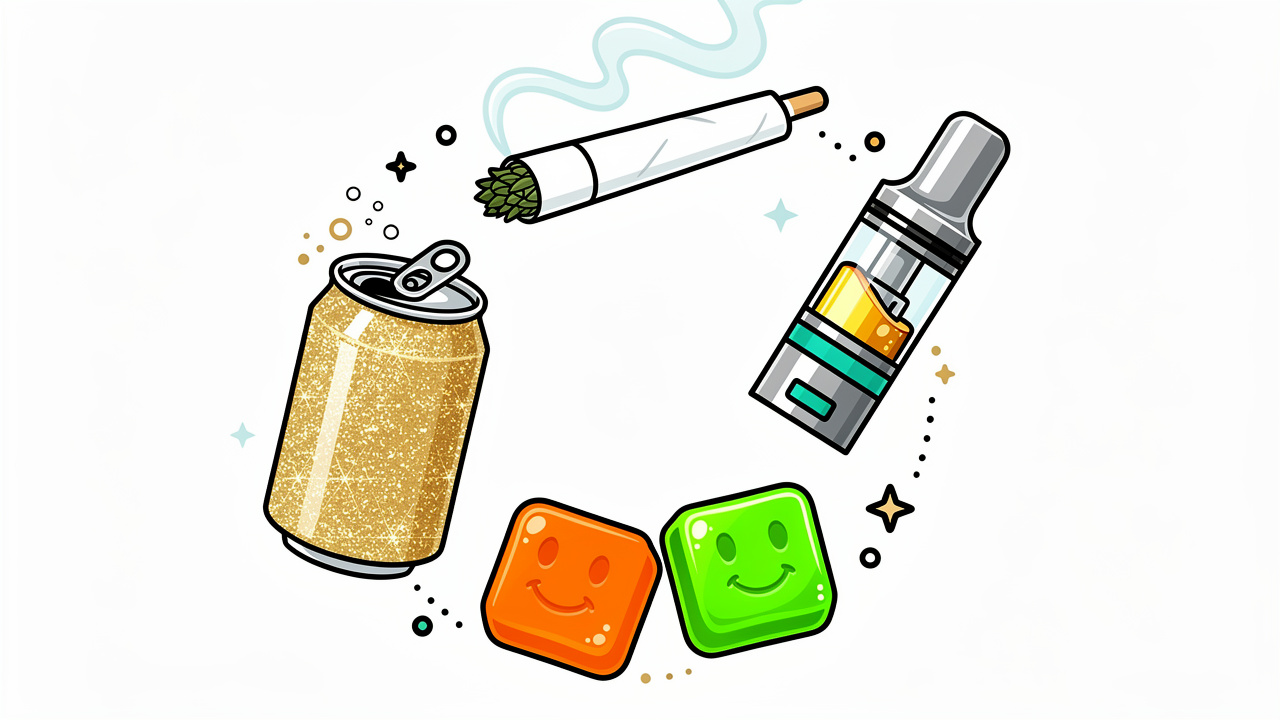
The format you choose for a social session shapes how quickly effects arrive, how long they last, and how easily you can stay in that sweet conversational zone. Inhaled products behave very differently from edibles or drinks, so it helps to match the format to your plans.
According to guidance from Health Canada, inhaled cannabis is usually felt within minutes and often peaks within half an hour. Edibles can take 30 to 90 minutes to fully show themselves, with effects lasting several hours. That gap explains why some people feel perfectly chatty with a vape but overwhelmed after too many gummies.
BudBuddies structures its range around these differences. Clear onset and duration notes on product pages, plus visible per serving THC on edibles, help you time your session instead of guessing. Their simple dosing line start low, go slow keeps you on track for sociable rather than spacey.
BudBuddies tip: Treat cannabis a bit like alcohol at a party—begin with a small amount, wait to see how you feel, and only then decide whether to have more.
For social use, formats tend to work like this:
Flower, whether in loose form or pre-rolls, offers fast feedback and easy pacing. You feel the change within a few minutes, so you can stop when you reach a light, talkative buzz. BudBuddies highlights sativa-leaning and hybrid flower that many customers reserve for games nights, house gatherings, or chilled evenings with friends.
THC vape cartridges deliver a similar onset to flower, but in a more discreet, low odour format. This can suit shared flats, outdoor meet ups, or situations where you want subtle top ups rather than a long smoking break. BudBuddies stocks smooth 510 cartridges with clear cannabinoid breakdowns, so you know exactly what you are inhaling.
Edibles bring longer lasting effects, which can be lovely for all day festivals or long film marathons with company. The trade off is that it is easier to overshoot, which can shift you from happily chatty to withdrawn. BudBuddies helps here with precise per piece THC labelling and Certificates of Analysis, so you can confidently take one portion, wait, then decide on the next.
THC beverages are a newer format that fits naturally into social rituals, similar to sharing a drink. Sipping a cannabis infused beverage slowly lets you build a gentle, steady effect without smoke or vapour. BudBuddies includes these drinks for people who want a familiar social gesture, just with a different kind of buzz.
Balanced THC:CBD products deserve a special mention. By pairing THC with CBD, they often keep mood lift and sociability while trimming the chance of spiralling thoughts. For newer consumers, or anyone who has ever wondered why does weed make me talk more one night and quiet the next, these gentler options can offer a more reliable social feel.
Liven Up Every Session With Final Thoughts On Cannabis And Conversation

Cannabis can make you more talkative through a mix of brain chemistry, reduced inhibition, and creative thought. THC stimulates CB1 receptors and dopamine release, loosening your inner filter, while CBD and serotonin pathways shape how relaxed or anxious you feel. Strain type, terpene profile, dose, and format all steer whether that mix leads to open conversation or quiet reflection.
If you want to tilt your evenings towards lively, enjoyable chat, thoughtful product choice matters more than luck. BudBuddies keeps that choice simple with terpene rich sativa and hybrid flower, balanced vapes, clearly dosed edibles, and social friendly THC drinks, all explained in plain English. Explore budbuddies.cc with your next gathering in mind, and match your products to the kind of conversation you actually want.
Frequently Asked Questions
Question: Why does weed make some people quieter instead of more talkative?
The same cannabis that brings out words for one person can quiet another. High THC doses, heavy indica or high myrcene strains, tense environments, and naturally anxious temperaments can all push people inward. In those moments, thoughts turn private and reflective, so chatting feels tiring rather than fun.
Question: Does the type of weed you smoke change how chatty you feel?
Yes, product type can strongly influence how chatty you become. Sativa-leaning, limonene or terpinolene rich strains are often linked with bright, social highs. Indica dominant, myrcene heavy strains tend to bring heavier relaxation and fewer words. Your own body chemistry, tolerance, and mood still play a major part in the final effect.
Question: Can CBD make you more talkative?
CBD alone does not usually create the excitable, dopamine driven chatter linked to THC. Instead, CBD helps many people feel calmer and less on edge. In a balanced THC:CBD product, that calmer base can remove some of the fear around speaking, which supports smoother, more comfortable conversation.
Question: Why does weed make conversations feel more interesting?
THC can increase what researchers call ideational fluency, meaning your brain links ideas in fresh ways. You notice patterns, jokes, and connections you would normally miss, which makes topics feel richer. That sense of newness turns ordinary chats into long, winding conversations that feel especially meaningful in the moment.
Question: Is it normal to feel more talkative on edibles than when smoking?
Yes, some people find edibles bring a deeper, longer lasting version of the chatty effect. The body processes ingested THC differently, which can make the high feel more immersive. Because edibles are slower to appear and harder to judge, BudBuddies always reminds customers to start low, wait, and only then decide whether to eat more.


