


Why Edibles Feel Stronger Than Vaping: The Real Reason
Introduction
Many people learn the hard way why edibles feel stronger than vaping and end up far higher than planned. The same milligrams on the label, yet the effect feels on another level.
The reason comes down to simple body chemistry. When you vape, THC moves straight from your lungs to your brain. With edibles, your bioavailability of edibles vs vapes that feels deeper and lasts longer. This guide breaks down why edibles feel stronger than vaping, how timing and duration work, how your biology changes things, and how BudBuddies products fit each style.
So if that brownie hit harder than your favourite vape, keep reading and the science will start to make sense.
Why Do Edibles Feel Stronger Than Vaping? The 11-Hydroxy-THC Explanation
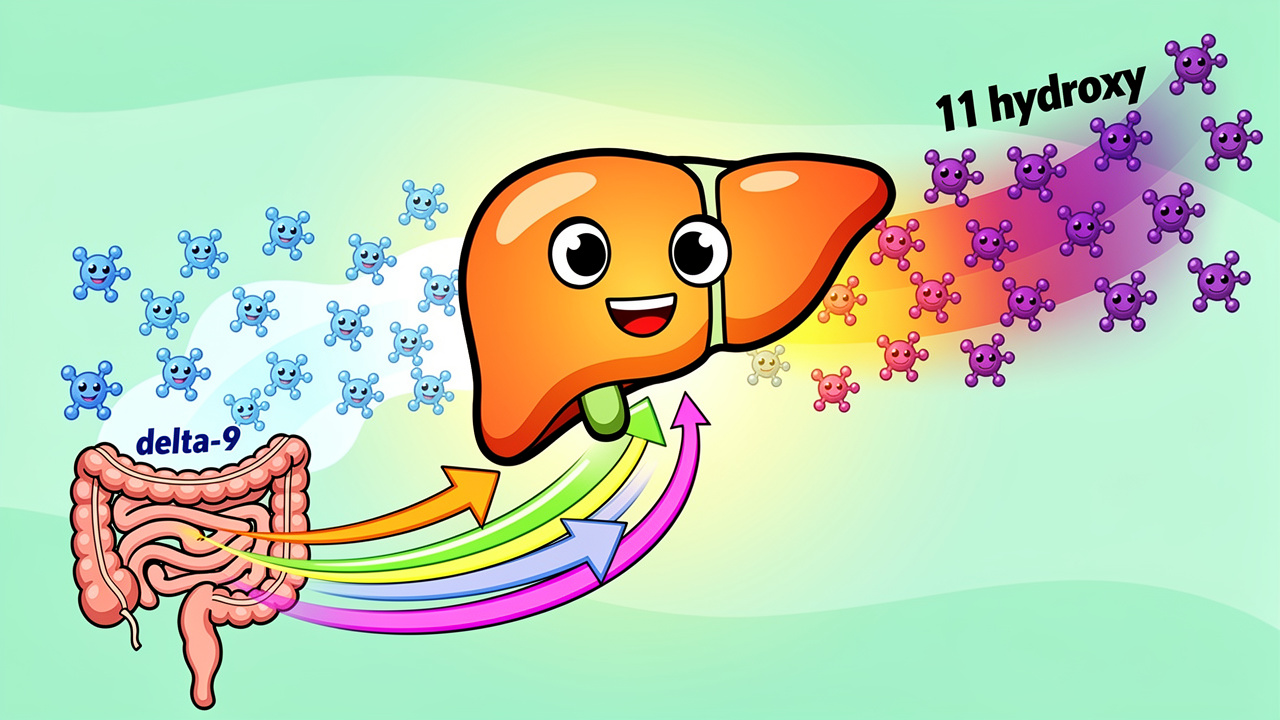
Edibles feel stronger than vaping because your liver changes THC into a more intense form before it reaches your brain. That chemical twist is the main reason why edibles feel stronger than vaping for so many people.
When you vape a BudBuddies cartridge or any other cannabis vapour, THC passes through the thin tissue in your lungs straight into your bloodstream. It reaches your brain quickly as delta‑9‑THC, the standard form of THC, and starts binding to CB1 receptors. According to the World Health Organization, inhaled cannabis takes effect within minutes and usually peaks within half an hour.
With an edible, the route is longer and more complex. The THC travels through your stomach and small intestine, then moves through the portal vein to your liver. In the liver, enzymes convert a large share of that delta‑9‑THC into another compound called 11‑hydroxy‑THC. Research summarised by the Journal of Cannabis Research suggests oral THC creates higher blood levels of 11‑hydroxy‑THC than inhaled THC at similar doses.
In simple terms:
With vaping, most of the THC stays as delta‑9‑THC.
With edibles, a larger portion becomes 11‑hydroxy‑THC in your liver.
Here is the key. 11‑hydroxy‑THC crosses the blood‑brain barrier more easily and binds strongly to those same CB1 receptors. Many users describe the result as heavier, more immersive, and more body‑focused. The total THC milligrams might match what you would vape, yet the shape of the high feels very different.
That chemical change also helps explain the long tail of an edible session. Your liver keeps feeding 11‑hydroxy‑THC into your bloodstream over time, so the peak is broader and the fade‑out slower. BudBuddies leans into this science with clearly labelled milligrams per edible, which helps you respect just how intense this conversion can feel.
How Onset Time and Duration Make Edibles Feel Overwhelming
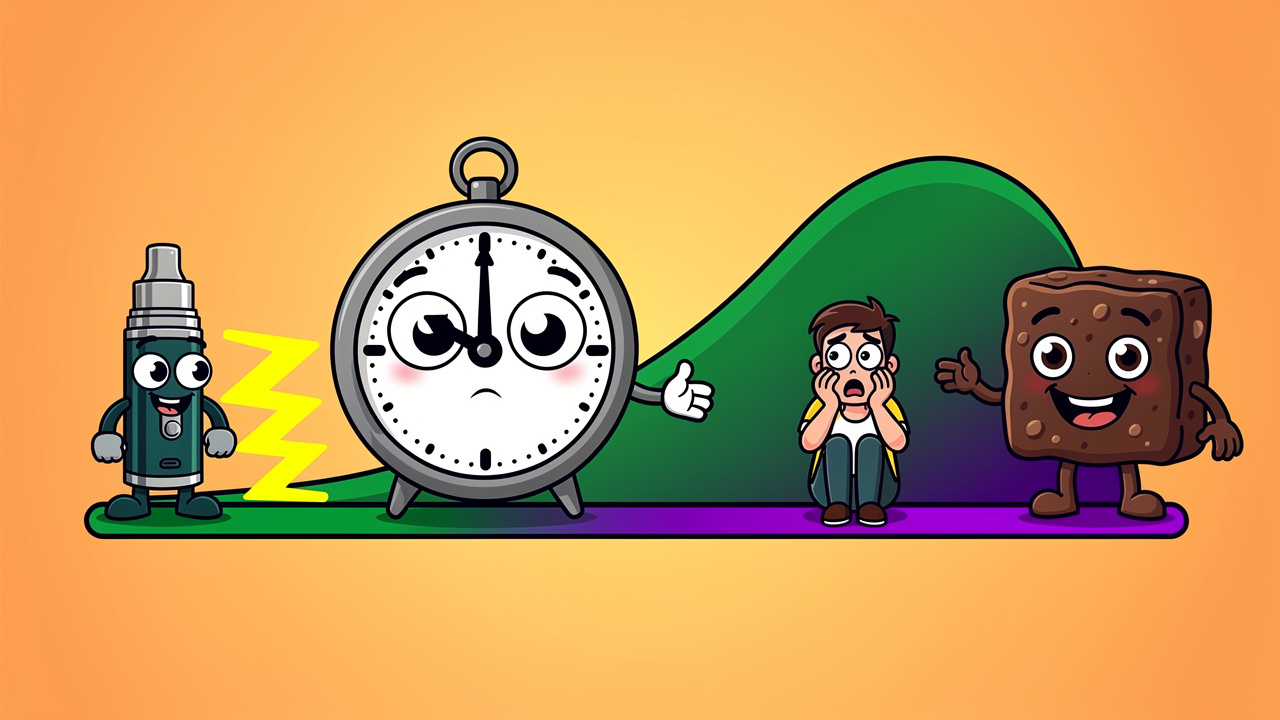
Onset time and duration explain why edibles feel stronger than vaping in everyday life, even when the chemistry is the same. The high arrives later, peaks later, and stays around for far longer.
Vaping acts quickly — you take a draw, and within 5–15 minutes most people feel a clear shift, a pattern consistent with findings on the Impacts of vaping and marijuana use on airway health. The National Institute on Drug Abuse notes that inhaled cannabis produces near‑instant effects that usually fade within a few hours. That fast feedback makes it easy to stop at “just enough”.
Edibles ask for patience. They often take 30–120 minutes before you feel much at all. Digestion speed, what you ate earlier, and your metabolism all matter. According to Healthline, many users feel edibles between 30 and 90 minutes, but the peak can arrive later as more THC passes through the liver.
Here is where people get caught out. At the 45‑minute mark they feel nothing, take another square of chocolate, then the first dose suddenly comes alive. By the time the second one joins in, the level of 11‑hydroxy‑THC in the blood is far higher than planned.
Duration adds another layer:
Vaping usually feels most noticeable for 2–4 hours. With BudBuddies vapes you can take one or two draws, feel where you land, and then either pause or top up. Many regulars like this shorter, adjustable window for daytime, work‑adjacent tasks, or gentle evenings.
Edibles often last 4–8 hours and sometimes longer. The World Health Organization reports that ingested cannabis can keep clear effects for six hours or more. If you misjudge your dose, that long stretch can feel like it never ends.
Because of that timing, people remember long, intense edible nights far more than quick vape sessions, which feeds the sense that edibles are on another level.
Why Waiting Two Hours Before Redosing Is Non-Negotiable
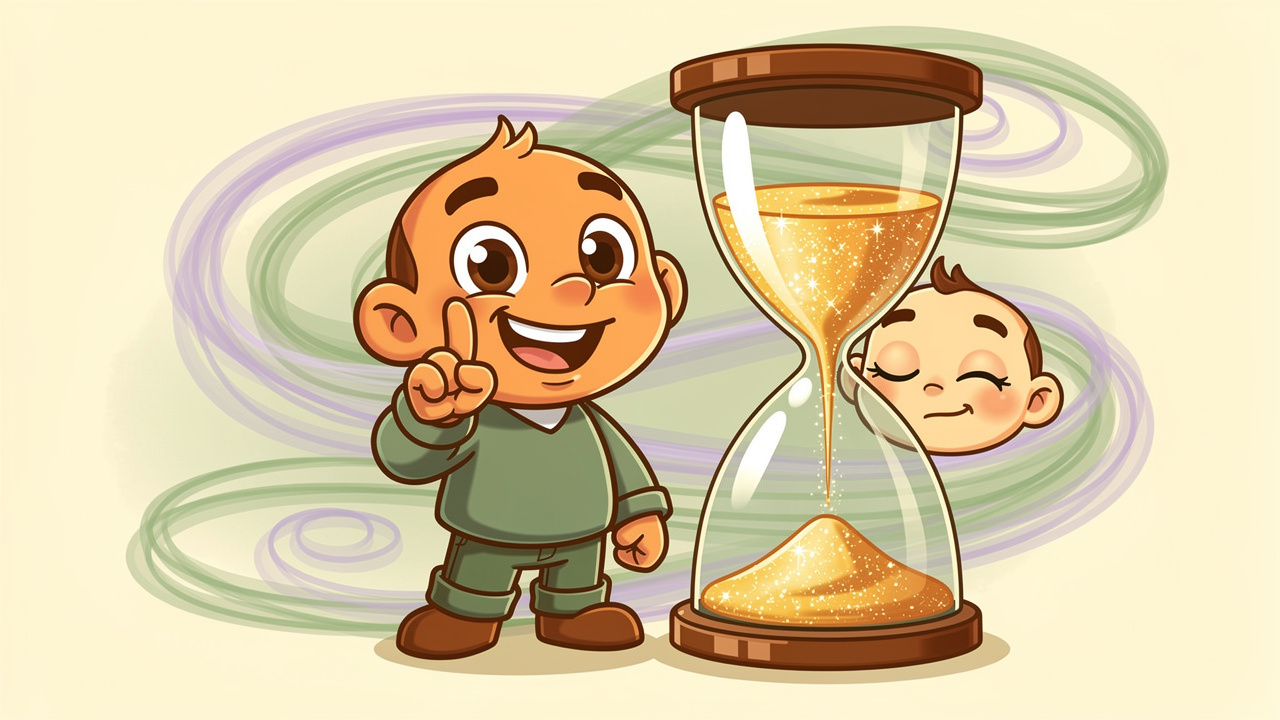
Waiting two hours before taking more is the simplest way to stay on top of why edibles feel stronger than vaping. Your body needs that time for digestion and liver conversion to play out fully.
During the first hour, your stomach may still be breaking down food and the THC in your snack. In the second hour, more THC reaches the liver, more 11‑hydroxy‑THC forms, and blood levels climb. Guidance from the Colorado Department of Public Health and Environment advises at least a two‑hour gap between edible doses for this reason.
A common guideline in cannabis education is, “Start low and go slow — especially with edibles.”
Even if you feel almost nothing after 60 minutes, the full effect may only just be building. BudBuddies repeats the same simple line across edible product pages: start low, go slow. For most new edible users that means beginning with just 2.5–5 mg THC, then waiting the full two hours before you even think about more. Once you see how your body responds, you can adjust next time with confidence.
A simple approach many people follow:
Take a small first dose.
Wait the full two hours without topping up.
Decide calmly whether you need more, or save it for another day.
Does Individual Biology Affect How Strongly Edibles Hit?
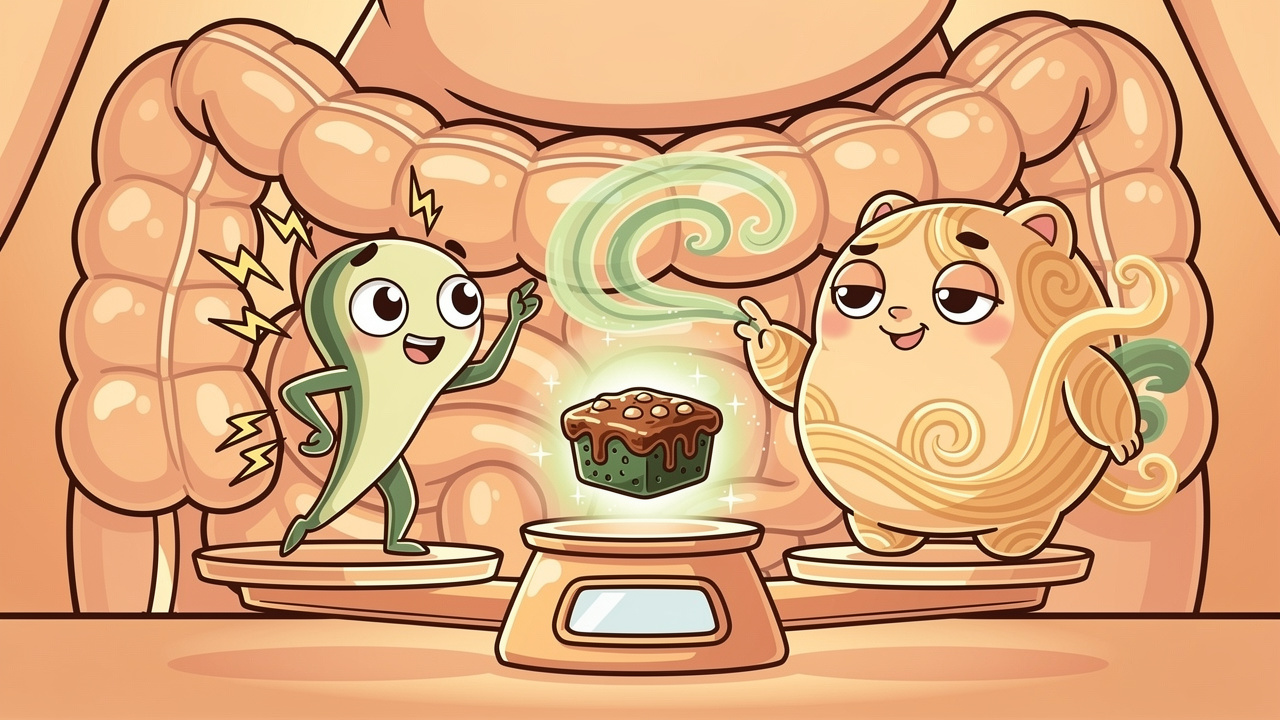
Individual biology plays a huge part in why edibles feel stronger than vaping for some people and milder for others. Digestion, metabolism, body fat, and liver chemistry all change how much 11‑hydroxy‑THC you end up with.
Metabolism speed makes a clear difference. People with a faster metabolic rate may absorb and process THC more quickly, so the high arrives sooner and can fade a little sooner. For slower metabolisms, the climb is more gradual but often feels heavier and longer. A review in the Journal of Cannabis and Cannabinoid Research notes that oral THC blood levels can vary several‑fold between people at the same dose.
Stomach contents matter as well. A completely empty stomach can push THC into your bloodstream faster, which may create a sharper peak. A light meal beforehand often leads to a smoother rise, although onset can feel slower. Because vaping skips the gut and liver, these food‑related swings barely show up with a vape pen or dry herb vaporiser.
Body composition also plays a role. THC is fat‑soluble, so more body fat can change how THC distributes and how long it hangs around. On top of that, liver enzyme activity differs from person to person. Some people convert a bigger share of their THC into 11‑hydroxy‑THC, which helps explain why one friend feels flattened by 10 mg while another feels gently relaxed.
Tolerance adds one last twist. Regular vapers often assume their high tolerance will carry across to edibles. In reality, tolerance built on inhaled delta‑9‑THC does not always blunt the punch of that 11‑hydroxy‑THC wave. BudBuddies leans on precise milligram labelling and a wide range of strengths so you can move up gradually, rather than guessing and hoping for the best.
No two bodies process THC in exactly the same way, so respect your own limits rather than copying a friend’s dose.
All of this means there is no single “right” number of milligrams. The right amount is the one that fits your body and your plans, not someone else’s story.
Edibles Vs Vaping: Which Format Is Right For You?
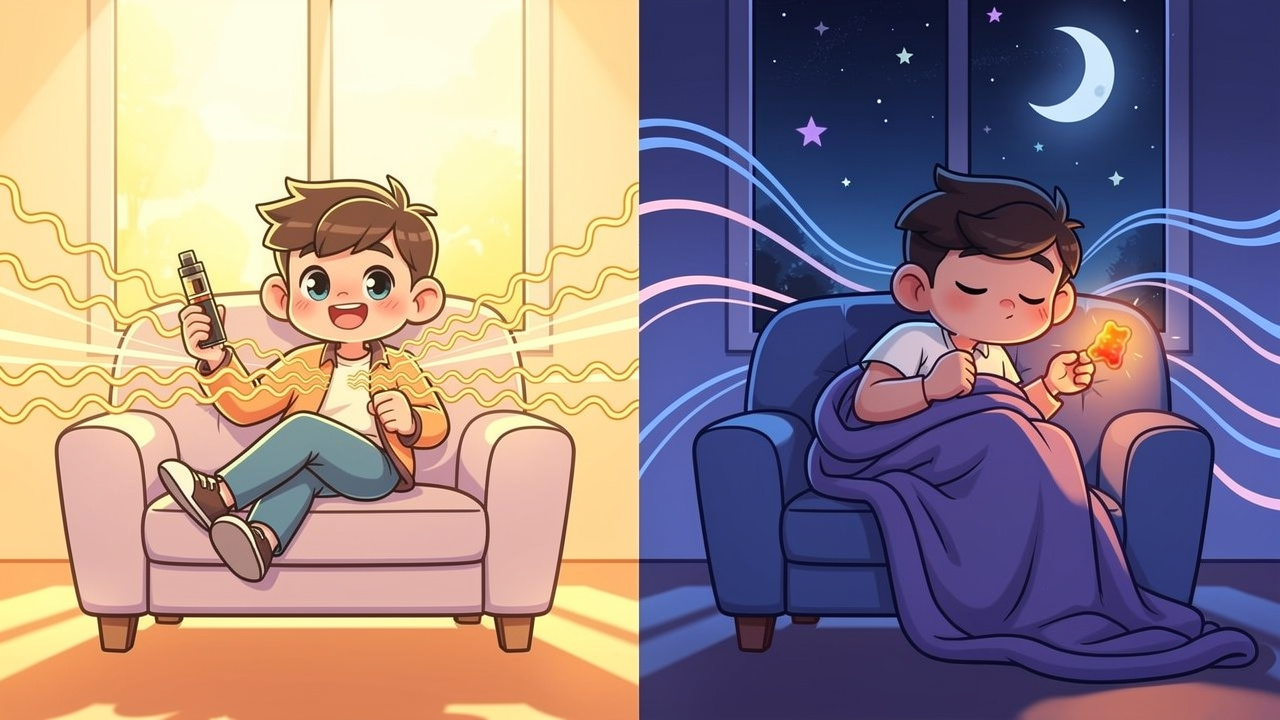
Your choice between edibles and vaping decides not only why edibles feel stronger than vaping for you, but how cannabis fits your day. The right format depends on how fast you want the effects, how long you want them, and what kind of high you enjoy.
Many people settle on both formats for different moments. A BudBuddies disposable vape pen might suit late‑afternoon social plans, while a low‑dose gummy fits a quiet, extended evening at home. A survey from New Frontier Data found that many consumers regularly mix inhaled products and edibles, using each where it makes the most sense.
Here is how vaping often fits:
Vaping works well when you want fast, adjustable effects that do not take over the whole night — an understanding supported by research into Frontiers | Cannabis concentrate vaping chemistry and how different formulations behave. With BudBuddies pre‑filled THC cartridges and live resin carts, you can take one puff, wait a few minutes, and then decide whether you need another. That step‑by‑step approach helps experienced users stay in a sweet spot and gives newcomers a gentle way to learn their limits.
Vaping also suits people who prefer a clearer, more head‑focused feeling. Many describe vape sessions as lighter, more social, or better for creative tasks. BudBuddies offers 510‑thread cartridges, disposable pens, CBD e‑liquids, and portable dry herb vaporisers, all clearly marked with THC or CBD strength, so you can match your vape to your plans.
Edibles shine in slightly different situations:
Edibles are better when you want long, background effects with no inhalation at all. A single BudBuddies gummy or capsule can carry you through a movie marathon or a slow Sunday afternoon without constant redosing. For people who like deep physical relaxation or help with sleep, that steady 11‑hydroxy‑THC curve is exactly what they are looking for.
Edibles also suit anyone who values discretion and consistency. BudBuddies baked goods, sugar‑free options, and vegan‑friendly recipes arrive in plain packaging, with lab‑tested potency and milligrams printed clearly per serving. That mix of privacy, clarity, and flavour makes it easier to explore edibles sensibly rather than guessing how strong a homemade treat might be.
When you understand how each format behaves, you can use vaping for control and edibles for staying power, instead of letting either take you by surprise.
The Science Is Clear, Now Use It to Your Advantage
The science behind why edibles feel stronger than vaping is surprisingly straightforward. Vaping sends delta‑9‑THC from your lungs to your brain in minutes, while edibles send THC through your liver, where it becomes 11‑hydroxy‑THC, a form that often feels deeper and longer lasting.
Once you add the slow build and long duration of edibles, it is easy to see why one extra brownie can feel far more intense than a few pulls on a vape pen. BudBuddies turns that knowledge into practical guidance, with clearly dosed edibles, labelled vape strengths, discreet delivery, and plain‑English product pages on budbuddies.cc.
Conclusion
Now that you know why edibles feel stronger than vaping, you can plan your sessions instead of guessing. Go low on milligrams, give at least two hours before more, and choose the format that matches your plans. With BudBuddies edibles and vapes, you get the clarity, consistency, and privacy that make that choice feel calm rather than risky. Respect the chemistry, and both edibles and vapes can stay enjoyable rather than overwhelming.
Frequently Asked Questions
This section gives fast answers to the most common questions about why edibles feel stronger than vaping, so you can refer back any time.
Question 1: Why do edibles hit harder even when the THC milligrams look the same as what I vape?
Edibles hit harder because that THC passes through your liver and becomes 11‑hydroxy‑THC, which often feels stronger per milligram. With vaping, the THC stays as delta‑9‑THC. So even if the labels match, the edible version reaches your brain in a form that tends to feel more intense and longer lasting.
Question 2: Can I build tolerance to edibles the same way I do with vaping?
You can build tolerance to edibles, but it often develops differently from vaping. Tolerance from frequent vaping does not always protect you from the punch of 11‑hydroxy‑THC. Many regular vapers still feel surprised by a modest BudBuddies edible, so it makes sense to reset low and work upwards, rather than assuming your vape tolerance covers everything.
Question 3: What should I do if an edible feels too strong?
If an edible feels too strong, stay calm, sip water, and lie somewhere comfortable and quiet. Remind yourself the feeling will pass with time. CBD may soften the edge for some people, and gentle distractions like music, breathing exercises, or a familiar show can help while your body clears the THC. Avoid alcohol, which can intensify the effects for some users.
Question 4: How long should I wait after eating before taking an edible?
Many people find a light meal an hour or so before an edible gives a smoother ride. A completely empty stomach can lead to a faster, sharper onset, while a heavy meal can delay things. Whatever you choose, still allow at least two hours before you even think about taking more, so you see the full effect of your first dose.
If you remember nothing else, remember this: start low, go slow, and give your body time to catch up.


