


Greening Out Symptoms: Signs, Causes and What To Do
Introduction
Feeling rough after cannabis—with nausea, spinning and panic—often means greening out symptoms have arrived in full force. The experience can feel overwhelming, scary and confusing, especially if it happens without warning.
Greening out is a short‑lived THC overload that brings on unpleasant physical and psychological reactions, from racing heart to racing thoughts. It is sometimes called cannabis overconsumption, and it happens to beginners and regular consumers alike.
In this guide you will learn:
what greening out symptoms look and feel like
why some people are more prone to them
what to do in the moment
how to lower the chances next time
Along the way, BudBuddies keeps the focus on clear, calm guidance so you can approach cannabis with more confidence, not more fear.
What Are the Symptoms of Greening Out?
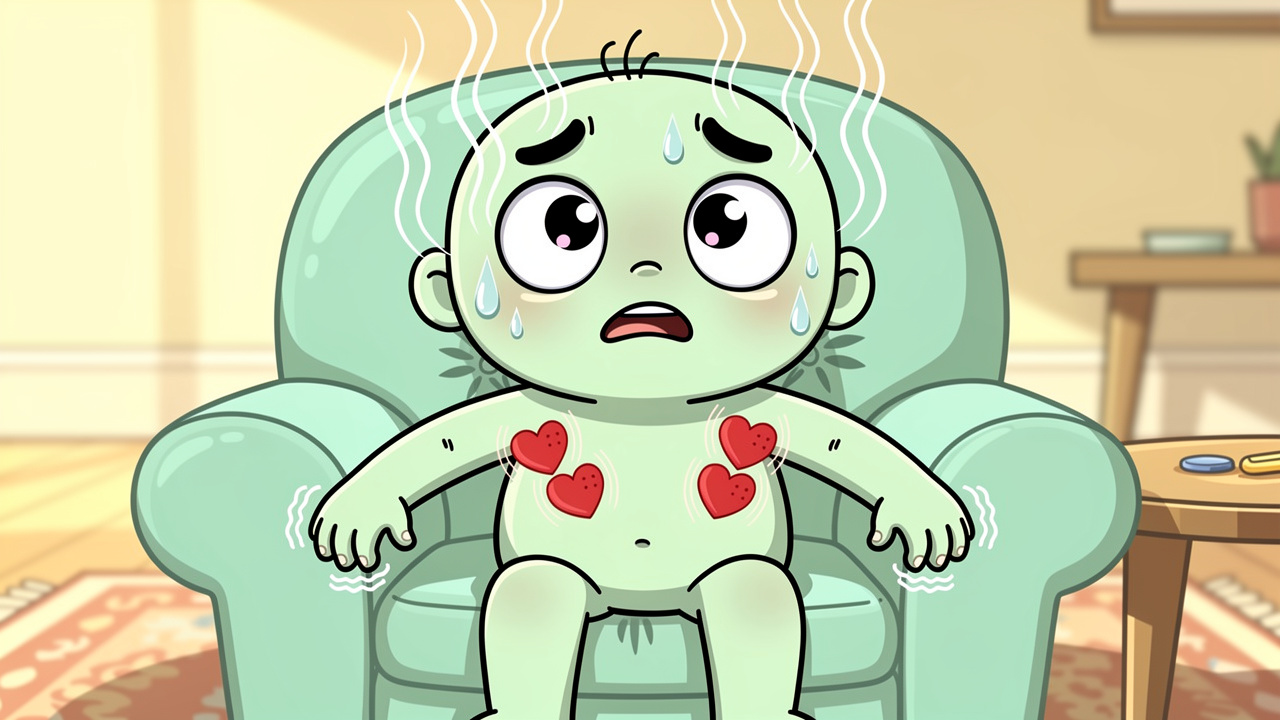
Greening out symptoms are the cluster of physical and mental effects that appear when someone has taken more THC than their body likes. They usually begin within minutes of smoking or vaping, or within a couple of hours with edibles. At first, the signs tend to be bodily. Many people feel sick, clammy, dizzy and suddenly very aware of a pounding heartbeat. Harvard Health Publishing notes that cannabis can raise heart rate by 20 to 50 beats per minute, which feels frightening if you do not expect it.
Nausea, queasy stomach and sometimes vomiting are very common. The room can feel as if it is gently spinning, so walking even a few steps feels risky. Many people feel safer lying down, closing their eyes and taking slow breaths until that wave passes.
Sweating, pale or slightly green‑looking skin, dry mouth, shaking hands and a thumping heart often arrive together. Friends may notice you look washed out or unsteady before you do. These feelings are short lived, even if they feel very dramatic in the moment.
Chills, lightheadedness or feeling faint can also appear. Sitting or lying on the floor, rather than trying to stand, lowers the chance of falling if your legs suddenly feel weak.
Alongside the physical signs, greening out symptoms almost always have a mental side. The same THC that relaxes you at lower doses can suddenly flip into anxiety, racing thoughts and a strong sense of unease. The NHS explains that strong cannabis can cause paranoia and even hallucinations in some people, especially at high doses.
Sudden waves of anxiety or a full panic attack are very common. You might feel sure something terrible is about to happen, even though your body is simply reacting to THC. Reminding yourself out loud that the feeling is temporary can make the peak much easier to ride out.
Paranoid thoughts can appear from nowhere, such as believing others are laughing at you or that you are in trouble. These ideas come from THC acting on brain areas involved with fear and threat. They pass as the effects fade, even if they feel convincing in the moment.
Confusion, time distortion and feeling detached from yourself are also possible. Minutes can feel like hours, and familiar rooms may seem strange or distant. This can be one of the most unsettling greening out symptoms, although it leaves no lasting mark once the high wears off.
“Most people who ‘green out’ recover fully with rest, reassurance and time. The key is to stay calm and ride out the peak rather than fighting it.”
— BudBuddies Education Team
Physical Vs. Psychological Symptoms: What’s the Difference
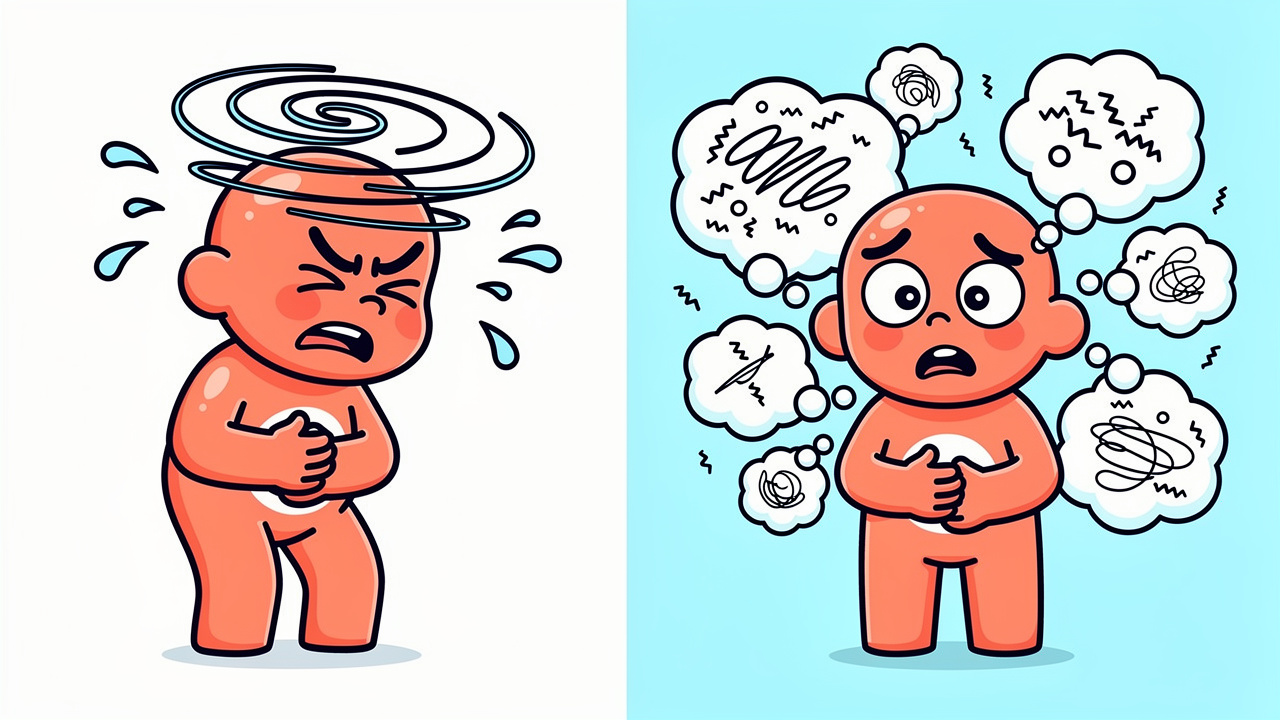
The difference between physical and psychological greening out symptoms mostly comes down to which parts of the body THC is stirring up. Physical signs usually appear first, as THC widens blood vessels and alters heart rate, blood pressure and balance. These changes affect the autonomic nervous system, so you feel sweaty, faint, shaky or sick even when you are lying still. Psychological effects build on top as THC acts on CB1 receptors in brain areas linked with anxiety, perception and memory.
A simple way to think about it is:
Physical symptoms: things you feel in your body, such as nausea, sweating, dizziness and a pounding heart.
Psychological symptoms: changes in thoughts and perceptions, such as panic, paranoia, confusion and time distortion.
In real life, both sets often overlap. Many people find that the racing heart and dizziness frighten them, which then sparks panic, paranoia or a fear of losing control. Knowing that the thoughts are drug driven and temporary can stop that feedback loop from spiralling. It also helps you support a friend, because you can calmly name what is happening instead of guessing.
Why Do Some People Green Out More Easily Than Others?
Some people feel greening out symptoms more easily because tolerance, product strength, method of use and personal biology all shape the experience. A dose that feels fine for one person can overwhelm someone else, even if they share the same joint or edible.
Key factors include:
Tolerance level: If you are new to cannabis or returning after a long break, your tolerance is low, so strong flower or concentrates can hit very hard. Experienced friends may seem steady on the same amount because their bodies are more used to THC.
Method of consumption: Edibles pass through the liver before reaching the blood, so they often take 60 to 120 minutes to peak. Many people eat more after half an hour because they think nothing is happening, then both doses land together. High strength vape cartridges and dabs also deliver large amounts of THC in seconds, which can catch even regular consumers off guard.
Product strength: Concentrates and high‑THC strains compress a lot of THC into a small amount of vapour, smoke or food. Without clear labelling, it is easy to take more than intended.
Individual biology: According to the US research body NIDA, about three in ten people who use cannabis develop some level of cannabis use disorder, which shows how differently bodies respond to THC over time. Factors such as body weight, metabolism and hormone levels all influence sensitivity. So do mood and mental health history.
Mixing substances: Combining cannabis with alcohol or other drugs can magnify every uncomfortable effect. Alcohol in particular increases how quickly THC reaches the bloodstream.
Understanding which of these applies to you helps you plan more gentle sessions and makes greening out far less likely.
What To Do If You Or Someone Else Is Greening Out
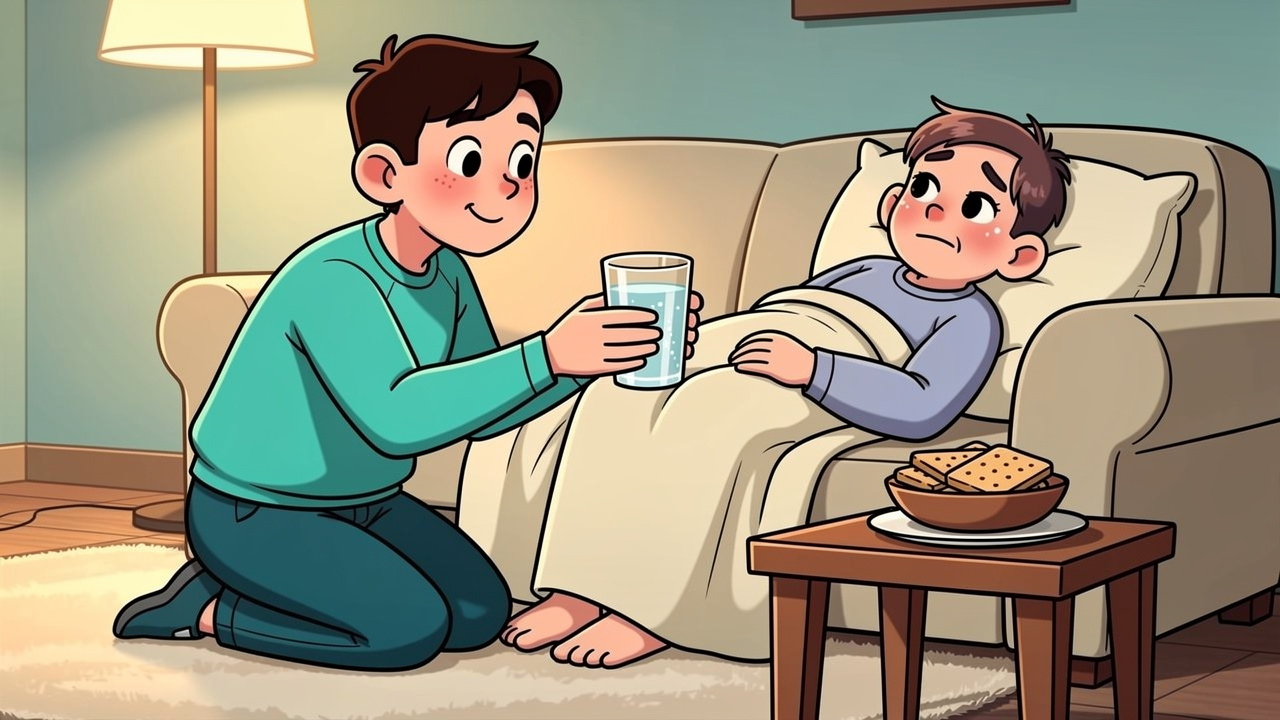
If you or someone else is feeling greening out symptoms, focus on calm reassurance and simple comfort until the effects fade. You cannot switch THC off instantly, but you can make the next hour or two feel much more manageable.
Stay as calm as possible and speak gently. Tell them they have taken more cannabis than suits them, not something deadly. Hearing that this is a known reaction, not a medical mystery, often softens the fear.
Move to a quiet, cool spot away from crowds or loud music. Sitting or lying down with dimmer light reduces dizziness and nausea. Offer small sips of water and, if they feel able, a light snack such as toast or biscuits.
Encourage slow breathing and grounding. Simple patterns such as inhaling for four counts, holding for four, then exhaling for four help settle the nervous system. Asking them to name a few things they can see or feel pulls attention away from racing thoughts.
Stay nearby and keep an eye on them while they ride it out. If they become very sleepy, check their breathing and roll them onto their side if they have been sick. Do not let someone heavily affected wander off alone or get behind a wheel.
Avoid arguing, teasing or filming them. Feeling observed or laughed at can intensify panic. Offer care, not commentary.
“When a friend greens out, your calm presence is more helpful than any trick or hack.”
— BudBuddies Community Tip
Call 999 for an ambulance if they have chest pain, breathing trouble, seizures, lose consciousness or you suspect contamination. Tell the crew exactly what was taken. Research summarised in Annals of Emergency Medicine finds that most people who attend hospital after cannabis use are discharged home the same day, which shows that time, monitoring and reassurance are usually enough. Medical teams are used to cannabis‑related problems and will not judge you for asking for help.
How to Avoid Greening Out in the First Place
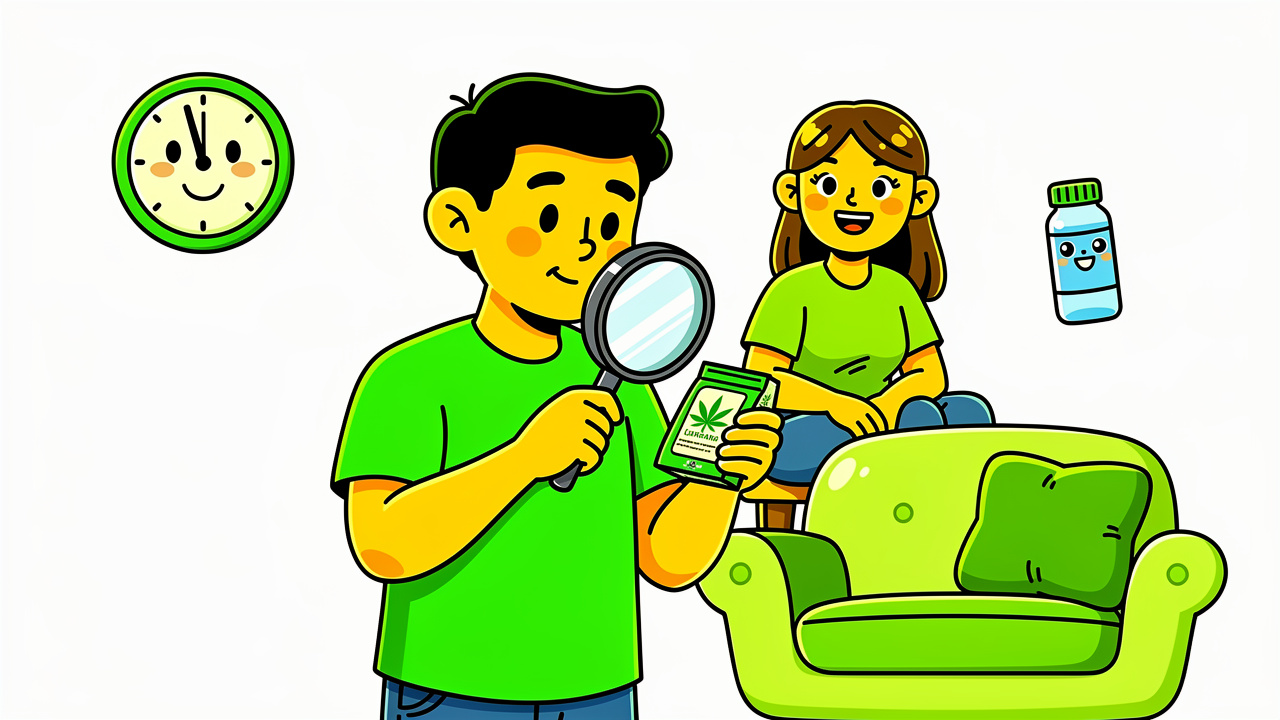
To avoid greening out symptoms in the first place, think about dose, product choice and setting before you consume. A little planning means you still get the enjoyable effects without tipping into the rough, anxious side of cannabis.
As many cannabis educators say, “Start low and go slow.” Treat that as your motto, especially with new products.
Start low and go slow, especially with edibles or a new strain. For edibles, many adults begin with 5 to 10 milligrams of THC, then wait at least two hours before considering more. A study in Annals of Internal Medicine linked edibles to a noticeable share of cannabis‑related emergency visits, often due to impatient redosing.
Check the THC and CBD content of any product before you use it. Moderate strength flower and vapes make it easier to find a comfortable level, especially if you are newer. BudBuddies lists clear cannabinoid percentages on every product page so you can see at a glance what you are choosing.
Avoid mixing cannabis with alcohol or other drugs. Alcohol in particular can increase how quickly THC reaches the bloodstream, which makes greening out more likely and more intense. Sticking to one substance at a time gives you a much clearer sense of what your body can handle.
Choose a comfortable, familiar environment with people you trust, especially when trying something stronger. Being at home with close friends, snacks and water close by is kinder to your nerves than a packed bar or festival. If you start to feel uneasy, you can change position or distract yourself easily.
Make the most of BudBuddies if you want a smoother ride. Our beginner‑friendly strains such as Blue Cheese and Zkittlez, precise edible dosing and full range of CBD products all help you match strength to your comfort level. Discreet, tracked delivery from budbuddies.cc also lets you plan your session calmly at home.
Luckily, It Always Passes: Keep That in Mind
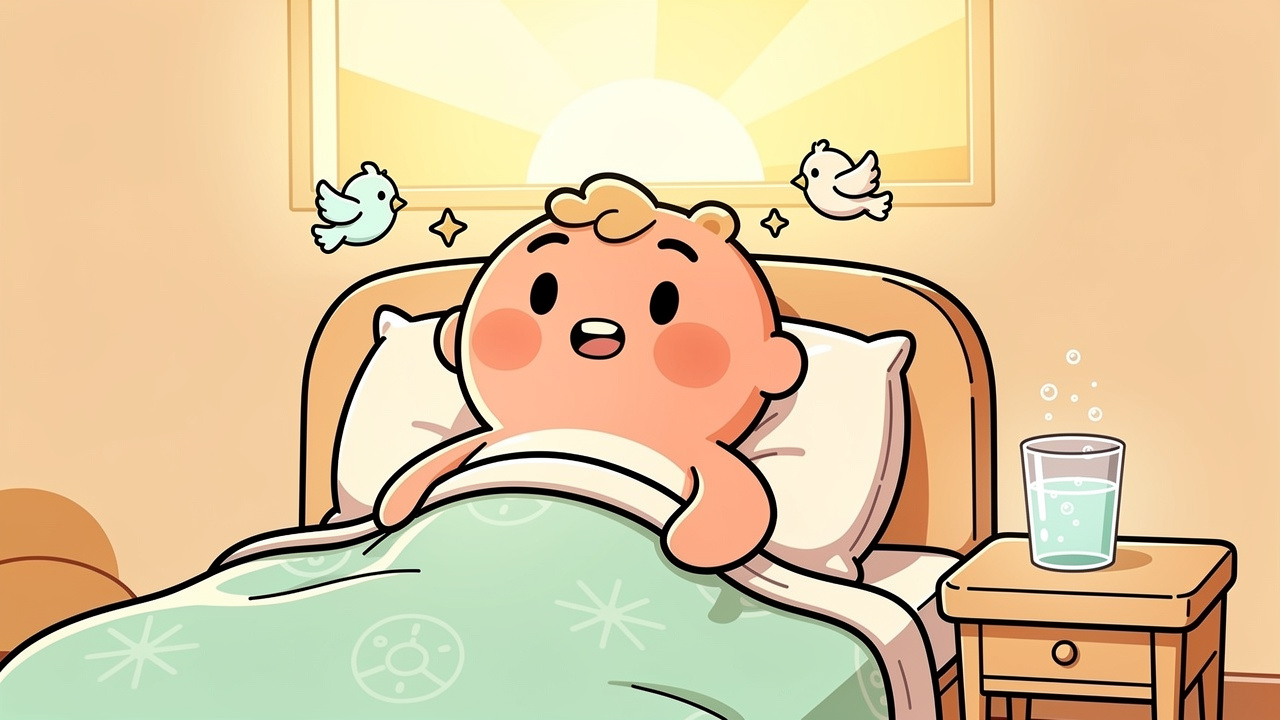
Remember that even the roughest greening out symptoms pass and leave no lasting damage in otherwise healthy adults. The symptoms peak, level off and then fade as your body slowly clears THC from the system.
Knowing this in advance can stop you panicking if it ever happens. It also gives you space to focus on preparation, like careful dosing and product choice, rather than fear. If greening out keeps happening, consider lowering your dose or taking a longer break from cannabis. BudBuddies is here whenever you want lab‑tested options, clear descriptions and calm guidance before your next session.
Frequently Asked Questions
Question: Can You Green Out From CBD Products?
Answer: No, you do not green out from CBD alone. CBD is not intoxicating, and pure CBD products contain no meaningful THC, so they do not cause an overwhelming high. If a CBD product does trigger greening out symptoms, it usually means it contained more THC than expected.
Question: Is Greening Out Dangerous?
Answer: For most healthy adults, greening out feels awful but is rarely dangerous. The effects pass as THC levels fall, unless there is chest pain, breathing difficulty, seizures or loss of consciousness. Anyone with a heart or breathing condition should seek medical advice if they are worried.
Question: Does Greening Out Happen More With Edibles?
Answer: Yes, edibles cause greening out more often because they take much longer to kick in. People redose too soon, then the combined amount peaks hours later and feels far stronger than expected. Careful timing and clear labelling are your best friends with edibles.
Question: Can an Experienced Cannabis User Still Green Out?
Answer: Yes, experienced cannabis users can still green out. A much stronger strain, concentrates, high strength vapes or returning after a long break can push THC above their current comfort zone. Tolerance is helpful, but it does not make anyone immune.
Question: What Does Greening Out Feel Like?
Answer: Greening out symptoms feel like intense spinning, nausea, racing heart, sweating, shaking and losing control. Many people also notice strong anxiety, paranoia and time distortion, even though these sensations always pass once THC wears off. Knowing the signs ahead of time makes them less frightening if they appear.
Conclusion
Greening out symptoms show that your body has had more THC than it can handle comfortably. The mix of nausea, dizziness, racing heart and anxious thoughts can feel intense, but it is temporary. Staying calm, moving somewhere quiet, sipping water and using grounding techniques all reduce the impact. Sensible dosing and product choice make repeat episodes much less likely.
Choosing clearly described, lab‑tested products from BudBuddies gives you real control over strength, format and onset. With beginner‑friendly strains, precise edibles, high‑CBD options and discreet tracked delivery from budbuddies.cc, you can plan your next session to match your comfort level and keep greening out as a rare, manageable setback rather than a regular event.


