Difference Between Sativa and Indica Explained
Introduction
Many people still feel unsure about the difference between sativa and indica, which makes every purchase feel a bit like a gamble. One strain lifts the mind, another melts the body, and it is not always clear which is which from the label alone.
Relying only on a colour code or a short tag often leads to hit‑and‑miss experiences. Without clear guidance, it is hard to match a product to your plans or your tolerance.
This guide explains the real difference between sativa and indica in plain English, from plant origins to classic effects and modern terpene science. You will see how hybrids fit in, how THC and CBD play their part, and how format changes the feel. By the end, you will know how to read BudBuddies strain pages with confidence and pick what suits you, so your next order works harder for you.
What Is The Difference Between Sativa And Indica?

The main difference between sativa and indica lies in their origins, plant shape, flowering time, and usual reported effects. In simple terms, sativa plants tend to look tall and airy, while indica plants are short, dense, and more compact.
Cannabis sativa developed in warm, bright regions such as Central America, Southeast Asia, and parts of Africa. These conditions produced plants that:
Grow very tall, sometimes several metres high
Show long internodes (space between branches)
Carry slim, finger‑like leaves that are often a lighter green
Usually take longer to finish flowering, often ten to sixteen weeks
Many growers say these traits suit outdoor spaces or tall indoor rooms with plenty of headroom.
Cannabis indica traces back to the Hindu Kush mountain range around Afghanistan, Pakistan, and northern India. The tougher climate encouraged a different build:
Shorter, sturdier structure that handles wind and cold
Broad, dark green leaves
Tight, chunky buds with a compact shape
Faster flowering, often in six to nine weeks
Indoor growers often favour these plants because they fit shorter cycles and smaller rooms.
Traditionally, people link the difference between sativa and indica to effects as well as appearance:
Sativa is seen as uplifting, mentally bright, and suited to daytime plans.
Indica is seen as calming, heavier in the body, and better for winding down in the evening.
According to research in Cannabis and Cannabinoid Research, both plant types still share the same core cannabinoids, such as THC and CBD, even though their shapes and usual uses feel different.
Sativa Vs Indica Effects: What Can You Actually Expect?

When you compare sativa and indica effects, sativa usually feels bright and head‑focused, while indica feels calming and more body‑centred. For someone trying to understand the difference between sativa and indica in real life, this section explains how sessions tend to feel.
Sativa‑leaning strains are often described as clear, talkative, and energising. Many people reach for them when they want help with:
Focused work or study
Music, art, or gaming
Socialising with friends
Users commonly report a lighter body, stronger sensory detail, and a mood lift that works well before social plans or during daytime activities. According to the United Nations Office on Drugs and Crime, more than 200 million people use cannabis worldwide, so these shared patterns have been noticed by a huge number of regular users.
Indica‑leaning strains usually bring a heavier body feel, quieter thoughts, and an easier time relaxing. Many people use them for film nights, long baths, or settling before sleep. It is common to notice:
Muscle softness
A warm weight in the limbs
A stronger appetite
A review by the National Academies of Sciences, Engineering, and Medicine found strong evidence that cannabis can help with chronic pain in adults, which helps explain why body‑centred indica sessions are so popular.
Here is how that split often plays out when you plan a session:
Sativa‑leaning products usually suit mornings, afternoons, and any time you still want to move around and hold a conversation. Many experienced users pick them for walks, housework, studio time, or gaming with friends, because the head high feels lighter. The main point of care is dose, because strong, THC‑rich sativas can sometimes bring racing thoughts or anxiety, especially for newcomers. Keeping the first few tries small makes it easier to judge whether that uplift suits you.
Indica‑leaning products usually suit evenings, late nights, and any time that sleep or deep rest is likely. Many people pick them after work, after the gym, or when stress has been high, because the heavy body feel can take pressure off both muscles and mind. The main thing to watch is overdoing it, because high doses can leave you sleepy on the sofa or dozing before you planned. Smaller amounts often give a calm, warm glow without full couch‑lock.
Tip: Set and setting matter. A strain that feels peaceful at home on the sofa can feel intense in a loud bar, even at the same dose.
Understanding these patterns gives you a practical feel for the difference between sativa and indica before you even look at a specific strain name.
Hybrid Strains: Where Do They Fit?
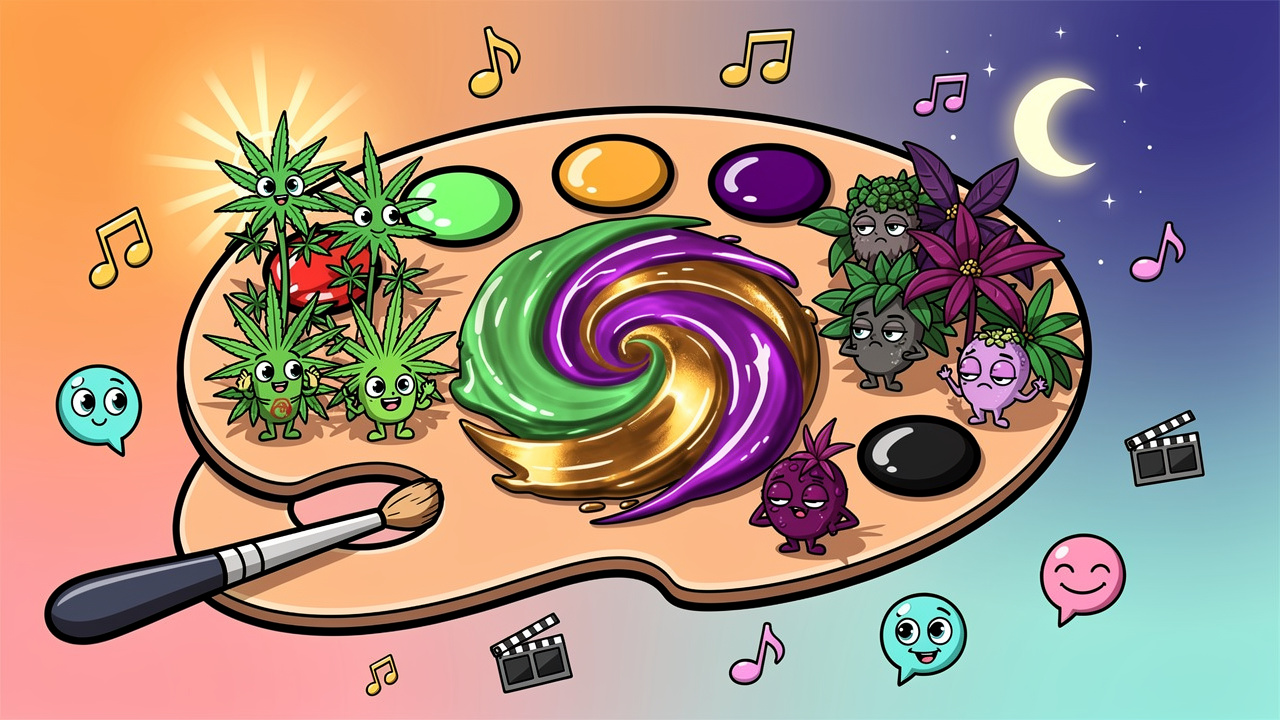
Hybrid strains sit between classic sativa and indica categories, mixing genetics from both sides to give more balanced effects. In reality, most modern products on budbuddies.cc sit somewhere on this hybrid spectrum rather than at a pure extreme.
You will often see:
Sativa‑dominant hybrids – lean toward energy and mood lift but keep some body ease from their indica side.
Indica‑dominant hybrids – lean toward relaxation but keep a little mental clarity and sociability.
Balanced hybrids – aim for a middle ground that suits long, flexible sessions.
At BudBuddies, favourites like Gelato and Blueberry Haze show how hybrids can soften the difference between sativa and indica and create sweet, rounded experiences that match everyday life. Checking the THC percentage and suggested use time on each product page will help you decide whether a hybrid feels closer to a daytime spark or an evening wind‑down.
Does The Sativa/Indica Label Actually Predict Effects?

The simple sativa or indica label gives only a rough idea of effects, because modern strains are heavily mixed and chemistry matters more than plant shape. That means the difference between sativa and indica in name does not always match what your body feels.
Researchers now pay closer attention to cannabinoids such as THC and CBD when they explain why one product feels different from another:
THC is the main molecule linked to euphoria, altered perception, and intoxication.
CBD softens that intensity for many people and can feel calming without a strong high.
A review in Cannabis and Cannabinoid Research notes that THC and CBD ratios vary widely inside both so‑called sativa and so‑called indica groups, which helps explain why labels alone can mislead.
Terpenes add another key layer. These aromatic compounds give strains their citrus, earthy, floral, or pine‑like notes. Common examples include:
Myrcene – often linked with deep relaxation and a heavier body feel
Limonene – often linked with brighter mood and a sense of uplift
Linalool – associated with calm and stress relief
Caryophyllene – thought to help with tension and discomfort
Pinene – linked with alertness and clearer thoughts
An analysis in Frontiers in Pharmacology describes how these terpenes interact with cannabinoids in what many call the entourage effect, where the full mix shapes the result more than any single compound.
Genetic work backs this up, and genotype and chemotype insights of high-THC medicinal Cannabis sativa cultivars further demonstrate how SSR markers reveal that commercial labels are a poor substitute for actual genetic identification. A study published in PLOS ONE examined more than eighty commercial cannabis samples and found weak links between their sativa or indica labels and actual ancestry. In other words, two products both sold as sativa can carry very different terpene profiles and feel nothing alike.
For BudBuddies customers, the useful lesson is clear: reading cannabinoid percentages and terpene notes on a product page will usually tell you more than the plant type tag on its own.
How To Choose The Right Strain At BudBuddies

Choosing the right strain at BudBuddies starts with your goal, your planned time of day, and the format you like to use. When you match those three points, the difference between sativa and indica becomes much easier to use in a smart way.
You can think of it as three simple steps:
Pick your timing and intention.
Morning or daytime sessions usually pair better with sativa or sativa‑dominant hybrids that keep you active and talkative. Evening sessions, film marathons, or sleep‑focused routines usually fit indica or indica‑dominant hybrids that help the body slow down. If you are unsure, a balanced hybrid listed on budbuddies.cc can provide a middle path while you learn how different profiles feel.Choose your format.
The same strain type behaves differently across flower, vapes, edibles, and concentrates, and understanding sativa and indica edible effects is especially important since the format can change the experience as much as the strain itself:Flower gives the classic experience, with flavourful terpenes and effects that arrive within minutes and usually last one to three hours. It suits people who like fine control, because you can stop after a couple of draws and wait to see how you feel. BudBuddies offers AAAA+ flower in clear indica, sativa, and hybrid categories, with each product page showing THC and CBD percentages so you can pick a strength that matches your tolerance.
Vapes are discreet and fast, often kicking in within two to five minutes and lasting two to four hours. Many BudBuddies cartridges use strain‑specific extract, so the terpene profile of a Gelato or Blueberry Haze cart feels close to the matching flower. This format suits anyone who wants quick onset and less smell, and the slim devices pair well with both uplifting sativa choices and sleepier indica picks.
Edibles deliver a slower, longer experience that some people love for evenings and weekends. According to Health Canada, ingested cannabis can take 30 minutes to two hours to start and may last up to twelve hours in some users. BudBuddies edible guides highlight the same rule many experts repeat, start low and go slow, with a first serving of around 2.5 to 5 milligrams of THC and at least a ninety‑minute wait before thinking about more.
“Start low and go slow,” recommends Health Canada in its consumer guidance on cannabis use.
Concentrates such as wax or live resin are powerful and best kept for experienced users who already know how sativa, indica, and hybrid profiles land for them. Effects arrive fast and strong, so BudBuddies listings include clear potency figures and Certificates of Analysis, so there are no surprises.
Read the chemistry and reviews.
Beyond format, BudBuddies helps you use modern chemistry, not just old labels. Product pages on budbuddies.cc show:Cannabinoid breakdowns (THC, CBD, and more)
Dominant terpenes
Flavour notes
Plain‑English effect descriptions
You can filter by strain type, strength, and price, then read verified reviews from other customers who share how a product felt for them. Discreet packaging, tracked orders, and easy support through live chat mean you can explore the menu in private while still feeling guided.
Final Thoughts On Sativa And Indica
Sativa and indica still give a helpful first picture — as explored in detail in breakdowns of indica, sativa and hybrid strain differences — especially when you want a quick way to remember which strains feel lively and which feel sleepy. The real detail, though, comes from looking at THC, CBD, and terpene profiles alongside your own tolerance and plans.
By now, the difference between sativa and indica should feel less mysterious and more like a set of clear levers you can adjust. When you browse BudBuddies, use the strain type tags as a starting point, then dive into the lab data and effect notes. That mix of education and careful curation makes budbuddies.cc a calm, confident place to shape the experience you want next. Listening to your body and starting low means each session can teach you a little more about what works best for you.
Frequently Asked Questions
Question: Is sativa or indica better for beginners?
Answer: Both sativa and indica can work for beginners, as long as the THC level stays low. Many new users start with balanced hybrids or CBD‑rich options because the effects feel gentler. High‑THC sativa products are more likely to trigger racing thoughts in first‑timers, so starting with mild strengths is usually safer.
Question: Can indica make you anxious?
Answer: Indica is usually linked with calm, but it can still cause anxiety at high doses, especially in sensitive users. THC level, personal chemistry, and setting matter more than the label alone. Starting with a small amount and waiting is the safest way to test any new indica product.
Question: What does “indica-dominant hybrid” mean?
Answer: An indica‑dominant hybrid is a strain bred from both indica and sativa where indica traits are stronger. People often find these strains bring clear body relaxation, softer muscles, and a quieter mind. The sativa side can still add a little mental clarity, so you are not fully sedated.
Question: How do terpenes affect the difference between sativa and indica?
Answer: Terpenes explain much of the real difference between sativa and indica experiences. Myrcene, common in many indica strains, is linked with deep relaxation and heaviness. Limonene, often found in sativa profiles, is linked with brighter mood and energy. Checking terpene lists alongside THC and CBD gives the clearest guide.
Question: Does the consumption format change the sativa or indica experience?
Answer: Yes, format changes how any sativa or indica feels. Flower and vapes act quickly and fade in a few hours, which suits short sessions. Edibles can take up to two hours to start and then last for many hours, so the same strain type can feel deeper and longer when eaten compared with when it is inhaled.