THC mouth spray vs gummies: which should you choose?
Introduction
Put THC mouth spray vs gummies side by side and they can look almost identical at first glance. Both fit in a pocket, both avoid smoke, and both come with clear doses written on the pack. But once they are in your body, they behave in very different ways, and that is what shapes your whole experience.
Gummies follow the classic edible route. You chew, swallow, wait, and your digestive system gets to work before anything happens. A mouth spray works more like a fine mist under your tongue, with THC slipping straight into your bloodstream through the lining of your mouth. When you compare THC mouth spray vs gummies, that single change in route alters onset speed, how long you feel it, and how intense it can seem.
This guide walks you through how each option works, how long they take, how they feel, and which one fits different situations. By the end, you will understand THC mouth spray vs gummies in plain English, with clear, practical takeaways. Along the way, you will also see where BudBuddies’ lab‑tested THC gummies and Delta 8 edibles at budbuddies.cc can slot neatly into your own routine, with start low, go slow guidance that keeps things calm and predictable.
How Each One Actually Works Inside Your Body
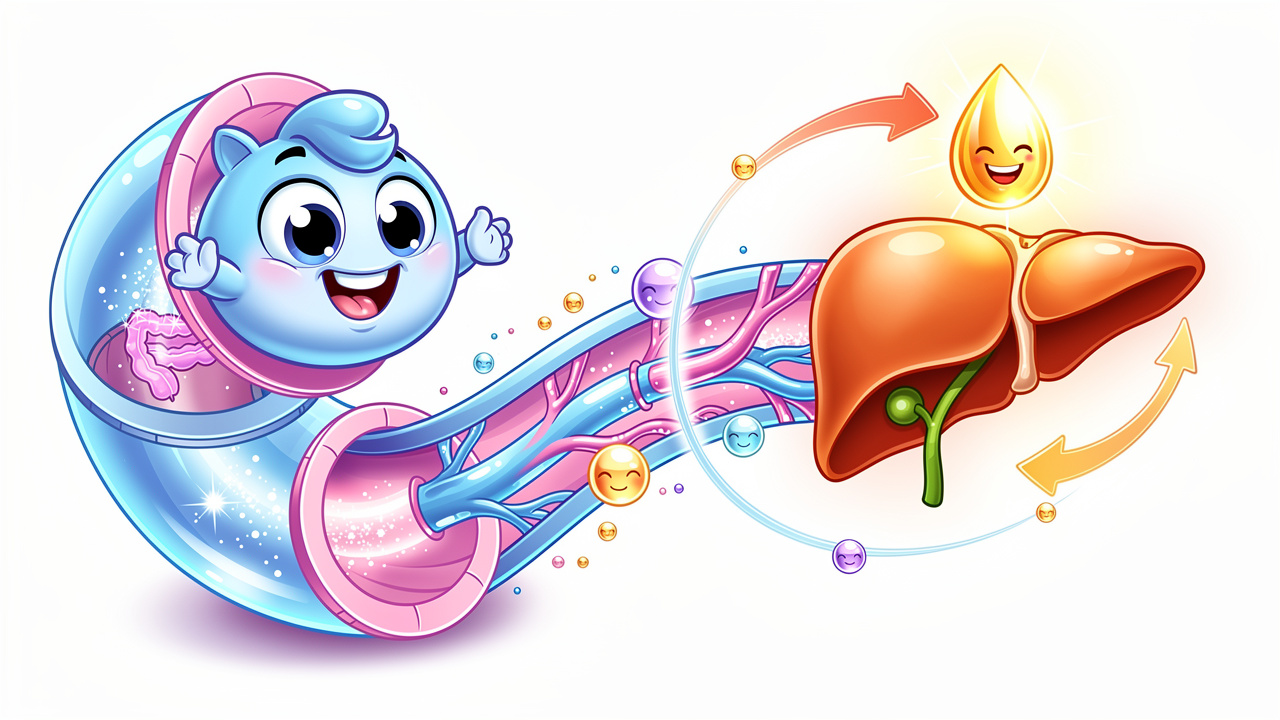
When you eat a THC gummy, the active ingredients take the long route. You chew it, swallow it, and it moves through your stomach into the small intestine. From there, THC is absorbed into your blood and sent to your liver for processing before it reaches your brain.
Inside the liver, something important happens. Classic Delta‑9‑THC is converted into another form called 11‑hydroxy‑THC. This version crosses into your brain more easily and sticks around for longer, which is why edibles often feel deeper, heavier in the body, and longer lasting than other formats. As some people like to say,
Your body basically turns the gummy into something stronger before you even feel it.
The slower digestive route is also very personal. Several things can change how fast and how hard a gummy might hit, including:
Your last meal and how much fat was in it
Your general metabolism
Your own liver enzymes and tolerance
How often you already use THC gummies or other products
Two people can eat the same BudBuddies gummy and feel very different timing and intensity, which matters a lot when you are comparing THC mouth spray vs gummies.
A THC mouth spray flips this route around. Instead of going through the whole digestive system first, the spray hits the thin, absorbent lining under your tongue and along your cheeks. These areas are packed with tiny blood vessels. Hold the mist there for 30–60 seconds and THC slips straight into your bloodstream, bypassing the liver at this early stage.
Because of that, the THC that first reaches your brain is still mostly Delta‑9‑THC, not 11‑hydroxy‑THC. The result is usually a faster mental lift that feels clearer and less body‑heavy than a strong edible. Some of the spray you swallow will still behave like a tiny edible in the background, but the main character is that quick, direct absorption.
This is where bioavailability comes in, which is just a tidy way of saying “how much of what you take actually reaches your blood”. With gummies, estimates often sit around 4–20%, because the liver breaks a lot down on the way. With a mouth spray, estimates are higher, roughly 15–35%, because so much slips in through your mouth lining — a distinction explored in perspectives of cannabis-based medicines research examining different delivery routes.
So when you compare THC mouth spray vs gummies, remember this key point: the absorption route is the single biggest reason they feel so different, even at the same milligram number on the pack. A 5 mg spray can sometimes feel similar to a 10 mg gummy, simply because more of it gets where it needs to go.
Onset, Duration, And The Experience You Can Expect

The science above turns into very real timing differences once you actually take something. When you line up THC mouth spray vs gummies, this is usually the first thing you notice in practice.
Gummies are the slow burners. For most people, the first effects land between 30 minutes and 2 hours after eating, and it can be even slower if you have just had a big meal. Once they do arrive, they tend to stay for 4 to 8 hours, with a soft afterglow even longer. That long, rolling body feeling comes from 11‑hydroxy‑THC moving steadily through your system. It is the main reason many people choose BudBuddies gummies when they want a full evening or night covered.
If you are used to inhaled THC, remember that edibles can feel stronger at the same milligram amount. Your body is processing the dose in a different way, and the effects build in the background while you are still waiting.
The classic mistake with gummies is impatience. At the 45‑minute mark, nothing seems to be happening, so a second gummy goes in. Another 45 minutes later, the first dose kicks in, then the second stacks on top, and the experience can become far stronger than planned. BudBuddies spends a lot of time helping you avoid that with clear pack guidance and an easy edible dosage calculator so you can plan calmly ahead. As a simple rule, wait at least two full hours before you even think about more.
Mouth sprays play a different game. Thanks to that direct absorption in your mouth, you can often feel the first shift within 15 to 45 minutes. The peak is usually cleaner and more head‑focused, a bit like vaping for some people, just without any inhaling. The total duration is shorter too, often 2 to 4 hours, which makes it easier to fit around your evening or daytime plans.
To make THC mouth spray vs gummies easier to picture, it helps to think in simple scenarios:
Need effects that last all evening? Gummies tend to serve you better. You take a measured BudBuddies gummy earlier on, let it come up gently, and then ride a long, steady wave without needing to top up all the time.
Want to feel something within half an hour and stay in control? Mouth spray gives you that quicker response. You can take a small number of sprays, see how it feels in under an hour, and then decide whether to add more or leave it there.
Using THC before bed and hoping it carries you through the night? Gummies are usually the first pick. That slower climb and deep body feel often lines up well with sleep and staying settled.
First time and keen to ease in gently? A mouth spray is often kinder. Small, spaced‑out sprays make it easy to respect start low, go slow without guessing.
Dosing Precision — Which Format Gives You More Control?

Dosing control is where comparing THC mouth spray vs gummies gets very practical. It is not just about numbers on a label; it is about how fine you can dial things in and how easy it is to repeat a sweet spot once you find it.
Gummies give you neat, pre‑set doses. A BudBuddies pack might offer 5 mg, 10 mg or 15 mg of THC per piece, clearly printed so you know exactly what one gummy contains. If you already know that, say, 10 mg is your comfort zone, this is wonderfully simple: you take one, wait, and you are done. The catch is flexibility. If you want 3 mg, you have to start cutting sweets.
Cutting gummies sounds simple, but THC is not always spread with total perfection through the sweet. One half might carry slightly more than the other, a quirk known as hot‑spotting. On top of that, once you have swallowed a full gummy, you are committed to that dose for several hours. This is why BudBuddies focuses so hard on accurate lab testing, clear milligram labelling, and gentle starting doses, especially in our Delta 8 THC gummies that many describe as a smoother, clearer lift with less couch‑lock.
Mouth sprays shine when you care about microdosing. Each pump is built to deliver a small, consistent amount, often around 1–2.5 mg of THC every time. That gives you very fine control. You can take a single spray, wait 30–45 minutes, and listen to how your body responds before adding another. Over a few sessions, you can map out the exact number of sprays that feel right for a work day, a social setting, or winding down at home.
Many people find it useful to jot down simple notes — dose, timing, food, and how it felt — for the first few tries, an approach aligned with how registered ongoing studies track participant responses to cannabis across different dosing formats. Whether you are using BudBuddies gummies or a spray, that small habit makes it much easier to repeat good experiences and avoid repeating uncomfortable ones.
This makes THC mouth spray vs gummies an easy decision if precise control is your top priority. Sprays help you build a clear, repeatable routine, while gummies give you simple, chunkier steps.
Different people tend to lean different ways:
Gummies work well for experienced consumers who already know their range, for anyone who loves a longer, body‑heavy feel, and for those who prefer the ritual of a sweet over a spray.
Mouth sprays are ideal for newcomers, careful microdosers, and anyone who wants to keep tight control over how strong things feel from one hour to the next.
Discretion, Portability, Taste, And Everyday Practicality

When you compare THC mouth spray vs gummies in daily life, small details matter just as much as science. How easy is it to carry, to use in a quiet moment, and to actually enjoy?
Both formats score very highly on discretion. Gummies look exactly like normal sweets, especially when you pick fruit styles from the BudBuddies range. There is no scent that hangs around, no vapour, and no extra gear. A mouth spray is just as subtle. The bottle looks like a standard breath spray, and one quick pump inside your cheek is over in a second.
Portability is a draw as well. A strip of BudBuddies gummies slips into a pocket or bag with no fuss, and a small spray bottle does the same. In settings where you want the shortest possible action, a spray has a tiny edge, simply because you do not even need to chew; you can dose, close the cap, and move on almost instantly.
Taste is where gummies usually win hearts. You get bright fruit flavours, soft textures, and very little cannabis taste. BudBuddies puts a lot of care into this side of things, with clear ingredient lists and options that feel more like a treat than a supplement. Mouth sprays are a bit more functional. Mint, citrus, or spice flavours are common, and while they do freshen your breath, you might still notice a light herbal note from the THC.
Diet and lifestyle can narrow your choice further:
If you are vegan, pectin‑based gummies from BudBuddies give you plant‑based peace of mind, while you still need to glance at spray ingredients to check for anything animal‑derived.
If you are counting sugar, sprays usually come out ahead, as most are sugar‑free. Gummies vary, though BudBuddies clearly labels sugar content so you can pick what fits.
If you watch calories closely, sprays are hard to beat, as each use adds almost nothing to your daily intake compared with sweet‑style edibles.
Whatever you choose, store your THC products securely, out of sight and reach of children and pets. Gummies in particular can look and smell like regular sweets, so treat them like any other adult‑only product.
In short, both fit neatly into a pocket and a busy day, but gummies feel more like a flavour treat, while sprays feel more like a quick, efficient tool.
Conclusion
When you strip it back, the difference between THC mouth spray vs gummies comes down to pace and depth. Gummies take longer to start, last for hours, and often deliver a deeper, body‑centred experience thanks to that 11‑hydroxy‑THC shift in your liver. Mouth sprays act faster, feel cleaner and more head‑focused, and give you tighter control over how far you go.
There is no right or wrong answer here, only what fits your plans. For careful first steps or daytime control, a mouth spray style of dosing makes a lot of sense. For longer evenings, steady nights, or a more immersive feel, THC gummies still have a strong place.
As many experienced consumers like to say, “You can always take more later, but you can never take less.”
If you are ready to explore the edible side, BudBuddies’ lab‑tested THC gummies and Delta 8 options at budbuddies.cc offer clear milligram labels, third‑party reports, discreet delivery, and calm dosing guidance. Pick your format, start low, go slow, and give yourself the time and space to find what feels best.
FAQs
How Long Does A THC Gummy Take To Kick In?
Most THC gummies take between 30 minutes and 2 hours to kick in, and a heavy meal can slow things down even more. That delay is normal, because your body has to digest and process the gummy first. To stay comfortable, wait the full two hours before taking more and use the BudBuddies edible dosage calculator to plan ahead.
Is A THC Mouth Spray Stronger Than A Gummy?
A THC mouth spray is not automatically stronger, but it often feels more efficient. The spray sends Delta‑9‑THC straight into your bloodstream, so more of what you take has an effect. Gummies create 11‑hydroxy‑THC in your liver, which can feel heavier and more intense. When you weigh THC mouth spray vs gummies, think different style rather than simple stronger or weaker.
Which Is Better For Beginners — THC Spray Or Gummies?
For most beginners, a THC mouth spray style of dosing is easier to manage. Small, measured sprays let you microdose, wait, and adjust with far less guesswork. If you prefer edibles, BudBuddies Delta 8 THC gummies are another gentle option that many find clearer and less foggy. In both cases, stick to start low, go slow and follow BudBuddies guidance.
Can You Use Both A THC Spray And Gummies Together?
You can, but it is best left until you fully understand how each one feels on its own. Mixing formats means mixing timing, which makes it harder to predict the combined effect and raises the chance of overdoing it. Most people do better starting with one method, tracking how their body responds, then exploring THC mouth spray vs gummies combinations carefully later if they still want to.