Best Terpenes for Pain Relief: Complete Guide
Introduction
You try two cannabis products with similar THC numbers. One melts the pain away. The other barely touches it. When this keeps happening, it can feel random, but it is not. The missing piece is often the terpene profile, especially when you are chasing the best terpenes for pain relief rather than just chasing strength.
Terpenes are the aromatic compounds that make one strain smell like lemons and another like pine or lavender. They are not just about scent or flavour. These tiny molecules interact with your biology and can nudge pain, inflammation, mood and even sleep in different directions. Get the right mix and the same THC level can feel far more soothing and targeted.
They also work hand in hand with cannabinoids in what many call the entourage effect. Instead of a single star doing all the work, terpenes and cannabinoids behave more like a well-balanced cast, where each part shapes how the whole feels.
As cannabis researcher Dr Ethan Russo has written, “terpenes may contribute meaningfully to the entourage effect.”
By the end of this guide you will know which terpenes are best suited to different kinds of pain, how they work in your body, and how to use BudBuddies products to pick them with confidence rather than guesswork.
What Are Terpenes And Why Do They Matter For Pain?
Terpenes are natural aromatic compounds found in cannabis, pine needles, citrus peels, black pepper, lavender and many other plants. When you crack open a jar of flower and get hit with a wave of citrus, gas or fresh forest, that first impression comes from terpenes. In cannabis, they live in the same sticky trichomes that hold THC and CBD, so they are woven into the heart of the plant, not an afterthought.
Inside your body, terpenes interact with the endocannabinoid system (ECS), the network that helps balance pain, inflammation, mood, appetite and sleep. Some terpenes lean towards calming, others feel more bright and lifting, and several have direct anti-inflammatory and analgesic actions. When you combine them with cannabinoids, the complete effect can feel smoother and more helpful than THC or CBD.
This teamwork is often called the entourage effect. Think of THC as the lead actor. On its own it can still carry a scene. Add the right supporting cast though, and everything becomes richer, more focused and more suited to what you need. Two strains can show the same THC percentage on paper, yet one may be ideal for sore joints while the other is better for stress or focus. The difference is the terpene mix.
In simple terms, terpenes:
Shape how strong or gentle a product feels on your body
Steer effects towards body relaxation, mood lift, calm or clarity
Help decide whether a strain is better for day use or night use
Can support inflammatory, nerve-related or stress-related pain in different ways
At BudBuddies you are not left guessing. Each product page sets out clear cannabinoid and terpene details in plain English. That means you can pick based on the profile that matches your pain pattern and time of day, rather than hoping an indica or sativa label lines up with what your body actually wants.
The Best Terpenes For Pain Relief (And How Each One Works)
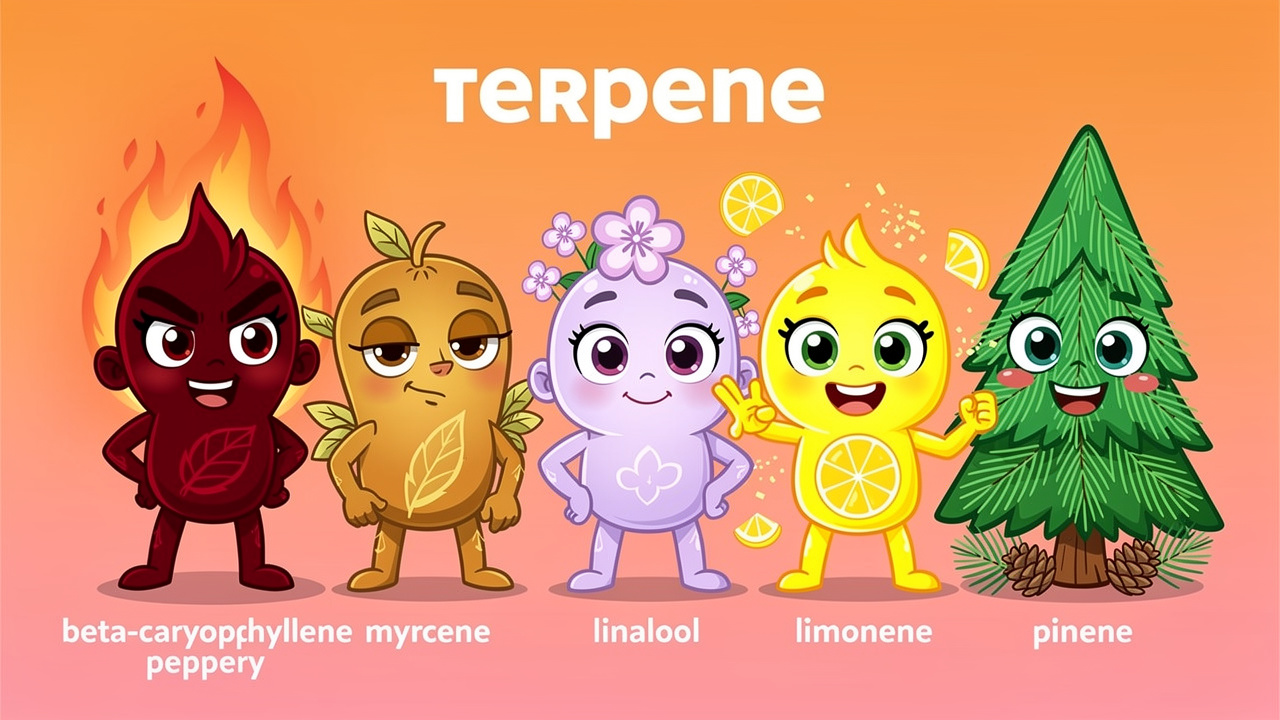
Beta-Caryophyllene
Beta-caryophyllene has a spicy, peppery, woody scent, similar to cracked black pepper, cloves and a hint of cinnamon. You will often notice it in deeper, earthy flowers that give a warming aroma when you open the bag. It stands out because it behaves a lot like a cannabinoid inside your body.
This terpene binds directly to CB2 receptors, which sit through your immune system and peripheral nerves. Those are the areas that decide how much inflammation is happening and how loudly pain signals shout. By calming these receptors, beta-caryophyllene can dial down swelling and reduce discomfort without any extra head high.
It is especially helpful when your pain is clearly linked to inflammation, such as:
Stiff or swollen joints
Muscle soreness after activity
Nerve pain that flares when tissues are irritated
You also find beta-caryophyllene in black pepper, cloves, rosemary and oregano.
Quick beta-caryophyllene snapshot:
Aroma: Spicy, peppery, woody
Found in: Cannabis, black pepper, cloves, rosemary, oregano
May help with: Inflammatory pain, joint issues, post-exercise soreness
Best time of day: Flexible – useful for both day and evening when inflammation is active
When inflammation drives your pain, beta-caryophyllene is the terpene you want to keep high on your list.
Myrcene
Myrcene carries an earthy, musky aroma with a soft fruity twist, a little like damp soil mixed with mango or herbs. It shows up heavily in many indica-leaning strains and is a big reason some flowers feel heavy, soothing and body focused. It is the classic couch-lock terpene, in the best way when pain will not let your body relax.
This terpene has analgesic and muscle-relaxing effects and is thought to help cannabinoids cross the blood–brain barrier more readily. That means THC and CBD can reach their targets a little more effectively, which often deepens the sense of relief and physical ease.
Myrcene suits:
Evening use and wind-down routines
Long-term aches and pains
Patterns where tight muscles keep you from resting properly
If pain wakes you in the night or you find it hard to switch off, choosing BudBuddies indica genetics with strong myrcene presence can be a gentle way to let your body soften while you wind down.
Quick myrcene snapshot:
Aroma: Earthy, musky, herbal with a hint of fruity sweetness
Found in: Cannabis, mango, hops, lemongrass, thyme
May help with: Muscle tension, general body aches, pain-linked insomnia
Best time of day: Evening and night-time
Linalool

Linalool smells like soft lavender with a slight spice in the background. If you have ever relaxed with lavender oil on your pillow, you already know the vibe this terpene brings. In cannabis, it adds that familiar floral calm on top of whatever the cannabinoids are doing.
Inside your nervous system, linalool reduces how excitable certain pain-transmitting cells are. It also boosts adenosine, one of the brain’s calming messengers linked to rest and quiet. The result can be not just less physical pain, but less of the stress, edge and emotional fatigue that go with long-term discomfort.
This makes linalool a strong match when your pain is tied up with:
Anxiety and stress flares
Headaches and migraines
Nerve pain that spikes when you are run down
BudBuddies highlights linalool in products aimed at easing both emotional and physical tension. When a rough day makes everything hurt more than it should, linalool can help on both sides at once.
Quick linalool snapshot:
Aroma: Floral, lavender-like with mild spice
Found in: Cannabis, lavender, coriander, basil
May help with: Stress-linked pain, headaches, nerve discomfort, sleep issues
Best time of day: Late afternoon and evening, or any time you need to de-stress
Limonene

Limonene gives that bright, zesty lemon and orange scent that can cut through a room. It often sits at the top of citrus-heavy flowers and vapes, delivering a quick hit of freshness even before you exhale. On days when pain drags your mood down, this terpene can feel like opening a window.
Research points to limonene lifting activity in serotonin and dopamine pathways, which are closely tied to mood and motivation. At the same time, it has anti-inflammatory and antioxidant actions that can support the body side of pain reduction. The overall feel is lighter and more upbeat rather than sedated.
Limonene fits best when you need:
Daytime pain relief without heavy drowsiness
Help with low mood linked to long-term pain
Support to stay social, productive or creative while still taking the edge off
BudBuddies sativa-leaning and balanced hybrids often feature strong limonene content, giving you the option of pain support that still lets you stay present, social or productive. Many people find that when their mood lifts, their pain feels more manageable, and limonene is central to that shift.
Quick limonene snapshot:
Aroma: Citrus, lemon, orange, fresh
Found in: Cannabis, lemon and orange peels, juniper
May help with: Low mood linked to pain, daytime discomfort, stress
Best time of day: Morning and daytime
Pinene
Pinene smells like walking through a dense pine forest after rain. It is sharp, clean and fresh, and can cut through heavier base notes in a strain. There are two main forms (alpha-pinene and beta-pinene), yet both share similar scent and supportive effects when it comes to pain and clarity.
This terpene has strong anti-inflammatory properties and also acts as a bronchodilator, which means it can help open your airways. Another interesting angle is its link with alertness and memory. Many people notice that pinene-heavy strains feel clearer and more focused, even if the THC content is on the higher side.
If you manage pain during the day and cannot afford to feel foggy, pinene is your friend. It pairs well with beta-caryophyllene for joint and muscle issues, adding clear-headed support on top of relief. You also come across pinene in rosemary and fresh herbs.
Quick pinene snapshot:
Aroma: Pine, fresh forest, herbal
Found in: Cannabis, pine needles, rosemary, basil, parsley
May help with: Inflammatory pain, joint and muscle issues, mental fog from THC
Best time of day: Daytime, especially when you need to stay focused
When you want your body to feel better and your head to stay sharp, this terpene is worth paying attention to on BudBuddies product pages.
How To Match Terpenes To Your Type Of Pain

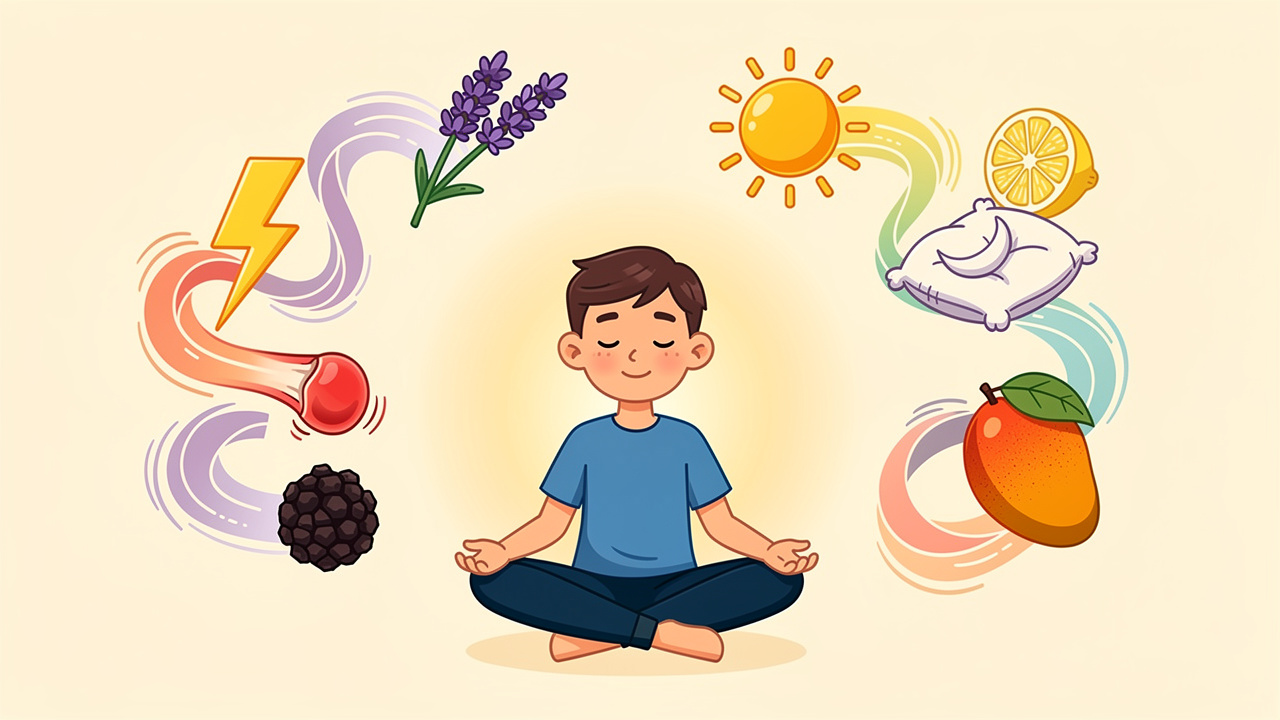
Pain is a single word, but it covers many different experiences. A deep, aching joint has little in common with a sharp nerve flare or a stress headache, so it makes sense that different terpene blends work better for different patterns. Matching what you feel to the best terpenes for pain relief gives you a clearer starting point.
Here is a simple guide:
Inflammatory pain – sore joints, muscle strain, arthritis
You will usually do best with beta-caryophyllene, myrcene and pinene in the mix.Beta-caryophyllene and pinene help calm the inflammation itself
Myrcene helps tight muscles let go so the area can rest more easily
Neuropathic or nerve pain – burning, shooting or electric sensations
Strong options are linalool and beta-caryophyllene, with limonene supporting mood.Linalool helps settle overactive nerves
Beta-caryophyllene works along pain pathways
Limonene can ease the emotional weight that nerve pain often brings
Pain that gets worse with stress or anxiety
Look towards linalool and limonene.Linalool provides a calming, tension-breaking element
Limonene brings a lifting, clear feeling that can stop stress from spiralling into a full-body flare
Pain that ruins sleep
Myrcene and linalool tend to be most helpful.Myrcene helps the body feel heavier and more relaxed
Linalool softens racing thoughts and background worry, giving pain less space to dominate your attention at night
Daytime pain where you need a clear head
Limonene and pinene are a good pair.Limonene brightens mood and softens the way you perceive pain
Pinene helps you stay sharp and present, which matters if you still need to work, parent or drive
You will often get the best effect from combinations rather than chasing a single terpene. BudBuddies makes this practical by offering terpene-rich flowers, fast-acting THC vapes, long-lasting edibles and targeted topicals such as nano CBD gel and THC pain balm.
Flowers and vapes give quick relief and full flavour
Edibles provide steadier four to eight hour support
Creams and gels sit directly on sore joints or muscles for local comfort
Each product page sets out terpene and cannabinoid profiles so you can line up your choice with the kind of pain you are dealing with, rather than relying on a strain name alone.
A common phrase in cannabis clinics is, “start low, go slow, and keep notes.”
Keeping a simple diary of what you used, when you used it and how it felt can make spotting your best terpene matches much easier over time.
Conclusion
Terpenes are not just background scent. They sit at the centre of how cannabis works for pain relief, shaping whether a product feels calming, energising, soothing or sharp. When you understand which terpenes match inflammation, nerve pain, stress-related aches or sleep problems, it becomes far easier to choose something that actually helps.
The real power comes when terpenes and cannabinoids work together in a full-spectrum product, giving you a rounded effect instead of a narrow hit. Beta-caryophyllene, myrcene, linalool, limonene and pinene all bring their own style of support, and the right blend can make the difference between mild easing and deep relief.
If you want to put this into practice, head to budbuddies.cc and explore the curated range of flowers, vapes, edibles and topicals. You get clear terpene and cannabinoid breakdowns, discreet tracked delivery across the UK and a calm, modern shopping experience. You now have the knowledge to read those profiles with confidence and pick the products that match how your pain really feels. If you have a medical condition or take other medicines, it is wise to speak with a healthcare professional before making big changes.
FAQs
What Is The Strongest Terpene For Pain Relief?
You will often see beta-caryophyllene named as the most direct pain-focused terpene. That is because it binds to CB2 receptors in your immune system and peripheral nerves, where it can reduce inflammation and dampen pain signals without adding extra psychoactive effects. It is a solid place to start if your pain clearly feels inflamed or swollen.
Can Terpenes Alone Relieve Pain Without THC Or CBD?
Terpenes have real effects on their own, from easing inflammation to calming the nervous system. That said, they usually work far better when they sit alongside cannabinoids. The full mix in a well-made product will nearly always feel more effective for pain than isolated terpenes alone. Many people use terpene-rich hemp or low-THC products during the day, then add THC in the evening for deeper support.
How Do I Know Which Terpenes Are In A Cannabis Product?
You need products that come with proper lab information and clear descriptions. BudBuddies lists full cannabinoid and terpene details on every product page, written in plain English. That way you always know which terpenes you are getting before you add anything to your basket, and you can start to match those profiles with what has helped you most in the past.
Which Terpene Is Best For Sleep And Pain Combined?
Myrcene is usually the first terpene to look for when pain and poor sleep go hand in hand. Its muscle-relaxing and sedating nature helps your body drift into deeper rest. Linalool runs a close second, bringing a calm, lavender-like ease that quiets both nerves and mind. Many people find that a product containing both myrcene and linalool is a comfortable fit for night-time use when pain keeps them awake.