


CBD vs THC: Which Is Better for You?
Key Takeaways
This comprehensive guide breaks down the difference between CBD and THC, exploring their distinct effects, benefits, and optimal dosing strategies. When considering CBD vs THC, you’ll discover how these cannabinoids interact with your body differently and learn to choose products that match your specific needs. BudBuddies remains your trusted source for premium cannabis products, offering carefully curated selections that help you navigate this complex landscape with confidence.
What Are CBD and THC, and How Do They Differ?
Cannabis contains over 100 cannabinoids, but CBD and THC dominate the conversation for good reason. These compounds share remarkable similarities yet produce vastly different experiences. Their subtle molecular differences create profound variations in how they affect your mind and body.
Both cannabinoids come from the same cannabis plant family, but their legal status and effects couldn’t be more different. THC remains the primary psychoactive compound responsible for the “high” associated with cannabis, while CBD offers therapeutic benefits without altering your mental state.
Chemical Structure: Similarities and Key Differences
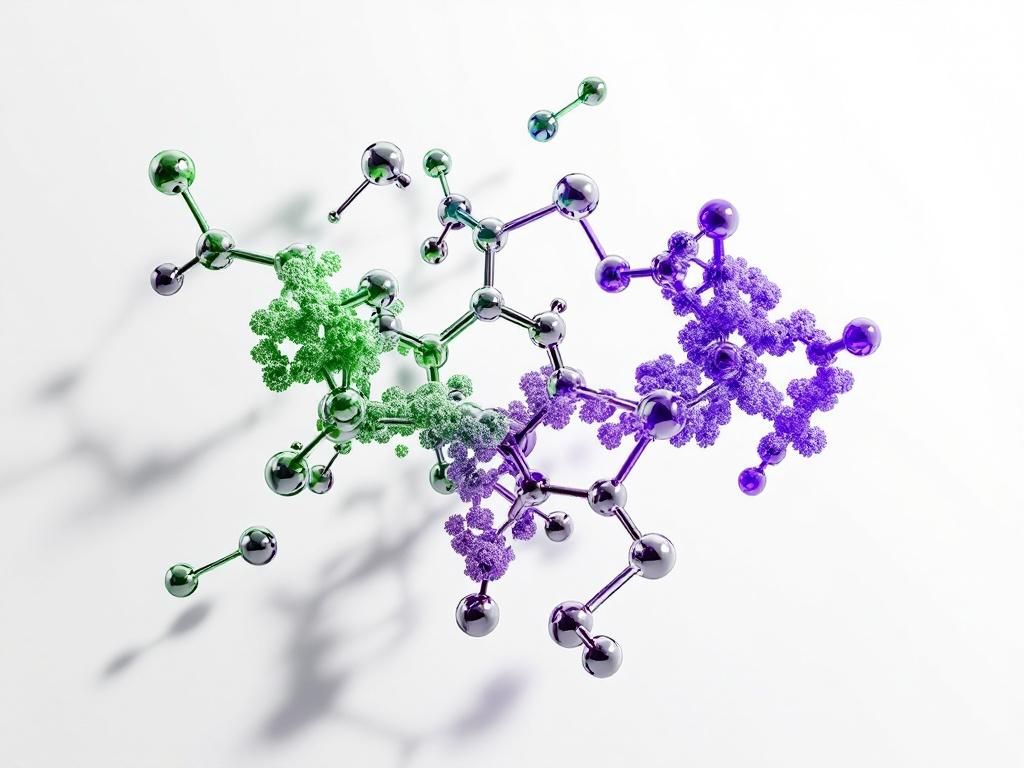
CBD and THC share an identical molecular formula of C21H30O2, containing 21 carbon atoms, 30 hydrogen atoms, and 2 oxygen atoms. However, the arrangement of these atoms creates entirely different properties. THC features a cyclic ring structure, while CBD contains a hydroxyl group in its place.
This seemingly minor difference dramatically affects how each compound binds to receptors in your brain and body. THC’s structure allows it to fit perfectly into CB1 receptors like a key in a lock, while CBD’s structure prevents this direct binding. Instead, CBD influences these receptors indirectly, creating a more subtle but equally important effect.
The structural difference also affects stability and bioavailability. THC degrades more quickly when exposed to light and heat, while CBD remains more stable under similar conditions. This stability difference impacts product shelf life and storage requirements.
Interaction with the Endocannabinoid System (ECS)

Your endocannabinoid system regulates mood, sleep, appetite, pain sensation, and immune response through a network of receptors throughout your body. CB1 receptors concentrate primarily in your brain and nervous system, while CB2 receptors populate your immune system and peripheral tissues.
THC binds directly to CB1 receptors with high affinity, triggering the cascade of effects associated with cannabis intoxication. This direct binding explains why THC produces such noticeable changes in perception, memory, and coordination. The strength of this binding also determines the intensity and duration of effects.
CBD takes a more nuanced approach, acting as an indirect modulator rather than a direct activator. It influences CB1 receptors by preventing their breakdown and enhancing their natural function. CBD also interacts with serotonin receptors, vanilloid receptors, and other systems beyond the endocannabinoid network, creating its wide-ranging therapeutic effects.
“The endocannabinoid system represents one of the most important physiologic systems involved in establishing and maintaining human health.” – Dr. Bradley E. Alger, University of Maryland School of Medicine
Understanding the Effects: Psychoactive vs Non-Psychoactive

The distinction between psychoactive and non-psychoactive effects shapes how you experience each cannabinoid. Understanding these differences helps you choose products that align with your desired outcomes and daily responsibilities.
| Aspect | THC | CBD |
|---|---|---|
| Psychoactive | Yes | No |
| Onset Time (Smoking) | 2-10 minutes | 15-30 minutes |
| Duration | 1-3 hours | 4-6 hours |
| Impairment | Yes | No |
| Best Used For | Pain, appetite, sleep | Anxiety, inflammation, daily use |
What to Expect from THC Effects
THC produces a range of psychoactive effects that vary based on dosage, consumption method, and individual tolerance. Most users experience euphoria, altered time perception, and enhanced sensory awareness within minutes of consumption. These effects typically peak within 30 minutes to 2 hours, depending on your chosen consumption method.
Common THC effects include:
- Euphoria and altered time perception
- Enhanced sensory awareness
- Red eyes and dry mouth
- Increased appetite
- Enhanced creativity and social connection
- Temporary coordination and memory impairment
The intensity of THC effects follows a dose-response relationship. Low doses (5-15mg) might produce mild relaxation and mood enhancement, while higher doses (20mg+) can cause significant intoxication. Some users experience anxiety or paranoia at higher doses, particularly those with low tolerance or predisposition to anxiety disorders.
What to Expect from CBD Effects
CBD offers a markedly different experience characterised by subtle but meaningful changes in how you feel. Most users report a sense of calm and relaxation without the mental fog associated with THC. This clarity makes CBD suitable for daytime use and situations requiring focus and attention.
Common CBD effects include:
- Sense of calm and relaxation
- Reduced anxiety and improved mood stability
- Decreased inflammation
- No cognitive or motor skill impairment
- Sustained relief without peaks and valleys
The onset of CBD effects varies by consumption method. Sublingual oils and tinctures typically produce effects within 15-30 minutes, while edibles may take 1-2 hours. Effects generally last 4-6 hours, providing sustained relief without the peaks and valleys associated with THC consumption.
Potential Benefits and Applications: THC vs CBD
Both cannabinoids offer therapeutic potential, but their applications differ significantly based on their mechanisms of action and effect profiles. Understanding these differences helps you choose the right cannabinoid for your specific health goals.
“CBD has a very good safety profile. If it does turn out to be particularly effective for one or more conditions, it could make a real difference to people’s lives.” – Dr. Yasmin Hurd, Icahn School of Medicine at Mount Sinai
Potential Benefits of THC
THC excels in situations requiring strong symptom relief, particularly for pain management and appetite stimulation. Research suggests THC may be particularly effective for chronic pain conditions, muscle spasticity, and chemotherapy-induced nausea. Its ability to directly activate CB1 receptors makes it powerful for acute symptom management.
THC vs CBD benefits show THC’s particular strengths in:
- Chronic pain management
- Muscle spasticity relief
- Chemotherapy-induced nausea
- Insomnia treatment
- PTSD symptom management
- Appetite stimulation
THC’s appetite-stimulating properties make it valuable for individuals experiencing weight loss due to medical conditions or treatments. This effect, commonly called “the munchies”, can be therapeutic for those struggling to maintain adequate nutrition.
Can THC help with your specific condition?
The answer depends on your symptoms and personal response to psychoactive substances.
Potential Benefits of CBD
CBD shines in applications requiring long-term, sustained relief without psychoactive effects. Research indicates CBD may be particularly effective for anxiety disorders, epilepsy, and inflammatory conditions. Its multi-target approach affects various systems simultaneously, creating comprehensive therapeutic effects.
CBD’s key therapeutic applications include:
- Anxiety and stress management
- Epilepsy treatment
- Anti-inflammatory effects
- Sleep cycle regulation
- Athletic recovery
- Skin condition relief
CBD’s anti-inflammatory properties make it popular among athletes and individuals with chronic inflammatory conditions. Topical CBD products can provide localised relief for joint pain, muscle soreness, and skin conditions without systemic effects.
Dosing Guidelines: Finding Your Optimal Amount
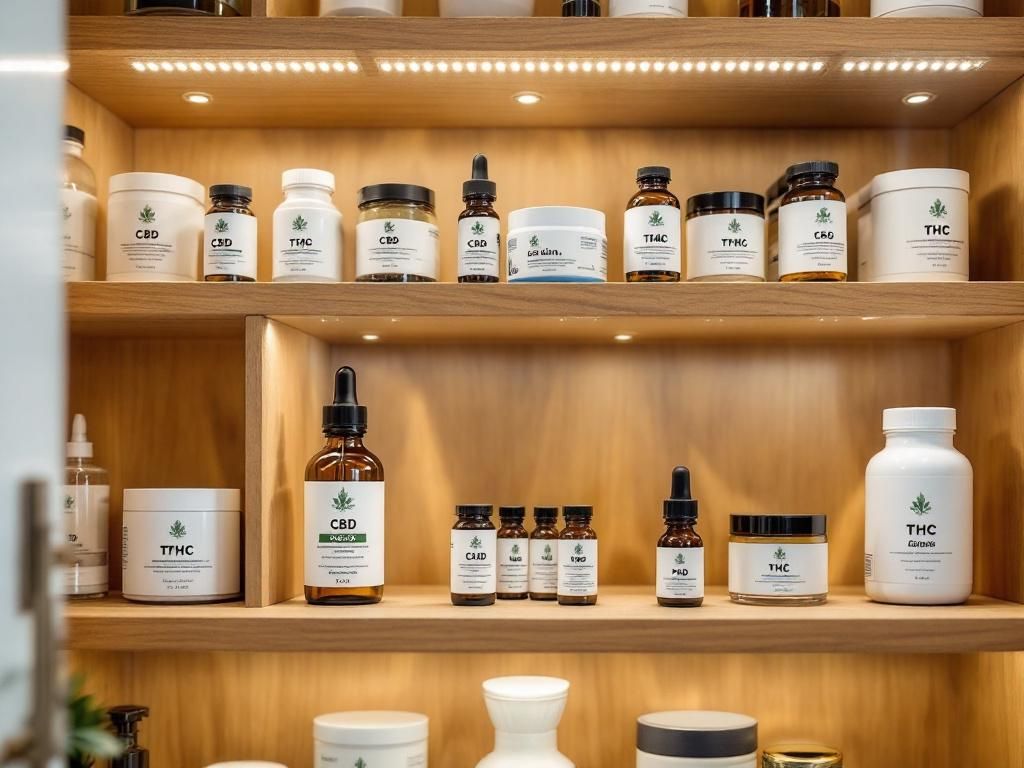
Proper dosing remains one of the most challenging aspects of cannabis use, as individual responses vary dramatically. Starting low and gradually increasing allows you to find your optimal dose while minimising unwanted effects.
“The most common mistake people make with cannabis is taking too much too soon. Start low and go slow – this isn’t just a catchy phrase, it’s medical advice.” – Dr. Peter Grinspoon, Harvard Medical School
| User Level | THC Starting Dose | CBD Starting Dose |
|---|---|---|
| Beginner | 15~mg | 10-15mg |
| Intermediate | 25-80mg | 20-30mg |
| Experienced | 80mg+ | 40-50mg+ |
THC Dosing Recommendations
For THC products, the golden rule is “start low, go slow”. New users should begin with 15~mg or less, waiting at least 2 hours before considering additional doses. This conservative approach prevents overconsumption and reduces the risk of adverse effects.
Follow these THC dosage steps:
- Start with 15~mg or less for new users
- Wait at least 2 hours before additional doses
- Gradually increase by 2.5-5mg increments
- Monitor effects and adjust accordingly
- Consider consumption method timing differences
BudBuddies offers precisely dosed edibles and concentrates that make accurate dosing simple and reliable. Our products undergo rigorous testing to ensure consistent potency, helping you achieve predictable results with every use.
Different consumption methods require different dosing approaches. Smoking or vaping allows for immediate dose titration, while edibles require patience and careful planning due to delayed onset.
CBD Dosing Guidelines
CBD dosing follows similar principles but with a wider safety margin. Most users find benefits with doses ranging from 10-50mg daily, divided into 2-3 doses throughout the day. Starting with 10-15mg twice daily allows you to assess your response before increasing.
Unlike THC, CBD doesn’t produce intoxication, making it easier to find your optimal CBD dosage through gradual increases. Many users successfully use doses up to 100mg daily without significant side effects. However, higher doses don’t always mean better results, as CBD can have a bell-curve response where moderate doses work better than high doses.
Consistency matters more than dosage amount for CBD. Taking the same dose at the same times daily helps maintain steady blood levels and optimal therapeutic effects. This consistency is particularly important for managing chronic conditions like anxiety or inflammation.
Side Effects and Safety Considerations
Both cannabinoids are generally well-tolerated, but understanding potential side effects helps you use them safely and effectively. Most adverse effects are mild and resolve quickly, but awareness prevents unnecessary discomfort.
Adverse Effects Associated with THC
THC’s psychoactive nature means side effects can significantly impact daily functioning. Common short-term effects include impaired coordination, short-term memory problems, and altered judgment. These effects make driving or operating machinery dangerous for several hours after consumption.
Some users experience anxiety, paranoia, or panic attacks, particularly with high doses or in stressful environments. These psychological effects are temporary but can be distressing for unprepared users. Having a trusted friend present and creating a comfortable environment can help minimise these risks.
Physical side effects often include dry mouth, red eyes, and increased heart rate. These effects are generally harmless but can be uncomfortable. Staying hydrated and using eye drops can help manage these symptoms.
Long-term heavy use may affect motivation, memory, and cognitive function. However, these effects appear to be largely reversible with reduced use or abstinence.
Adverse Effects Associated with CBD
CBD’s excellent safety profile makes it suitable for most users, but some individuals may experience mild side effects. The most common reported effects include fatigue, diarrhea, and changes in appetite or weight. These effects are typically dose-dependent and resolve with dosage adjustment.
CBD can interact with certain medications by affecting liver enzymes responsible for drug metabolism. This interaction is particularly important for blood thinners, seizure medications, and heart medications. Consulting with a healthcare provider before combining CBD with prescription medications is essential.
Some users report dry mouth or dizziness, particularly when starting CBD or increasing doses. These effects are generally mild and temporary, resolving as your body adjusts to the compound.
The World Health Organization recognises CBD as generally safe with good tolerability, even at high doses. However, individual responses vary, and starting with low doses remains the safest approach.
Picking the Best Product for You: CBD vs THC Products
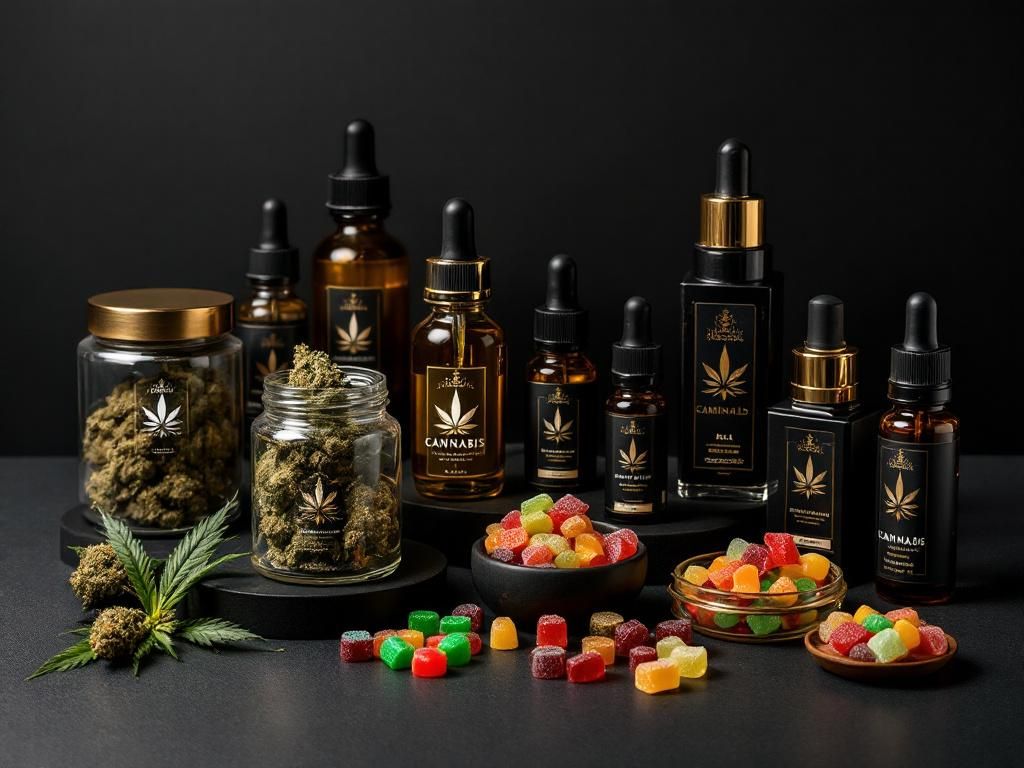
Choosing between CBD and THC products depends on your goals, tolerance, and lifestyle requirements. Understanding available product types and their characteristics helps you make informed decisions.
Navigating Product Types and Consumption Methods
Cannabis products come in various forms, each offering distinct advantages and onset times. Flower products provide the most traditional experience with immediate effects and easy dose control. Vaping offers similar benefits with reduced respiratory irritation and more discreet consumption.
Edibles provide long-lasting effects but require patience due to delayed onset. They’re perfect for users seeking sustained relief without frequent redosing. However, accurate dosing requires patience and careful attention to product labeling.
Tinctures and oils offer versatility, allowing both sublingual absorption for faster onset and mixing with food or drinks. They provide excellent dose control and are ideal for users who prefer precise, measured consumption.
Topical products work locally without systemic effects, making them perfect for targeted relief. They won’t show up on drug tests and don’t cause psychoactive effects, even with THC-containing formulations.
Why Quality Matters: Choosing a Reputable Source
Product quality directly impacts your experience and safety with cannabis products. Reputable sources like BudBuddies prioritise rigorous testing, consistent potency, and transparent labeling. Third-party lab testing ensures products are free from pesticides, heavy metals, and harmful contaminants.
Consistent potency allows you to predict effects and maintain reliable dosing. Poorly made products may contain widely varying cannabinoid levels, making consistent effects impossible to achieve. Quality products also maintain their potency longer, providing better value over time.
BudBuddies stands out by offering carefully curated selections that meet stringent quality standards. Our discrete packaging and reliable UK-wide delivery ensure you receive premium products safely and privately. We understand that quality matters when exploring the differences between CBD and THC, and our commitment to excellence helps you find products that match your specific needs.
Proper storage and handling preserve product quality and potency. Reputable sources provide clear storage instructions and expiration dates, helping you maintain product effectiveness throughout its shelf life.
Conclusion
The choice between CBD and THC ultimately depends on your personal needs, lifestyle, and desired outcomes. THC offers powerful effects for pain relief, appetite stimulation, and recreational enjoyment, while CBD provides therapeutic benefits without psychoactive effects. Both cannabinoids have their place in modern cannabis use, and many users find benefit in combining them through products that harness the entourage effect.
BudBuddies remains committed to providing premium cannabis products that help you explore these options safely and effectively. Our carefully selected inventory, discrete delivery, and commitment to quality ensure you have access to the best products available in the UK market. Whether you’re seeking the therapeutic benefits of CBD or the comprehensive effects of THC, making informed choices based on reliable information and quality products will enhance your cannabis experience.
FAQs
Can CBD show up on a drug test?
Pure CBD products should not trigger positive drug test results, as most tests screen specifically for THC metabolites. However, full-spectrum CBD products contain trace amounts of THC (up to 0.3%), which could potentially accumulate in your system with heavy use. If drug testing is a concern, choose CBD isolate products that contain no THC, or broad-spectrum products that have had THC removed while preserving other beneficial compounds.
Is one better than the other?
Neither CBD nor THC is inherently better, as they serve different purposes and suit different needs. THC excels for acute symptom relief, pain management, and recreational use, while CBD offers therapeutic benefits without impairment. Your choice should depend on your specific goals, tolerance for psychoactive effects, and lifestyle requirements. Many users find that combining both cannabinoids provides optimal benefits through the entourage effect.
What is the entourage effect?
The entourage effect describes how cannabinoids, terpenes, and other cannabis compounds work together synergistically to enhance therapeutic benefits. Research suggests that whole-plant extracts containing multiple cannabinoids may be more effective than isolated compounds alone. This phenomenon explains why many users prefer full-spectrum products that contain both CBD and THC in balanced ratios, as the combination often provides more comprehensive relief than either compound used individually.


