


Does THC Get You High? Science, Effects & Dosing Guide
THC stands as the main compound in cannabis that creates the well-known high sensation. Yes, Does THC Get You High? THC absolutely gets you high by working with your body’s natural systems to produce those euphoric feelings that cannabis users experience. However, you might wonder, does THC cream get you high? This happens when THC connects with special receptors in your brain, setting off a series of chemical reactions that change how you feel and perceive the world around you.
This article breaks down the science behind how THC works, explains the timeline of its effects, and shares practical advice for smooth dosing. You’ll learn exactly what happens in your brain when you consume THC and why different methods of consumption create such different experiences.
BudBuddies brings you premium cannabis products that deliver consistent, reliable experiences. Our carefully selected range includes flowers, edibles, and THC vapes, all produced with quality control methods that make your cannabis experience both predictable and enjoyable. We understand that whether you’re exploring cannabis for the first time or you’re an experienced user, having access to trustworthy products makes all the difference.
Reading this guide will give you clear insight into what THC actually does to your brain and body. You’ll understand why the psychoactive effects vary so much between smoking and eating cannabis, and you’ll pick up valuable tips for finding your ideal dose. Armed with this knowledge, you can make smarter choices about your cannabis consumption and enjoy the smooth, controlled experience that comes with BudBuddies’ trusted products.
What Is THC And How Does It Actually Get You High?
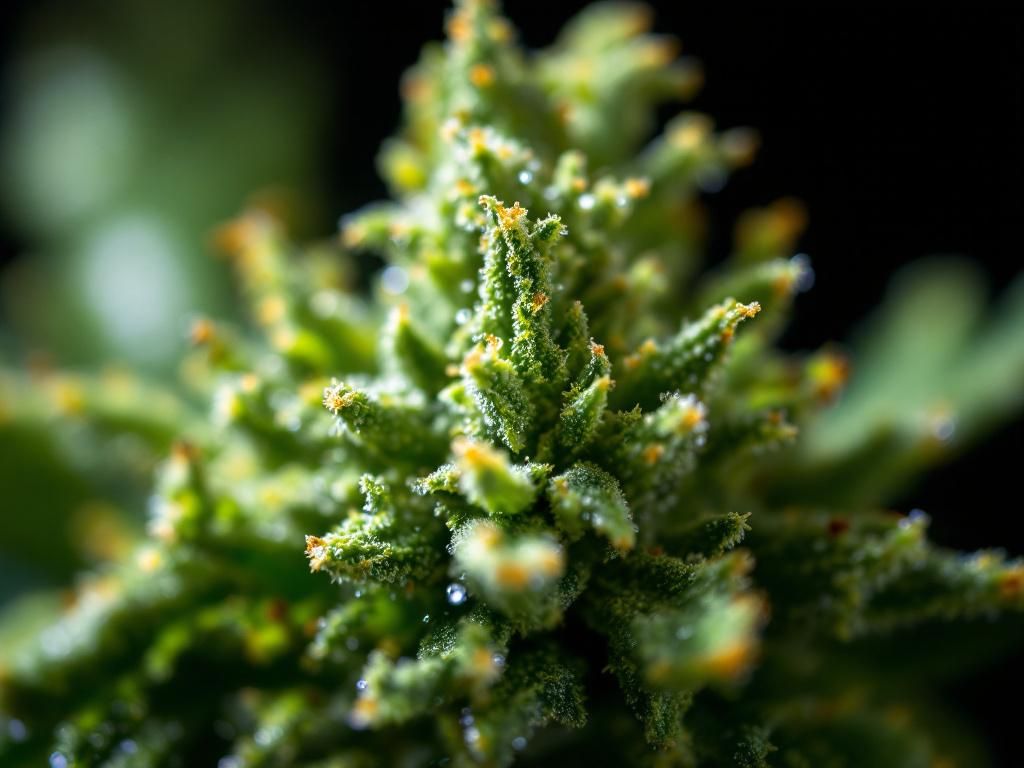
Tetrahydrocannabinol, commonly called THC, serves as the primary psychoactive cannabinoid in cannabis plants. This compound creates the characteristic high that cannabis users seek, making it the star player in the cannabis experience. THC forms naturally in the tiny, crystal-like structures called trichomes that cover cannabis flowers, and it becomes active when heat transforms it from its raw form through a process called decarboxylation.
Your body contains a complex network called the endocannabinoid system that THC interacts with directly. This system includes special receptors throughout your body and brain that normally respond to chemicals your body produces naturally. When THC enters your bloodstream, it travels straight to your brain where it binds primarily to CB1 receptors located in key areas like the hippocampus, amygdala, and prefrontal cortex.
• Hippocampus (affects memory processing)
• Amygdala (influences emotional responses)
• Prefrontal cortex (impacts decision-making and perception)
What happens next explains exactly how THC works to create the high. When THC attaches to these CB1 receptors, it triggers the release of neurotransmitters, particularly dopamine, which floods your brain’s reward pathways. This dopamine surge creates the euphoric feelings, altered perception, and relaxed state that define the cannabis high. The binding also affects how your brain processes information, which explains why people experience changes in time perception, enhanced senses, and altered thinking patterns.
“THC mimics our body’s own endocannabinoids, but it’s much more potent and long-lasting than what our bodies naturally produce.” – Dr. Raphael Mechoulam
How does this compare to CBD, cannabis’s other famous compound?
CBD works completely differently and doesn’t produce psychoactive effects. While THC binds directly to CB1 receptors and creates a high, CBD actually modulates these receptors and can even reduce some of THC’s more intense effects. This is why many cannabis products combine both compounds – the CBD helps balance out the THC high and creates a smoother experience overall.
The production of THC begins in those microscopic trichomes that give cannabis its sticky, resinous appearance. These structures secrete THC in an inactive form called THCA, which doesn’t produce psychoactive effects on its own. Only when exposed to heat – whether through smoking, vaping, or cooking – does THCA convert into active THC that can bind to your brain’s receptors and create the high.
This scientific process shows that the cannabis high isn’t just a random feeling but a precise biochemical interaction. THC essentially hijacks your brain’s natural reward system, flooding it with feel-good chemicals that create the euphoric experience. The specific areas where CB1 receptors are concentrated also explain why THC affects memory, emotion, and motor control – these brain regions handle exactly those functions.
Understanding this mechanism helps explain why different consumption methods produce such varied effects. The speed at which THC reaches your brain and the concentration that arrives there determines the intensity and character of your high. This scientific foundation sets the stage for understanding how various factors influence your THC experience and why proper dosing matters so much.
Experiencing The THC High: Effects, Onset, And Duration
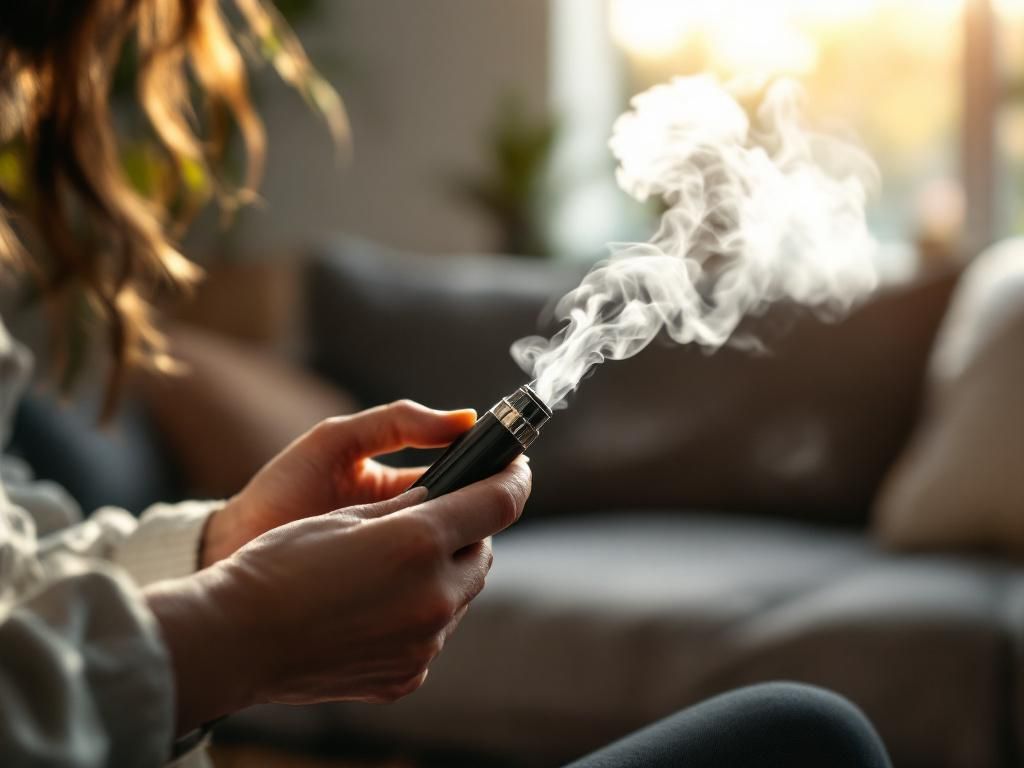
The THC high creates a distinctive altered state that most users describe as deeply pleasurable and relaxing. You’ll typically experience waves of euphoria that wash over you, accompanied by a sense of calm and well-being that can make everyday activities feel more enjoyable and engaging. Many people report that colours appear more vivid, music sounds richer, and food tastes more intense – these sensory enhancements occur because THC affects the brain regions responsible for processing sensory information.
Time perception changes dramatically during a THC high, with minutes feeling like hours and conversations seeming to flow in slow motion. This effect stems from THC’s impact on the hippocampus, the brain region that helps process temporal information. The famous munchies also kick in as THC stimulates appetite-regulating centres in your brain, making food not just taste better but feel more satisfying and necessary.
Not everyone experiences pure bliss, though. Some people encounter less pleasant effects:
• Waves of euphoria and relaxation
• Enhanced sensory perception (colours, sounds, taste)
• Altered time perception
• Increased appetite (munchies)
• Potential anxiety or paranoia (in some users)
• Physical effects: dry mouth, red eyes, dizziness
When you smoke or vape cannabis, THC enters your bloodstream through your lungs almost instantly. You’ll feel the first effects within minutes, with the high reaching its peak around 30 minutes after consumption and generally lasting between one and three hours. This rapid onset happens because THC bypasses your digestive system and liver, travelling directly from your lungs to your brain through your bloodstream.
Edibles and tinctures tell a completely different story. When you consume THC orally, it must pass through your digestive system and liver before reaching your brain. This process takes much longer – anywhere from 30 minutes to two hours before you feel anything. However, the effects can be much more intense and longer-lasting, sometimes persisting for six to eight hours or even longer.
Smoking/Vaping:
• Onset: Within minutes
• Peak: Around 30 minutes
• Duration: 1-3 hours
Edibles/Tinctures:
• Onset: 30 minutes to 2 hours
• Peak: 2-4 hours after consumption
• Duration: 6-8+ hours
|
Method |
Onset Time |
Peak Time |
Duration |
Intensity Control |
|---|---|---|---|---|
|
Smoking |
2-5 minutes |
30 minutes |
1-3 hours |
High |
|
Vaping |
2-10 minutes |
30 minutes |
1-3 hours |
High |
|
Edibles |
30min-2hrs |
2-4 hours |
6-8+ hours |
Low |
|
Tinctures |
15-45 minutes |
1-2 hours |
4-6 hours |
Medium |
Why do edibles pack such a punch and last so long?
Your liver converts THC into a compound called 11-hydroxy-THC, which is actually more potent than regular THC and crosses the blood-brain barrier more effectively. This metabolic transformation explains why edible highs often feel different from smoking highs – they’re literally caused by a different compound affecting your brain.
Your individual biology plays a huge role in shaping your THC experience. Factors like your metabolism speed, body composition, genetics, and current tolerance level all influence how quickly you feel effects and how long they last. Someone with a fast metabolism might process THC quickly and experience shorter highs, while someone with more body fat might find that THC effects linger longer since THC is fat-soluble and can be stored in fatty tissues.
Your mental state and environment when consuming THC also dramatically affect your experience. Consuming cannabis when you’re already anxious or in an uncomfortable setting can amplify negative effects, while relaxing in a familiar space with trusted friends typically enhances the positive aspects of the high. This connection between mindset and THC effects shows how your brain’s current state influences how it responds to the compound.
Cannabis strains and products with different cannabinoid profiles create varied experiences too. Some strains contain terpenes and other compounds that work alongside THC to modify its effects, a phenomenon known as the entourage effect. This explains why different cannabis products from BudBuddies might produce subtly different highs even when they contain similar THC levels.
Factors That Influence Your THC Experience & Smooth Dosing Tips
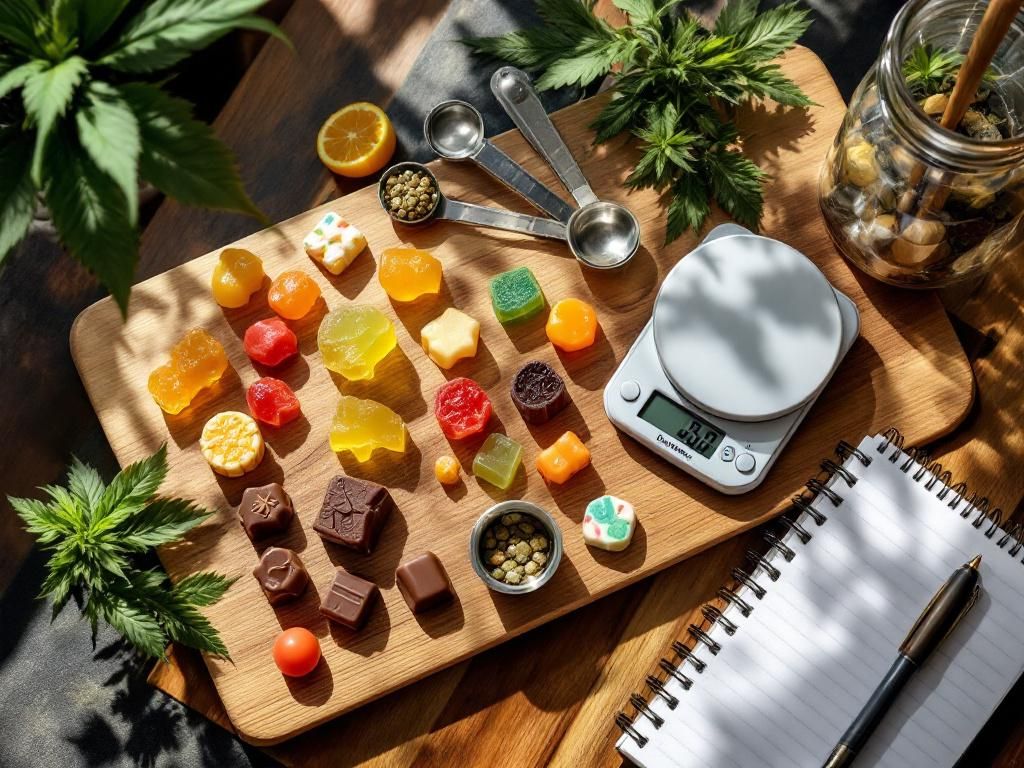
Understanding what affects your THC experience gives you the power to shape it according to your preferences and comfort level. The amount of THC dosage you consume stands as the most obvious factor – higher doses generally produce more intense effects, but the relationship isn’t always linear. Sometimes doubling your dose can more than double the intensity of effects, especially with edibles where the liver’s conversion process can amplify the experience unpredictably.
Your chosen consumption method fundamentally changes how THC affects you. Smoking and vaping deliver THC quickly to your brain, giving you more control over your dosing since you can feel effects almost immediately and decide whether to consume more. Oral consumption through edibles or tinctures removes this control since you must wait for effects to begin, making it easier to accidentally take too much while waiting for something to happen.
Individual biological factors create significant variation in how people respond to THC:
• Metabolic rate
• Genetics and receptor sensitivity
• Body composition and fat percentage
• Current tolerance level
• Mental state and environment
Regular cannabis use builds tolerance, meaning you need increasingly larger amounts to achieve the same effects. This happens because your brain reduces the number of CB1 receptors available for THC to bind to, essentially protecting itself from overstimulation. Taking regular breaks from cannabis can help reset your tolerance and reduce the amount you need for desired effects.
Your mental state and physical environment significantly impact your THC experience. Consuming cannabis when you’re stressed, anxious, or in an unfamiliar setting increases the likelihood of experiencing anxiety or paranoia. Conversely, using THC when you’re relaxed and in a comfortable, familiar environment with trusted people tends to enhance positive effects and reduce negative ones.
Different cannabis strains and products create distinct experiences due to varying combinations of cannabinoids and terpenes. These compounds work together to modify THC’s effects through the entourage effect, which is why some strains might make you feel energetic while others promote deep relaxation, even with similar THC content.
“Cannabis is not just about THC. The entourage effect demonstrates that the whole plant is greater than the sum of its parts.” – Dr. Ethan Russo
How can you use this knowledge to dose smoothly and safely?
1. Start with the lowest possible dose (10-15~mg for edibles)
2. Wait appropriate time periods before redosing
3. Check product labels for accurate THC content
4. Keep a consumption journal
5. Choose appropriate set and setting
6. Stay hydrated and have snacks available
“The cardinal rule of cannabis consumption is ‘start low and go slow’ – you can always take more, but you can’t take less once it’s consumed.” – Cannabis Researcher
Always check product labels carefully to understand exactly how much THC you’re consuming. BudBuddies ensures accurate labelling on all products, giving you the information needed to dose precisely. Keep a consumption journal noting the product, dose, consumption method, and effects to help you identify what works best for your body and preferences.
Consider your current mental state and environment before consuming THC. If you’re feeling anxious or are in a stressful situation, it might be better to wait for a more appropriate time. Choose a comfortable, familiar setting where you feel safe and relaxed, especially when trying new products or higher doses.
Have a plan for managing your experience. Keep water nearby to stay hydrated and have some light snacks available. Choose calming activities like listening to music or watching a favourite show rather than engaging in stressful or demanding tasks. Remember that effects are temporary and will pass with time.
BudBuddies offers a carefully curated selection of products with consistent potency, allowing you to experiment with different consumption methods and find what works best for you. Our premium quality control ensures that each product delivers predictable effects, making it easier to develop a smooth dosing routine that matches your preferences and tolerance level.
FAQs
How Long Does The THC High Last?
The duration of your THC high depends entirely on how you consume it. When you smoke or vape cannabis, you’ll typically feel effects for one to three hours, with the peak intensity occurring around 30 minutes after consumption. The high then gradually fades as your body metabolises the THC. Edibles create a completely different timeline – effects can last anywhere from four to eight hours, sometimes even longer depending on the dose and your individual metabolism. This extended duration occurs because your liver converts THC into 11-hydroxy-THC, a more potent compound that persists longer in your system.
Can You Build A Tolerance To THC?
Yes, regular THC use definitely leads to tolerance development. Your brain adapts to frequent THC exposure by reducing the number of CB1 receptors available for binding, which means you need larger amounts to achieve the same euphoric effects. This adaptation can happen quite quickly with daily use, sometimes within just a few weeks. The good news is that tolerance is reversible – taking tolerance breaks from cannabis consumption allows your brain to restore normal receptor levels. Many experienced users take planned tolerance breaks lasting anywhere from a few days to several weeks to reset their sensitivity and reduce the amount needed for desired effects.
Is THC The Same As CBD?
THC is the psychoactive compound that creates the high by binding directly to CB1 receptors in your brain and triggering dopamine release. CBD is non-psychoactive and doesn’t produce any high at all – instead, it can actually modulate and reduce some of THC’s more intense effects. Many cannabis products combine both compounds to create a more balanced experience, with CBD helping to smooth out THC’s psychoactive effects while providing its own potential benefits. This combination approach allows users to experience THC’s euphoric effects while minimising potential anxiety or paranoia.
What Should I Do If I Feel “Too High”?

If you find yourself feeling uncomfortably high, the most important thing is to stay calm and remind yourself that the sensation is temporary and will pass. Find a quiet, comfortable space where you feel safe and secure. Drink water to stay hydrated and help with dry mouth, which is a common side effect. Try engaging in simple, calming activities like listening to soothing music, watching a familiar television show, or practising slow, deep breathing exercises. Some people find that taking a cool shower or splash of cold water on their face helps ground them. Remember that no one has ever experienced serious harm from consuming too much THC – the effects will fade within a few hours at most.
Conclusion
THC clearly stands as the compound responsible for cannabis’s characteristic high, working through a sophisticated interaction with your brain’s endocannabinoid system. When THC binds to CB1 receptors, it triggers the release of dopamine and other neurotransmitters that create the euphoric, relaxed state that defines the cannabis experience. The science behind this process shows that getting high isn’t just a random feeling but a precise biochemical reaction that affects specific brain regions.
The variability in THC effects comes down to multiple factors including your consumption method, individual biology, tolerance level, and current environment. Smoking delivers rapid effects that peak quickly and fade within a few hours, while edibles create delayed but longer-lasting highs that can persist for most of a day. Understanding these differences allows you to choose the consumption method that best fits your schedule and preferences.
Smart dosing starts with knowing your products and starting small, especially with edibles where effects take time to appear. BudBuddies provides premium cannabis products with consistent potency and accurate labelling, giving you the reliable foundation needed for controlled, enjoyable experiences. Our range of flowers, edibles, and vapes lets you explore different consumption methods while maintaining the quality and predictability that makes cannabis use both safe and satisfying.
Whether you’re new to cannabis or looking to refine your approach, informed consumption combined with quality products creates the best pathway to positive experiences. BudBuddies’ commitment to premium quality, discreet packaging, and reliable UK-wide delivery ensures that your cannabis journey remains private, convenient, and consistently satisfying. Explore our selection to discover products that match your preferences and support your goals for controlled, enjoyable THC experiences.


