


Vape Pen Cleaning Guide: What You Should Know
Essential Vape Pen Cleaning Tips: Prolong Your Device’s Life
Think of your vape pen as a precision instrument that deserves the same care you’d give to any valuable tool. Regular maintenance keeps your device performing at its peak while protecting your investment. A properly maintained vape pen delivers consistent flavour and smooth vapour production, making every session enjoyable. When you follow a proper vape pen cleaning guide, you’re not just maintaining hygiene—you’re preserving the quality of your vaping experience.
Residue and build-up naturally accumulate with regular use, affecting both taste and performance. Sticky deposits can clog airways, while bacteria can develop on frequently touched surfaces like the mouthpiece. The right cleaning approach removes these unwanted elements while protecting delicate components. Using appropriate supplies like isopropyl alcohol and cotton swabs ensures thorough cleaning without damaging sensitive parts.
This comprehensive guide covers everything from basic maintenance to deep cleaning techniques. You’ll learn how to properly clean each component, from managing stubborn *cartridge thread gunk* to maintaining the *510 threading*. BudBuddies understands that premium **cannabis products** deserve **proper maintenance**, which is why we recommend following these proven cleaning methods. By implementing these practices, you’ll extend your device’s lifespan while ensuring every puff remains fresh and satisfying.
Why Regular Maintenance Matters for Your Vaping Experience
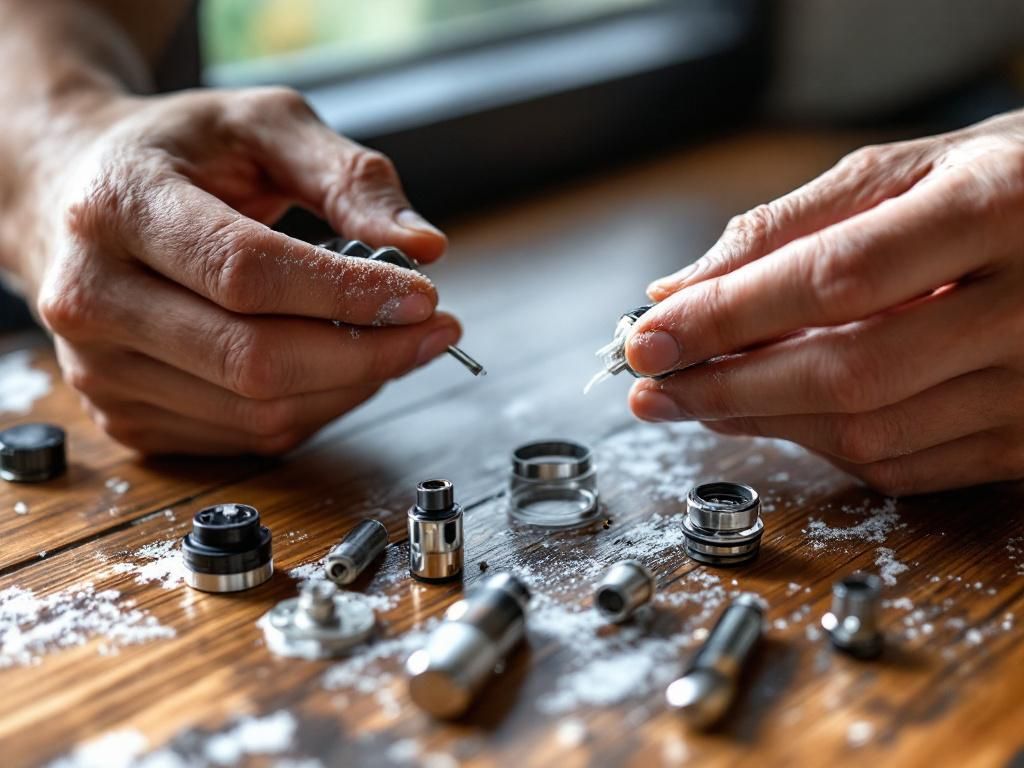
Your vape pen encounters various substances during each session, leaving behind microscopic residues that accumulate over time. These deposits create an ideal environment for **bacteria growth**, particularly on the mouthpiece where moisture and warmth combine. Regular cleaning eliminates these hygiene concerns while maintaining the pure taste of your chosen products. A clean vape pen protects your health and ensures each session meets your expectations.
**Performance suffers** when residue builds up inside your device’s components. Clogged airways restrict vapour flow, while dirty coils produce harsh, unpleasant tastes that mask the intended flavours. Cleaning prevents these issues by maintaining clear pathways for proper airflow and heat distribution. When you keep your device clean, you preserve the quality experience that drew you to **vaping in the first place**.
Proper maintenance directly impacts your device’s longevity and your wallet. Clean components last longer, reducing the frequency of coil replacements and other repairs. A well-maintained vape pen **extends your device’s lifespan** and can serve you reliably for months or even years with proper care. This provides:
- Extended component lifespan
- Reduced coil replacement frequency
- Better return on investment
- Fewer device interruptions
“A dirty vape pen is not just unpleasant—it’s potentially unsafe. Regular cleaning prevents bacterial growth and ensures your device operates within safe parameters.” – Dr. Michael Russell, Vaping Safety Institute
Why let poor maintenance ruin your premium vaping experience?
Regular cleaning also prevents common mechanical problems like gurgling sounds, leaking, and inconsistent vapour production. These issues often stem from residue interfering with proper seals and connections. By following a consistent **vape pen cleaning guide**, you maintain optimal performance and avoid frustrating malfunctions that disrupt your sessions.
Understanding Your Device’s Components for Effective Cleaning
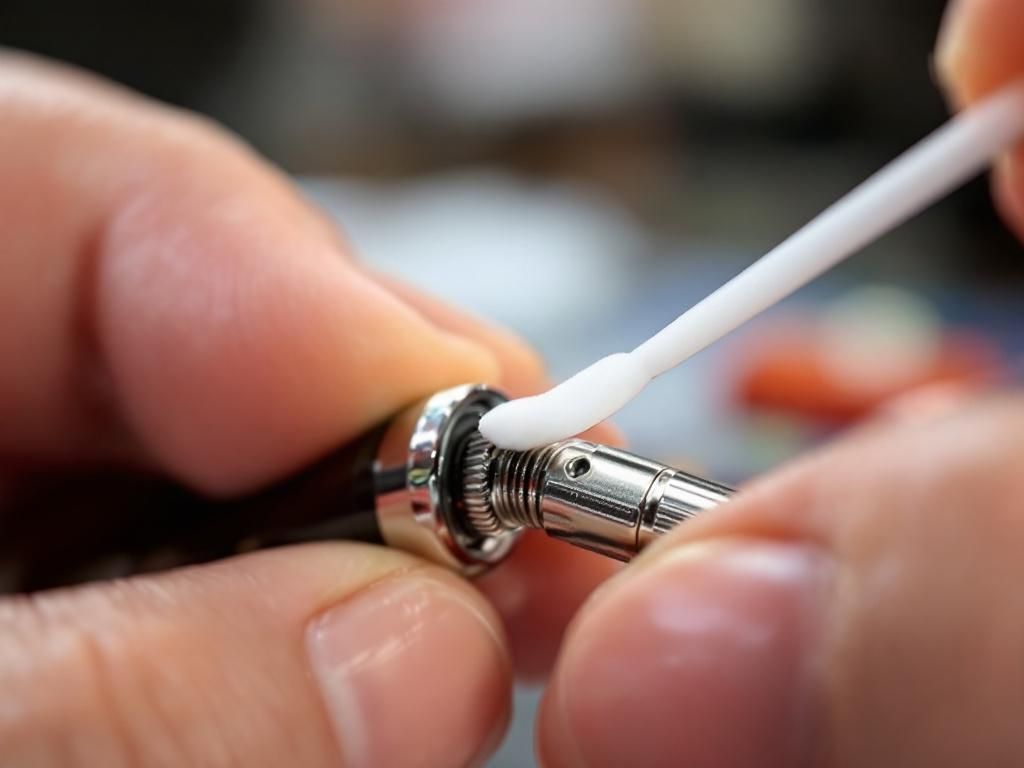
Modern vape pens consist of several key components that each require specific cleaning attention:
- *Tank or pod*: Holds e-liquid with removable parts
- *Coil*: Heats liquid to produce vapour
- *Mouthpiece*: Delivers vapour and needs regular sanitising
- *Battery section*: Powers device with sensitive electronics
The **510 threading** connects your tank to the battery and often collects residue that interferes with proper connection. This small but crucial component requires careful cleaning to maintain **electrical contact** and prevent performance issues. Understanding which parts detach helps you clean thoroughly while protecting fixed components from damage. Some devices feature replaceable coils, while others use rebuildable systems that require different cleaning approaches.
Different materials require different cleaning methods to avoid damage. Glass tanks can handle more aggressive cleaning than plastic ones, while metal components resist corrosion better than cheaper alternatives. Rubber seals and O-rings need gentle treatment to maintain their elasticity and sealing properties. Knowing your device’s construction helps you choose appropriate cleaning supplies and techniques.
Taking time to familiarise yourself with your specific device pays dividends during cleaning. Most manufacturers provide diagrams showing which parts detach and which should remain assembled. This knowledge prevents accidental damage and ensures you clean every accessible surface. When you understand your device’s anatomy, **maintenance becomes straightforward** rather than intimidating.
Complete Cleaning Process for Optimal Performance
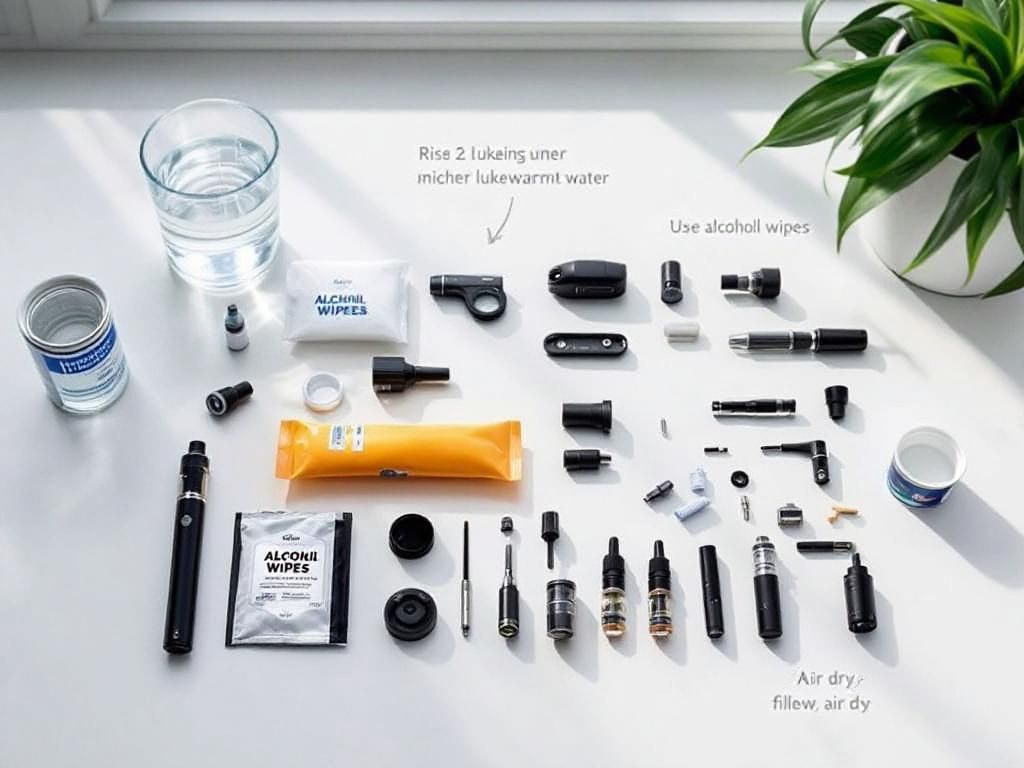
Start every cleaning session by ensuring your device is **powered off** and cooled down completely. Remove the battery if possible to protect electronic components from moisture damage. Empty any remaining e-liquid from the tank before beginning disassembly. This preparation prevents accidents and protects sensitive parts during the cleaning process.
Follow this step-by-step process:
- Power off device and allow complete cooling
- Remove battery if possible
- Empty remaining e-liquid from tank
- Disassemble removable components
- Rinse parts under *lukewarm water*
- Clean stubborn deposits with alcohol and *soft brush or cotton swab*
- Thoroughly clean mouthpiece
- Clean battery connections and 510 threading
- Wipe exterior with damp cloth
- Ensure all components are **completely dry** before reassembly
Begin with the tank by removing all detachable components like the mouthpiece and coil if replaceable. Rinse each part under lukewarm water to remove the bulk of residue and sticky build-up. For stubborn deposits, use a soft brush or cotton swab dipped in **isopropyl alcohol** to gently scrub away grime. Avoid using harsh chemicals or abrasive materials that could damage plastic or rubber components.
Clean the mouthpiece thoroughly since it contacts your lips directly during use. Wipe it down with alcohol or warm soapy water, then rinse completely to remove any cleaning residue. Allow the mouthpiece to air dry completely before reassembly to prevent moisture retention. This step is crucial for maintaining hygiene and preventing **bacterial growth** in frequently used components.
Focus special attention on the battery connections and 510 threading where **cartridge thread gunk** commonly accumulates. Use a dry cotton swab or one slightly dampened with alcohol to clean these contact points carefully. Avoid excessive moisture around electronic components, as liquid damage can permanently disable your device. Clean the exterior with a soft, slightly damp cloth to remove fingerprints and dust.
The **dab pen cleaning** process requires similar attention to detail, especially around concentrate residue that can be stickier than e-liquid. Take extra time with these areas, using alcohol-dampened cotton swabs to dissolve stubborn build-up. Always ensure every component is completely dry before reassembling your device to prevent electrical issues or corrosion.
Maintenance Schedule and Best Practices for Long-Term Performance
Establish a regular cleaning routine based on your usage patterns and the type of products you consume. Light users might clean their device **weekly**, while heavy users benefit from more frequent maintenance. Change or clean your tank whenever you switch flavours to prevent taste mixing and maintain pure flavour profiles. This practice ensures each session delivers the intended experience without contamination from previous use.
**Daily maintenance** takes just minutes but prevents major build-up that requires extensive cleaning later. Wipe the mouthpiece after each session and check for any visible residue on external components. Empty tanks completely when not in use for extended periods to prevent liquid from thickening and creating clogs. These simple habits keep your device ready for use and extend time between **deep cleaning sessions**.
Gather **essential cleaning supplies** before you need them to make maintenance convenient:
- *Cotton swabs*
- *Isopropyl alcohol*
- Soft cloths
- Paper towels
- Small brush for scrubbing
Having supplies readily available encourages regular maintenance rather than postponing cleaning until problems develop.
| Usage Level | Daily Tasks | Weekly Tasks | Monthly Tasks |
|---|---|---|---|
| Light User | Wipe mouthpiece | Deep clean tank | Replace coils |
| Regular User | Wipe mouthpiece, check residue | Clean all components | Replace coils, inspect seals |
| Heavy User | Wipe mouthpiece, empty tank | Deep clean twice | Replace coils, full inspection |
How often do you really need to replace expensive coils?
Proper storage practices complement regular cleaning by preventing unnecessary contamination and damage. Store your device upright in a cool, dry location away from direct sunlight and extreme temperatures. This positioning prevents leaks while protecting battery life and electronic components. Check O-rings and seals periodically for signs of wear, replacing them as needed to maintain proper sealing.
Monitor your device’s performance for signs that cleaning is needed before problems become severe. Reduced flavour intensity, unusual sounds during use, or visible build-up indicate it’s time for maintenance. Address these warning signs promptly to prevent minor issues from becoming major problems. Following a consistent vape pen cleaning guide helps you recognise these signs early and maintain optimal performance.
Some users employ techniques like **vape coil burn off** to extend coil life, but this requires careful temperature control to avoid damage. When done properly, this method can remove some residue from coils, though replacement remains necessary eventually. Understanding these advanced techniques helps you get maximum value from your components while maintaining safety and performance standards.
Extending Battery Life Through Proper Care
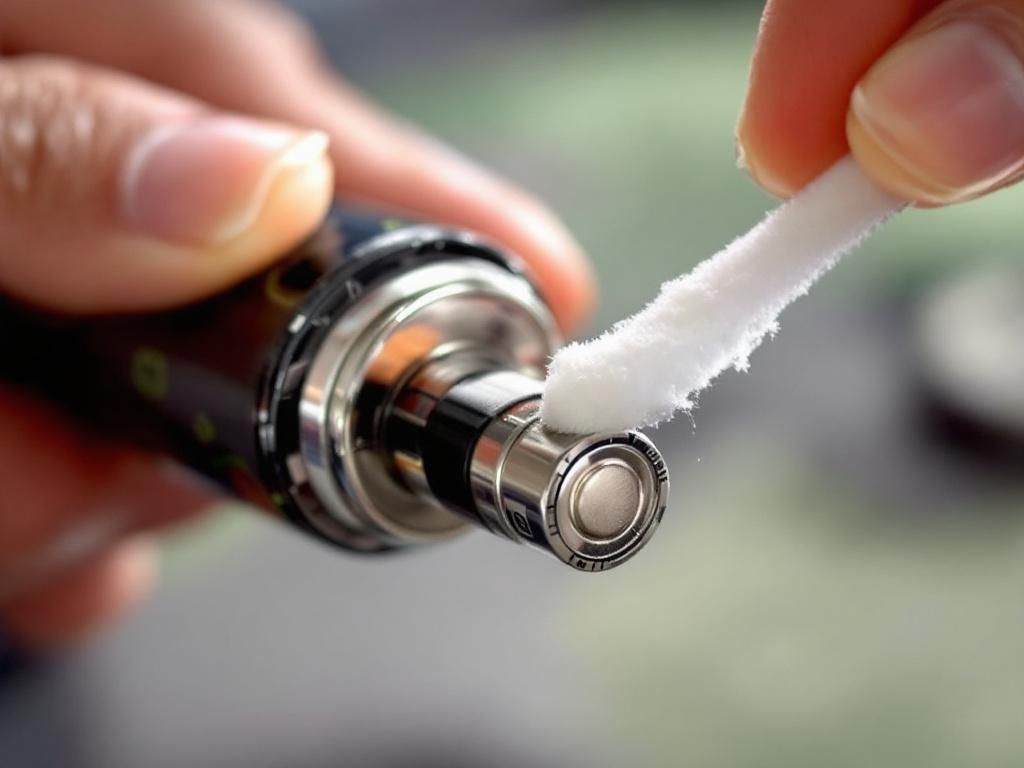
Your vape pen’s battery represents a significant portion of its value and requires specific care to maintain performance. Clean battery terminals regularly to ensure proper *electrical contact* and prevent power loss. Use a dry cotton swab to remove any residue from the threading and contact points. This simple step can significantly **extend vape battery life** and maintain consistent power delivery.
“Battery maintenance is often overlooked, but it’s crucial for device longevity. Proper charging habits and temperature control can double your battery’s lifespan.” – Sarah Chen, Cannabis Technology Specialist
Avoid **overcharging** your battery, as this can reduce its lifespan and potentially create safety hazards. Most modern devices include built-in protection, but unplugging when fully charged remains good practice. Store your device with a partial charge rather than completely drained or fully charged for extended periods. This practice helps maintain battery chemistry and prevents degradation during storage.
**Temperature extremes** negatively impact battery performance and longevity. Avoid leaving your device in hot cars or freezing conditions, as extreme temperatures can permanently damage battery cells. **Room temperature storage** preserves battery capacity and ensures reliable performance when you need it. Consider removing batteries from devices during long-term storage to prevent discharge and potential damage.
Regular cleaning around battery connections prevents corrosion and ensures reliable electrical contact. Use minimal moisture around these areas, focusing on dry cleaning methods whenever possible. If alcohol cleaning is necessary, ensure complete drying before reassembling or charging your device. This attention to detail prevents electrical issues and maintains optimal power delivery throughout your device’s lifespan.
Troubleshooting Common Cleaning Challenges
**Stubborn residue** sometimes resists standard cleaning methods, requiring more intensive approaches. Soak heavily soiled components in **isopropyl alcohol** for several minutes before scrubbing with a soft brush. This technique dissolves thick build-up without damaging delicate surfaces. For extremely stubborn deposits, gentle heating of the alcohol can improve its cleaning effectiveness, though this requires careful temperature control.
Dealing with **cartridge thread gunk** requires patience and the right tools. Use a *dental pick* or similar thin instrument to carefully remove hardened residue from threading. Work slowly to avoid scratching metal surfaces or damaging the threading pattern. Once loose material is removed, follow up with alcohol cleaning to eliminate any remaining residue.
Some components may appear damaged after cleaning, but this often reflects previously hidden wear rather than cleaning damage. Inspect *O-rings and seals* for tears or hardening that might cause leaks. Replace these inexpensive components rather than attempting repairs that might compromise safety. Keeping spare seals on hand ensures you can complete maintenance without delays.
Persistent flavour contamination despite thorough cleaning might indicate the need for component replacement. Coils and wicks absorb flavours over time, and some combinations never fully clear. When cleaning doesn’t restore pure taste, consider replacing the affected components. This investment in fresh parts often costs less than the frustration of persistent off-flavours.
Professional Tips for Premium Device Care
BudBuddies customers invest in quality cannabis products that deserve equally careful maintenance. **Premium devices** often include advanced features that require specific cleaning approaches. Consult your device manual for manufacturer-specific recommendations that might differ from general cleaning advice. Following these guidelines protects your warranty while ensuring optimal performance.
Consider establishing a **cleaning log** to track maintenance frequency and identify patterns in your device’s performance. Note which products create more residue or require more frequent cleaning. This information helps you adjust your routine and anticipate maintenance needs. Regular documentation also helps identify when components need replacement before they fail completely.
Advanced users might experiment with *ultrasonic cleaners* for deep cleaning of removable components. These devices use sound waves to remove residue from hard-to-reach areas without manual scrubbing. While not necessary for basic maintenance, ultrasonic cleaning can restore heavily soiled components to like-new condition. Always ensure components are completely dry before reassembly after any cleaning method.
Quality cleaning supplies make a noticeable difference in both effectiveness and convenience. Invest in *high-grade isopropyl alcohol* and quality cotton swabs for better results. Cheap supplies often leave residue or fall apart during use, creating more work than they save. The small additional cost for quality supplies pays dividends in cleaning effectiveness and time saved.
Conclusion
Maintaining your vape pen through regular cleaning protects your investment while ensuring consistent performance and flavour. Following this comprehensive vape pen cleaning guide helps you establish routines that prevent problems before they develop. From basic daily maintenance to thorough deep cleaning, each step contributes to your device’s longevity and your satisfaction with its performance.
BudBuddies recognises that premium cannabis products deserve proper care and maintenance. By implementing these cleaning practices, you protect the quality of your vaping experience while extending your device’s useful life. Start incorporating these techniques into your routine today, and experience the difference that proper maintenance makes in your daily vaping sessions.
FAQs
Q: How often should I clean my vape pen?
Clean your tank after every flavour change or at least weekly for routine maintenance. Deep cleaning should occur monthly or whenever you notice reduced performance, ensuring optimal flavour and vapour production.
Q: Can I use water to clean my vape pen battery?
Never submerge the battery or electronic components in water. Use only a lightly damp cloth or alcohol swab on contact points, ensuring complete drying before reassembly to extend vape battery life safely.
Q: What are the signs that my vape pen needs cleaning?
Watch for reduced flavour intensity, gurgling sounds during use, decreased vapour production, visible residue build-up, or leaking around connections. These symptoms indicate cleaning is needed to restore proper performance.


