


Can You Be Allergic to Cannabis: What to Know
Cannabis has gained widespread acceptance for its therapeutic and recreational benefits, but many users wonder: can you be allergic to cannabis? The answer might surprise you. Like any plant, cannabis can trigger allergic reactions in sensitive individuals. These reactions can occur through various exposure methods, including smoking, vaping, touching plant material, or consuming edible products.
What starts as mild symptoms like watery eyes or skin irritation could signal developing sensitivity to marijuana. Some people experience respiratory issues, while others face more serious systemic reactions. Recognising these warning signs early helps prevent complications and allows for safer cannabis use.
This comprehensive guide explores cannabis allergy symptoms and can you be allergic to cannabis, identifies common triggers, and explains who faces the highest risk. We’ll examine cross-reactive foods that might amplify reactions and discuss practical management strategies. Throughout this exploration, we’ll highlight how quality products from trusted sources like BudBuddies can support informed choices for those navigating potential sensitivities. Whether you’re a seasoned user or new to cannabis, understanding these allergic responses ensures a safer, more enjoyable experience.
Key Takeaways
Cannabis allergies represent a genuine medical concern that affects a growing number of users worldwide. Research confirms that exposure to cannabis through smoking, skin contact, or ingestion can trigger immune responses in susceptible individuals. The body reacts to specific proteins and compounds naturally present in the cannabis plant, creating symptoms that range from mild irritation to severe reactions.
Common manifestations include respiratory problems such as sneezing, congestion, and wheezing, particularly after inhaling cannabis smoke or vapour. Skin reactions like contact dermatitis, hives, and rashes frequently occur when handling plant material. Oral symptoms including mouth tingling, throat swelling, and digestive upset may develop after consuming cannabis edibles or tinctures.
Cross-reactivity plays a significant role in cannabis allergies, as proteins in marijuana share similarities with those found in tomatoes, peaches, bananas, and various tree pollens. This connection explains why individuals with existing food allergies or hay fever often experience unexpected reactions to cannabis products.
Medical diagnosis typically involves detailed symptom tracking, skin prick tests, and blood work to measure specific antibody levels. Management focuses primarily on avoiding known triggers, though symptomatic treatments like antihistamines can provide relief for mild reactions. For cannabis users dealing with allergies, exploring alternative consumption methods and selecting premium, tested products from reputable suppliers like BudBuddies becomes particularly important for maintaining safe access to cannabis.
What Causes a Cannabis Allergy? Unpacking the Triggers

Cannabis allergies develop when the immune system mistakenly identifies specific plant proteins as dangerous invaders. The cannabis plant contains several identified allergens, including proteins designated as Can s 2, Can s 3, and Can s 5 by researchers. Additionally, terpenes like linalool and limonene can undergo oxidation, creating compounds that trigger allergic responses in sensitive individuals.
“Cannabis contains several identified allergens including specific proteins that can trigger immune responses. The route of exposure significantly influences which allergens affect users most.” – Dr. Purvi Parikh, allergist and immunologist at NYU Langone Health
The route of exposure significantly influences which allergens affect users most. Smoking or vaping introduces allergenic proteins directly into the respiratory system through combustion particles and vapour. Direct skin contact with fresh or dried cannabis material exposes users to plant proteins that can penetrate the skin barrier. Consuming cannabis oils, or tinctures allows these allergens to interact with the digestive system and enter the bloodstream.
Manufacturing processes can introduce additional allergenic materials beyond those naturally present in cannabis. Carrier oils used in tinctures and edibles, artificial flavourings, preservatives, and even residual pesticides or fertilisers from cultivation can trigger reactions. Some users react to specific strains due to varying terpene profiles, while others experience symptoms from cross-contamination during processing or packaging.
The potency and concentration of allergens also matter. Fresh cannabis flowers typically contain higher levels of allergenic proteins compared to processed products like distillates or isolates. However, full-spectrum products retain more plant compounds, potentially increasing exposure to multiple allergens simultaneously.
Understanding these diverse triggers helps explain why cannabis allergy symptoms can vary dramatically between individuals and consumption methods. Some people tolerate edibles but react to smoking, while others experience skin reactions from handling but can safely consume processed products. This variability emphasises the importance of careful observation and potentially working with allergists to identify specific triggers.
Recognising the Signs: Symptoms of Cannabis Allergy
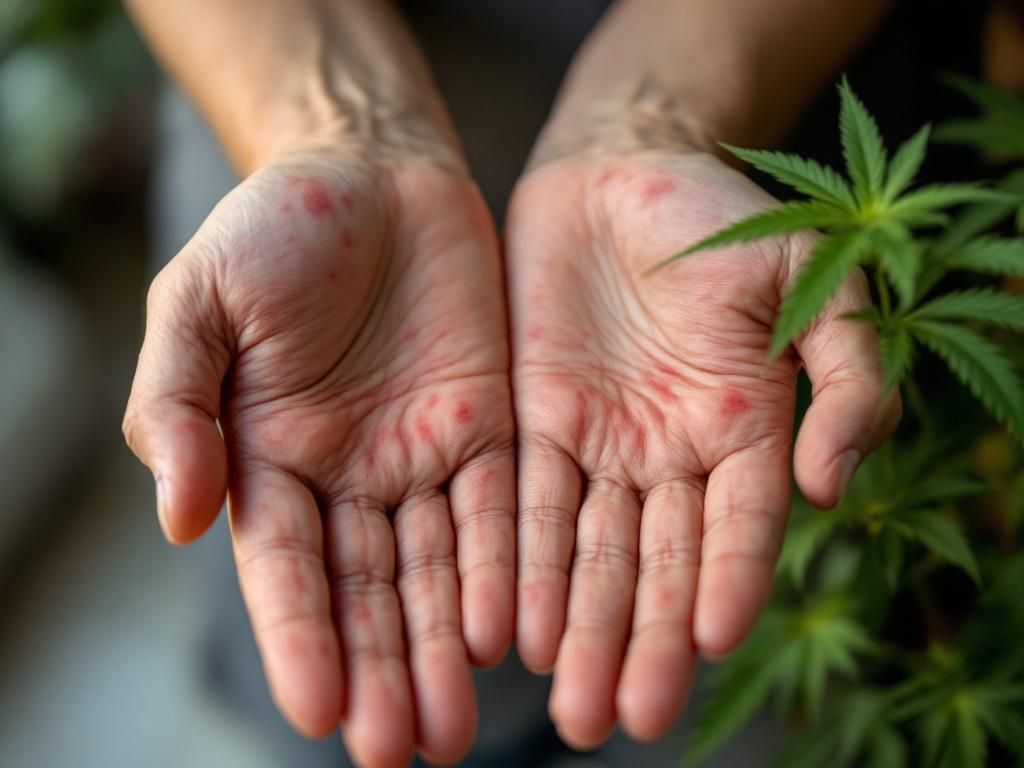
Cannabis allergy symptoms vary considerably based on individual sensitivity levels and exposure methods. Understanding these different manifestations helps distinguish true allergic reactions from common cannabis side effects, enabling appropriate response and treatment decisions.
“Cannabis allergy symptoms can range from mild respiratory irritation to severe anaphylactic reactions. It’s crucial that users learn to distinguish between normal cannabis side effects and true allergic responses.” – Dr. William Silvers, allergist at University of Colorado
Respiratory symptoms typically appear within minutes of inhaling cannabis smoke or vapour:
- Persistent sneezing
- Runny or stuffy nose
- Red, watery, itchy eyes
- Wheezing and chest tightness
- Persistent coughing
- Difficulty breathing
Skin reactions commonly occur when handling cannabis plant material or using topical cannabis products. Contact dermatitis presents as red, inflamed patches that may develop into blisters or weeping sores. Hives appear as raised, itchy welts that can spread rapidly across the body. Some individuals develop eczema-like rashes with dry, scaly patches that persist for days or weeks. Facial swelling around the eyes, lips, or cheeks represents a more serious skin reaction requiring immediate attention.
Oral and gastrointestinal symptoms frequently follow cannabis ingestion. Many people report tingling or itching sensations in the mouth and throat, often accompanied by swelling of the lips, tongue, or throat tissues. Digestive symptoms include nausea, vomiting, abdominal cramping, and diarrhoea that typically begin within hours of consumption.
Could these symptoms indicate something more serious?
Anaphylaxis represents the most severe cannabis allergy reaction, though it remains relatively rare. Warning signs include rapid onset of difficulty breathing, widespread hives, severe swelling, rapid pulse, dizziness, and sudden blood pressure drops. This life-threatening reaction requires immediate emergency medical treatment with epinephrine and hospitalisation.
The key distinction between allergic reactions and typical cannabis side effects lies in the immune system involvement. While dry mouth, red eyes, or mild sedation result from cannabinoid interactions with receptors, allergic symptoms involve inflammation, immune cell activation, and potential systemic responses that can worsen over time.
Who Is at Risk? Understanding Cannabis Allergy Risk Groups & Cross-Reactivity

Certain individuals face significantly higher risks of developing cannabis allergies based on their medical history, genetic factors, and exposure patterns. People with existing allergic conditions like asthma, hay fever, eczema, or food allergies have overactive immune systems that may cross-react with cannabis proteins. This heightened immune response makes them more susceptible to developing new sensitivities, including cannabis allergies.
“We’re seeing increasing reports of cannabis allergies, particularly among individuals with existing plant allergies or those with occupational exposure. Cross-reactivity with common foods is more frequent than many realise.” – Dr. Thad Ocampo, allergist specialising in cannabis sensitivities
Occupational exposure creates another major risk category. Cannabis cultivation workers, budtenders, processing facility employees, and laboratory technicians experience daily contact with cannabis pollen, plant material, and concentrated extracts. Prolonged, repeated exposure in these environments often leads to sensitisation over time, even in individuals without prior allergy history.
| Risk Factor | Risk Level | Explanation |
|---|---|---|
| Existing allergies (asthma, hay fever) | High | Overactive immune system increases sensitivity |
| Occupational exposure | High | Daily contact leads to sensitisation |
| Family history of allergies | Moderate | Genetic predisposition increases risk |
| Cross-reactive food allergies | High | Shared proteins trigger reactions |
| Pollen allergies | Moderate | Similar protein structures cause cross-reactivity |
| Age (young adults/teens) | Moderate | Higher rates of new allergy development |
Family history plays a crucial role in allergy development. Genetic factors influence immune system function, making some people inherently more prone to allergic reactions. Children of parents with multiple allergies face increased risks of developing cannabis sensitivities if exposed to the plant.
Cross-reactivity represents one of the most important risk factors to understand. Cannabis proteins share structural similarities with allergens found in common foods and environmental substances.
Cross-reactive foods that may trigger cannabis allergies:
- Tomatoes
- Peaches
- Bananas
- Apples
- Cherries
- Tree nuts
This connection explains why some people develop cannabis allergies despite limited previous exposure.
Pollen allergies also create cross-reactive risks. People sensitive to birch, ragweed, mugwort, or grass pollens may react to cannabis pollen due to similar protein structures. Seasonal allergy sufferers often notice their cannabis reactions worsen during high pollen periods, as their immune systems become hypervigilant.
The concept of oral allergy syndrome further complicates cannabis use for sensitive individuals. This condition causes mouth and throat itching when consuming raw fruits or vegetables that cross-react with environmental allergens. Cannabis edibles or tinctures can trigger similar responses in affected individuals.
Age also influences risk levels. Young adults and teenagers show higher rates of new allergy development, while older adults typically experience more stable allergy patterns. However, sensitisation can occur at any age with sufficient exposure.
Understanding these risk factors helps individuals make informed decisions about cannabis use and seek appropriate medical guidance when necessary. Those with multiple risk factors should consider allergy testing before regular cannabis use and work with healthcare providers to develop safe consumption strategies.
How to Identify and Manage a Potential Cannabis Allergy

Proper identification of cannabis allergies requires systematic observation and professional medical evaluation. Begin by maintaining a detailed symptom diary that records the timing, severity, and type of reactions following cannabis exposure. Note the specific products used, consumption methods, and any other potential allergens encountered simultaneously. This documentation proves invaluable when consulting healthcare providers.
Steps for identifying cannabis allergies:
- Maintain a detailed symptom diary recording timing, severity, and reaction types
- Note specific products used and consumption methods
- Schedule comprehensive allergy evaluation with healthcare provider
- Consider skin prick tests and blood work for antibody levels
- Discuss elimination challenges under medical supervision
Medical diagnosis typically starts with a comprehensive allergy history review. Allergists examine existing sensitivities, family allergy history, and patterns of symptom development. Skin prick tests can identify specific cannabis protein reactions by introducing small amounts of cannabis extracts under the skin surface. Blood tests measuring immunoglobulin E antibodies provide additional confirmation of allergic responses to cannabis components.
Some allergists may recommend elimination challenges, where patients avoid all cannabis exposure for several weeks before gradually reintroducing specific products under medical supervision. This controlled approach helps identify particular triggers while ensuring safety during testing.
Once diagnosed, avoidance remains the most effective management strategy. Complete elimination of known triggers prevents reactions and allows the immune system to calm down. However, individuals using cannabis for medical purposes may need alternative approaches rather than complete cessation.
Switching consumption methods often reduces reaction severity. People experiencing respiratory symptoms from smoking or vaping might tolerate sublingual tinctures, capsules, or carefully selected edibles. Those reacting to plant material handling could use pre-processed products that eliminate direct contact with flowers or trim.
Symptomatic treatments provide relief for mild to moderate reactions. Over-the-counter antihistamines like loratadine or cetirizine can reduce inflammation and itching. Topical corticosteroid creams help manage skin reactions, while nasal steroid sprays address respiratory symptoms. Individuals with severe reaction histories should carry epinephrine auto-injectors and develop emergency action plans with their physicians.
Product selection becomes critical for continued safe use. High-quality, third-party tested products from reputable sources like BudBuddies offer greater consistency and purity, reducing exposure to unknown contaminants or adulterants that might trigger reactions. Laboratory testing confirms cannabinoid content while screening for pesticides, heavy metals, and microbial contaminants that could exacerbate allergic responses.
Starting with minimal doses of any new product allows gradual assessment of tolerance levels. This careful approach helps identify safe options while minimising reaction risks.
Navigating Safe Cannabis Product Choices for Allergy Sufferers

Selecting appropriate cannabis products when managing allergies requires understanding how different formulations and consumption methods affect allergen exposure. The risk profile varies significantly between product categories, with some offering safer alternatives for sensitive individuals.
Inhalation methods like smoking and vaping present the highest risk for respiratory reactions. These approaches expose users directly to cannabis pollen, combustion particles, and vaporised plant proteins. However, some individuals find that high-quality vaporisers operating at lower temperatures produce fewer irritating compounds compared to combustion methods.
Edible products often provide safer alternatives for those experiencing respiratory sensitivities. Gummies, chocolates, beverages, and baked goods typically undergo processing that breaks down many allergenic proteins. However, these products introduce new variables through carrier ingredients, flavourings, and preservatives that might trigger reactions in sensitive individuals.
Tinctures and sublingual products offer another alternative consumption method. These alcohol or oil-based extracts bypass respiratory exposure while providing rapid onset through oral mucosa absorption. Quality tinctures undergo filtration processes that remove many plant particles while preserving cannabinoids.
Capsules and pills represent highly processed options with minimal plant material exposure. These pharmaceutical-style products often contain isolated cannabinoids or highly refined extracts with reduced allergenic protein content. However, gelatin capsules might pose problems for individuals with specific sensitivities.
Product purity and testing standards significantly impact safety for allergy sufferers. Premium suppliers like BudBuddies prioritise rigorous quality control, ensuring products meet high purity standards and contain accurate cannabinoid profiles. Comprehensive laboratory testing screens for pesticides, heavy metals, microbial contaminants, and residual solvents that could trigger allergic responses or worsen existing sensitivities.
Third-party tested products provide additional assurance by verifying product contents through independent laboratories. These reports confirm that products contain advertised cannabinoid levels while remaining free from harmful contaminants. For individuals with allergies, this transparency allows informed decision-making based on specific sensitivities.
CBD isolate products might offer advantages over full-spectrum products for some allergy sufferers. Isolates contain purified CBD with minimal plant proteins, terpenes, or other compounds that might trigger reactions. However, some individuals benefit from the entourage effects of full-spectrum products and may tolerate them better than expected.
When exploring new products, start with the smallest available doses and monitor symptoms carefully. Keep emergency medications readily available and inform household members about potential reactions. Consider consulting with allergists familiar with cannabis to develop personalised product selection strategies.
BudBuddies commitment to premium quality and comprehensive testing supports safer choices for individuals navigating cannabis allergies. Their curated selection includes various product types and consumption methods, allowing customers to explore options that match their specific tolerance levels and medical needs.
Cannabis Allergy vs. Common Side Effects & Other Sensitivities
Distinguishing between true cannabis allergies and common adverse reactions prevents unnecessary alarm while ensuring appropriate medical attention when needed. Many cannabis users experience predictable side effects that result from normal cannabinoid interactions with the body’s endocannabinoid system, rather than immune-mediated allergic responses.
| Allergic Reactions | Common Side Effects |
|---|---|
| Immune system involvement | Cannabinoid receptor activation |
| Symptoms worsen with exposure | Predictable, dose-dependent |
| Include swelling, rashes, breathing difficulties | Dry mouth, red eyes, appetite changes |
| Can escalate to dangerous levels | Temporary and resolve within hours |
| May persist after exposure ends | Diminish as compounds metabolise |
| Require medical intervention | Generally manageable without treatment |
Typical cannabis side effects include dry mouth, red eyes, increased appetite, mild sedation, and temporary cognitive changes. These effects occur through cannabinoid receptor activation and usually resolve within hours as the compounds metabolise. Dry mouth results from reduced saliva production, while red eyes occur due to blood vessel dilation. These responses don’t involve immune system activation and rarely worsen with repeated exposure.
Throat irritation represents a common area of confusion between allergies and side effects. Smoking or vaping any substance can cause temporary throat discomfort due to heat, dryness, or particulate matter irritation. This mechanical irritation differs from allergic throat swelling, which involves immune system activation and inflammatory responses. Allergic throat reactions typically include significant swelling, difficulty swallowing, and may progress to breathing difficulties.
True allergic reactions involve immune system responses to specific proteins or compounds. These reactions often include visible signs of inflammation such as hives, rashes, or swelling. Allergic symptoms typically appear rapidly after exposure and may worsen with continued contact. Unlike side effects, allergic reactions can escalate to dangerous levels and may persist long after cannabis exposure ends.
Environmental factors can complicate symptom interpretation. Some users experience reactions to cultivation methods, curing processes, or storage conditions rather than the cannabis itself. Mould, pesticides, fertiliser residues, or improper storage can trigger responses that mimic allergic reactions but stem from contaminant exposure rather than cannabis proteins.
Sensitivity to specific product ingredients also creates confusion. Cannabis edibles contain numerous ingredients beyond cannabis extracts, including dairy products, nuts, artificial colours, preservatives, and flavourings. Reactions to these additives might be mistaken for cannabis allergies when they actually represent separate food sensitivities.
Individual tolerance levels vary significantly based on genetics, overall health status, and previous exposure history. Some people naturally process cannabinoids differently, leading to stronger or longer-lasting effects that might be mistaken for allergic reactions.
Keeping detailed records of symptoms, timing, and product details helps healthcare providers distinguish between allergies and other adverse reactions. Note whether symptoms involve immune system signs like swelling, rashes, or breathing difficulties, versus temporary discomfort that resolves quickly.
Professional medical evaluation remains the gold standard for accurate diagnosis. Allergists can perform specific tests to identify immune responses versus other types of reactions, ensuring appropriate treatment approaches.
Conclusion: Managing Cannabis Allergy for Continued Enjoyment
Cannabis allergies, while relatively uncommon, represent a real medical concern that requires informed management rather than complete avoidance in many cases. Understanding the symptoms, triggers, and risk factors allows individuals to make educated decisions about their cannabis use while prioritising safety and health.
Recognition proves the first step toward effective management. Distinguishing true allergic reactions from common side effects enables appropriate responses and prevents unnecessary complications. For those diagnosed with cannabis allergies, working closely with allergists and healthcare providers ensures access to proper testing, treatment options, and emergency preparedness.
The importance of product quality cannot be overstated for individuals managing cannabis sensitivities. Premium, thoroughly tested products from trusted sources like BudBuddies provide the consistency and purity necessary for safe consumption. With proper medical guidance, careful product selection, and attention to individual tolerance levels, many people with cannabis allergies can continue enjoying cannabis safely through alternative consumption methods and appropriately chosen products.
FAQs About Cannabis Allergy
Can you suddenly develop an allergy to cannabis?
Yes, cannabis allergies can develop at any time, even after years of problem-free use. Repeated exposure gradually sensitises the immune system in susceptible individuals. The body builds antibodies over time, eventually triggering allergic reactions during future exposures. Changes in immune system function due to age, stress, or other health conditions can also contribute to new allergy development.
Is cannabis pollen the main cause of allergy?
While cannabis pollen represents a significant allergen source, it’s not the only trigger. Plant proteins found in leaves, flowers, stems, and resin can cause reactions depending on exposure routes. Terpenes, particularly when oxidised, also contribute to allergic responses. Processing methods, carrier oils, and additives in cannabis products introduce additional potential allergens beyond the plant itself.
Can CBD cause an allergic reaction?
CBD products can trigger allergic reactions, though they’re generally less common than reactions to whole plant material. Full-spectrum CBD products contain various plant proteins and compounds that might cause sensitivities. CBD isolate products typically present lower risks due to their purified nature. However, carrier oils, flavourings, or contaminants in CBD products can also trigger reactions in sensitive individuals.
If I’m allergic, does that mean I can never use cannabis?
Not necessarily. Many individuals with cannabis allergies can safely use specific product types or consumption methods under medical supervision. Switching from inhalation to sublingual or oral consumption often reduces reaction risks. Some people tolerate highly processed products better than raw plant material. Working with an allergist helps identify safe options and develop personalised management strategies.
Are there hypoallergenic cannabis strains?
Currently, no scientifically validated hypoallergenic cannabis strains exist. Allergenic proteins appear throughout the cannabis plant family, regardless of strain differences. However, some individuals may tolerate certain terpene profiles or processing methods better than others. Focus on product purity, testing standards, and consumption methods rather than specific strains. Quality products from reputable sources like BudBuddies offer the consistency needed for safe exploration of cannabis options.
This article is for informational purposes only and does not constitute medical advice. Always consult with qualified healthcare providers for personalised guidance on cannabis allergies and treatment options.


