


Cannabis for Pain Management and Improved Quality of Life
Cannabis for pain management offers hope to millions who struggle with chronic discomfort daily. Think of your body as a sophisticated messaging system where pain signals travel through various pathways. When traditional treatments fall short, cannabis steps in like a skilled translator, helping your body interpret and respond to these pain messages more effectively. The right combination of cannabinoids, terpenes, and proper dosing can transform how you experience and manage persistent pain.
Many people living with chronic conditions have discovered that cannabis pain relief provides benefits beyond what conventional medications offer. Research shows that cannabinoids work differently than standard painkillers, targeting multiple pathways simultaneously rather than masking symptoms. This comprehensive approach means you might experience improved sleep, reduced inflammation, and better overall quality of life alongside pain reduction.
What makes cannabis particularly interesting for pain management is its personalised nature. Your ideal strain, dosage, and administration method depend on factors like your specific condition, pain severity, and individual body chemistry. This guide explores the science behind how cannabis interacts with your pain pathways, which strains and terpenes show the most promise, and how to find your optimal dosing strategy. BudBuddies makes this exploration easier with their premium cannabis flowers, precisely dosed edibles, and convenient THC vapes, all delivered discreetly across the UK.
Key Takeaways
Cannabis for pain management works through your body’s endocannabinoid system, providing a natural pathway to pain relief that differs significantly from traditional pharmaceuticals. This interaction helps regulate pain signals, reduce inflammation, and improve sleep quality for many chronic pain sufferers. The cannabinoids THC and CBD each contribute unique benefits, with THC offering direct pain relief and mood enhancement while CBD provides anti-inflammatory effects without psychoactive properties.
Smart dosing strategies and proper strain selection are essential for achieving optimal cannabis pain relief without unwanted side effects. Different administration methods like vaping, edibles, and tinctures offer varying onset times and durations, allowing you to tailor your approach based on whether you need immediate relief or long-lasting comfort. Terpenes play a supporting role, with compounds like myrcene and linalool potentially enhancing the analgesic effects of cannabinoids.
BudBuddies provides a trusted source for premium cannabis products specifically chosen for their therapeutic potential. Their commitment to quality control, discreet packaging, and reliable UK-wide delivery means you can access effective pain management solutions without compromising privacy or convenience. Whether you’re exploring weed for pain for the first time or seeking to optimise your current approach, their range of carefully selected products supports your journey toward better pain control.
How Does Cannabis Interact With Your Body For Pain Relief?

Your body contains a complex network called the endocannabinoid system that naturally produces compounds similar to those found in cannabis. This system plays a vital role in regulating pain, mood, sleep, and inflammation. When you consume cannabis for pain management, the plant’s cannabinoids interact with specific receptors throughout this network, potentially reducing pain signals and promoting healing responses.
THC, the compound responsible for cannabis’s psychoactive effects, binds directly to receptors in your brain and nervous system. This interaction can alter pain perception, making discomfort feel less intense while also improving mood and reducing anxiety that often accompanies chronic pain. At therapeutic doses, THC for pain provides relief without overwhelming psychoactive effects, especially when combined with CBD.
CBD operates differently, working more subtly to support your body’s natural pain management processes. Rather than binding directly to receptors, CBD influences how your endocannabinoid system functions, potentially reducing inflammation and calming overactive nerve signals. This dual-action approach explains why many people find that balanced THC:CBD products offer superior pain relief compared to either compound alone.
BudBuddies’ premium cannabis flowers are specifically selected to provide optimal cannabinoid profiles for pain management. Their quality-controlled sourcing ensures consistent potency and effects, giving you reliable access to products that work harmoniously with your body’s natural pain regulation systems.
Exploring Cannabis Strains And Terpenes For Pain
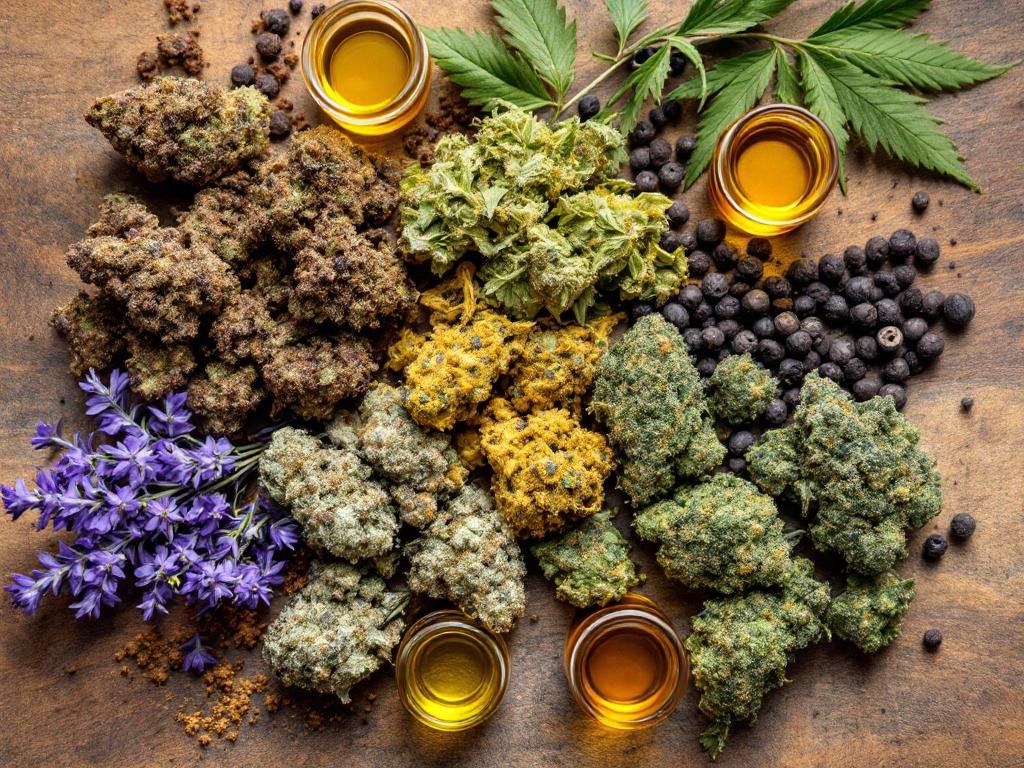
Not every cannabis strain delivers the same pain-relieving benefits. The best strains for pain typically feature specific combinations of cannabinoids and terpenes that work together to provide comprehensive relief. Understanding these profiles helps you choose products that target your particular type of discomfort effectively.
Indica-dominant strains often provide the most significant benefits for chronic pain cannabis users, particularly those dealing with muscle tension, inflammation, or sleep disruption. These strains typically contain higher levels of analgesic terpenes like myrcene, which may contribute to muscle relaxation and sedation. Myrcene-rich strains can be particularly helpful for evening use when you need both pain relief and improved sleep quality.
Key terpenes for pain management include:
- Myrcene: Contributes to muscle relaxation and sedation, particularly helpful for evening use
- Linalool: Offers anti-anxiety and muscle-relaxing properties, helps with emotional and physical tension
- Beta-caryophyllene: Acts as a natural anti-inflammatory compound, may reduce swelling and discomfort
Linalool represents another important terpene for pain management, offering potential anti-anxiety and muscle-relaxing properties. Strains containing linalool may help address the emotional and physical tension that often accompanies chronic pain conditions. Beta-caryophyllene, found in many cannabis varieties, acts as a natural anti-inflammatory compound that may reduce swelling and associated discomfort.
Hybrid strains can offer balanced effects suitable for daytime pain management, providing relief without excessive sedation. These carefully bred varieties often combine the analgesic properties of indica genetics with the mood-lifting effects of sativa strains, creating products suitable for maintaining productivity while managing pain.
“The entourage effect suggests that cannabis compounds work better together than in isolation. For pain management, the combination of cannabinoids and terpenes can provide more comprehensive relief than THC or CBD alone.” – Dr. Raphael Mechoulam, known as the “father of cannabis research”
BudBuddies curates their flower selection to include strains with proven analgesic terpene profiles. Their premium products undergo thorough testing to ensure consistent terpene content, giving you confidence that each purchase will deliver the expected therapeutic effects for your pain management needs.
Finding Your Sweet Spot: Dosing And Administration For Pain Management

Proper pain relief dosage represents one of the most critical aspects of successful cannabis therapy. Starting with minimal amounts and gradually increasing allows you to find the minimum effective dose while avoiding unwanted side effects. This approach, often called “start low and go slow,” helps you discover your personal sweet spot for optimal relief.
Different administration methods offer varying onset times and durations, making them suitable for different pain management scenarios:
- Vaping: Rapid relief within minutes, effects last 2-4 hours, ideal for breakthrough pain
- Sublingual tinctures: Onset within 15-30 minutes, extended duration compared to inhalation
- Edibles: Longer-lasting relief (4-8 hours), suitable for baseline chronic pain management
Vaping provides rapid relief within minutes, making it ideal for breakthrough pain or acute flare-ups. The effects typically last 2-4 hours, allowing for precise timing and easy dose adjustments throughout the day.
Edibles and tinctures offer longer-lasting relief, often providing 4-8 hours of consistent pain management. These methods work well for baseline chronic pain that requires sustained relief throughout daily activities. Sublingual tinctures fall between smoking and edibles in terms of onset time, usually taking effect within 15-30 minutes while offering extended duration compared to inhalation methods.
“Microdosing cannabis for pain allows patients to achieve therapeutic benefits while maintaining functionality and avoiding unwanted psychoactive effects.” – Dr. Dustin Sulak, integrative medicine physician specializing in cannabis
The key to successful dosing lies in maintaining detailed records of what works for your specific condition. Track your pain levels before and after consumption, noting the strain used, dosage amount, administration method, and timing. This information helps you identify patterns and optimise your approach over time.
How often should you reassess your dosing strategy?
Regular evaluation ensures your pain management approach remains effective as your condition or tolerance may change. BudBuddies’ precisely dosed products make this experimentation safer and more predictable, with clear labelling that helps you track exactly what you’re consuming.
Cannabis For Specific Types Of Chronic Pain

Arthritis sufferers often find significant relief through cannabis pain relief, particularly strains with strong anti-inflammatory properties. The combination of CBD’s inflammation-reducing effects and THC’s direct pain relief can help reduce joint stiffness and improve mobility. Many arthritis patients report decreased morning stiffness and improved sleep quality when using cannabis as part of their pain management routine.
Fibromyalgia presents unique challenges due to its widespread nature and associated symptoms like fatigue and sleep disturbances. Cannabis for pain management in fibromyalgia cases often requires products that address multiple symptoms simultaneously. Balanced THC:CBD ratios may help with pain while improving sleep quality and reducing the anxiety that often accompanies this condition.
Neuropathic pain, which results from nerve damage or dysfunction, responds differently to treatment than other pain types. Some research suggests that cannabis may be particularly effective for nerve pain, with certain terpenes potentially helping to calm overactive nerve signals. Patients with conditions like diabetic neuropathy or post-surgical nerve pain may find relief when traditional medications have failed.
Back pain, one of the most common chronic pain conditions, often involves both inflammatory and muscular components. Cannabis strains rich in muscle-relaxing terpenes like myrcene may help reduce spasms and tension while providing general pain relief. The combination of physical comfort and improved sleep can significantly impact quality of life for chronic back pain sufferers.
Which specific condition might benefit most from a personalised cannabis approach?
Each chronic pain condition responds differently to various cannabinoid and terpene profiles, making personalised selection essential. BudBuddies’ diverse product range includes options specifically chosen for their therapeutic potential across different pain conditions, ensuring you can find products suited to your particular needs.
Important Considerations When Using Cannabis For Pain
Consulting healthcare professionals remains essential when incorporating cannabis into your pain management strategy. Medical guidance helps ensure cannabis complements rather than interferes with existing treatments while identifying potential interactions with current medications. Healthcare providers familiar with cannabis can offer valuable insights about dosing, timing, and strain selection based on your specific medical history.
“Cannabis can be an effective adjunct to traditional pain management, but it requires careful integration with existing medical care. Patients should work closely with healthcare providers to optimize dosing and monitor for interactions.” – Dr. Ethan Russo, cannabis researcher and neurologist
Drug interactions represent a significant consideration, particularly for patients taking multiple medications. Cannabis can affect how your liver processes certain drugs, potentially altering their effectiveness or increasing side effects. Blood thinners, seizure medications, and some heart medications may require special attention when combined with cannabis therapy.
Tolerance development can occur with regular cannabis use, potentially requiring dosage adjustments over time. Taking periodic breaks or rotating between different strains may help maintain effectiveness while minimising tolerance buildup. Some patients find that alternating between high-THC and high-CBD products helps prevent tolerance while maintaining consistent pain relief.
Quality control becomes paramount when using cannabis for medical purposes. Inconsistent potency or contaminated products can compromise both safety and effectiveness. Purchasing from reputable sources ensures you receive products that have been properly tested for cannabinoid content, terpene profiles, and potential contaminants like pesticides or heavy metals.
Legal considerations vary by location and continue to evolve. Understanding local laws regarding cannabis possession, use, and cultivation helps ensure compliance while accessing needed medical treatment. Some jurisdictions offer specific protections for medical cannabis users that may not apply to recreational use.
BudBuddies addresses these concerns through rigorous quality control, consistent potency testing, and discreet delivery services. Their commitment to premium products and customer privacy provides peace of mind for medical users while ensuring reliable access to effective pain management solutions.
Conclusion
Cannabis for pain management offers a promising alternative for those seeking relief from chronic discomfort. The science behind how cannabinoids interact with your body’s natural pain regulation systems provides a foundation for understanding why many people find significant benefits from properly selected cannabis products. From specific strain selection to personalised dosing strategies, this comprehensive approach allows for tailored pain management that addresses individual needs and conditions.
The future of chronic pain cannabis therapy looks increasingly bright as research continues to reveal new insights about optimal cannabinoid ratios, terpene effects, and administration methods. BudBuddies remains at the forefront of this evolution, offering premium cannabis flowers, precisely dosed edibles, and convenient THC vapes that support effective pain management strategies.
Success with weed for pain requires patience, careful observation, and access to quality products. By understanding the principles outlined in this guide and working with trusted suppliers like BudBuddies, you can develop an effective cannabis-based pain management approach that improves your quality of life while respecting your need for privacy and convenience.
FAQs
What’s The Difference Between THC And CBD For Pain?
THC and CBD approach pain relief through different mechanisms within your endocannabinoid system. THC binds directly to brain receptors, potentially altering pain perception while providing mood enhancement and anxiety reduction. This direct interaction can offer immediate relief from acute pain episodes while also addressing the emotional distress that often accompanies chronic pain conditions.
CBD for pain works more indirectly, supporting your body’s natural anti-inflammatory responses and helping regulate nerve signal transmission. Rather than producing psychoactive effects, CBD may reduce inflammation at the source of pain while promoting overall nervous system balance. Many users find that combining both compounds in balanced ratios provides superior pain relief compared to using either cannabinoid alone.
How Quickly Does Cannabis Work For Pain?
The onset time for cannabis pain relief depends entirely on your chosen administration method. Vaping or smoking provides the fastest relief, typically beginning within 2-5 minutes and reaching peak effects within 15-30 minutes. This rapid onset makes inhalation methods ideal for managing breakthrough pain or acute flare-ups that require immediate attention.
| Administration Method | Onset Time | Peak Effects | Duration |
|---|---|---|---|
| Vaping/Smoking | 2-5 minutes | 15-30 minutes | 2-4 hours |
| Sublingual Tinctures | 15-45 minutes | 30-60 minutes | 4-6 hours |
| Edibles | 30 minutes-2 hours | 1-3 hours | 4-8+ hours |
Sublingual tinctures offer a middle ground, usually taking effect within 15-45 minutes while providing longer-lasting relief than inhalation methods. Edibles require the longest onset time, often taking 30 minutes to 2 hours to produce noticeable effects, but they provide the most sustained relief, lasting 4-8 hours or more. Planning your dosing schedule around these timelines helps ensure consistent pain management throughout your day.
Can I Build A Tolerance To Cannabis For Pain Relief?
Tolerance development is possible with regular cannabis use, though it affects individuals differently. Some people maintain consistent effectiveness at the same dose for extended periods, while others may need gradual increases over time. The rate of tolerance development often depends on frequency of use, dosage amounts, and individual body chemistry.
Preventing excessive tolerance involves several strategies including taking periodic breaks, rotating between different strains with varying cannabinoid profiles, and using the minimum effective dose rather than maximising consumption. Some patients find that alternating between THC-dominant and CBD-dominant products helps maintain effectiveness while minimising tolerance buildup.
Are There Specific Strains Recommended For Pain Relief?
Certain cannabis strains have developed reputations for exceptional pain-relieving properties based on their cannabinoid and terpene profiles. Indica-dominant strains often provide the most comprehensive pain relief, particularly for conditions involving inflammation, muscle tension, or sleep disruption. Strains high in myrcene, linalool, or beta-caryophyllene may offer enhanced analgesic effects beyond what cannabinoids alone provide.
BudBuddies carefully selects strains based on their therapeutic potential, ensuring their flower selection includes varieties specifically chosen for pain management applications. Their premium products undergo testing to verify cannabinoid and terpene content, giving you confidence that each strain will deliver consistent therapeutic effects for your specific pain management needs.


