


Complete Overview of Terpene Entourage Research (2025)
Cannabis research has reached an exciting crossroads. Scientists are discovering that this remarkable plant operates more like a sophisticated chemical orchestra than a simple collection of isolated compounds. The aromatic molecules known as terpenes, once thought to be merely responsible for cannabis’s distinctive scents, are now recognised as key players in what researchers call the entourage effect.
This concept suggests that cannabis compounds work together synergistically, creating therapeutic benefits that exceed what any single ingredient could achieve alone. Think of it like a master chef’s recipe—removing even one spice changes the entire dish. The same principle applies to cannabis, where terpenes and cannabinoids collaborate to produce more balanced, predictable effects.
Recent terpene entourage research 2025 has provided compelling evidence supporting this theory. Studies from leading institutions reveal that full-spectrum cannabis products, which preserve the plant’s natural compound diversity, consistently outperform isolated cannabinoids in clinical settings. This growing body of research is reshaping how we understand cannabis therapeutics and product selection.
What does this mean for cannabis users seeking optimal experiences? The answer lies in understanding how these molecular partnerships function and choosing products that honour the plant’s natural complexity. As we explore the latest findings, you’ll discover why the cannabis entourage theory has become central to modern cannabis science.
Understanding the Entourage Effect and Terpene Synergy
What Is the Entourage Effect?
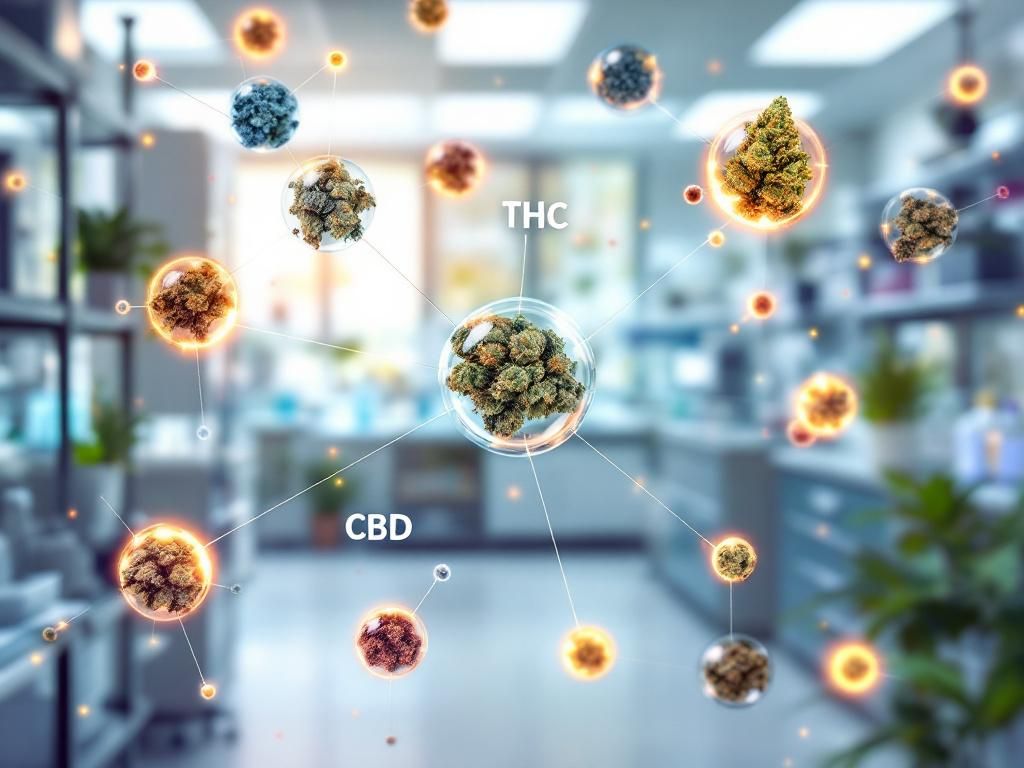
The entourage effect represents one of the most compelling theories in modern cannabis research. This concept proposes that cannabinoids, terpenes, and flavonoids create a collaborative network of interactions that amplify therapeutic benefits beyond what individual compounds can achieve. Dr. Ethan Russo, a prominent neurologist and cannabis researcher, has extensively documented this phenomenon, demonstrating how CBD can moderate THC’s psychoactive intensity while preserving its therapeutic value.
“The cannabis entourage effect describes how cannabinoids and terpenoids work together to produce effects that are greater than the sum of their parts.” – Dr. Ethan Russo, neurologist and cannabis researcher
Consider how terpenes influence this delicate balance. These aromatic compounds don’t simply add fragrance—they actively modify how cannabinoids interact with your body’s endocannabinoid system. Some terpenes enhance cannabinoid absorption across biological membranes, while others modulate receptor activity in ways that can either amplify or temper specific effects. Beta-caryophyllene, for instance, directly activates CB2 receptors, essentially functioning as both a terpene and a cannabinoid.
The mechanism behind terpene cannabinoid synergy involves multiple pathways. Terpenes can influence enzyme activity, alter membrane permeability, and even affect neurotransmitter release. This multi-layered interaction creates what researchers describe as a “sum greater than its parts” effect, explaining why whole-plant extracts often produce more consistent and comprehensive results than isolated compounds.
The Role of Terpenes in Cannabis
Terpenes serve as cannabis’s chemical signature, with over 200 different varieties identified in various strains. These volatile organic compounds evolved as the plant’s defence mechanism against insects, environmental stress, and UV radiation. However, their role extends far beyond protection—they’re active participants in the therapeutic equation.
Myrcene, the most abundant terpene in most cannabis varieties, produces the characteristic earthy, musky aroma associated with indica-dominant strains. Research indicates that myrcene enhances the permeability of cell membranes, potentially allowing cannabinoids to cross the blood-brain barrier more efficiently. This could explain why myrcene-rich strains often produce more pronounced sedative effects.
Limonene brings bright citrus notes while demonstrating remarkable anxiolytic properties in recent studies. When combined with THC, limonene appears to counteract anxiety-inducing effects, creating a more balanced experience. Pinene, with its fresh pine fragrance, has shown bronchodilator properties and may help counteract short-term memory impairment associated with THC consumption.
These examples illustrate how terpene interaction research continues revealing new layers of complexity in cannabis therapeutics. Each terpene contributes unique properties while simultaneously influencing how other compounds behave—a perfect example of the entourage effect in action.
Latest Research Findings on Terpene Entourage (2025)
Evidence Supporting Terpene-Cannabinoid Interactions

The scientific community has made significant strides in validating the entourage effect mechanism through rigorous research methodologies. A groundbreaking study from the University of Arizona Health Sciences demonstrated that specific terpenes can mimic cannabinoid pain-relief properties while amplifying overall analgesic effects when used in combination. This research used both animal models and human tissue samples to establish clear biochemical pathways for terpene-cannabinoid interactions.
Perhaps more compelling is the 2024 collaborative study between Johns Hopkins University and the University of Colorado, which provided the first clinical evidence of limonene’s ability to reduce THC-induced anxiety in human subjects. Participants who consumed THC alongside limonene-rich extracts reported significantly lower anxiety scores compared to those receiving THC isolate. This research represents a milestone in cannabis compound synergy studies, offering concrete proof of the entourage effect in controlled clinical settings.
Recent entourage effect studies 2025 have also examined how terpene ratios influence therapeutic outcomes. Israeli researchers found that specific terpene profiles could predict and enhance treatment responses for chronic pain conditions. Patients using full-spectrum extracts with optimised terpene ratios showed 40% better pain management outcomes compared to those using isolated cannabinoids.
“We’ve found that the whole is truly greater than the sum of its parts when it comes to cannabis therapeutics. The entourage effect isn’t just theory—it’s measurable clinical reality.” – Dr. Dustin Sulak, integrative medicine physician
These findings have profound implications for product development and patient care. They suggest that cannabis therapeutics should focus on preserving and optimising natural terpene profiles rather than pursuing isolated compound approaches.
Therapeutic Potential of Specific Terpenes
Individual terpenes demonstrate remarkable therapeutic potential that extends well beyond their aromatic contributions. Myrcene research has revealed potent anti-inflammatory properties comparable to traditional pharmaceutical agents, but with fewer side effects. Studies indicate that myrcene can reduce inflammatory markers by up to 65% in laboratory settings, making it particularly valuable for conditions like arthritis and inflammatory bowel disease.
Key Therapeutic Terpenes:
• Myrcene: Anti-inflammatory properties, reduces inflammatory markers by up to 65%
• Beta-caryophyllene: Directly activates CB2 receptors, effective for neuropathic pain
• Limonene: Mood elevation, anxiety reduction, potential anti-cancer properties
• Pinene: Memory enhancement, respiratory benefits, increases acetylcholine levels
Beta-caryophyllene stands unique among terpenes due to its ability to directly activate cannabinoid receptors. Recent clinical trials have shown this compound’s effectiveness in managing neuropathic pain, with some patients experiencing relief comparable to prescription medications. Its selective activation of CB2 receptors means it provides anti-inflammatory benefits without psychoactive effects.
Limonene continues surprising researchers with its versatility. Beyond mood elevation and anxiety reduction, new studies suggest potential anti-cancer properties. Laboratory research indicates that limonene may inhibit tumour growth in certain cancer types, though human clinical trials are still needed to confirm these promising preliminary results.
Pinene’s therapeutic profile includes memory enhancement and respiratory benefits that could prove valuable for cognitive decline and respiratory conditions. Research shows that pinene can increase acetylcholine levels in the brain, potentially offsetting short-term memory effects associated with THC consumption while providing neuroprotective benefits.
“The entourage effect represents a paradigm shift in how we understand plant medicine. Each compound contributes to a symphony of therapeutic benefits.” – Dr. Raphael Mechoulam, cannabis research pioneer
These cannabis terpene benefits demonstrate why preserving natural terpene profiles in cannabis products is crucial for maximising therapeutic potential.
Choosing Cannabis Products for the Entourage Effect
Full-Spectrum vs Broad-Spectrum vs Isolate
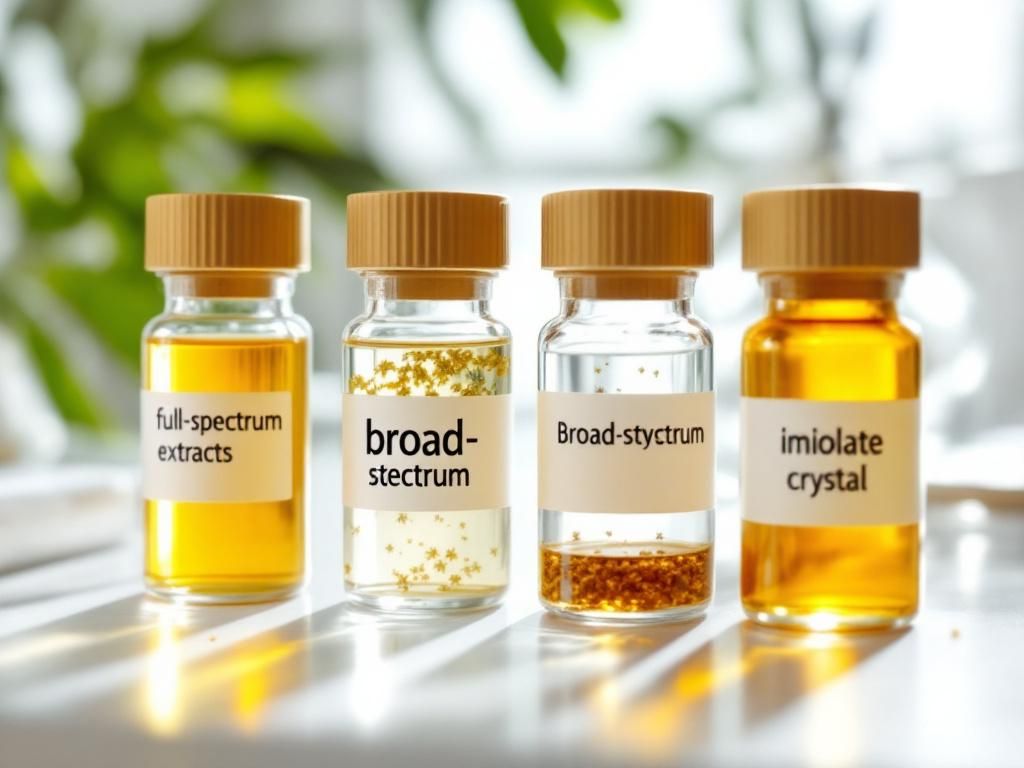
Understanding product types becomes essential when seeking to experience the full benefits of terpene synergy studies. Full-spectrum CBD products contain the complete range of naturally occurring cannabis compounds, including cannabinoids, terpenes, flavonoids, and trace amounts of THC (below 0.2% in the UK). This formulation preserves the plant’s natural chemical relationships, maximising opportunities for entourage effect interactions.
| Product Type | THC Content | Terpenes | Other Cannabinoids | Entourage Effect Potential |
|---|---|---|---|---|
| Full-Spectrum | Up to 0.2% | Preserved | Complete profile | Maximum |
| Broad-Spectrum | 0% | Preserved | Most compounds | Moderate |
| Isolate | 0% | Removed | Single compound | Minimal |
Broad-spectrum products offer a middle ground, retaining most cannabis compounds while removing THC entirely. These formulations appeal to users who want some synergistic benefits but must avoid any THC content due to employment requirements or personal preferences. While broad-spectrum products can still demonstrate entourage effects, they may not achieve the full therapeutic potential observed with complete cannabinoid profiles.
CBD isolate represents the opposite approach—pure cannabidiol with all other compounds removed. While isolates have their place in specific therapeutic applications, they cannot provide the enhanced benefits associated with compound interactions. Research consistently shows that full spectrum entourage products require lower doses to achieve similar therapeutic outcomes compared to isolates, suggesting superior bioavailability and efficacy.
The choice between these options should align with your therapeutic goals, lifestyle requirements, and personal preferences. However, if maximising the entourage effect is your priority, full-spectrum products offer the most comprehensive approach to cannabis therapeutics.
BudBuddies’ Commitment to Quality and Experience
When selecting cannabis products that preserve natural terpene profiles, quality and consistency become paramount considerations. BudBuddies recognises that achieving optimal entourage effects requires meticulous attention to cultivation, processing, and storage practices that maintain compound integrity throughout the supply chain.
Each strain in the BudBuddies collection undergoes careful analysis to ensure terpene profiles remain intact from harvest to delivery. This commitment to preserving natural compound relationships means customers can expect consistent experiences that reflect the full therapeutic potential of their chosen products. Whether selecting flowers, edibles, or THC vapes, every item maintains the delicate balance of cannabinoids and terpenes essential for entourage effect benefits.
The company’s focus on premium quality extends beyond product selection to encompass the entire customer experience. Discreet packaging protects both product integrity and customer privacy, while tracked delivery ensures products reach customers quickly and securely across the UK. This comprehensive approach recognises that preserving terpene profiles requires careful handling at every stage, from cultivation through final delivery.
By prioritising strain-specific quality and maintaining rigorous standards throughout the supply chain, BudBuddies enables customers to experience cannabis as nature intended—with all compounds working in harmony to provide balanced, predictable effects.
Conclusion
The expanding field of terpene entourage research 2025 continues revealing the sophisticated ways cannabis compounds interact to create therapeutic benefits. As scientific understanding deepens, it becomes increasingly clear that the plant’s natural complexity offers advantages that isolated compounds simply cannot match. This growing body of evidence supports the wisdom of choosing full-spectrum products that preserve the intricate relationships between cannabinoids and terpenes.
“As we advance our understanding of cannabis science, it becomes increasingly clear that nature’s complexity offers therapeutic advantages that isolated compounds cannot replicate.” – Dr. Bonni Goldstein, medical cannabis specialist
For cannabis users seeking optimal experiences, these research findings provide valuable guidance for product selection. The synergistic interactions documented in recent studies validate the importance of maintaining natural compound profiles rather than pursuing isolated ingredients. As the cannabis industry evolves, products that honour these natural relationships will likely become the gold standard for therapeutic applications.
BudBuddies remains committed to providing products that reflect this scientific understanding, ensuring customers have access to cannabis experiences that capture the full potential of the entourage effect. By choosing thoughtfully crafted, full-spectrum options, users can benefit from the remarkable complexity that makes cannabis such a unique and valuable therapeutic plant.
FAQs
Does the Entourage Effect Mean Isolated Cannabinoids Are Useless?
Isolated cannabinoids retain therapeutic value and play important roles in specific medical applications where precise dosing or avoiding other compounds is necessary. However, research consistently demonstrates that full-spectrum products typically provide more comprehensive benefits with lower required doses. The entourage effect doesn’t invalidate isolated compounds—it simply suggests that combining them often produces superior outcomes for many therapeutic goals.
How Can I Identify the Terpene Profile of a Cannabis Product?
Reputable cannabis brands provide Certificates of Analysis (COAs) from independent laboratories that detail both cannabinoid and terpene profiles. These documents show exact concentrations of specific terpenes, allowing informed product selection based on desired effects.
How to identify terpene profiles:
1. Request Certificates of Analysis (COAs) from independent laboratories
2. Look for detailed cannabinoid and terpene concentration data
3. Verify the COA tests your specific batch
4. Check that testing is recent and comprehensive
Look for recent COAs that test the actual batch you’re purchasing, as terpene profile analysis can vary between harvests. BudBuddies ensures all products include comprehensive testing documentation for complete transparency.
Can Terpenes Make You Feel High?
Terpenes themselves don’t produce intoxicating effects like THC, but they can influence how you experience cannabis overall. Some terpenes have psychoactive properties—meaning they can affect mood, alertness, or relaxation—without causing euphoria or impairment. When combined with cannabinoids, terpenes may modulate the intensity, duration, or character of effects, but they work more like seasoning in a recipe than primary active ingredients.


