


Cannabis Tourism in Europe: Your Ultimate Guide
Introduction to Cannabis Tourism in Europe
Picture yourself wandering through Amsterdam’s historic canal district, stepping into a centuries-old coffeeshop where the aroma of premium cannabis mingles with rich coffee beans. For those interested in a cannabis tourism Europe guide, this is cannabis tourism at its finest—a growing movement that’s reshaping how enthusiasts explore Europe’s diverse cultural offerings.
Cannabis tourism europe guide enthusiasts are discovering that the continent offers far more than just Amsterdam’s iconic scene. From Malta’s groundbreaking social consumption areas to Germany’s fresh approach to recreational access, Europe presents an evolving tapestry of cannabis-friendly destinations. Each country brings its own flavour to the experience, whether through Spain’s intimate cannabis clubs or Portugal’s progressive decriminalisation policies.
The appeal goes beyond simply accessing cannabis legally. You’re stepping into cultures where cannabis intertwines with local traditions, art scenes, and social movements. These destinations offer educational experiences about different consumption methods, cultivation techniques, and the ongoing legal evolution across the continent. Understanding these nuances becomes essential for anyone planning cannabis travel europe adventures.
What makes European cannabis tourism particularly compelling is the blend of historical significance and modern innovation. You’ll find yourself exploring centuries-old Dutch tolerance policies alongside cutting-edge German legislation passed just months ago. This dynamic environment means every trip offers fresh insights and experiences.
Whether you’re seeking medical cannabis access during travel or simply curious about different cannabis cultures, preparation remains key. Each country maintains distinct legal frameworks, consumption rules, and social customs that shape your experience. Smart planning ensures your journey remains both enriching and legally compliant.
Key Takeaways
- Europe’s diverse legal frameworks across multiple countries
- Medical cannabis travel documentation requirements
- Modern cannabis tourism destinations beyond Amsterdam
Understanding Europe’s Diverse Cannabis Laws

Europe’s cannabis legislation resembles a complex puzzle where each piece represents a different country’s approach to regulation. You’ll encounter everything from complete recreational legalisation to strict medical-only programmes, with numerous variations in between. This patchwork of laws means that your cannabis tourism europe guide must be tailored to each specific destination.
The European Union doesn’t mandate unified cannabis policies, leaving individual member states to craft their own approaches. This flexibility has created a fascinating laboratory of different regulatory models. Some countries prioritise harm reduction through decriminalisation, others focus on medical access, and a growing number embrace adult-use legalisation. Understanding these differences prevents legal complications and helps you choose destinations that align with your interests.
Recent years have brought dramatic changes across the continent. Germany’s decision to legalise recreational cannabis in 2024 marked a watershed moment, while countries like Malta pioneered social consumption models. These developments signal a broader shift in European attitudes, though implementation timelines and specific rules vary considerably.
Legal cannabis countries europe continue expanding their programmes, but enforcement approaches differ widely. Some nations maintain relaxed attitudes toward personal use despite technical prohibitions, while others strictly enforce even minor violations. This complexity makes thorough research essential before travelling.
What complicates matters further is that transit laws apply during your journey. A substance legal in your destination might be prohibited in countries you pass through, including during flight connections. These transit considerations often catch travellers off guard, leading to serious legal complications.
Legalization vs. Decriminalization vs. Medical Use
| Legal Framework | Examples | Personal Possession | Home Cultivation | Public Consumption |
|---|---|---|---|---|
| Full Legalisation | Malta, Germany, Luxembourg | 25-50g allowed | 3-4 plants permitted | Designated areas only |
| Decriminalisation | Portugal, Spain | Administrative penalties | Limited/unclear | Generally prohibited |
| Medical Only | UK, Italy, Poland | Prescription required | Usually prohibited | Private spaces only |
Understanding the three primary legal frameworks helps you navigate european cannabis destinations effectively. Legalisation represents the most permissive approach, where adult-use cannabis enjoys full legal status with regulated sales and consumption. Malta pioneered this model in Europe, followed by Luxembourg and Germany, each implementing unique distribution systems focused on non-profit organisations rather than commercial dispensaries.
Countries with full legalisation typically allow home cultivation within specific limits, personal possession up to designated amounts, and consumption in designated areas or private spaces. Germany permits carrying up to 25 grams publicly and storing 50 grams at home, alongside growing three plants for personal use. These programmes aim to eliminate black market participation while ensuring consumer safety through quality controls.
Decriminalisation takes a different approach by treating cannabis possession as a civil rather than criminal matter. Portugal leads this model, having decriminalised all drugs in 2001, while Spain follows similar principles for personal quantities. Under decriminalisation, you might face administrative penalties or fines rather than criminal prosecution, but sales and public consumption often remain illegal.
Medical cannabis programmes represent the most restrictive legal framework, requiring valid prescriptions and strict documentation. Countries like Italy, Poland, and the UK operate medical-only systems with varying degrees of access and product availability. Travelling with medical cannabis requires extensive preparation and official approvals from both origin and destination authorities.
The Nuances of Cannabis Laws for Tourists
Even in cannabis-friendly destinations, tourist-specific regulations create additional layers of complexity. Amsterdam’s coffeeshops, for instance, operate under a tolerance policy rather than full legalisation. While you can purchase and consume cannabis inside these establishments, taking it outside or consuming publicly can result in fines. The city periodically debates restricting coffeeshop access to residents only, though tourist access remains available for now.
Spain’s cannabis social clubs present another example of tourist limitations. These private associations primarily serve local members, with membership requirements that often exclude short-term visitors. While personal cultivation and consumption remain largely decriminalised, accessing cannabis as a tourist proves challenging without established local connections.
Do you know that Germany’s new laws specifically address tourist considerations? While possession becomes legal for adults, commercial sales remain limited to non-profit social clubs with membership requirements. Tourists can legally possess cannabis but may struggle to obtain it through official channels, creating a grey area that requires careful navigation.
Border crossing represents perhaps the most critical consideration for cannabis travel europe planning. Cannabis laws don’t extend beyond national borders, meaning substances legal in one country become illegal the moment you enter another. Even tiny amounts can trigger serious legal consequences, including arrest, prosecution, and permanent criminal records that affect future travel opportunities.
Top European Cannabis Tourism Destinations
The marijuana tourism destinations across Europe offer distinct experiences reflecting local cultures, legal frameworks, and consumption traditions. These locations range from established hotspots with decades of cannabis tolerance to emerging destinations embracing recent legislative changes. Each provides unique opportunities for cultural immersion and cannabis exploration.
Planning visits to these destinations requires understanding not just the legal landscape but also the social customs and practical considerations that shape your experience. Some locations welcome tourists openly, while others maintain policies that favour local residents. Weather patterns, seasonal events, and local holidays can significantly impact availability and atmosphere at cannabis venues.
The diversity among european cannabis destinations means you’ll find options suited to different preferences and experience levels. Whether you prefer the bustling atmosphere of Amsterdam’s coffeeshops, the intimate setting of Spanish cannabis clubs, or the innovative approaches emerging in recently legalised markets, Europe offers something for every cannabis enthusiast.
Transportation between these destinations requires careful planning due to varying border policies and transit regulations. What works in one country may be strictly prohibited in another, making route planning and consumption timing crucial considerations for multi-destination trips.
Amsterdam, Netherlands: The Enduring Icon
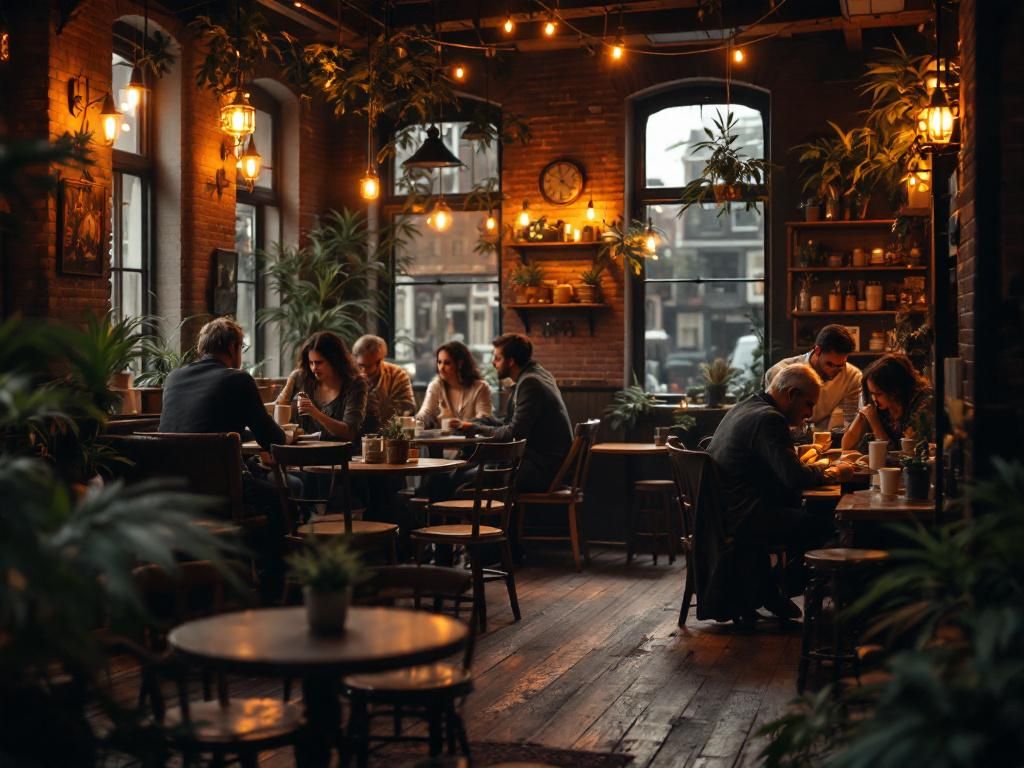
Amsterdam remains the gold standard for weed tourism netherlands, offering visitors an unmatched combination of accessibility, variety, and cultural integration. The city’s coffeeshops have operated for decades under a unique tolerance policy that allows licensed establishments to sell and serve cannabis to adults over 18. This system has created a mature market with experienced staff who can guide you through different strains, consumption methods, and local customs.
The amsterdam coffeeshops scene encompasses over 160 licensed venues, each with its own character and specialties. Some focus on premium flower selections with knowledgeable budtenders, while others emphasise social atmosphere with games, music, and community spaces. Many coffeeshops also serve high-quality coffee, pastries, and light meals, creating comfortable environments for extended visits. Popular establishments include:
- Grey Area – Premium flower selections with expert budtenders
- Barney’s – Social atmosphere with games and community spaces
- The Bulldog – Legendary status among international visitors
Beyond the coffeeshops, Amsterdam offers cannabis-related museums, guided tours, and cultural events that provide deeper insights into Dutch cannabis history and policy. The Hash, Marihuana & Hemp Museum showcases cannabis cultivation, uses, and cultural significance, while specialised tours combine coffeeshop visits with historical education about the city’s progressive drug policies.
Practical considerations for amsterdam coffee shops guide users include understanding consumption etiquette, respecting no-photography policies at many venues, and being aware of tourist-heavy areas where quality and prices may vary. The city’s compact size makes venue-hopping easy on foot or by bicycle, though consuming cannabis while cycling remains illegal and dangerous.
Spain: Cannabis Social Clubs and Decriminalization
Spain cannabis tourism centres around private cannabis social clubs, particularly in cities like Barcelona and Madrid. These associations operate under Spanish constitutional rights to privacy and association, creating member-only spaces where adults can collectively cultivate and consume cannabis. The system represents an innovative approach to cannabis regulation that prioritises community participation over commercial sales.
Barcelona cannabis clubs have gained international attention for their sophisticated operations and welcoming atmospheres. These clubs typically require membership applications, identification verification, and small membership fees. Many clubs feature comfortable lounge areas, educational programmes about cannabis cultivation and consumption, and social events that foster community building among members. The city hosts dozens of established clubs, each with unique membership criteria and cultural focuses.
The legal foundation for these clubs rests on Spain’s decriminalisation of personal cannabis consumption and cultivation in private spaces. Spanish law permits growing cannabis for personal use and sharing it within private associations, creating the legal framework that allows social clubs to operate. However, public consumption, commercial sales, and advertising remain strictly prohibited, making discretion essential for both clubs and members.
Gaining club access as a tourist requires patience and proper introductions, as many clubs prioritise local membership to comply with regulations. Some clubs offer temporary memberships for visitors, while others require references from existing members. Researching club policies, making advance contact, and respecting membership requirements helps ensure successful access to spain cannabis tourism experiences.
Germany: Europe’s New Green Wave
Germany’s cannabis legalisation in April 2024 created the largest legal adult-use market in Europe, fundamentally reshaping the continent’s cannabis landscape. The new law permits adults to possess up to 25 grams in public and 50 grams at home, while allowing home cultivation of up to three plants per adult. This represents a dramatic shift from previous prohibition policies and signals Germany’s commitment to evidence-based drug policy reform.
The german cannabis clubs model emphasises non-profit social consumption associations rather than commercial dispensaries. These clubs can cultivate cannabis for member consumption, with membership limited to 500 people and distribution capped at specific monthly amounts. Berlin has emerged as a particular hotspot for cannabis culture, hosting educational events, policy discussions, and social gatherings that celebrate the new legal framework.
Cities across Germany are adapting to the legal changes at different rates, with some municipalities embracing cannabis culture while others maintain conservative approaches. Berlin, Hamburg, and Munich lead in developing vibrant cannabis communities, while smaller cities and rural areas proceed more cautiously. Understanding local attitudes helps visitors gauge appropriate behaviour and find welcoming venues.
“Germany’s cannabis legalisation represents a paradigm shift that will influence drug policy across Europe for decades to come.” – Dr. Heino Stöver, Professor at Frankfurt University of Applied Sciences and cannabis policy researcher
The implementation of Germany’s new laws continues evolving, with regulations around public consumption areas, club licensing procedures, and tourism considerations still being refined. Early reports suggest strong public support for the policy changes, with surveys indicating majority approval for the legalisation approach. This positive reception bodes well for the continued development of germany cannabis clubs and tourism infrastructure.
Navigating Medical Cannabis Travel from the UK

Travelling internationally with medical cannabis requires extensive preparation and documentation to ensure legal compliance and uninterrupted treatment access. The complexity of medical cannabis travel stems from varying national laws, prescription requirements, and border control procedures that differ significantly across European destinations.
UK medical cannabis patients must navigate both domestic export regulations and destination country import requirements. This dual compliance creates additional administrative burdens but ensures legal protection throughout your journey. The process demands attention to detail, advance planning, and clear communication with healthcare providers and embassy officials.
BudBuddies understands the challenges facing medical cannabis patients who require consistent access to quality products. While our services focus on UK delivery, we recognise that maintaining treatment standards during travel represents a crucial concern for patients accustomed to reliable, discreet service and premium product quality.
Proper preparation prevents travel disruptions and ensures continued access to prescribed medications throughout your trip. The investment in thorough planning pays dividends in reduced stress, legal protection, and successful treatment continuation during travel.
Essential Documentation and Preparation
Medical cannabis travel documentation must be comprehensive and professionally prepared to satisfy border control requirements. Your original prescription serves as the foundation, containing specific details about prescribed products, dosages, and treatment duration. The prescription must use metric measurements and include exact THC content /CBD percentages to match product labelling requirements.
A detailed medical travel letter from your prescribing physician provides additional context and legitimacy for your medication needs. This letter should include your full name and contact information, clinical diagnosis requiring cannabis treatment, complete medication details including international generic names, precise dosage instructions, travel dates and destinations, and a clear statement of medical necessity for the prescribed cannabis products.
All medication must remain in original pharmacy packaging with intact seals, labels, and dispensing information clearly visible. This packaging provides official verification of prescription authenticity and product specifications. Avoid transferring cannabis products to different containers or removing original labelling, as this compromises your ability to prove legitimacy during inspections.
Embassy consultation represents a crucial step often overlooked by travellers. Contact the embassy or consulate of your destination country well before departure to verify their specific requirements for medical cannabis importation. Request written confirmation of acceptable documentation and any additional permits or notifications required. Some countries mandate advance notification or special import permits for controlled substances, regardless of prescription validity.
For extended trips exceeding your normal prescription period, obtain a personal export licence from the UK Home Office. This licence permits carrying larger quantities necessary for longer journeys and provides additional legal protection during international travel. The application process requires several weeks, so plan accordingly for extended travel periods.
Documentation requirements in order:
- Original prescription with metric measurements and exact THC/CBD percentages
- Detailed medical travel letter from prescribing physician
- Original pharmacy packaging with intact seals and labels
- Embassy consultation and written confirmation
- Personal export licence for extended trips (if applicable)
Tips for Discreet and Safe Travel
Discreet travel practices protect your privacy while ensuring medication security throughout your journey. Always pack medical cannabis in carry-on luggage to maintain direct control and immediate access if questioned by security personnel. Never place prescription cannabis in checked baggage, where you lose control and face higher risks of loss or damage.
Use appropriate storage containers to maintain product integrity and minimise odours that might attract unwanted attention. Smell-proof bags or hard cases work well for flower products, while oils should remain upright in sealed plastic bags to prevent leakage. These storage methods demonstrate professionalism and consideration for fellow travellers while protecting your medication.
Airport security interactions require calm, professional behaviour and clear communication. When questioned about your medication, immediately identify it as prescribed cannabis and present your documentation without hesitation. Avoid using colloquial terms like “weed” or “pot,” instead using proper medical terminology that reflects the legitimate nature of your prescription.
For vaporiser devices, follow airline regulations for battery-powered electronics by packing spare batteries in carry-on luggage, ensuring devices are powered off and disconnected, using protective cases to prevent accidental activation, and cleaning devices thoroughly to remove any residue that might complicate security screening.
Maintain a low profile throughout your journey by dressing appropriately, speaking respectfully to officials, keeping documentation organised and easily accessible, and avoiding discussions about cannabis with fellow passengers or in public spaces where conversations might be overheard.
Cannabis and CBD Oil Travel Considerations
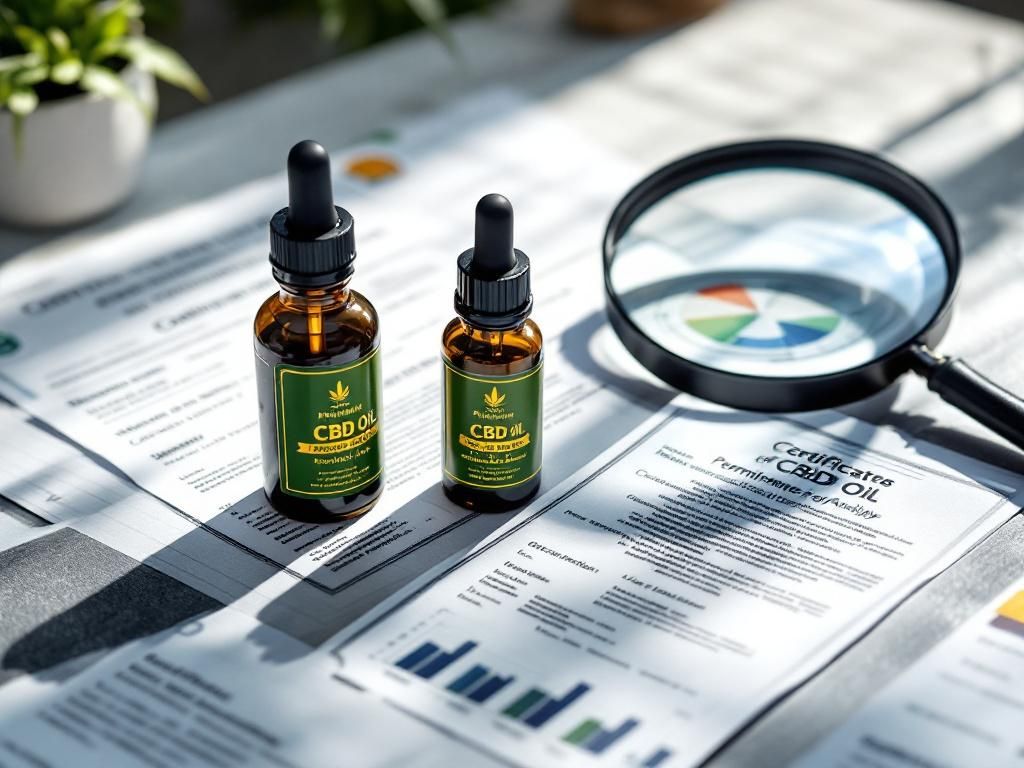
CBD oil travel represents a more accessible option for many travellers seeking wellness benefits without the legal complexities associated with THC-rich cannabis products. The widespread availability of hemp-derived CBD products and their generally favourable legal status across Europe makes them attractive alternatives for maintaining wellness routines during travel.
Understanding CBD oil regulations requires attention to THC content limits, product labelling requirements, and documentation standards that vary between countries. While most European nations permit low-THC CBD products, specific limits and enforcement approaches differ, making research essential for compliance.
The discrete nature of CBD oil makes it ideal for travel wellness routines, fitting easily into standard toiletry collections while providing familiar benefits for stress management, sleep support, and general wellbeing. Unlike THC products, CBD oil rarely attracts attention from security personnel or customs officials when properly documented.
Quality CBD products from reputable sources include proper labelling and certificates of analysis that verify content and purity. These documents provide essential evidence of product legitimacy and legal compliance during travel, particularly when crossing international borders.
Understanding CBD Oil and Its Legal Status
CBD oil derived from industrial hemp contains minimal THC levels that fall below psychoactive thresholds while providing potential wellness benefits. The legal distinction between hemp-derived CBD and cannabis-derived products creates opportunities for legal travel across most European destinations. Hemp cultivation and CBD extraction operate under agricultural rather than controlled substance regulations in most countries.
European Union regulations generally permit CBD products containing less than 0.2% THC, while the UK allows products with up to 1mg of THC per container. Switzerland maintains higher tolerance levels, permitting up to 1% THC in CBD products. These variations require attention to specific country limits when selecting travel-appropriate products.
Certificate of Analysis documentation provides essential verification of CBD product content and purity. These laboratory reports confirm THC levels, CBD concentrations, and the absence of harmful contaminants. Reputable CBD manufacturers provide COAs for their products, which serve as crucial evidence during travel inspections.
Product labelling must clearly identify CBD content, THC levels, and hemp origin to satisfy regulatory requirements. Avoid products with unclear labelling, missing COAs, or suspicious marketing claims that might suggest higher THC content or unverified benefits. Professional labelling indicates legitimate products that comply with legal requirements.
Practicalities for Traveling with CBD Oil
Air travel with CBD oil follows standard liquid restrictions for carry-on luggage, typically limiting containers to 100ml or less. Larger bottles must be packed in checked luggage or transferred to smaller travel-sized containers. Keep original labelling whenever possible to maintain product identification and legal verification capabilities.
Security screening procedures may include additional questions about liquid products in your carry-on baggage. Be prepared to identify CBD oil as a hemp-derived wellness product and present your Certificate of Analysis if requested. Clear, honest communication and proper documentation typically resolve any questions quickly and professionally.
Border crossing procedures vary between countries, though CBD oil generally receives less scrutiny than other cannabis products. Having COA documentation readily available demonstrates preparation and legal compliance. Some countries may require additional declarations or inspections, making advance research valuable for specific destinations.
BudBuddies’ commitment to premium quality and discreet packaging reflects the standards that cannabis enthusiasts expect from their products, whether at home or abroad. While our focus remains on UK delivery, the principles of quality assurance, proper documentation, and customer privacy that define our service mirror the considerations essential for successful CBD travel experiences.
The BudBuddies Advantage for UK Cannabis Enthusiasts
Returning from european weed laws exploration often highlights the importance of consistent, reliable access to premium cannabis products. BudBuddies provides UK cannabis enthusiasts with the quality benchmarks and service standards that make international experiences more meaningful by comparison. Our commitment to premium flower selection, discreet delivery, and customer privacy creates a foundation of trust that enhances your appreciation for global cannabis cultures.
International cannabis tourism exposes you to varying product qualities, service standards, and availability that can be inconsistent or disappointing. BudBuddies eliminates these uncertainties by maintaining rigorous quality controls and reliable supply chains that ensure consistent satisfaction. After experiencing the unpredictability of cannabis tourism, returning to BudBuddies’ dependable service provides welcome relief and reassurance.
Our discrete plain packaging and privacy-first approach align with the discretion that experienced cannabis travellers value most. The same attention to privacy that protects your identity during international travel extends to your domestic cannabis access through BudBuddies. This consistency in service philosophy creates seamless transitions between travel experiences and home consumption.
Same-day and next-day delivery across the UK means you never face the supply uncertainties that can complicate travel planning or post-trip restocking. While cannabis tourism europe guide planning requires extensive research and preparation, your UK cannabis needs remain simple and straightforward with BudBuddies handling the logistics. This reliability lets you focus on planning memorable travel experiences rather than worrying about supply continuity.
The premium quality standards that BudBuddies maintains provide a consistent quality baseline for evaluating international cannabis experiences. Whether you’re sampling amsterdam coffeeshops offerings or exploring emerging german cannabis clubs, having BudBuddies’ quality baseline helps you better appreciate regional differences and identify exceptional products during your travels.
“The patchwork of European cannabis laws creates both opportunities and challenges for tourists, requiring careful navigation of each country’s unique approach.” – Steve Rolles, Senior Policy Analyst at Transform Drug Policy Foundation
Conclusion
Cannabis tourism in Europe offers remarkable diversity for enthusiasts willing to research and prepare thoroughly. From Amsterdam’s established coffeeshop culture to Germany’s innovative social club model, each destination provides unique insights into different approaches to cannabis regulation and culture. Success in cannabis travel europe requires understanding legal frameworks, respecting local customs, and maintaining discretion throughout your journey.
Medical cannabis travel demands meticulous preparation with proper documentation, embassy consultations, and careful attention to both origin and destination requirements. The complexity of international medical cannabis travel makes advance planning essential for maintaining treatment access and avoiding legal complications.
As legal cannabis countries europe continue expanding their programmes and refining regulations, new opportunities for cannabis tourism will emerge. Staying informed about evolving laws, cultural attitudes, and practical considerations ensures that your cannabis tourism experiences remain both enriching and legally compliant.
The combination of careful preparation, cultural respect, and legal awareness creates the foundation for memorable and educational cannabis tourism experiences across Europe.
FAQs
Q1: Which European countries have fully legalized recreational cannabis for adults?
Malta leads Europe in adult-use legalisation, implemented in 2021, followed by Luxembourg in 2023. Germany joined this group in April 2024 with comprehensive recreational legalisation allowing personal possession and home cultivation under specific regulatory frameworks. These countries emphasise social consumption models rather than commercial dispensaries for cannabis distribution.
Q2: Can I travel with my UK medical cannabis prescription to Europe?
Medical cannabis travel from the UK requires extensive documentation including original prescriptions, detailed medical letters from prescribing physicians, and often advance embassy approval from destination countries. Legal requirements vary significantly between European nations, making individual country research and embassy consultation essential for compliance.
Q3: What’s the difference between cannabis coffee shops and cannabis social clubs?
Amsterdam’s coffeeshops operate as licensed commercial establishments where adults can purchase and consume cannabis under tolerance policies. Cannabis social clubs in countries like Spain and Germany function as private, non-profit member associations where participants collectively cultivate and share cannabis for personal consumption among registered members.
Q4: Is CBD oil legal to travel with in Europe?
CBD oil derived from industrial hemp with THC content below 0.2% (EU standard) or 1mg per product (UK standard) is generally legal for travel. Always carry original packaging and Certificates of Analysis verifying THC levels and hemp origin to demonstrate compliance with legal requirements during border crossings and security screenings.


