


How to Make Tolerance Break Tea: Easy Recipes & Tips
What Is a Cannabis Tolerance Break and Why Take One?

A tolerance break, commonly called a T-break, represents a conscious decision to pause cannabis consumption temporarily. During this time, many find it helpful to explore tolerance break tea recipes that can support relaxation and stress management. This break allows your body’s endocannabinoid system to recalibrate, particularly the CB1 receptors that THC binds to most readily. For more information on how cannabis interacts with your body, read our guide on the best weed endocannabinoid system. Regular cannabis use can reduce these receptors’ sensitivity or decrease their overall numbers, creating a situation where you need increasingly larger amounts to achieve the same effects.
Cannabis studies demonstrate that CB1 receptor levels begin recovering within just a few days of abstinence. After approximately four weeks without cannabis, these receptors typically return to near-baseline levels. This biological reset means your tolerance naturally decreases during the break period.
“The endocannabinoid system requires time to recalibrate after regular cannabis use. Supporting the body with gentle herbs during this process can significantly improve the tolerance break experience.” – Dr. Jordan Tishler, Harvard-trained physician and cannabis specialist
Why would someone choose to take a tolerance break? The benefits extend far beyond simple receptor recovery. Many users report improved mental clarity and reduced brain fog after stepping away from regular cannabis use. Sleep patterns often normalize, and some people experience enhanced energy levels throughout the day.
From a practical standpoint, tolerance breaks can significantly reduce your cannabis expenses. When you resume consumption after a successful T-break, you’ll need considerably less product to achieve your desired effects. This makes your cannabis budget stretch much further while potentially improving the quality of your experiences.
Taking regular tolerance breaks also demonstrates a balanced approach to cannabis consumption. It helps prevent the development of problematic usage patterns and maintains a healthier relationship with the plant. Many experienced users incorporate scheduled T-breaks into their routine as a form of self-care and responsible consumption practice.
Key Takeaways
- Your cannabinoid receptors get a much-needed reset during abstinence periods. This biological process makes your future cannabis experiences more effective and often more enjoyable. The recovery happens gradually, with noticeable improvements appearing within the first week of your break.
- Mental clarity typically improves as brain fog lifts during tolerance breaks. You might notice better focus during work tasks, improved memory recall, and sharper decision-making abilities. These cognitive benefits often motivate people to extend their breaks longer than originally planned.
- Financial savings become apparent almost immediately after resuming cannabis use. Your tolerance will be significantly lower, meaning a small amount produces effects that previously required much larger doses. This cost-effectiveness makes tolerance breaks particularly appealing for regular users who want to optimize their spending.
- Herbal tolerance break tea recipes create a supportive ritual during your abstinence period. These soothing beverages help manage common symptoms like irritability or sleep difficulties. The act of brewing and sipping tea provides a mindful replacement for previous cannabis routines.
The Role of Tea in Supporting Your Tolerance Break
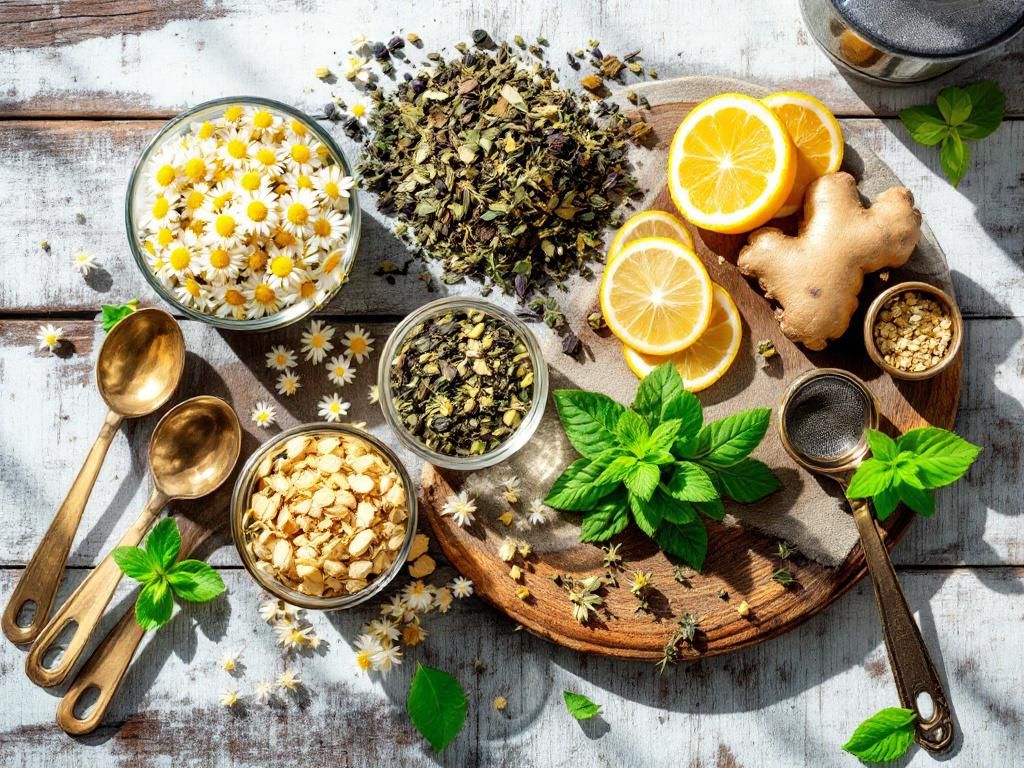
Tolerance break tea serves a unique supportive function during your abstinence period, though it won’t magically flush THC from your system or instantly reset your tolerance. These specially crafted herbal blends focus on providing comfort and relief from common T-break symptoms like restlessness, digestive discomfort, sleep disturbances, and mild anxiety. Think of tolerance break tea as a gentle companion during your reset journey rather than a quick fix.
The distinction between detox teas and tolerance break teas matters significantly. Commercial “weed detox teas” often contain diuretics or laxatives marketed to help pass drug tests, but they don’t actually remove cannabinoids from fat cells where THC metabolites are stored. Tolerance break tea recipes, however, emphasize supportive care and comfort during your natural detox process.
CBD hemp tea represents one of the most popular tolerance break tea options. Made from high-quality hemp containing trace THC levels, CBD tea provides gentle, non-psychoactive relaxation without interfering with your receptor reset. The anti-inflammatory and calming properties of CBD can help ease the transition away from regular THC consumption. When sourcing hemp for your tea, quality matters tremendously. BudBuddies’ commitment to premium, consistent cannabis products exemplifies the attention to quality you should seek in all hemp-derived ingredients.
Calming herbal teas form the foundation of most tolerance break tea recipes. Chamomile contains apigenin, a compound that binds to benzodiazepine receptors to promote relaxation and better sleep. Valerian root offers more potent sedative effects, making it particularly helpful for severe insomnia during the first weeks of abstinence. Lavender’s natural anxiolytic properties help reduce the restlessness many people experience when adjusting to life without THC. Lemon balm works especially well for irritability and mood fluctuations common in early T-break days.
Digestive support becomes crucial during tolerance breaks, as many users experience appetite changes or stomach discomfort. Peppermint tea soothes nausea and provides refreshing relief from headaches. Fresh ginger tea offers powerful anti-inflammatory benefits while settling upset stomachs and reducing bloating. These digestive aids help your body adjust to changes in eating patterns that often accompany reduced cannabis use.
Energy-supporting teas can combat the fatigue some people feel during tolerance breaks. Different ginseng varieties provide varying effects – Asian ginseng tends to be more energizing, while American ginseng offers calming energy without jitters. Green tea delivers antioxidants alongside gentle caffeine and L-theanine, promoting alert calmness without disrupting sleep patterns when consumed earlier in the day.
How long should your tolerance break last? Most experts recommend at least two to four weeks for significant receptor recovery, though some people benefit from shorter or longer periods depending on their usage patterns and goals.
Easy Tolerance Break Tea Recipes to Try
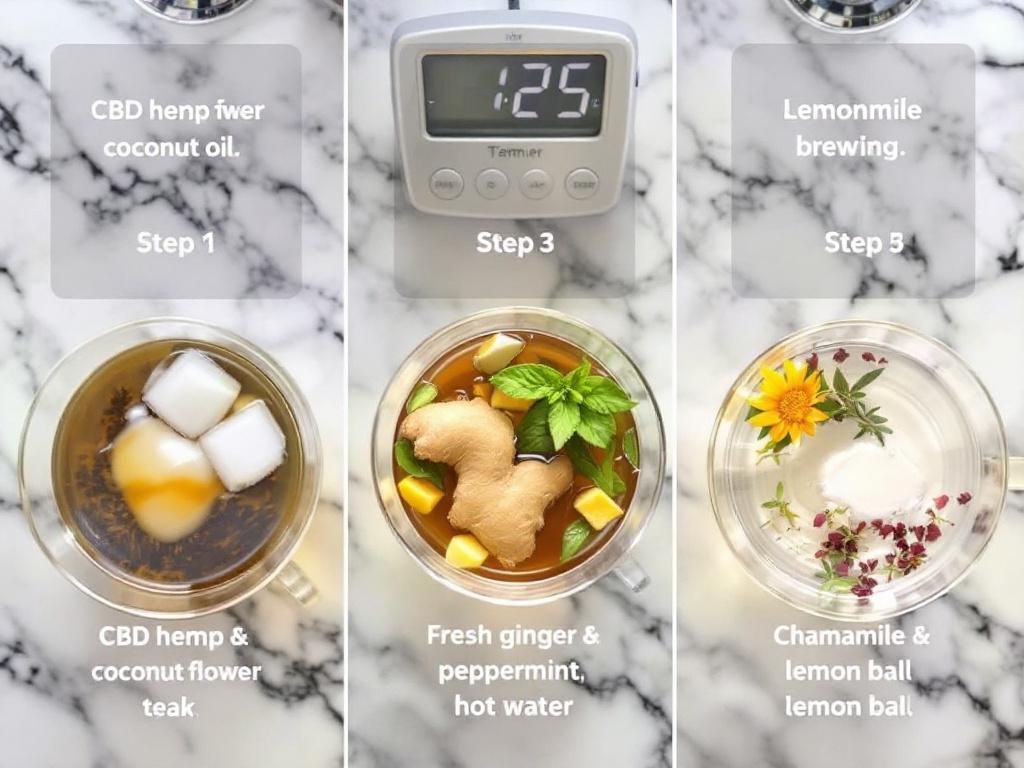
Creating your own tolerance break tea blends transforms a challenging period into an opportunity for mindful self-care. These carefully crafted recipes address specific aspects of the T-break experience while providing delicious, comforting beverages. Each recipe can be customized to your taste preferences and specific needs during your cannabis abstinence period.
The beauty of homemade tolerance break tea lies in controlling every ingredient. You’ll know exactly what goes into each cup, ensuring quality and potency that commercial tea bags simply can’t match. Start with small batches to test flavour profiles before making larger quantities.
Creating your own tolerance break tea blends transforms a challenging period into an opportunity for mindful self-care. Explore other herbal blends.
| Recipe | Main Ingredients | Water Temp | Steep Time |
|---|---|---|---|
| CBD Hemp Tea | 1-2 tsp CBD hemp flower, 1 tsp coconut oil | 93°C (200°F) | 5-10 minutes |
| Ginger-Peppermint | ½ tsp fresh ginger, peppermint leaves | 95°C (203°F) | 5 minutes |
| Chamomile & Lemon Balm | 1 tsp chamomile, ½ tsp lemon balm | 90-95°C (194-203°F) | 5-10 minutes |
CBD Hemp Tea: The Soothing Ritual
This CBD hemp tea recipe helps maintain a sense of routine while supporting your body’s natural healing processes during your tolerance break. The ritual of preparation can replace previous cannabis consumption habits with a healthier alternative.
Begin with one to two teaspoons of high-quality CBD hemp flower, either loose leaf or coarsely ground. The quality of your hemp dramatically impacts both flavour and effectiveness. BudBuddies’ dedication to premium cannabis products highlights why ingredient quality matters so much in any hemp-derived preparation. Use 200-250 ml of filtered water heated to just below boiling point, around 93°C or 200°F. Water that’s too hot can destroy delicate terpenes that contribute to the therapeutic effects.
Add one teaspoon of coconut oil or a splash of whole milk to enhance bioavailability, as cannabinoids are fat-soluble compounds. Place the hemp in a teapot or cup with the fat source, then pour the hot water over everything. Cover and steep for five to ten minutes depending on desired strength. Longer steeping produces a more potent cup but may increase bitterness. Strain out all plant material thoroughly before adding natural sweeteners like honey or agave syrup. A slice of fresh lemon or dash of citrus zest brightens the earthy hemp flavours beautifully.
Ginger-Peppermint Digestive Tea
Digestive discomfort often accompanies the early stages of a tolerance break as your body adjusts to changes in appetite and eating patterns. This refreshing blend combines ginger’s anti-inflammatory properties with peppermint’s soothing digestive effects.
Use half a teaspoon of freshly grated ginger root for the best flavour and potency. Fresh ginger provides more active gingerols than dried powder versions. Add a handful of fresh peppermint leaves or one small peppermint tea bag to balance the ginger’s heat with cooling menthol. Bring 200-250 ml of filtered water to a rolling boil at around 95°C.
Place the grated ginger and peppermint in your cup, then pour the hot water over the herbs. Cover and steep for exactly five minutes to achieve the ideal balance between ginger’s warmth and peppermint’s coolness. Strain carefully to remove all ginger pieces, which can become overpowering if left in the tea. Sweeten with raw honey if desired, as honey adds additional soothing properties for digestive upset. This blend works particularly well after meals or when experiencing nausea.
Calming Chamomile & Lemon Balm Blend
Evening relaxation becomes especially important during tolerance breaks when sleep patterns may be disrupted. This gentle floral blend combines two of the most researched calming herbs for a truly restorative bedtime tea.
Combine one teaspoon of dried chamomile flowers with half a teaspoon of dried lemon balm in a tea infuser or directly in your cup. Heat 200-250 ml of filtered water to 90-95°C, slightly cooler than boiling to preserve the delicate volatile oils in both herbs. Pour the water over the herbs and steep for five to ten minutes, adjusting time based on your preference for strength.
The longer steeping time allows more of chamomile’s apigenin and lemon balm’s rosmarinic acid to extract into the water. Strain thoroughly if using loose herbs, then add honey or agave syrup for subtle sweetness that complements the floral notes. This blend offers a delicate, soothing flavour profile that helps ease both physical tension and racing thoughts before bedtime.
The Science Behind Your Tolerance Break Tea

Understanding the scientific principles behind effective tolerance break tea brewing helps you maximize the therapeutic potential of every cup. These aren’t just folk remedies – there’s solid research supporting how proper preparation techniques enhance the bioavailability and effectiveness of herbal compounds.
Cannabinoid extraction requires special attention to the fat-soluble nature of compounds like CBD. Unlike water-soluble vitamins or minerals, cannabinoids need fats to be properly absorbed by your digestive system. This is why adding coconut oil, whole milk, or even a small amount of butter during brewing is essential rather than optional. The fat molecules bind with cannabinoids, creating complexes your intestines can actually absorb. Without this fat component, much of the CBD in your hemp tea would pass through your system unused.
Temperature control plays a crucial role in preserving beneficial compounds while extracting others. Water heated to 93°C (200°F) provides the ideal balance for cannabinoid and terpene extraction without degrading heat-sensitive components. Terpenes like limonene, pinene, and myrcene contribute both to flavour and therapeutic effects through what researchers call the “entourage effect.” Boiling water can volatilize these delicate molecules, reducing both taste and potency.
“The entourage effect demonstrates why whole-plant preparations often provide superior therapeutic outcomes compared to isolated compounds.” – Dr. Ethan Russo, neurologist and cannabis researcher
Steeping time affects both flavour development and compound extraction. A five to ten minute steep allows sufficient time for cannabinoids to dissolve into the fat-water mixture while preventing excessive tannin extraction that creates bitter, astringent flavours. Professional tea tasters often recommend covering your cup during steeping to prevent aromatic compounds from escaping with the steam.
The entourage effect becomes particularly relevant when crafting herbal tolerance break tea blends. This phenomenon describes how different plant compounds work synergistically to produce effects greater than the sum of their parts. For example, combining CBD with chamomile’s apigenin and lemon balm’s rosmarinic acid may provide enhanced calming effects compared to any single compound alone.
For non-cannabis herbs, hot water extraction pulls beneficial phytochemicals like flavonoids from chamomile, gingerols from fresh ginger, and ginsenosides from ginseng root. These bioactive compounds interact with various receptor systems in your body to provide their specific therapeutic effects. Proper water temperature and steeping time ensure optimal extraction without destroying heat-sensitive vitamins and antioxidants.
Research published in the Journal of Ethnopharmacology confirms that brewing temperature significantly impacts the antioxidant capacity of herbal teas. Lower temperatures preserve more delicate compounds, while higher temperatures extract more robust plant alkaloids and phenolic compounds.
Practical Tips for Maximising Your Tolerance Break
Success during your cannabis tolerance break depends largely on the supportive habits and routines you establish. These practical strategies help transform what might feel like deprivation into an opportunity for growth and improved well-being. BudBuddies champions responsible cannabis consumption, and these evidence-based weed tolerance break tips align with that philosophy of mindful, intentional use.
- Establish consistent tea rituals at specific times for brewing and enjoying your tolerance break tea blends, perhaps first thing in the morning and again in early evening. This predictable routine provides comfort and something to look forward to during challenging moments. Many people find that the meditative process of grinding herbs, heating water, and steeping tea becomes as valuable as drinking the finished product.
- Consider gradual reduction rather than abrupt cessation often proves more sustainable than stopping cannabis consumption abruptly. Consider tapering your intake over several days or weeks leading up to your full tolerance break. Use our weed tolerance calculator to find your limits. During this transition period, substitute some of your usual cannabis sessions with herbal tea preparation and consumption. This approach minimizes withdrawal symptoms while establishing new habits that support your break goals.
- Maintain proper hydration with at least eight glasses of water daily becomes even more critical during tolerance breaks, as your body works to process and eliminate stored cannabinoids. Beyond your therapeutic teas, aim to consume at least eight glasses of pure water daily. Proper hydration supports natural detoxification processes, reduces headaches, and helps maintain stable energy levels. Many people notice significant improvements in skin clarity and digestive function when they increase water intake during their T-break.
- Incorporate regular physical activity amplifies the benefits of your tolerance break while providing natural mood elevation. Regular exercise increases circulation, supports lymphatic drainage, and releases endorphins that help counteract any mood dips during early abstinence. Even gentle activities like walking, stretching, or yoga can make a substantial difference in how you feel throughout your break.
- Practice mindfulness techniques during tea consumption complement your tea rituals beautifully while supporting mental clarity and emotional balance. Consider incorporating brief meditation sessions, deep breathing exercises, or journaling while you sip your herbal blends. These practices help process any emotions that arise during your break while developing skills that enhance your overall well-being beyond the T-break period.
- Prioritise quality sourcing of ingredients makes a tremendous difference in the effectiveness of your tolerance break teas. Just as BudBuddies prioritizes premium, lab-tested cannabis products with discrete packaging and reliable UK-wide delivery, you should seek organic, third-party tested herbs from reputable suppliers. High-quality ingredients not only taste better but also provide more consistent therapeutic effects without unwanted contaminants or adulterants.
- Maintain proper sleep hygiene becomes particularly important when your usual sleep aid (cannabis) is temporarily unavailable. Create an optimal sleep environment by keeping your bedroom cool, dark, and quiet. Limit screen time for at least an hour before bed, and establish a calming bedtime routine that includes your evening tolerance break tea. Many people find that chamomile or valerian-based blends consumed 30-60 minutes before desired sleep time provide gentle sedation without morning grogginess.
What happens if you experience severe withdrawal symptoms? While cannabis withdrawal is typically mild, some heavy users may experience more intense symptoms like severe insomnia, significant anxiety, or loss of appetite that interferes with daily functioning.
Frequently Asked Questions (FAQs)
What Exactly Is a “Tolerance Break Tea“?
Tolerance break tea encompasses specially formulated herbal blends designed to support your well-being during cannabis abstinence periods. These teas typically combine non-psychoactive ingredients like CBD hemp, chamomile, lemon balm, and digestive herbs to help manage common T-break symptoms such as irritability, sleep disruption, and appetite changes. The goal is providing comfort and maintaining healthy routines while your cannabinoid receptors reset naturally. Unlike commercial detox products, tolerance break tea focuses on supportive care rather than promising unrealistic cleansing effects.
Can Tolerance Break Tea Speed Up THC Detox?
Tolerance break teas cannot directly accelerate THC elimination from your system or flush cannabinoid metabolites from fat cells where they’re stored. THC detoxification depends primarily on individual factors like metabolism, body composition, exercise levels, and most importantly, time since last consumption. However, certain herbal teas may support your body’s natural detoxification processes through improved hydration, antioxidant support, and digestive health. Green tea, for example, contains compounds that support liver function, while milk thistle has been traditionally used for hepatic support, though these effects are gentle and gradual rather than dramatic.
What Are the Best Herbs for a Tolerance Break Tea?
The most effective herbal tea for tolerance break recipes include chamomile and passionflower for anxiety and sleep support, valerian root for more potent sedative effects, and lavender for general relaxation. Digestive herbs like peppermint, ginger, and fennel help address appetite changes and stomach discomfort common during T-breaks. CBD hemp provides gentle, non-psychoactive effects without interfering with receptor reset. Adaptogenic herbs like ashwagandha and tulsi (holy basil) may help manage stress responses, while ginseng varieties can support energy and cognitive function. The key is combining herbs that address your specific symptoms rather than using a one-size-fits-all approach.
Conclusion
A cannabis tolerance break represents more than just abstaining from THC – it’s an opportunity to reset your relationship with cannabis while supporting your overall well-being. Through carefully crafted tolerance break tea recipes, you can transform what might feel like a challenging period into a nurturing journey of self-discovery and improved health habits.
The herbal blends explored in this guide offer genuine support for common T-break challenges. Whether you’re sipping a soothing CBD hemp tea, enjoying a digestive ginger-peppermint blend, or winding down with chamomile and lemon balm, each cup provides targeted relief while maintaining comforting routines. The science behind proper brewing techniques ensures you’re extracting maximum therapeutic benefit from every ingredient.
Remember that quality matters tremendously in both your cannabis products and your supportive herbs. Just as BudBuddies delivers premium cannabis with discreet packaging and reliable UK-wide delivery, sourcing high-quality, organic herbs for your tolerance break teas ensures optimal results. For fast weed delivery UK, check out our services. The investment in quality ingredients pays dividends in both flavour and effectiveness.
“Taking periodic tolerance breaks demonstrates a mature approach to cannabis consumption and often leads to more meaningful experiences when use is resumed.” – Dr. Michael Verbora, cannabis physician
Your tolerance break journey is deeply personal, and these tea recipes provide flexible tools you can customize to your specific needs and preferences. By combining herbal support with healthy lifestyle practices like proper hydration, gentle exercise, and mindfulness, you’re creating a foundation for more balanced cannabis consumption when you’re ready to resume.
Embrace this period of reset as an investment in your future cannabis experiences. The patience and self-care you demonstrate during your tolerance break will be rewarded with enhanced sensitivity, reduced tolerance, and often a deeper appreciation for the effects you seek from cannabis. Each cup of tolerance break tea brings you one step closer to that renewed relationship with the plant.

