


Hempcrete Sustainability Benefits You Should Know
Building materials account for a massive chunk of construction’s environmental impact. You probably know that traditional concrete alone produces around 8% of global carbon emissions. That’s where hempcrete steps in as a fascinating alternative, offering significant hempcrete sustainability benefits that actually helpshelp fight climate change rather than contribute to it.
Hempcrete is a bio-composite material made from hemp hurds (the woody core of hemp stalks), lime binder, and water. This mixture creates a lightweight, breathable material that serves as both insulation and wall infill. Unlike conventional concrete blocks, hempcrete works with natural processes to regulate moisture and temperature while storing carbon for decades.
What makes this material so special for eco friendly construction? Hemp grows incredibly fast, requires minimal resources, and absorbs carbon dioxide as it develops. When you build with hempcrete, you’re essentially locking that captured carbon into your walls for the entire lifespan of the building. The hempcrete sustainability benefits extend far beyond just carbon storage, offering natural insulation, pest resistance, and healthier indoor air quality.
This natural building approach is gaining serious momentum across the UK. Architects and builders are discovering that sustainable building materials like hempcrete don’t require you to compromise on performance or durability.
Carbon Sequestration Makes Construction Work for the Climate
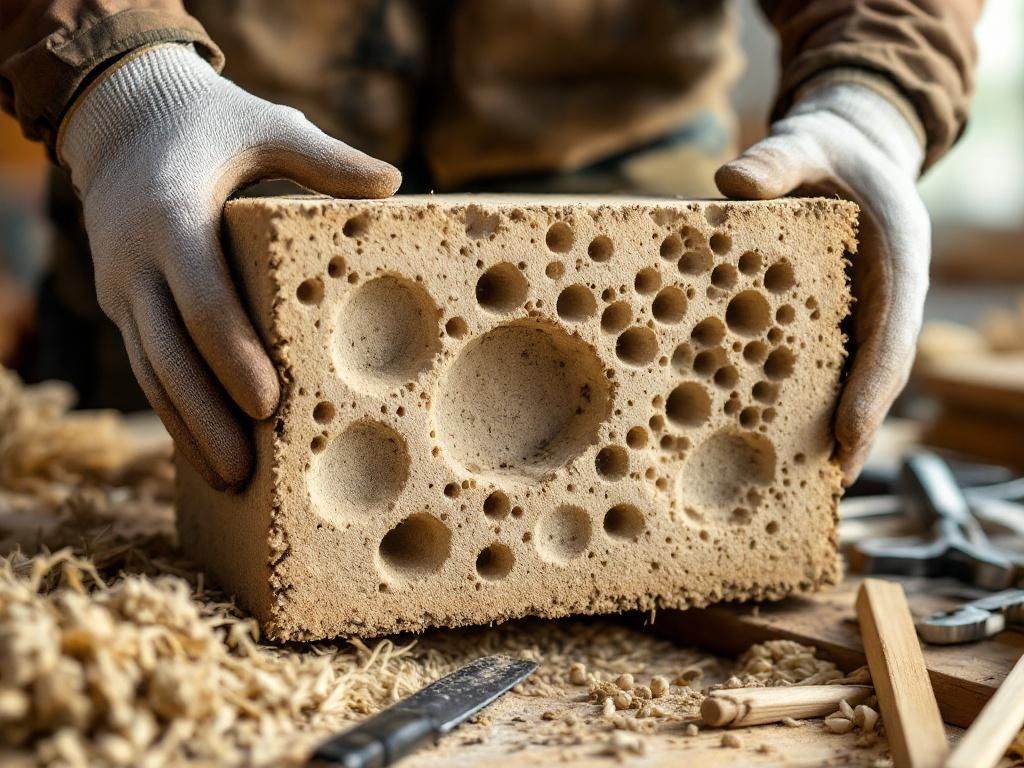
Hemp plants are carbon-absorbing machines. During their 120-day growing cycle, these plants capture between 8 to 15 tonnes of CO₂ per hectare through photosynthesis. Once harvested and mixed into hempcrete, that carbon stays locked within the material’s structure permanently.
Here’s where the numbers get impressive. A single cubic meter of hempcrete sequesters approximately 110 kilograms of CO₂. If you’re building a typical home using 50 cubic meters of this material, you’re effectively removing over 5.5 tonnes of carbon dioxide from the atmosphere. That carbon remains trapped in your walls, floors, and roof systems throughout the building’s entire lifecycle.
This creates what experts call carbon negative construction. Rather than adding to atmospheric carbon levels, hemp-lime construction actually reduces them. Traditional cement production, by contrast, releases roughly one tonne of CO₂ for every tonne of cement produced. When you compare these approaches, the environmental advantage becomes crystal clear.
The carbon absorption process works in stages:
- Hemp plants capture 8-15 tonnes of CO₂ per hectare during 120-day growing cycle
- Carbon becomes locked in hempcrete structure permanently
- Single cubic meter sequesters approximately 110kg of CO₂
- Typical home removes 5.5+ tonnes from atmosphere
Does this mean every new building could become a carbon sink?
The carbonation process that happens over time actually strengthens hempcrete. As the lime binder slowly reacts with atmospheric CO₂, the material becomes harder and more durable. You’re essentially building with a material that improves with age while continuing to sequester additional carbon from the air.
“Hemp-lime composite materials represent one of the few building materials that actually improve with age while continuing to sequester carbon,” – Professor Steve Allin, International Hemp Building Association
Hemp Creates a Closed-Loop System for Sustainable Materials

Hemp cultivation requires remarkably few inputs compared to other construction materials. This annual crop grows in almost any climate, matures in just four months, and needs minimal water or pesticides to thrive. Many hemp farmers report that their soil actually improves after growing hemp, as the deep roots help break up compacted earth and add organic matter.
The entire hemp plant gets used efficiently:
- Fibers: textiles, rope, paper
- Seeds: oil and protein
- Hurds: building blocks and cast-in-place walls
This efficient use of the whole plant means less agricultural waste and more value from each harvest.
“Hemp construction represents a paradigm shift toward regenerative building practices that actually improve environmental conditions,” – Kevin McCloud, sustainable architecture advocate
At the end of a building’s life, hempcrete components are completely biodegradable. You can compost old hempcrete or use it as soil amendment. There’s no toxic waste heading to landfills, no complex recycling processes required. The material returns to the earth as naturally as it came from it.
Local hemp cultivation is expanding across the UK, reducing transportation emissions and supporting regional economies. Some regions are seeing hemp grown specifically for construction applications, creating new opportunities for farmers and strengthening local supply chains for green building solutions.
What other building material actually improves the soil where it’s grown?
The water requirements for hemp are particularly impressive. While cotton might need 2,000 liters of water per kilogram of fiber, industrial hemp typically needs just 300-500 liters for the same output. This efficiency extends throughout the production chain, from field to finished building material.
Natural Insulation Performance Reduces Energy Consumption

Hempcrete’s cellular structure creates excellent thermal performance without synthetic foam or fiberglass. The natural porosity traps air, providing insulation values that keep homes comfortable year-round. This thermal mass effect means hempcrete walls absorb excess heat during warm days and release it slowly when temperatures drop.
Energy consumption drops significantly in hempcrete buildings. Studies show heating and cooling costs can decrease by 50-70% compared to conventionally insulated structures. The material’s breathable nature prevents the thermal bridging problems common with other insulation materials, maintaining consistent temperatures throughout the building envelope.
The hygrothermal properties of hemp-lime insulation work particularly well in the UK’s variable climate. The material absorbs excess moisture during humid periods and releases it when conditions become drier. This natural moisture regulation prevents condensation problems that can lead to mold growth or structural damage in traditional buildings.
Retrofit applications show especially promising results. Adding hempcrete insulation to existing walls can dramatically improve energy efficiency while maintaining the breathability that older buildings need. Historic buildings often benefit from hemp fiber construction because it works with the existing masonry rather than fighting against natural moisture movement.
How much could you save on heating bills with properly installed natural insulation materials?
The thermal lag effect means indoor temperatures remain stable even when outdoor conditions fluctuate rapidly. This thermal mass hempcrete advantage reduces the cycling of heating and cooling systems, extending equipment life while maintaining comfort.
Versatile Applications Support Different Building Types
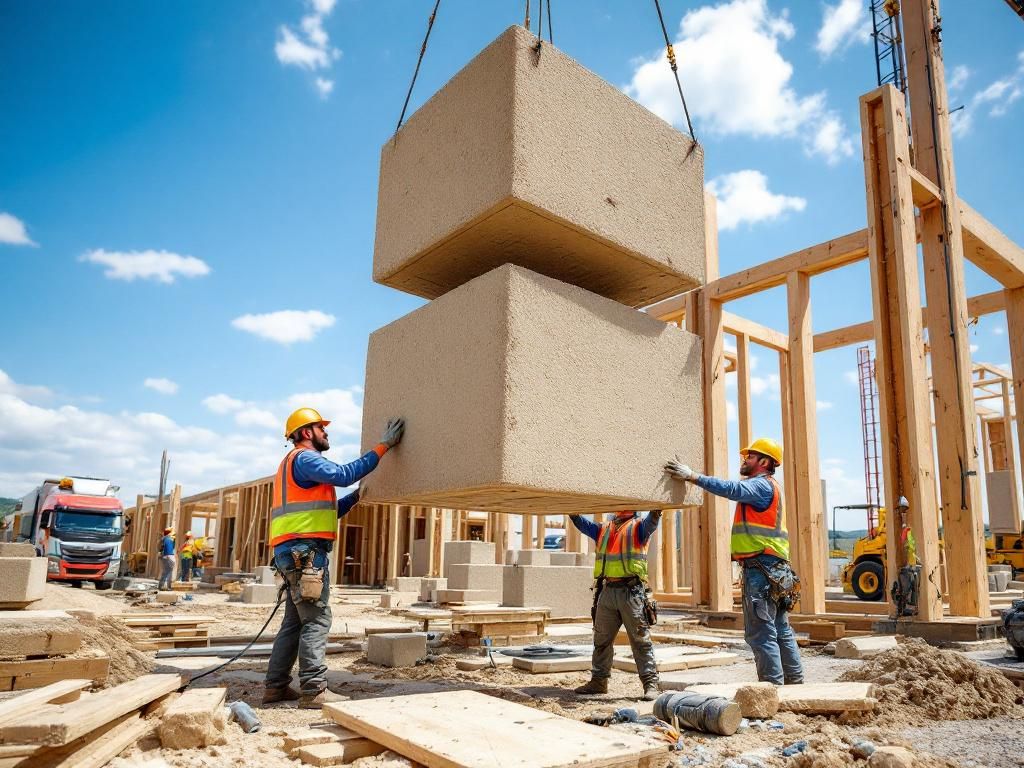
Hempcrete supports various application types:
- Hemp building blocks for faster construction
- Monolithic walls for custom applications
- Floor and roof insulation systems
- Renovation and retrofit projects
- Agricultural buildings
Hemp building blocks are making construction faster and more consistent. These prefabricated units come in standard sizes, allowing builders to stack them like oversized Lego blocks between timber or steel frames. The blocks maintain all the insulation and moisture-regulating benefits of cast-in-place hempcrete while speeding up construction timelines.
Monolithic hempcrete walls remain popular for custom applications. Builders mix the hemp, lime, and water on-site, then form it directly between structural frames. This approach works well for curved walls, unusual shapes, or situations where standard block sizes don’t fit the design requirements.
Floor and roof applications provide additional opportunities for carbon negative construction. Hempcrete can insulate above and below living spaces, creating thermal barriers that reduce heat transfer through the building envelope. The lightweight nature means less structural load while maintaining excellent insulation performance.
Renovation projects often find hempcrete particularly valuable. The material bonds well with existing masonry and timber, making it suitable for upgrading older buildings. The vapor-permeable insulation allows historic structures to continue breathing while dramatically improving energy efficiency.
Could your next home improvement project actually help fight climate change?
Agricultural buildings represent a growing application area. Barns, storage facilities, and livestock housing benefit from hempcrete’s moisture regulation and pest resistance. The natural materials create healthier environments for both stored goods and animals.
Health Benefits Create Better Indoor Environments

Indoor air quality improves dramatically in hempcrete buildings. Hempcrete provides multiple health advantages:
- No VOCs, formaldehyde, or chemical off-gassing
- Natural moisture regulation prevents mold/mildew
- Fire resistance with no toxic fumes
- Natural pest resistance
- Sound dampening properties
The material contains no volatile organic compounds (VOCs), formaldehyde, or other chemical off-gassing that’s common in synthetic insulation materials. You breathe cleaner air from day one, with no concerns about chemical exposure over time.
“We’re seeing measurable improvements in respiratory health among occupants of hemp-lime buildings, particularly those with existing sensitivities,” – Dr. Rachel Bevan, Building Biology Institute
Vapor-permeable insulation allows water vapor to move through walls naturally. This prevents the moisture buildup that leads to mold, mildew, and dust mites – common triggers for allergies and respiratory problems. The lime component provides natural antimicrobial properties, further supporting healthy indoor environments.
Fire resistance adds another safety dimension. Hempcrete doesn’t burn readily and won’t release toxic fumes when exposed to high temperatures. The lime binder actually becomes stronger when heated, providing additional protection during fire events. Building codes increasingly recognize these safety benefits in hemp-lime construction applications.
Pest resistance comes naturally from the lime content and the dense cellular structure. Rodents, insects, and other unwanted visitors find hempcrete walls difficult to penetrate or inhabit. This reduces the need for chemical pest control treatments that might compromise indoor air quality.
What value would you place on knowing your walls actively support your family’s health?
Sound dampening properties create quieter indoor spaces. The cellular structure absorbs sound waves, reducing noise transmission between rooms and from outside sources. This acoustic performance improves comfort and privacy throughout the building.
UK Market Growth Supports Local Implementation
British suppliers are expanding their hemp concrete advantages offerings as demand grows. Several companies now produce lime hemp blocks to standardized specifications, ensuring consistent quality and performance. Local production reduces transportation emissions while supporting regional economic development.
Building regulations increasingly accommodate environmentally friendly building materials. Recent updates to thermal performance standards actually favor materials like hempcrete that provide both insulation and thermal mass benefits. Planning authorities often view sustainable architecture materials favorably, particularly for projects pursuing green building certifications.
Training programs help builders develop skills with bio based construction techniques. Construction colleges and trade organizations offer courses specifically covering hemp-lime application methods. This growing expertise base makes it easier to find qualified contractors familiar with the material’s properties and installation requirements.
Research institutions continue studying embodied carbon uk implications and long-term performance characteristics. Universities and building research organizations are documenting case studies, thermal performance data, and durability testing results. This expanding knowledge base supports wider adoption across the construction industry.
“The UK government’s commitment to net-zero emissions by 2050 makes materials like hempcrete not just attractive, but essential for future construction,” – Professor Tim Yates, University of Bath Centre for Innovative Construction Materials
Are you ready to be part of the sustainable home building movement?
Cost competitiveness improves as production scales up and techniques become more efficient. While hemp construction may carry premium costs compared to conventional materials, the long-term energy savings and environmental benefits often justify the initial investment. Government incentives for green construction technology further improve the economic equation.
Hempcrete Addresses Climate Goals Through Building Practices
The construction industry faces increasing pressure to reduce its environmental impact. Hempcrete offers a practical solution that addresses multiple sustainability challenges simultaneously. Rather than just reducing harm, this material actively removes carbon from the atmosphere while providing excellent building performance.
Embodied carbon considerations are becoming central to construction planning. Hemp-lime systems typically show negative embodied carbon values when the full lifecycle is considered. This includes the carbon sequestered during hemp growth, the carbon stored in the finished material, and the energy savings over the building’s operational lifetime.
| Aspect | Traditional Concrete | Hempcrete |
|---|---|---|
| Embodied Carbon | Positive (emits CO₂) | Negative (stores CO₂) |
| Water Usage | High | Low (300-500L vs 2000L) |
| End of Life | Landfill waste | Biodegradable |
| Energy Performance | Poor insulation | Excellent thermal mass |
Life cycle assessments consistently show hempcrete outperforming conventional materials across multiple environmental impact categories. Water usage, energy consumption, waste production, and carbon emissions all favor hemp-based construction approaches. These comprehensive analyses support decision-making for environmentally conscious builders and property owners.
The circular economy principles align perfectly with hemp construction practices. Materials come from annual crops, require minimal processing, provide decades of service, and return harmlessly to natural cycles. This regenerative approach contrasts sharply with extractive industries that deplete finite resources.
Future building standards will likely favor materials that actively contribute to climate solutions rather than just minimizing damage. Hempcrete positions buildings as part of the solution to atmospheric carbon levels while maintaining the comfort, durability, and safety that occupants expect.
The hempcrete sustainability benefits extend far beyond individual buildings. When adopted widely, this approach could help the construction industry transition from a major carbon emitter to a carbon sink. That’s the kind of positive environmental impact that makes a real difference for future generations.
FAQs
Is hempcrete truly carbon-negative?
Yes, hempcrete qualifies as carbon-negative because hemp plants absorb more CO₂ during growth than is released during processing and construction. The carbon remains locked in the material throughout the building’s lifespan, creating a net removal of atmospheric carbon.
Can hempcrete support structural loads?
Hempcrete functions as insulation and infill material rather than structural support. Buildings require timber, steel, or masonry frames to carry loads. The hempcrete provides thermal performance, moisture regulation, and carbon sequestration while the frame handles structural requirements.
How does hempcrete improve indoor air quality?
The material regulates humidity naturally, preventing mold and mildew growth that causes respiratory problems. Hemp-lime construction contains no toxic chemicals or volatile organic compounds, ensuring clean indoor air. The lime component provides natural antimicrobial properties for additional health benefits.


