


Cannabis for Appetite Stimulation: What You Need to Know
Introduction to Cannabis and Appetite Stimulation
Cannabis for appetite stimulation interacts with your body's endocannabinoid system (ECS) to influence appetite in remarkable ways that extend far beyond the stereotypical “munchies” experience. The plant contains various cannabinoids, including THC, CBD, and CBG, each wielding distinct effects on hunger and satiety mechanisms:
- THC: Primary driver of robust appetite stimulation
- CBD: Typically exhibits appetite-neutral or suppressive properties
- CBG: Might stimulate hunger without significant psychoactive effects
While you might associate cannabis primarily with recreational appetite enhancement, these compounds offer profound therapeutic potential for medical cannabis patients struggling with appetite loss.
THC stands as the primary driver behind robust appetite stimulation, binding directly to brain receptors that control hunger signals. Meanwhile, CBD typically exhibits appetite-neutral or suppressive properties, whilst emerging research suggests CBG might stimulate hunger without significant psychoactive effects. Understanding these nuances proves crucial whether you’re exploring cannabis for appetite stimulation as a medical treatment or seeking to manage recreational consumption effects.
Medical conditions like cancer cachexia, HIV/AIDS-related wasting, and eating disorders often benefit from targeted cannabis appetite stimulant therapy. Research demonstrates that medical marijuana appetite enhancement can significantly improve nutritional intake and quality of life for patients experiencing severe appetite loss. However, misconceptions persist about how different cannabinoids affect hunger, making evidence-based information essential.
Dr. Ethan Russo, neurologist and cannabis researcher, states: “The endocannabinoid system represents one of the most important physiologic systems involved in establishing and maintaining human health, with appetite regulation being a cornerstone function.”
Are you curious about which cannabis products might best suit your appetite stimulation needs?
BudBuddies recognises the importance of informed cannabis consumption, offering 100% cannabis-derived products with complete ingredient transparency. Their commitment to quality ensures you receive consistent, reliable effects whether using cannabis for medical appetite support or recreational purposes. Through proper education and high-quality products, you can harness cannabis appetite enhancement safely and effectively while aligning with your personal values and health goals.
The Science Behind the Munchies: THC and Appetite
How THC Interacts with Your Body

THC creates its renowned appetite-stimulating effects through sophisticated interactions with your endocannabinoid system, particularly targeting CB1 receptors concentrated in the hypothalamus—your brain’s appetite control centre. When THC binds to these receptors, it effectively overrides normal satiety signals, allowing hunger sensations to emerge even when you’ve recently eaten or feel satisfied.
This process involves multiple biological pathways that work together to create the classic THC appetite increase:
- Stimulates ghrelin production (hunger hormone)
- Boosts dopamine levels in brain reward centres
- Enhances food appeal and eating pleasure
- Disrupts leptin satiety signals
THC stimulates ghrelin production, the hormone responsible for triggering hunger pangs, whilst simultaneously boosting dopamine levels in brain reward centres. This dopamine surge makes food taste more appealing and eating more pleasurable, explaining why many users experience enhanced appreciation for flavours and textures during cannabis consumption.
The medical applications of this mechanism have been recognised for decades. Dronabinol, a synthetic THC formulation, received approval for treating appetite loss in HIV/AIDS and cancer patients experiencing cachexia. Clinical studies demonstrate that THC for appetite stimulation can increase food intake by 20-30% in medical patients, making it invaluable for those struggling to maintain adequate nutrition.
According to Dr. Donald Abrams, oncologist at UCSF: “Cannabis has shown remarkable efficacy in stimulating appetite and improving quality of life for patients experiencing severe wasting syndromes.”
Research also reveals that THC influences other appetite-regulating hormones like leptin, which normally signals fullness. By temporarily disrupting these satiety cues, THC creates a window where increased caloric intake becomes possible, even beneficial for patients requiring weight gain or improved nutritional status.
Distinguishing THC’s Effects from Other Cannabinoids
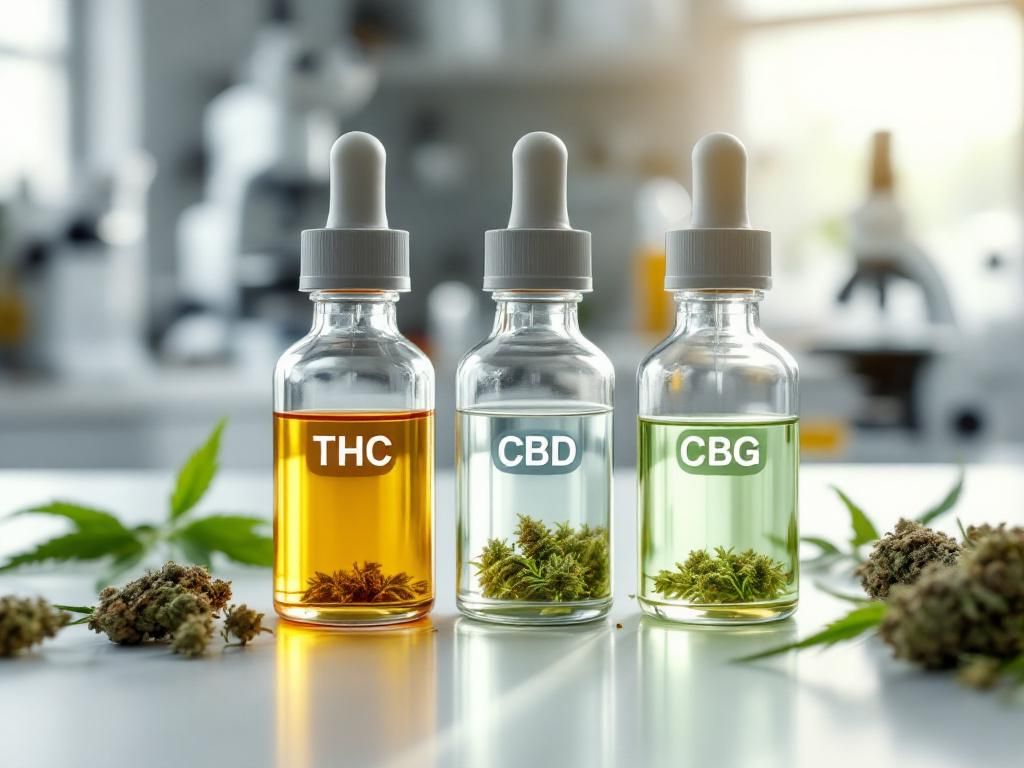
While THC dominates discussions about cannabis munchies effect, other cannabinoids operate through entirely different mechanisms that produce varying appetite outcomes. CBD lacks strong affinity for CB1 receptors, explaining why it doesn’t trigger the pronounced hunger sensations associated with THC consumption. This distinction makes CBD appetite support more suitable for users seeking therapeutic benefits without intense food cravings.
CBG emerges as a fascinating middle ground between THC’s robust stimulation and CBD’s neutral approach. Early research suggests CBG might function as a cannabis appetite stimulant without producing significant psychoactive effects, potentially offering benefits for patients who cannot tolerate THC’s mind-altering properties. This non-psychoactive appetite enhancement could revolutionise medical cannabis treatment protocols.
The psychoactive nature of THC creates considerations that extend beyond simple appetite stimulation. Some users find THC’s mental effects interfere with daily activities, making alternative cannabinoids more practical for consistent medical use. Understanding these differences allows you to select appropriate products based on your specific needs, tolerance levels, and lifestyle requirements.
Modern cannabis breeding has produced strains with varying cannabinoid ratios, enabling more precise appetite modulation. BudBuddies’ diverse product range reflects this scientific understanding, offering options from high-THC formulations for maximum appetite stimulation to balanced ratios for more controlled effects.
Beyond THC: CBD, CBG, and Appetite Modulation
| Cannabinoid | Appetite Effect | Psychoactive | Medical Applications |
|---|---|---|---|
| THC | Strong stimulation | Yes | Cancer cachexia, HIV/AIDS wasting |
| CBD | Neutral/suppressive | No | Indirect support via anxiety/pain relief |
| CBG | Potential stimulation (research ongoing) | No | Being studied for gentle appetite enhancement |
Does CBD Stimulate Appetite?
Scientific evidence consistently indicates that CBD typically suppresses rather than stimulates appetite, distinguishing it markedly from THC’s effects. Systematic reviews of clinical trials reveal that most participants using CBD products experience either neutral appetite effects or modest appetite reduction, with some studies reporting mild weight loss among regular CBD users.
However, research presents some intriguing exceptions to this general pattern. Studies involving children receiving CBD for epilepsy treatment occasionally report increased appetite among a minority of participants. This conflicting evidence suggests that CBD’s relationship with hunger involves complex, indirect mechanisms rather than direct appetite stimulation like THC produces.
CBD’s potential appetite benefits likely stem from its ability to address underlying conditions that impair natural hunger signals. By reducing anxiety, chronic pain, and nausea—common causes of appetite loss—CBD can indirectly improve your relationship with food and eating. This indirect support makes CBD valuable for medical cannabis patients whose appetite problems result from secondary symptoms rather than direct hunger suppression.
The absence of significant munchies science data supporting CBD as a direct appetite stimulant makes it unsuitable for conditions requiring robust hunger enhancement. However, its supportive role in overall wellness can complement other appetite-stimulating treatments, creating a more holistic approach to cannabis cachexia treatment and appetite management.
The Promise of CBG for Appetite Stimulation
CBG represents one of the most promising developments in non-psychoactive cannabis appetite enhancement, with preliminary research suggesting significant potential for marijuana appetite booster applications. Animal studies demonstrate that CBG administration increases food intake, reduces feeding latency, and promotes more frequent meal consumption without producing THC’s characteristic psychoactive effects.
The proposed mechanisms behind CBG’s appetite-stimulating properties involve increasing anandamide levels, a crucial endocannabinoid that plays essential roles in hunger regulation and eating behaviour. Unlike THC’s direct CB1 receptor activation, CBG appears to work through more subtle endocannabinoid modulation, potentially offering gentler, more sustainable appetite enhancement.
Current human studies, including research at UCLA Health, are investigating CBG’s efficacy and safety profiles for appetite stimulation applications. These studies aim to determine optimal dosing protocols, identify potential side effects, and establish CBG’s therapeutic index for medical cannabis appetite applications. Early results suggest promising tolerability and consistent appetite-enhancing effects.
Dr. Bonni Goldstein, medical cannabis specialist, notes: “CBG represents an exciting frontier in cannabinoid medicine, potentially offering appetite stimulation benefits without the cognitive effects that some patients find challenging with THC.”
Should ongoing research confirm CBG’s appetite-stimulating properties in human trials, it could transform treatment options for patients requiring gentle appetite enhancement without cognitive impairment. This would particularly benefit elderly patients, working professionals, or anyone seeking marijuana appetite enhancement whilst maintaining full mental clarity throughout treatment.
Using Cannabis Responsibly for Appetite: Practical Considerations
Navigating Product Choices and Dosage

Consulting healthcare professionals before beginning cannabis appetite stimulation therapy remains essential, particularly if you’re managing underlying medical conditions or taking other medications. Cannabis can interact with various pharmaceuticals, and professional guidance ensures safe integration with existing treatment protocols whilst maximising therapeutic benefits.
Selecting high-quality, lab-tested products becomes crucial for consistent appetite effects and overall safety. Reputable suppliers provide detailed cannabinoid profiles, terpene content, and contaminant testing results, enabling informed product selection based on your specific appetite stimulation needs. Third-party laboratory verification ensures accuracy in labelling and confirms product safety.
The “start low and go slow” approach proves especially important with cannabis appetite stimulant products due to significant individual variation in cannabinoid sensitivity and tolerance levels. Here’s the recommended approach:
- Begin with the lowest possible dose
- Wait 2-4 hours to assess effects
- Gradually increase dose if needed
- Monitor appetite response and side effects
- Adjust timing and frequency based on results
Beginning with minimal doses allows you to assess personal response patterns and gradually adjust intake to achieve desired appetite effects without unwanted side effects.
Understanding biphasic effects—where higher doses can produce opposite effects to lower doses—helps prevent counterproductive consumption patterns. Some users find that excessive THC intake actually suppresses appetite, highlighting the importance of finding your optimal dosing sweet spot through careful experimentation and professional guidance.
BudBuddies’ Approach to Mindful Consumption

BudBuddies demonstrates exceptional commitment to responsible cannabis appetite enhancement through their comprehensive approach to product quality and customer education. Their 100% cannabis-derived formulations ensure authentic cannabinoid profiles without synthetic additives, providing reliable appetite stimulation effects you can depend upon for consistent medical or recreational use.
Their transparently labelled products include detailed information about cannabinoid content, suggested serving sizes, and caloric information for edible options. This transparency empowers you to make informed decisions about appetite dosing tips and manage potential weight gain effects proactively. BudBuddies also offers calorie-free inhaled options for users prioritising appetite stimulation without additional caloric intake.
BudBuddies’ educational resources focus on proactive munchies management strategies, encouraging customers to prepare nutritious snacks before consumption to maximise the health benefits of increased appetite. This forward-thinking approach helps transform cannabis hunger stimulation from potentially problematic overeating into structured nutritional support.
Their sustainable, vegan-friendly production methods align with values-conscious consumers seeking ethical cannabis options. By choosing BudBuddies, you support responsible cannabis cultivation whilst accessing premium products designed for safe, effective appetite enhancement therapy.
Conclusion
THC robustly stimulates appetite through direct endocannabinoid system interaction, CBD typically provides neutral or suppressive effects, and CBG shows promising potential for gentle appetite enhancement. Successful cannabis appetite stimulation requires informed product choices, professional guidance, and commitment to quality suppliers like BudBuddies.
FAQs
Does Cannabis Reliably Stimulate Appetite?
THC-containing cannabis consistently demonstrates appetite-stimulating properties through CB1 receptor activation in brain appetite centres. However, individual responses vary based on product formulation, dosing, tolerance levels, and consumption method, making personalised approaches essential for reliable results.
Can Non-Psychoactive Cannabinoids Like CBD or CBG Also Affect Hunger?
CBD generally suppresses appetite or remains neutral in most users, though some individuals report increased hunger when CBD addresses underlying conditions affecting appetite. CBG shows promising early research for appetite stimulation without psychoactive effects, though human studies remain limited.
What Conditions Might Benefit From Cannabinoid-Induced Appetite Stimulation?
The following conditions can benefit significantly from medical marijuana appetite therapy:
- Cancer cachexia
- HIV/AIDS wasting syndrome
- Eating disorders like anorexia nervosa
- Chronic illnesses causing appetite loss
Cannabis appetite stimulation often improves nutritional intake and quality of life in these conditions.
How Should I Choose a Cannabis Product if I Want to Stimulate My Appetite?
Consult healthcare professionals for personalised guidance, select high-quality, lab-tested products from reputable suppliers like BudBuddies, and begin with low doses whilst monitoring individual response patterns. Consider THC-dominant products for robust appetite stimulation or CBG options for gentler effects.
Is There a Risk of Weight Gain With Cannabis Use?
While THC increases appetite and food consumption, epidemiological studies suggest cannabis users don’t show higher obesity rates compared to non-users, indicating complex metabolic interactions that may include increased physical activity and altered metabolism alongside appetite stimulation effects.


