


How to Make Vegan THC Caramels at Home
Indulge in Homemade Vegan THC Caramels
Picture this: you’re craving something sweet, but you want it to align with both your vegan lifestyle and your cannabis preferences. The good news is that creating your own vegan THC caramel recipe at home is not only possible but also incredibly rewarding. Whether you’re a medical marijuana patient seeking consistent dosing or simply someone who enjoys crafting homemade treats, this comprehensive guide from Bud Buddies will walk you through every step of the process.
Making vegan cannabis caramel might seem complex at first, but once you understand the fundamentals, you’ll discover it’s quite straightforward. The process combines traditional caramel-making techniques with cannabis infusion methods, all while keeping every ingredient plant-based. You’ll learn to master decarboxylation, create perfectly infused coconut oil, and craft chewy, delectable caramels that deliver consistent effects.
What makes this vegan caramel recipe particularly special is how it maintains the rich, buttery texture you’d expect from traditional caramels without using any dairy products. By the time you finish reading this guide, you’ll have all the knowledge needed to create professional-quality vegan THC candy that rivals anything you might find in dispensaries. The best part? You’ll know exactly what goes into every single piece.
Key Takeaways
This comprehensive vegan thc caramel recipe guide covers everything you need to know about creating cannabis-infused treats at home:
• Master the decarboxylation process for activating THC
• Create cannabis-infused coconut oil using plant-based fats
• Achieve perfect chewy texture without dairy products
• Learn precise dosage calculation methods
• Troubleshoot common issues and customize treats
The UK Legal Landscape for THC and Cannabis Edibles
Before diving into your vegan caramel sauce recipe adventure, understanding the legal framework surrounding cannabis in the UK is crucial. Currently, recreational cannabis remains illegal throughout the UK, including THC-containing products like homemade edibles. However, the landscape shifted significantly in November 2018 when medical cannabis became legal for patients whose conditions haven’t responded adequately to conventional treatments.
Medical cannabis patients with valid prescriptions from specialist doctors can legally access THC-containing products. This legal distinction is important because it determines whether you can legally create and consume homemade cannabis caramels. If you’re a prescribed medical cannabis patient, you can use your legally obtained cannabis to create edibles as part of your treatment regimen, always ensuring you follow your doctor’s guidance.
“Medical cannabis patients should always consult with their prescribing specialist before creating homemade edibles, as dosing can vary significantly from commercial products.” – Dr. Michael Barnes, Consultant Neurologist and Medical Cannabis Expert
CBD products present a different scenario entirely. These are legal throughout the UK provided they contain less than 0.2% THC and are marketed as food supplements rather than medicines. This means you could easily create CBD-infused vegan caramels without legal complications, though they won’t provide the psychoactive effects associated with THC.
Always verify that your cannabis source is legal and that your preparation methods comply with current UK regulations. The responsibility lies with you to ensure every step of your edible-making process respects existing laws. This attention to legal compliance protects not only yourself but also anyone who might share your homemade vegan cannabis caramel creations.
Decarboxylation: Unlocking Your Cannabis’s Potency
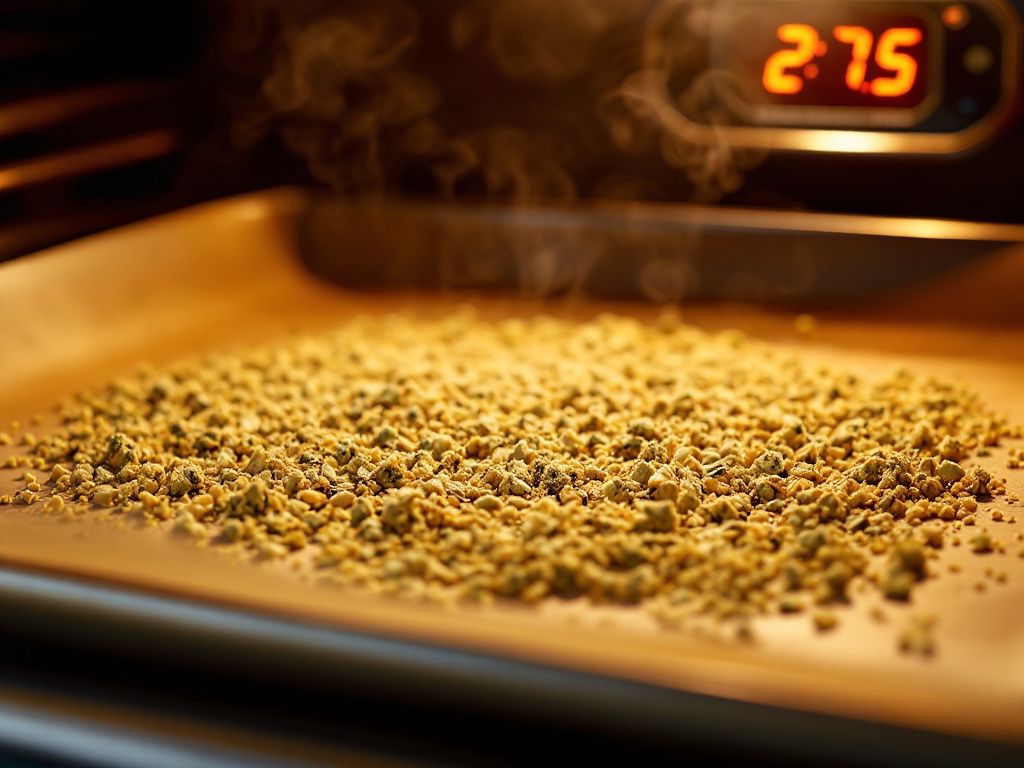
Raw cannabis contains THCA, not THC, which means it won’t produce the effects you’re seeking without proper preparation. Decarboxylation converts THCA into active THC through controlled heating, making it the foundation of any effective cannabis caramel recipe vegan or otherwise. Without this crucial step, your beautifully crafted caramels will lack the potency you’re aiming for.
The science behind decarboxylation involves removing a carboxyl group from THCA molecules through heat application. This transformation typically occurs at temperatures between 100-120°C (212-248°F) over 30-45 minutes. Too much heat will degrade your precious cannabinoids, while insufficient heat leaves them inactive. Finding the sweet spot ensures maximum potency in your final product.
- Preheat oven to 115°C (240°F)
- Break cannabis into rice-grain-sized pieces
- Spread evenly on parchment-lined baking tray
- Cover loosely with aluminum foil
- Bake for 30-40 minutes, stirring every 10-15 minutes
- Cool completely before proceeding
Your cannabis should turn light golden brown and become noticeably more crumbly when properly decarboxylated. This decarboxylation process works perfectly for vegan applications since it involves only heat and plant matter, no animal products whatsoever.
Crafting Your Vegan THC Infusion
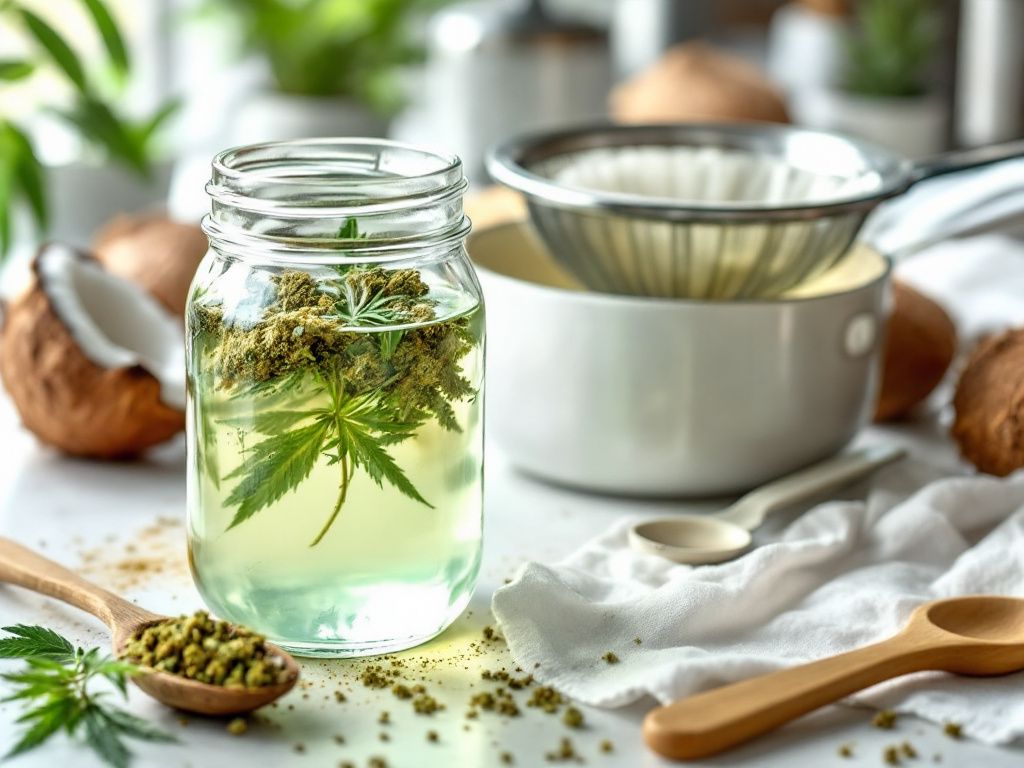
Creating cannabis-infused coconut oil forms the heart of your vegan cannabutter alternative. Coconut oil excels for this purpose due to its high saturated fat content, which bonds effectively with cannabinoids, plus its naturally mild flavor complements sweet applications like caramel beautifully. The infusion process requires patience and gentle heat to preserve the delicate compounds you’ve worked so hard to activate.
Begin by determining your desired oil-to-cannabis ratio. A common starting point uses approximately 28 grams of decarboxylated cannabis per 500ml of coconut oil, though you can adjust this based on your tolerance and desired potency. Place your coconut oil in a small saucepan or double boiler, heating it gently until it melts completely. The key is maintaining temperatures below 93°C (200°F) throughout the entire infusion process to prevent cannabinoid degradation.
“Coconut oil is an excellent choice for cannabis infusions due to its high saturated fat content, which creates strong bonds with cannabinoids for maximum potency.” – Chef Coreen Carroll, Cannabis Culinary Expert
Add your decarboxylated cannabis to the melted oil, stirring thoroughly to ensure even distribution. The mixture should simmer very gently – you might see occasional small bubbles, but never a rolling boil. Allow this gentle extraction to continue for 2-3 hours, stirring every 20-30 minutes. Some cannabis enthusiasts prefer using a slow cooker on its lowest setting for even temperature control throughout the infusion period.
After infusion, strain the oil through fine-mesh cheesecloth or a coffee filter, pressing the plant material gently to extract remaining oil without forcing through unwanted particles. The resulting cannabis-infused coconut oil should have a light green tint and subtle herbal aroma. Store this precious ingredient in an airtight container away from light and heat. This infused oil becomes your secret weapon for creating consistent, potent vegan edible caramel treats.
Vegan THC Caramel Recipe: Step-by-Step
Now comes the exciting part – transforming your infused oil into luscious homemade vegan cannabis candy that would make any confectioner proud. This dairy free cannabis caramel recipe produces perfectly chewy caramels with consistent dosing throughout each batch. The technique requires attention to temperature and timing, but the results are absolutely worth the effort.
A. Ingredients
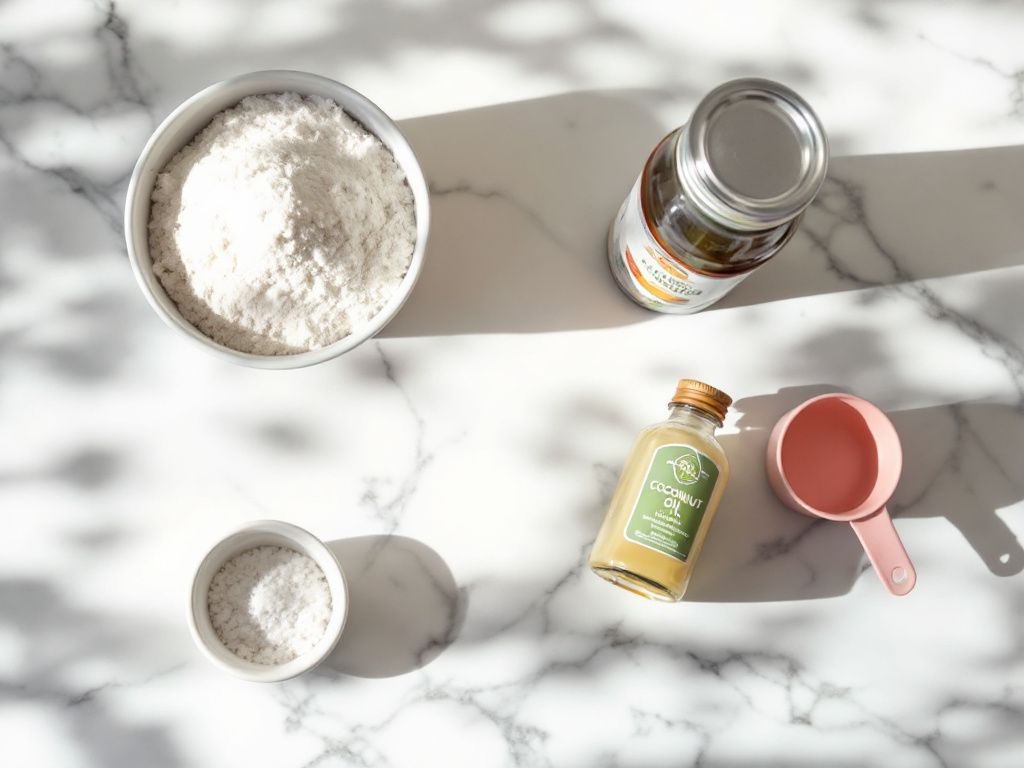
Base ingredients:
• 200g granulated sugar
• 60ml water
• 240ml full-fat coconut cream (chilled overnight)
• 3-4 tablespoons THC-infused coconut oil
• 1 tablespoon plain vegan butter
• 1 teaspoon vanilla extract
• 1/2 teaspoon sea salt
Optional additions:
• 1/4 teaspoon ground cinnamon
• Splash of lemon juice
• Freshly grated ginger
• 1 tablespoon non-dairy whisky or rum
B. Equipment Needed
• Heavy-bottomed, light-coloured saucepan
• Candy thermometer
• Wooden spoon or heat-resistant silicone spatula
• Measuring cups and spoons
• Whisk
• Heat-proof storage container
• Parchment-lined baking tin or silicone moulds
Success with this how to make vegan caramel recipe depends partly on having the right tools. A candy thermometer proves invaluable for achieving the soft ball stage caramel UK confectioners rely on for perfect texture.
C. Method
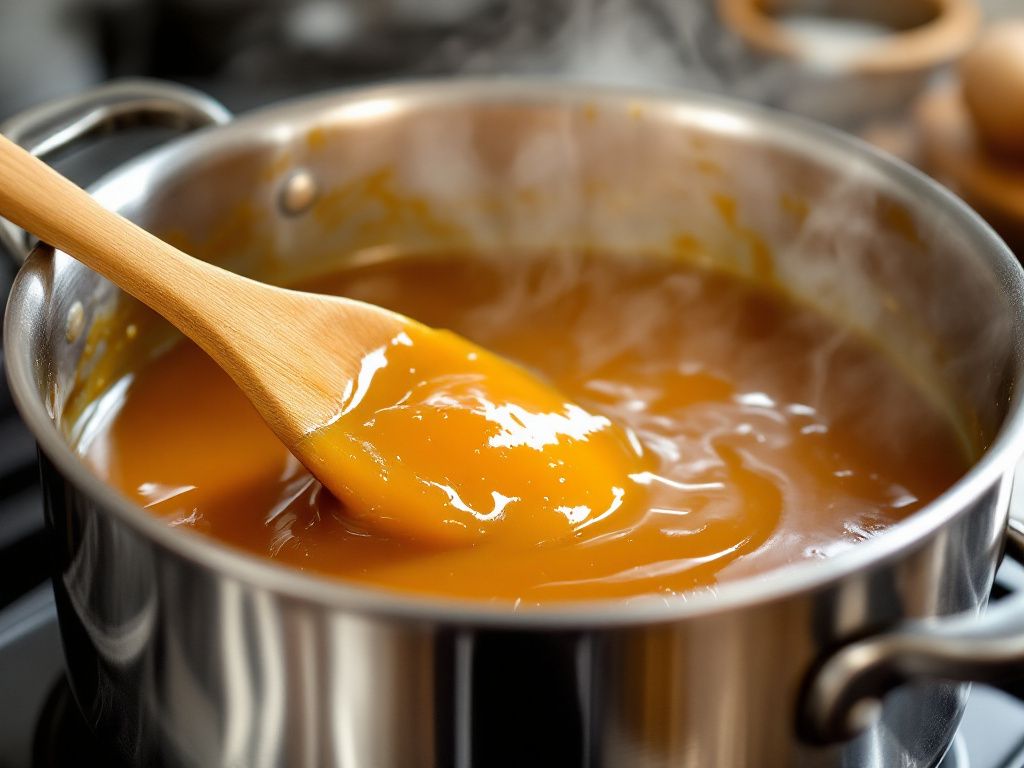
Step 1 involves creating your sugar syrup foundation. Combine the granulated sugar with water in your heavy-bottomed saucepan, stirring just enough to moisten the sugar evenly. Place the pan over medium heat and allow the sugar to dissolve completely without stirring once it begins bubbling. This prevents crystallization that could ruin your caramel’s smooth texture.
Watch carefully as the clear syrup gradually transforms into liquid gold, then deepens to rich amber. This color change indicates the complex caramelization reactions that create caramel’s distinctive flavor profile. If using a candy thermometer, aim for 160°C (320°F) for traditional caramel, or 112-115°C (234-240°F) after adding cream for softer, chewier results.
Step 2 requires incorporating your vegan cream substitute smoothly. Ensure your coconut cream mixture is at room temperature before adding to prevent the caramel from seizing when combined. Slowly pour the cream into the hot caramel while stirring continuously with your whisk. The mixture will bubble vigorously – this is completely normal and expected.
Continue stirring until the cream integrates completely and the mixture becomes smooth and uniform. Return to low heat if needed to achieve complete emulsification, but avoid high temperatures that might cause the mixture to separate or burn.
Step 3 involves adding your precious cannabis-infused coconut oil. Remove the pan from heat entirely and allow the caramel to cool for approximately 5 minutes. This cooling period protects the THC from degradation due to excessive heat while ensuring the oil incorporates smoothly.
Measure your 3-4 tablespoons of infused coconut oil and add it gradually while stirring continuously. This thorough mixing ensures even THC distribution throughout your batch, which is crucial for consistent dosing in your finished pieces. Mix until the oil disappears completely into the caramel base.
Step 4 adds the finishing touches that transform good caramel into exceptional caramel. Stir in your vanilla extract and sea salt, tasting as you go to achieve the perfect balance. The salt enhances the caramel’s sweetness while adding complexity that makes each bite more interesting.
If you’re incorporating optional spices like cinnamon or ginger, add them now while the caramel is still warm and can absorb the flavors effectively. These additions should complement rather than overwhelm the cannabis and caramel flavors you’ve worked so hard to develop.
Step 5 determines your final texture and presentation. For pourable coconut cream caramel thc sauce, allow the mixture to cool slightly before transferring to storage containers. For individual caramel candies, pour the mixture into your prepared baking tin or molds while still warm but not hot.
Allow your caramels to cool completely at room temperature before refrigerating. The cooling process continues to thicken the caramel, and refrigeration firms it up perfectly for cutting into individual pieces. Your finished vegan caramel recipe should yield approximately 20-30 pieces, depending on your preferred serving size.
Dosage Calculation and Responsible Consumption
Accurate dosing transforms your homemade vegan cannabis caramel from a guessing game into a predictable, enjoyable experience. This process begins with understanding your starting material’s potency and tracking it through each step of preparation. Mathematical precision here ensures both safety and satisfaction with your finished edibles.
“Start low and go slow with cannabis edibles. The effects can take up to two hours to fully manifest, and the duration is much longer than other consumption methods.” – Dr. Dustin Sulak, Cannabis Physician and Researcher
Start by identifying your cannabis flower’s THC percentage, typically listed on dispensary labels or testing results. For example, if you’re using 3 grams of cannabis testing at 15% THC, your theoretical maximum THC content equals 450mg (3 grams × 1000mg per gram × 0.15). However, real-world extraction efficiency typically ranges from 70-80%, so expect approximately 315-360mg of active THC in your finished oil.
Next, calculate what portion of your infused oil enters your caramel batch. If you created 240ml (roughly 16 tablespoons) of infused oil and used 4 tablespoons in your recipe, you’ve incorporated 25% of your total THC into the caramel batch. Using our example, this means roughly 80-90mg of THC per entire batch of caramels.
Divide your batch’s total THC by the number of pieces you cut to determine individual serving potency. If you cut your caramel into 20 pieces, each piece contains approximately 4-4.5mg THC. This edible dosing mg per piece calculation helps you understand exactly what you’re consuming with each treat.
For newcomers to edibles, starting with 1-2.5mg THC provides a gentle introduction to cannabis effects. Experienced users might prefer 5-10mg per serving, while medical patients may require higher doses based on their therapeutic needs. Remember that edible effects typically onset within 30-90 minutes and can last 4-8 hours, making patience essential when determining appropriate dosing.
Always label your homemade edibles clearly with the estimated THC content per piece and creation date. Store them securely away from children, pets, and anyone who shouldn’t access cannabis products. Never combine cannabis edibles with alcohol or other substances that could intensify or complicate the effects.
Troubleshooting Common Vegan THC Caramel Issues
Even experienced cooks encounter challenges when making caramel, and adding cannabis infusion introduces additional variables that can affect your results. Understanding common issues and their solutions helps you salvage batches that go awry and improves your technique for future attempts.
Common problems include:
• Caramel seizing or turning grainy
• Burnt caramel
• Uneven THC distribution
• Texture problems (too thin/thick)
• Overly grassy or earthy flavour
Caramel seizing or turning grainy ranks among the most frustrating problems home cooks face. This typically occurs when cold liquid meets extremely hot caramelized sugar, causing the mixture to crystallize and become lumpy rather than smooth. Prevent this by ensuring your coconut cream reaches room temperature before adding it to the hot sugar, and pour it slowly while stirring continuously.
If your caramel does seize, don’t panic. Remove the pan from heat immediately and whisk vigorously while the mixture is still hot. Sometimes you can recover by adding a tablespoon of warm water and whisking until smooth. Gentle reheating while stirring constantly may also help restore the proper consistency.
Burnt caramel presents another common challenge, especially for those learning to recognize the perfect amber color. Caramel can go from perfect to burnt in seconds, so stay vigilant during the caramelization process. Using a light-colored pan helps you monitor color changes more accurately, and removing the pan from heat slightly earlier than you think necessary provides insurance against overcooking.
Uneven THC distribution can occur if you don’t mix the infused oil thoroughly into the caramel base. This creates “hot spots” where some pieces are much stronger than others, making dosing unpredictable and potentially unsafe. Always allow your caramel to cool slightly before adding the cannabis oil, then stir continuously for several minutes until completely incorporated.
Texture problems often relate to temperature control during cooking. Caramel that’s too thin may need additional cooking time to reach proper consistency, while overly thick caramel might benefit from a splash of warm non-dairy milk stirred in gently. A candy thermometer helps achieve consistent results by removing guesswork from the temperature equations.
Sometimes your finished caramels develop an overly grassy or earthy flavor that overwhelms the sweet caramel taste. This usually results from over-grinding cannabis before decarboxylation or insufficient straining during oil preparation. Coarsely breaking cannabis rather than grinding it fine, and straining infused oil through multiple layers of cheesecloth, helps minimize unwanted plant flavors in your finished product.
Conclusion
Creating homemade vegan THC caramels represents the perfect marriage of culinary artistry and cannabis craftsmanship. Through careful attention to decarboxylation, methodical oil infusion, and precise caramel technique, you can produce dispensary-quality edibles in your own kitchen. This vegan thc caramel recipe provides the foundation for endless experimentation with flavors, textures, and potencies that suit your individual preferences.
“The beauty of making your own cannabis edibles lies in the complete control over ingredients and dosing. For medical patients especially, this consistency is invaluable.” – Dr. Peter Grinspoon, Harvard Medical School
The process requires patience and practice, but the rewards extend far beyond the finished product. You gain complete control over ingredients, ensuring that every component aligns with your dietary choices and quality standards. With Bud Buddies’ commitment to transparency and ethical sourcing, you can trust that your cannabis ingredients meet the highest standards for purity and potency.
Remember that responsible consumption remains paramount throughout your edible journey. Start with lower doses, label everything clearly, and store your creations securely. As you develop your skills with this foundational recipe, you’ll discover countless ways to customize and improve your homemade vegan cannabis caramels, creating treats that perfectly match your taste preferences and therapeutic needs.
FAQs
Q1: Can You Use CBD Oil Instead of THC in This Recipe?
Absolutely! You can substitute CBD-infused coconut oil for THC oil using identical preparation methods. The resulting caramels will provide CBD’s potential therapeutic benefits without psychoactive effects. Ensure your CBD oil is extracted using vegan-friendly processes and contains less than 0.2% THC to comply with UK regulations. The infusion process, caramel technique, and storage methods remain exactly the same, though you won’t need to worry about psychoactive dosing considerations.
Q2: How Should You Store Homemade Vegan THC Caramels?
Store your finished caramels in airtight containers in the refrigerator, where they’ll maintain optimal texture and potency for several weeks. Layer individual pieces between parchment paper to prevent sticking, and always label containers with creation dates and estimated THC content per piece. For longer storage, you can freeze caramels for up to three months, though texture may change slightly upon thawing. Keep all cannabis edibles securely stored away from children, pets, and unauthorized users.
Q3: What if Your Caramel Doesn’t Reach the Right Consistency?
Caramel consistency depends heavily on cooking temperature and timing, making it one of the trickier aspects of this recipe. If your caramel turns out too thin, you can gently reheat it while stirring constantly, cooking until it reaches the desired thickness. For overly thick caramel, warm it gently and stir in small amounts of non-dairy milk until you achieve the right consistency. Using a candy thermometer helps achieve consistent results by eliminating guesswork from the temperature control process.
Q4: How Long Do the Effects of Vegan THC Caramels Last?
THC edibles typically produce effects that begin within 30-90 minutes of consumption and can last anywhere from 4-8 hours, depending on individual metabolism, tolerance, and dosage consumed. The onset time varies significantly between individuals and can be influenced by factors like recent food consumption and body weight. Always wait at least two hours before consuming additional pieces to avoid accidental overconsumption, as edible effects take much longer to peak compared to other cannabis consumption methods.
Q5: Is It Legal to Make THC Edibles at Home in the UK?
Recreational cannabis remains illegal throughout the UK, including homemade THC edibles. However, medical cannabis patients with valid prescriptions from specialist doctors can legally possess and consume THC products as part of their treatment. If you’re a prescribed medical cannabis patient, you can create edibles using your legally obtained cannabis while following your doctor’s guidance. Always ensure your cannabis source is legal and that all preparation activities comply with current UK regulations before attempting this recipe.


