


Cannabis Breathalyzer Technology: What You Need to Know
Navigating the Future of Cannabis Testing
Cannabis breathalyzer technology continues to spread across the globe, creating an urgent need for reliable methods to detect impairment on our roads. Traditional alcohol breathalyzers work because ethanol molecules are highly volatile and easily escape from your bloodstream into your breath. Cannabis breathalyzer technology faces a completely different challenge. THC molecules are much “stickier” and appear in breath only as tiny aerosol particles, making detection far more complex than measuring alcohol levels.
Law enforcement agencies and employers are actively seeking tools that can quickly identify cannabis impairment without the delays and invasiveness of current testing methods. The development of portable cannabis breathalyzer devices represents a significant shift from time-consuming blood tests to rapid roadside assessments. For cannabis users in the UK, where drug driving laws remain strict, these technological advances could dramatically change how and when you choose to consume cannabis before driving.
The field of cannabis breath testing continues to evolve as researchers work to establish clear connections between THC levels in breath samples and actual driving impairment. Companies developing THC breathalyzer systems face the challenge of creating devices sensitive enough to detect minute concentrations while ensuring accuracy and reliability. This emerging technology aims to provide a fairer approach to cannabis impairment testing, potentially reducing the lengthy detection windows associated with blood and urine tests.
Key Takeaways
• Cannabis breathalyzer technology emerges from growing legalisation and public safety requirements.
• THC detection presents unique molecular challenges compared to alcohol testing due to its non-volatile nature.
• The technology strives to offer rapid, accurate identification of cannabis impairment, though correlating breath THC levels with actual impairment remains complex.
The Current Landscape of Cannabis Breathalyzer Technology
How Cannabis Breathalyzers Work (and Why It’s Challenging)
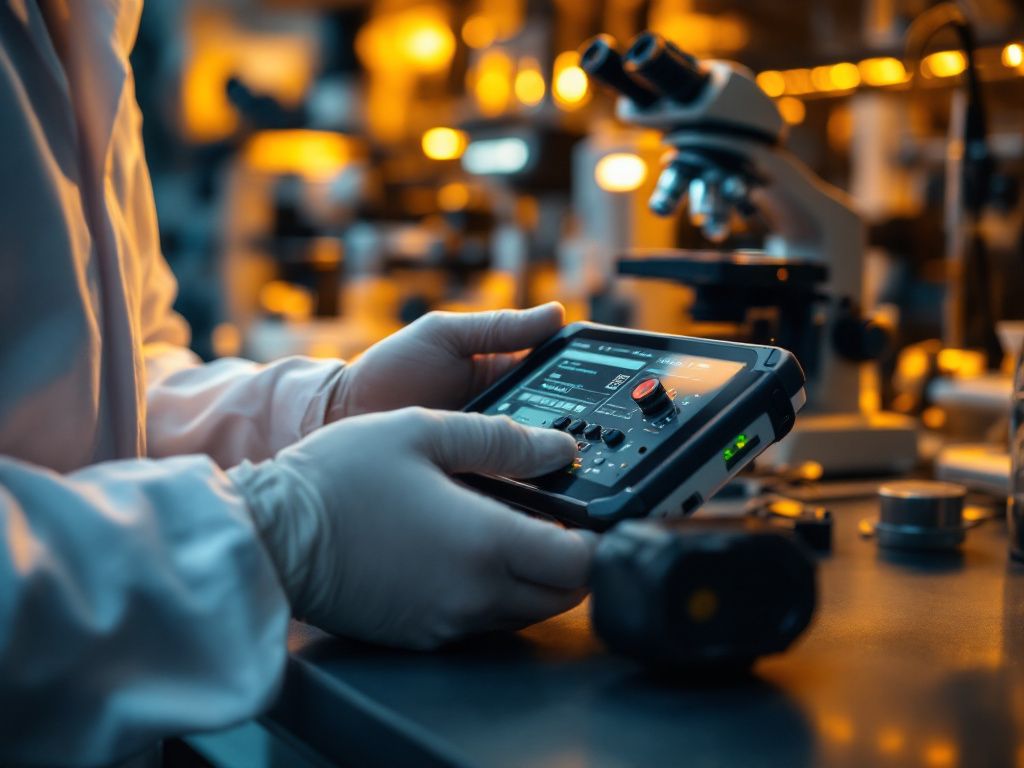
Standard alcohol breathalyzers cannot detect THC because the two substances behave completely differently in your respiratory system. Alcohol readily vaporises from your bloodstream and appears in measurable concentrations in your breath. THC, however, exists as microscopic particles that cling to surfaces and appear in breath only during a narrow window of 1-3 hours after consumption.
This short detection period for THC breath testing actually aligns better with peak impairment periods compared to blood or saliva tests. Drug impairment cannabis test developers face the challenge of creating sensors sensitive enough to capture these tiny THC particles while filtering out environmental interference. The technology must also account for individual variations in metabolism, consumption methods, and tolerance levels that affect how THC appears in breath samples.
Perhaps the biggest hurdle involves establishing reliable correlations between breath THC concentrations and actual driving impairment. Blood alcohol content provides clear impairment thresholds that courts accept worldwide. Cannabis breath test device manufacturers still work to develop similar standardised measurements that can withstand legal scrutiny while providing accurate assessments of impairment levels.
Key Players and Developing Technologies
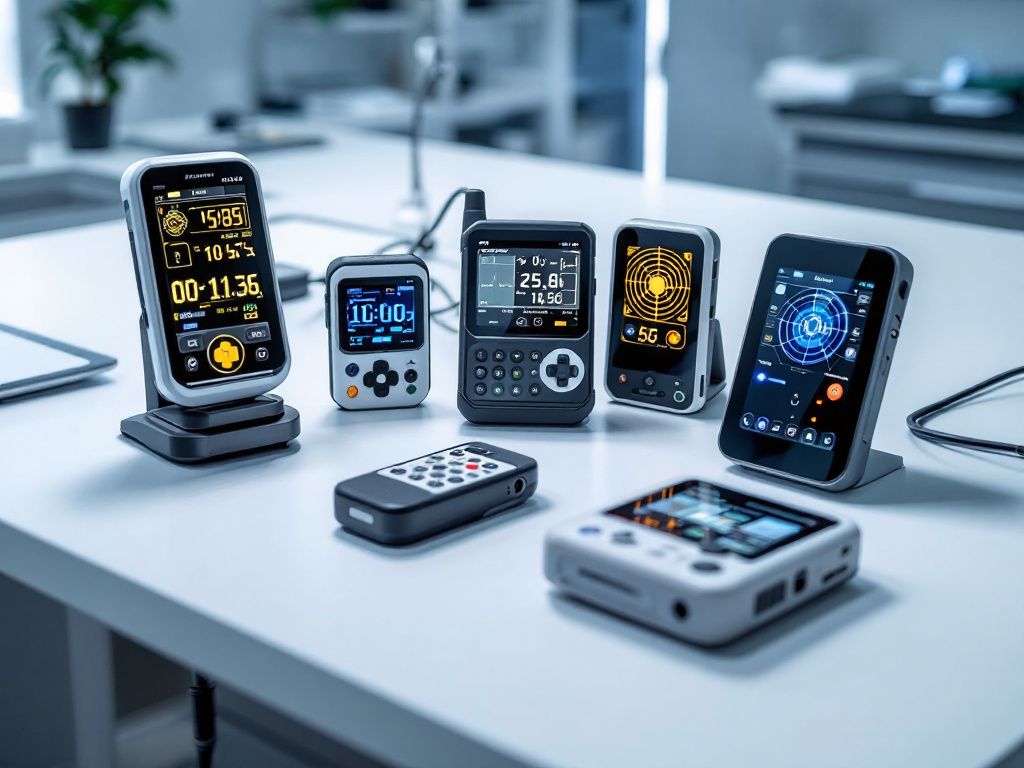
Several innovative companies lead the development of cannabis roadside testing devices using various technological approaches. Hound Labs has developed dual-function devices capable of detecting both alcohol and THC within minutes of testing. Cannabix Technologies Inc. explores electrochemical oxidation and carbon nanotube sensors to improve detection sensitivity for trace THC concentrations.
Advanced cannabis breathalyzer sensors now incorporate artificial intelligence and multispectral imaging to interpret complex breath sample data more accurately. These systems analyse multiple compounds simultaneously while accounting for environmental factors that might interfere with readings. Research institutions contribute valuable insights into THC detection window characteristics and optimal sensor configurations for field deployment.
The integration of mobile cannabis breathalyzer app technology with hardware devices promises to streamline data collection and analysis for law enforcement. Some developers focus on creating consumer-grade devices that allow personal impairment assessment similar to home alcohol breathalyzers. BudBuddies supports these responsible innovations by promoting transparent, high-quality cannabis products that help users make informed decisions about consumption timing and driving safety.
UK Drug Driving Laws and Current Testing Methods
Understanding UK Drug Driving Laws and Penalties
Driving under the influence of cannabis remains illegal throughout the UK, regardless of whether you feel impaired or not. The legal limit for THC in blood stands at 2 micrograms per litre, and exceeding this threshold results in serious legal consequences. Courts apply a “zero tolerance” approach to illegal drugs like cannabis while taking a “risk-based approach” to certain prescription medications.
Penalties for drug driving include a minimum one-year driving ban, unlimited fines, and potential imprisonment up to six months. You will also receive a criminal record that can affect employment opportunities, travel plans, and insurance costs for years to come. These harsh penalties reflect the government’s commitment to road safety and serve as strong deterrents against drug driving.
The strict enforcement means that even medical cannabis patients face prosecution if THC levels exceed legal limits while driving. This creates challenges for legitimate medical users who rely on cannabis for symptom management but must navigate complex timing considerations to remain legal drivers. Understanding these laws becomes essential for anyone using cannabis products, whether for medical or recreational purposes.
Current Roadside and Evidential Testing in the UK
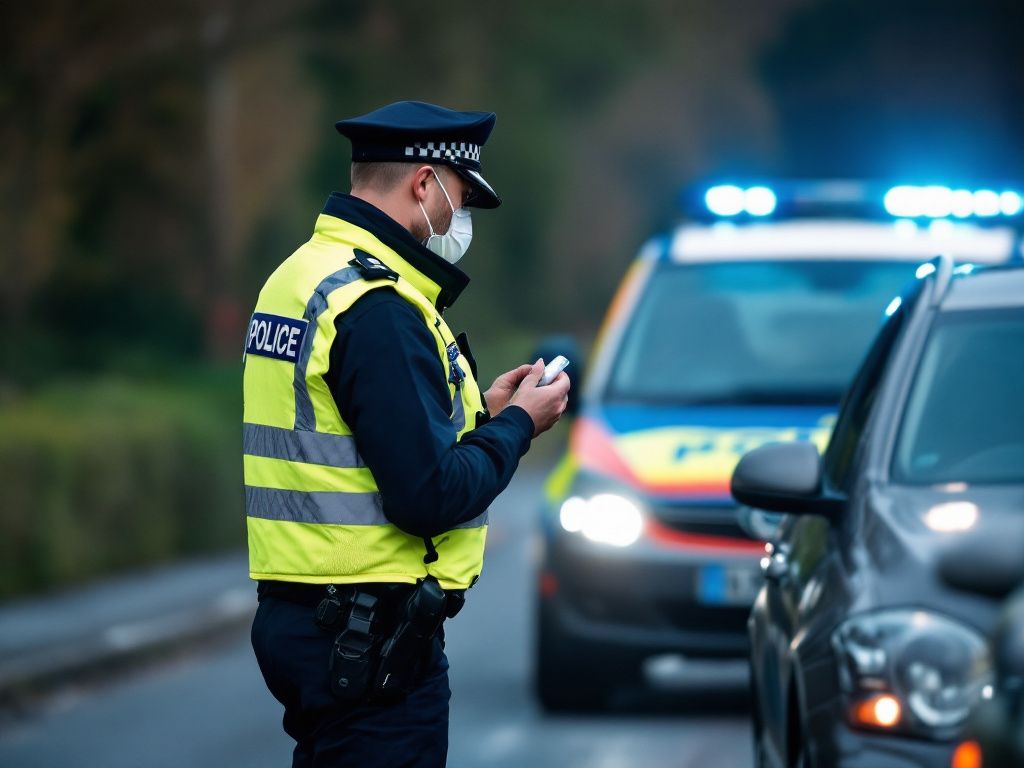
Police officers use DrugWipe saliva tests as their primary cannabis roadside testing method to screen for THC and other substances. These oral fluid THC test devices typically detect cannabis use for approximately 6-12 hours after consumption, though detection windows vary based on individual factors and usage patterns. Officers may also conduct Field Impairment Assessments that evaluate physical coordination and cognitive responses through simple tasks.
When roadside tests indicate potential impairment, police take suspects to stations for confirmatory blood testing. Blood tests serve as the “gold standard” for legal evidence but can detect THC for up to 36 hours in occasional users and much longer in regular consumers. This extended detection period creates situations where blood tests may show positive results long after impairment effects have worn off.
Urine tests, while available, are rarely used for immediate roadside assessments due to their extremely long detection windows of 3-30 days. The combination of rapid roadside screening followed by laboratory confirmation aims to balance public safety needs with requirements for scientifically defensible evidence. However, current testing methods often struggle to distinguish between recent use with impairment and residual traces from earlier consumption.
Challenges and the Future of Cannabis Breathalyzer Technology in the UK
Hurdles in Development and Implementation
The primary challenge facing cannabis breathalyzer accuracy involves establishing scientifically validated connections between breath THC levels and actual driving impairment. Unlike alcohol testing, where blood alcohol concentration correlates clearly with impairment levels, THC’s complex behaviour in the human body makes this correlation much more difficult to establish. Researchers must account for individual variations in metabolism, tolerance, and consumption methods that affect how THC appears in breath samples.
Regulatory approval presents another significant obstacle for cannabis breathalyzer for law enforcement adoption. New devices require extensive testing and validation to meet UK court standards for admissible evidence. The approval process demands proof of accuracy, reliability, and resistance to environmental interference that could produce false readings.
Medical cannabis patients face particular concerns about unfair criminalisation, as THC can remain detectable long after therapeutic effects subside. False positive results could unfairly penalise individuals using cannabis legally for medical purposes. Device manufacturers must address these concerns while developing technology sensitive enough to detect impairment-related THC concentrations without penalising legitimate medical users.
The Road Ahead: Potential and Progress
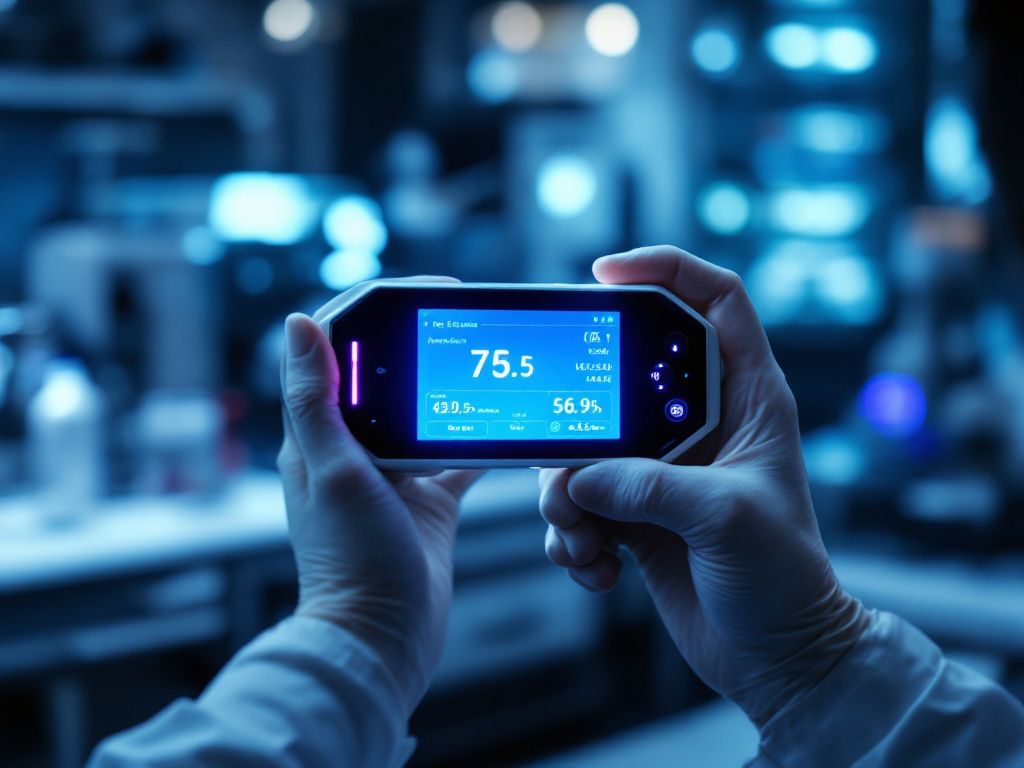
The Department for Transport actively seeks innovations in roadside evidential drug testing that can deliver reliable results within 10 minutes while meeting UK court standards. Latest cannabis breathalyzer tech developments focus on improving sensor sensitivity, reducing environmental interference, and integrating artificial intelligence for better result interpretation. These advances promise to transform current lengthy testing procedures into rapid, non-invasive assessments.
Consumer applications represent another promising avenue, with potential for personal impairment assessment devices similar to home alcohol breathalyzers. These tools could help cannabis users make informed decisions about driving safety by providing immediate feedback about their impairment status. Development of reliable consumer devices would support responsible cannabis use and reduce accidental violations of driving laws.
BudBuddies champions these technological advances through commitment to transparency and quality in cannabis products. By providing clear information about product contents and effects, BudBuddies helps consumers make informed decisions about timing between cannabis use and driving. The company’s focus on 100% cannabis-derived products with full ingredient transparency supports broader goals of safe cannabis integration into society that advanced testing technologies aim to enhance.
Conclusion
Cannabis breathalyzer technology represents a vital development for maintaining road safety while ensuring fair treatment of cannabis users in the UK’s evolving legal environment. Scientific and technical challenges continue to shape device development, but ongoing research steadily addresses these obstacles through innovative sensor technologies and improved understanding of THC behaviour in breath samples.
Collaboration between technology companies, researchers, and regulatory agencies drives progress toward practical solutions that balance public safety with individual rights. These partnerships work to create devices that provide rapid, court-admissible results while minimising unfair penalties for legitimate cannabis users.
The future of cannabis impairment testing holds promise for fairer, more accurate methods that could replace current lengthy detection procedures. As this technology matures, it will likely enable more informed decision-making for cannabis users while providing law enforcement with reliable tools for maintaining road safety standards.
FAQs
Can current UK police breathalyzers detect cannabis?
No, standard police breathalyzers only measure alcohol levels. UK officers use saliva swab tests specifically designed for cannabis detection during roadside stops.
How long does cannabis stay detectable in saliva for roadside tests?
Saliva tests typically detect THC for 6-12 hours after use, though detection periods can vary significantly based on individual metabolism and consumption frequency patterns.
What are the penalties for drug driving in the UK?
Penalties include a minimum 1-year driving ban, unlimited fines, potential imprisonment up to six months, and a permanent criminal record affecting future opportunities.
Is there a THC limit for driving in the UK?
Yes, the legal blood THC limit is 2 micrograms per litre, and exceeding this threshold results in prosecution regardless of perceived impairment levels.

