


Weed Exercise Performance Research: What You Need
Introduction: Unpacking the Relationship Between Cannabis and Exercise
Picture this: you’re scrolling through social media and see athletes openly discussing their cannabis use, fitness influencers touting CBD products, and gym-goers debating whether a pre-workout joint enhances their session. This shift in conversation indicates a growing interest in weed exercise performance research. The conversation around cannabis and exercise has shifted dramatically from the old “couch potato” stereotype to something far more complex.
Recent weed exercise performance research reveals fascinating contradictions. While 23% of athletes report using cannabis within the past year, the science behind its effects on physical performance remains surprisingly nuanced. Some studies suggest THC might boost workout enjoyment but could simultaneously make you feel like you’re working harder than you actually are. Meanwhile, CBD research points toward genuine benefits for post-workout recovery, including reduced inflammation and improved sleep quality.
The truth is, cannabis affects everyone differently. Your friend might swear by their pre-yoga CBD routine, while another mate finds that THC completely throws off their coordination during weightlifting. Factors like dosage, consumption method, individual metabolism, and even the specific strain can dramatically alter how cannabis interacts with your workout performance.
What does current research actually tell us about combining cannabis with exercise? This analysis examines peer-reviewed studies, expert opinions, and real-world data to separate fact from fiction. We’ll explore how different cannabinoids affect your body during various phases of exercise, discuss the regulatory landscape for athletes, and highlight what researchers still don’t know about this evolving topic.
“The endocannabinoid system is fundamentally involved in exercise-induced euphoria and pain modulation. Understanding how external cannabinoids interact with this system is crucial for athletic applications.” – Dr. David Raichlen, University of Southern California
Key Takeaways
• THC may increase workout enjoyment but often impairs actual performance by elevating perceived effort and reducing coordination.
• CBD shows genuine promise for post-workout recovery through its anti-inflammatory properties and sleep-enhancing effects.
• Current regulations prohibit THC in competitive sports, while CBD remains permitted, though product purity remains a concern for serious athletes.
The Dual Nature of Cannabis: THC vs. CBD in Exercise
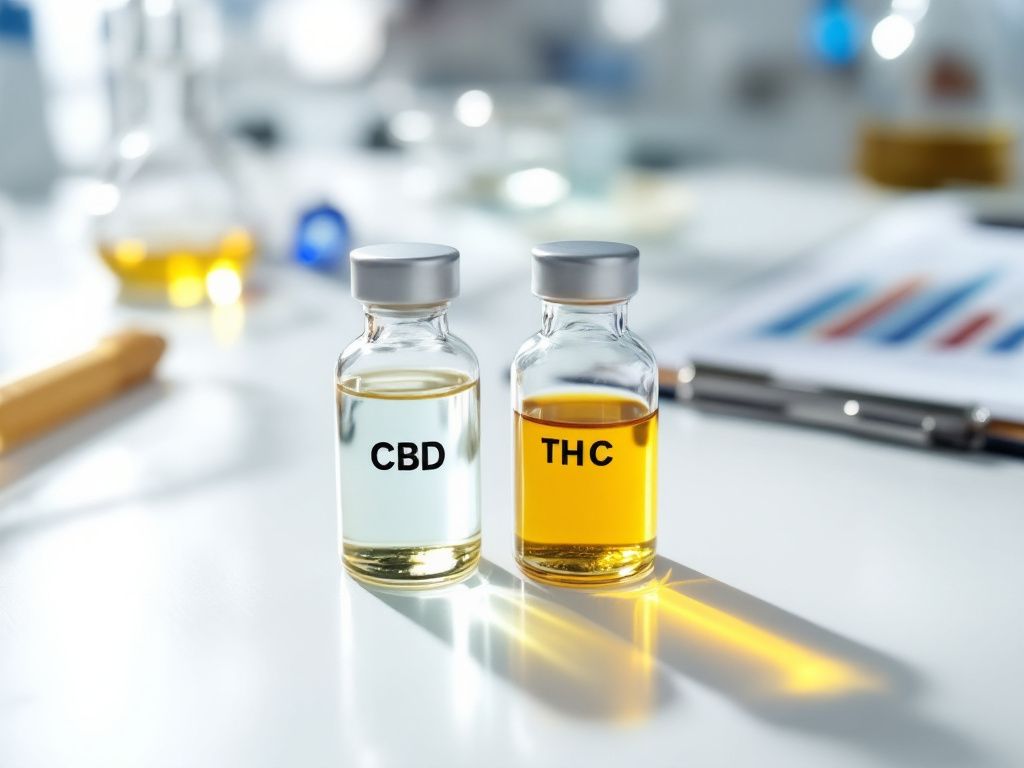
Cannabis contains over 100 different cannabinoids, but two compounds dominate the conversation around exercise performance. THC and CBD interact with your body’s endocannabinoid system in distinctly different ways, creating contrasting effects on your workout experience and recovery process.
Think of your endocannabinoid system as your body’s internal communication network, helping regulate everything from pain perception to sleep patterns. When you introduce cannabis compounds, you’re essentially adding new voices to this conversation, and those voices can either harmonise with your workout goals or create some serious discord.
Understanding THC’s Influence on Performance
THC is the compound responsible for cannabis’s psychoactive effects, and its relationship with exercise performance is complicated. Many users report feeling more motivated and less anxious before workouts when using THC-dominant products. Some describe a heightened mind-muscle connection or increased focus during certain activities like yoga or long-distance running.
However, weed exercise performance research consistently shows that THC doesn’t actually improve physical capabilities. A study published in the Journal of Sports Medicine found that participants who used THC before exercise experienced significantly higher heart rates and blood pressure compared to placebo groups, even when performing identical activities. This cardiovascular strain means your body is working harder to achieve the same results.
The perceived effort increase is particularly notable. Research indicates that THC users rate their workouts as feeling 15-20% more difficult than when they exercise sober, despite maintaining similar power outputs. Your muscles aren’t actually working harder, but your brain interprets the signals differently.
“THC creates a dissociation between actual physical effort and perceived effort. Athletes may feel they’re working harder while their power output remains unchanged.” – Dr. Angela Bryan, University of Colorado Boulder
Coordination and reaction time present additional concerns. Studies examining cannabis impact on exercise reveal measurable impairments in balance, precision, and quick decision-making abilities. For activities requiring split-second reactions or fine motor control, these effects could increase injury risk or simply make you less effective.
CBD’s Role in Recovery and Well-being
CBD operates differently from its psychoactive cousin, offering benefits that align more closely with what serious athletes actually need. Unlike THC, CBD won’t alter your mental state during exercise, but its post-workout applications show genuine promise in peer-reviewed research.
The anti-inflammatory properties of CBD have caught researchers’ attention, particularly regarding exercise-induced muscle damage. A 2019 study in the European Journal of Pain found that CBD application significantly reduced markers of muscle inflammation and oxidative stress following intense exercise sessions. This translates to potentially faster recovery times and reduced muscle soreness.
Sleep quality improvements represent another significant benefit. Research on cannabinoids and athletic performance shows that CBD users often experience deeper, more restorative sleep patterns. Since muscle repair and growth hormone release occur primarily during sleep, this indirect effect on performance could be substantial over time.
CBD also appears to modulate cortisol levels, your body’s primary stress hormone. Chronically elevated cortisol can impair muscle protein synthesis and delay recovery. By helping regulate these stress responses, CBD might support your body’s natural adaptation processes following training sessions.
Cannabis and Exercise: Pre-Workout, During, and Post-Workout Effects
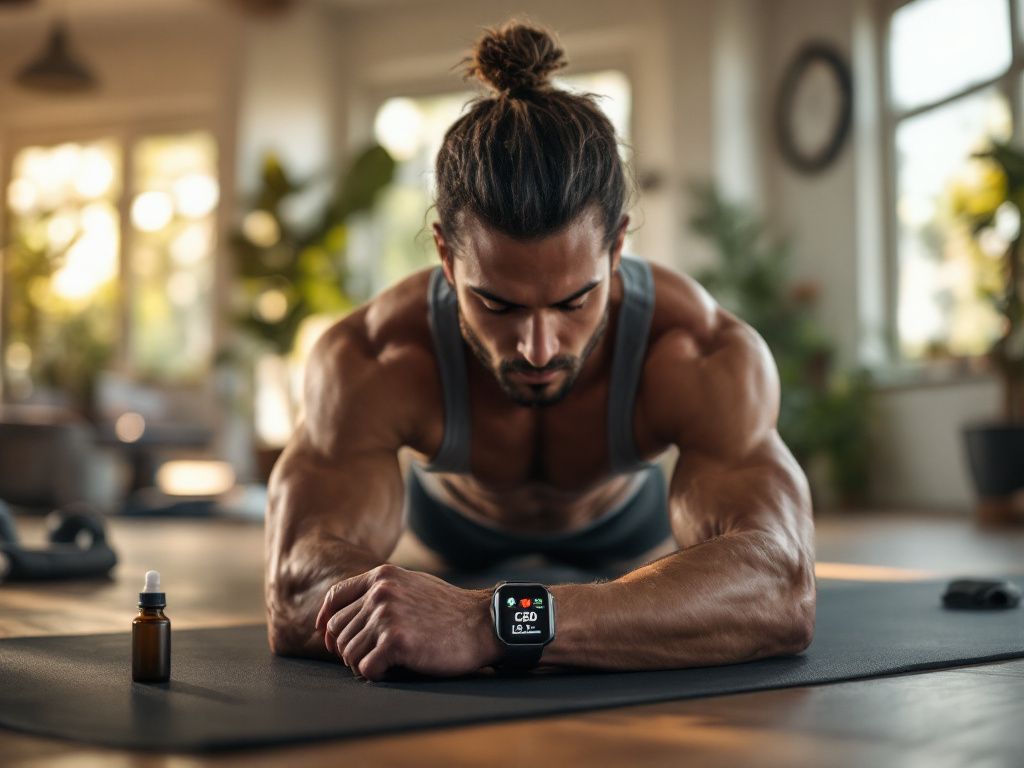
The timing of cannabis consumption dramatically influences its interaction with your exercise routine. Understanding these temporal relationships can help you make more informed decisions about if and when to incorporate cannabis into your fitness regimen.
Pre-Workout and During-Workout Considerations
Many cannabis enthusiasts experiment with pre-workout consumption, seeking benefits like reduced anxiety, increased motivation, or enhanced enjoyment. Some report that specific sativa-dominant strains help them feel more energised and focused before hitting the gym. Others find that small amounts of cannabis help them push through mental barriers during challenging workouts.
These subjective improvements don’t necessarily translate to measurable performance gains, though. Weed exercise performance research consistently shows that while users might feel more engaged or motivated, objective measures like power output, endurance capacity, or strength gains often remain unchanged or even decline slightly.
The cardiovascular effects of THC become particularly relevant during exercise. Your heart rate naturally increases during physical activity, and THC adds an additional burden to this system. Some users describe feeling like their heart is “racing” during workouts, which can be concerning for those with underlying cardiovascular conditions or during high-intensity training sessions.
Timing matters significantly when considering pre-workout cannabis use. The effects of cannabis consumption vary based on method:
- Smoking/vaping effects peak within 15-30 minutes
- Edible effects take 30-120 minutes to reach full effect
This variability makes it challenging to predict how you’ll feel during your actual workout time.
Post-Workout Recovery and Cannabis

Recovery represents where cannabis, particularly CBD-dominant products, shows the most promise according to current research. The post-exercise period involves complex physiological processes including inflammation, muscle repair, and nervous system recovery. Cannabis compounds can potentially influence each of these areas.
Exercise-induced inflammation serves important biological functions, but excessive or prolonged inflammatory responses can delay recovery and impair adaptation. Research suggests that CBD may help modulate these inflammatory processes without completely blocking them, potentially optimising the recovery timeline.
Pain management represents another area where post-workout cannabis use shows potential. The endocannabinoid system plays a role in pain perception, and both THC and CBD can influence these pathways. Many athletes report using cannabis products to manage delayed onset muscle soreness (DOMS) and joint discomfort following intense training sessions.
Sleep quality improvements associated with cannabis use, particularly CBD, could indirectly support exercise performance and recovery. Poor sleep negatively affects reaction time, decision-making, and physical performance, while also impairing muscle protein synthesis and growth hormone release. By improving sleep duration and quality, cannabis might support your body’s natural recovery processes.
“Sleep is when the magic happens for athletes. Growth hormone release, muscle protein synthesis, and memory consolidation all peak during deep sleep phases.” – Dr. Matthew Walker, UC Berkeley Sleep Scientist
BudBuddies: Your Trusted Partner for Cannabis and Wellness
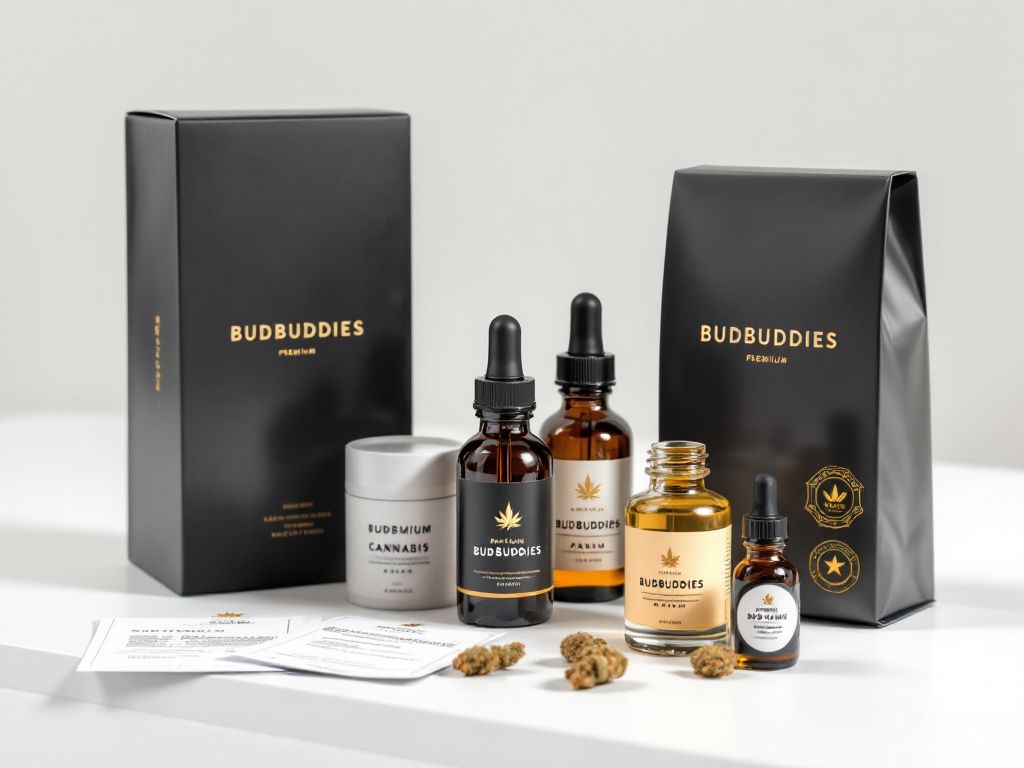
When exploring cannabis as part of your fitness routine, product quality and transparency become non-negotiable factors. BudBuddies leads the industry in providing 100% cannabis-derived products with complete ingredient transparency, giving you the confidence to experiment safely with different cannabinoid profiles and consumption methods.
Understanding how cannabis affects your individual response to exercise requires consistent, pure products that allow you to isolate variables effectively. BudBuddies’ commitment to full ingredient disclosure means you know exactly what compounds you’re consuming and in what quantities. This transparency is particularly valuable when trying to determine optimal dosing or timing for your specific fitness goals.
Whether you’re interested in CBD-dominant products for post-workout recovery or exploring different THC profiles for workout enjoyment, BudBuddies offers strain-specific options that support personalised experimentation. The quality assurance processes ensure that each product contains exactly what’s listed on the label, eliminating concerns about contamination or inconsistent potency that plague many cannabis products.
For privacy-conscious consumers, BudBuddies provides discreet packaging and reliable UK-wide delivery, ensuring your cannabis wellness journey remains private and convenient. The customer service team understands the nuances of cannabis use for fitness and recovery, providing knowledgeable guidance without pushing unnecessary products or making unrealistic claims about performance enhancement.
Conclusion
The relationship between cannabis and exercise performance defies simple categorisation. Current weed exercise performance research reveals that while cannabis might enhance workout enjoyment and potentially support recovery processes, it rarely improves actual physical performance metrics. THC consistently shows ergolytic effects, making exercise feel more difficult while potentially impairing coordination and reaction time. Conversely, CBD demonstrates genuine promise for post-exercise recovery through anti-inflammatory properties and sleep quality improvements.
Individual responses to cannabis vary dramatically based on factors including dosage, consumption method, cannabinoid profile, and personal physiology. Athletes and fitness enthusiasts considering cannabis integration should start with low doses, focus on recovery applications rather than performance enhancement, and remain aware of regulatory restrictions in competitive settings.
As research continues to evolve, the nuanced relationship between cannabis and exercise will likely become clearer. For now, informed experimentation with quality products and realistic expectations provides the best approach for those curious about combining cannabis with their fitness routines.
FAQs
Is Cannabis a Performance-Enhancing Drug?
Current research indicates that cannabis, particularly THC, does not enhance athletic performance and may actually impair it. While some users report increased motivation and enjoyment during exercise, objective measures like power output, endurance, and coordination often remain unchanged or decline. The performance-enhancing classification is more accurately applied to the subjective experience rather than measurable physical improvements. Regulatory bodies like WADA prohibit THC in competition, but this is based on concerns about health risks and fair play rather than proven performance advantages.
Can Cannabis Help With Post-Workout Recovery?
Yes, particularly CBD shows promise for post-exercise recovery based on emerging research. Studies suggest CBD may reduce exercise-induced inflammation, help manage muscle soreness, and improve sleep quality, all of which contribute to faster recovery times. Many athletes report using cannabis products to manage delayed onset muscle soreness and joint discomfort following intense training sessions. The anti-inflammatory and analgesic properties of cannabinoids appear to support the body’s natural recovery processes without the side effects associated with traditional pain medications.
Is Cannabis Use Permitted for Athletes?
The World Anti-Doping Agency (WADA) prohibits THC in competition but allows CBD use, though athletes must exercise caution regarding product purity. THC is banned due to potential performance impairment, health concerns, and violation of sport’s ethical standards. Different sports organisations may have varying policies, and some allow THC use outside of competition periods. Athletes should carefully research their specific sport’s regulations and choose products with verified CBD-only content to avoid inadvertent positive tests for prohibited substances.
Does Smoking Weed Affect Lung Capacity for Exercise?
Smoking cannabis introduces combustion by-products that can irritate respiratory tissues and potentially impact lung function over time. Research suggests that regular cannabis smoking may cause short-term respiratory effects including coughing, phlegm production, and reduced oxygen transfer efficiency. For endurance activities requiring optimal lung capacity, these effects could be particularly detrimental. Alternative consumption methods like vaporising, edibles, or tinctures eliminate combustion-related respiratory risks while still delivering cannabinoids. Athletes prioritising lung health should consider these alternatives rather than smoking.

