


Guide to Safe Cannabis Disposal: What You Need to Know
Introduction
You might not think about what happens to your cannabis products once you’re done with them, but proper disposal deserves just as much attention as storage. With cannabis usage increasing across the UK—whether through medical prescriptions or CBD products—understanding weed safe disposal guidelines has become essential for protecting your family, pets, and the environment. Poor disposal practices can lead to serious consequences, from accidental ingestion by children to environmental contamination that affects local wildlife.
Safe cannabis disposal isn’t complicated, but it does require following specific steps that render your waste unusable and environmentally friendly. These practices align with UK regulations while supporting the sustainable values that brands like BudBuddies champion through their eco-conscious production methods. When you dispose of cannabis responsibly, you’re completing the ethical consumption cycle that starts with choosing quality, transparent products.
This comprehensive guide covers everything from disposing of flower and edibles to handling vape cartridges and packaging materials. You’ll learn practical methods that comply with UK waste management laws while protecting your community and local ecosystems. Each disposal method we discuss prioritizes safety first, ensuring that your cannabis waste cannot be accidentally consumed or diverted for inappropriate use.
By the end of this guide, you’ll have clear, actionable knowledge about cannabis waste disposal methods that work for different product types. Whether you’re dealing with already vaped bud, expired edibles, or empty oil containers, you’ll know exactly how to handle each situation safely and legally.
“Proper cannabis waste disposal is not just about following regulations—it’s about being a responsible member of your community and protecting the environment for future generations.”
— Environmental waste management expert
Key Takeaways
- Prioritise safety by keeping all cannabis products and waste away from children and pets to prevent accidental ingestion
- Understand UK regulations for cannabis waste disposal, as guidelines can vary depending on your local council area
- Learn specific disposal methods for different cannabis products including flower, edibles, oils, and vape cartridges
- Maximise recycling opportunities by properly cleaning and separating cannabis packaging materials
- Minimise environmental impact through responsible disposal practices that protect water sources and wildlife
Understanding Cannabis Waste in the UK
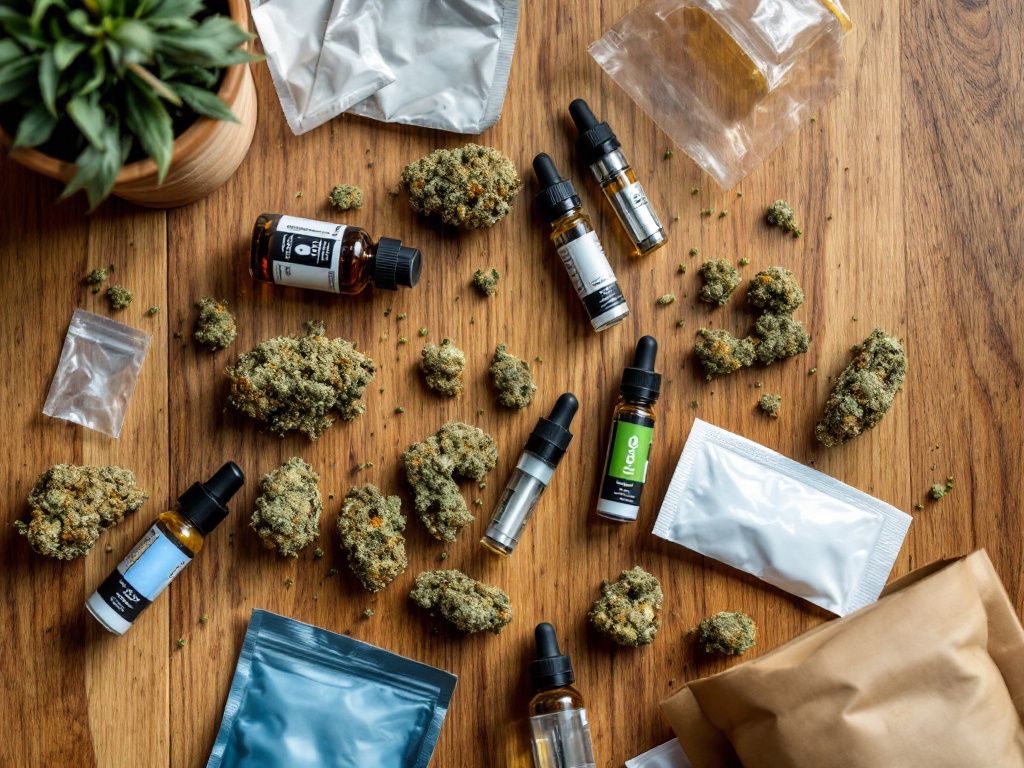
Cannabis waste encompasses more than just leftover plant material. It includes any product, container, or material that has come into contact with cannabis and is no longer suitable for use. With medical cannabis prescriptions becoming more common and CBD products widely available, understanding what constitutes cannabis waste has become increasingly relevant for UK consumers.
The key principle behind safe cannabis disposal lies in rendering the material unusable and unrecognisable. This approach prevents accidental consumption, stops potential diversion into inappropriate channels, and ensures compliance with UK waste management regulations. Different types of cannabis waste require different handling methods, but all share the common goal of safe, responsible disposal.
What Qualifies as Cannabis Waste
Plant material forms the largest category of cannabis waste, including dried flower, already vaped bud (AVB), leaves, stems, and root systems. This organic matter may still contain active compounds even after use, making proper disposal crucial for safety reasons. Used growing materials like soil, nutrients, and trimmed plant parts also fall into this category.
Cannabis products represent another significant waste stream that includes expired or unused edibles, oils, tinctures, and topical applications. These items often contain concentrated cannabinoids and require special handling to prevent accidental consumption. Even small amounts of leftover product can pose risks if not disposed of properly.
Paraphernalia and packaging create a third category that encompasses used vape cartridges, empty oil bottles, child-resistant containers, and product packaging materials. These items may carry residual cannabis compounds and require specific disposal methods based on their material composition. Electronic components like vape batteries need particular attention due to environmental regulations.
Contaminated materials include any growing supplies, tools, or surfaces that have come into contact with cannabis during cultivation or processing. Soil that has been treated with nutrients or pesticides requires careful disposal to prevent environmental contamination. Cleaning materials used for cannabis equipment also need proper handling.
General Principles for Safe Disposal
The foundation of responsible cannabis waste disposal rests on making materials unusable and unrecognisable before they leave your property. This approach protects children and pets from accidental exposure while preventing any possibility of product diversion. Physical alteration combined with mixing with undesirable substances achieves this goal effectively.
Separating different waste streams ensures that each material type receives appropriate treatment based on its composition and potential environmental impact. Organic cannabis waste, electronic components, and packaging materials all require different disposal routes to maximise safety and recycling opportunities. This separation also helps comply with local waste management guidelines.
Environmental protection must guide every disposal decision you make. Never flush cannabis products, oils, or cleaning solutions down drains or toilets, as these substances can contaminate water supplies and harm aquatic ecosystems. Similarly, avoid burying cannabis waste in gardens where it might affect soil quality or attract unwanted pests.
Safety considerations extend beyond environmental concerns to include protecting your household and community. Store cannabis waste securely until disposal day, using sealed containers that prevent odours from escaping. Label containers clearly if necessary, and ensure they remain out of reach of children and pets throughout the disposal process.
Safe Disposal Methods for Different Cannabis Products
Different cannabis products require tailored disposal approaches based on their composition, potency, and physical form. Understanding these specific methods helps you handle each type of waste safely while maximising recycling opportunities where possible.
Disposing of Cannabis Flower and Edibles
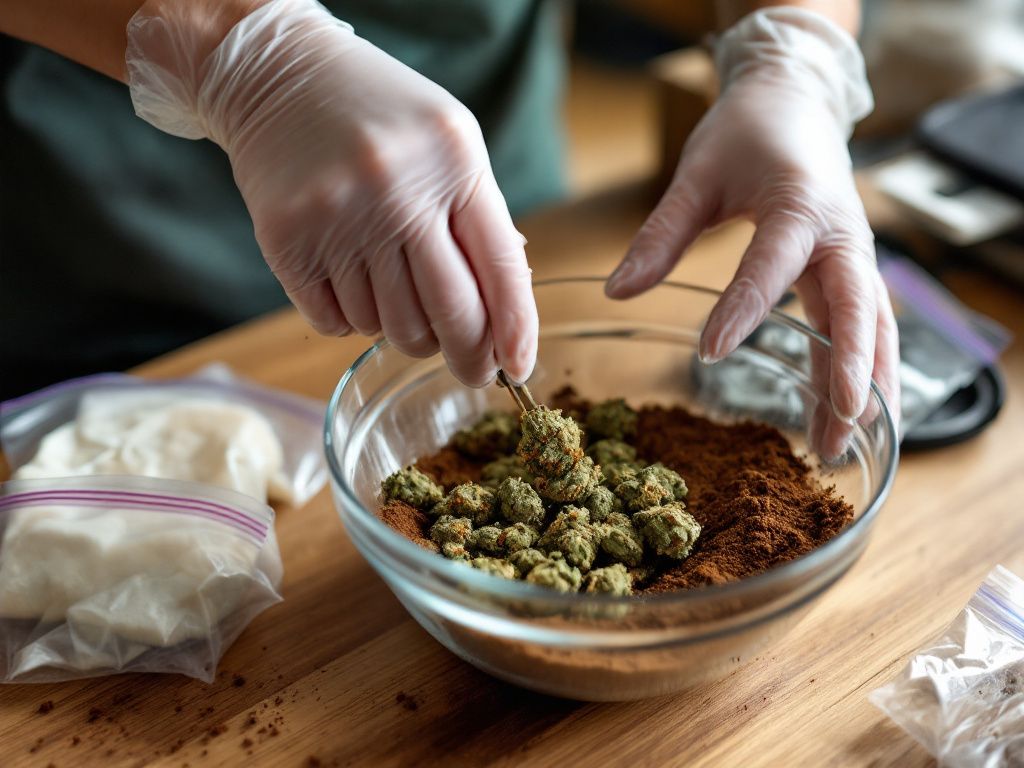
Already vaped bud and dried flower disposal starts with physical alteration to make the material unrecognisable. The process for disposing marijuana safely follows these steps:
- Mix used flower with undesirable substances like coffee grounds or kitty litter
- Place the mixture in an opaque, sealed bag or container
- Double-bag for extra odour protection
- Dispose with regular household waste
Once mixed thoroughly, place the combination in an opaque, sealed bag or container to prevent odours and visibility. Double-bagging provides extra protection against odours escaping during storage before collection day. Dispose of this mixture with your regular household waste rather than attempting to compost it, as residual cannabinoids might affect your compost quality or attract unwanted animals.
Cannabis edibles require similar treatment but need additional steps due to their appealing appearance and taste. Break or crush edibles into small, unrecognisable pieces before mixing with coffee grounds or other undesirable materials. This extra step prevents anyone from identifying the original product form and reduces the risk of accidental consumption. The mixing process should be thorough enough that individual pieces cannot be separated from the waste mixture.
For both flower and edibles, timing matters when it comes to disposal. Don’t let cannabis waste accumulate in your home for extended periods, as this increases the risk of odours and pest attraction.
How do you ensure complete safety during this process?
Always wear gloves when handling cannabis waste to prevent skin contact with potentially irritating substances, and work in a well-ventilated area to avoid inhaling particles.
Vape Cartridges, Pens, and Oil Bottles
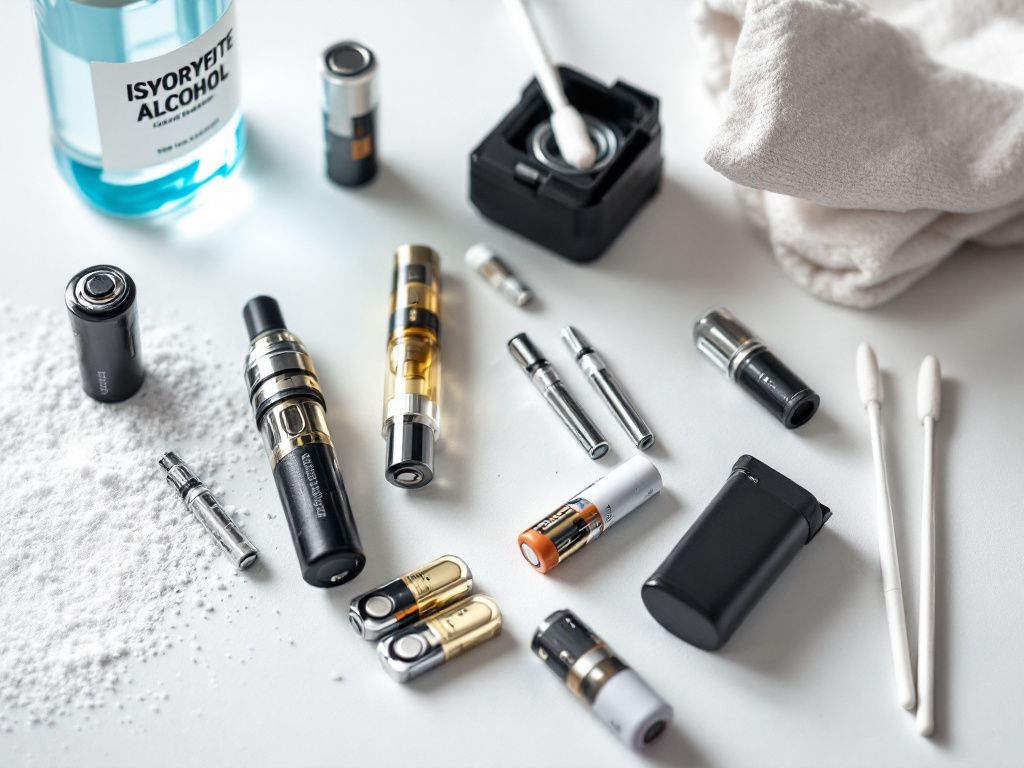
Vape cartridge disposal requires careful attention to both electronic waste regulations and residual cannabis compounds. The disposal process involves these key steps:
- Remove remaining oil with cotton swabs
- Clean interior with isopropyl alcohol
- Remove batteries for separate recycling
- Take cartridges to vape shops or WEEE collection points
Battery removal is essential for proper vape pen disposal, as lithium batteries require specialised recycling to prevent environmental damage. Most vape pens have removable batteries that you can take to designated collection points at supermarkets, electronics stores, or local recycling centres. If the battery cannot be removed, treat the entire device as electronic waste under WEEE regulations.
Local vape shops often accept old cartridges and devices for proper recycling, making them convenient disposal points for electronic cannabis waste. Many shops participate in take-back programs that ensure proper handling of both plastic components and electronic parts. Household Waste Recycling Centres also accept vape products under their WEEE collection services.
Cannabis oil bottles present simpler disposal challenges but still require proper preparation. Remove all rubber seals and droppers, disposing of these components with general household waste since they cannot be recycled. Rinse glass bottles thoroughly with hot water and dish soap to remove any oily residue before placing them in your glass recycling collection.
Plastic components like bottle caps and droppers should be cleaned and placed in appropriate recycling streams if your local council accepts them. Some areas have specific requirements for small plastic items, so check your local guidelines to ensure proper disposal.
Cannabis Packaging
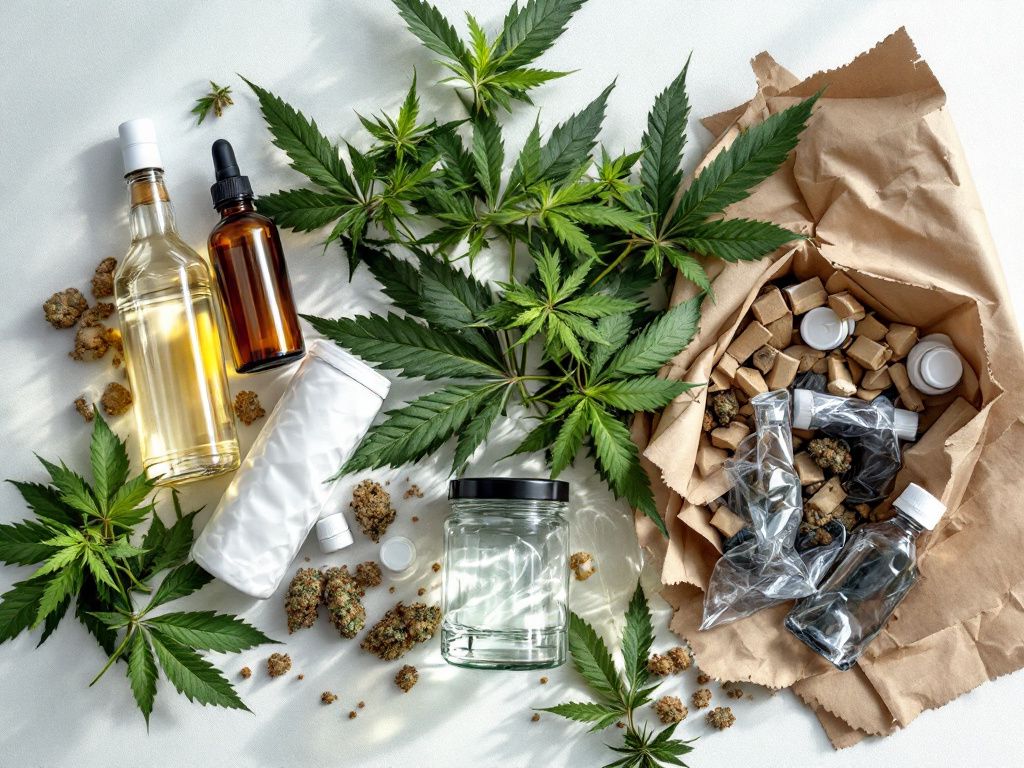
Privacy protection should be your first consideration when disposing of cannabis packaging materials. Remove or black out any personal information, prescription details, or identifying labels to protect your privacy and comply with data protection principles. This step is particularly important for medical cannabis packaging that may contain sensitive health information.
Cleaning packaging thoroughly ensures maximum recycling potential while removing any residual cannabis compounds. Rinse containers with warm soapy water, paying special attention to corners and crevices where product residue might accumulate. Allow packaging to dry completely before placing it in recycling collections to prevent contamination of other recyclable materials.
Material separation maximises recycling opportunities by ensuring each component goes to the appropriate waste stream. Glass containers go with glass recycling, plastic components with plastic collections, and paper elements with standard paper recycling. This separation helps maintain the quality of recycled materials and supports circular economy principles.
BudBuddies demonstrates industry leadership through sustainable packaging initiatives that make disposal easier for consumers while reducing environmental impact. Their commitment to using recyclable materials and minimal packaging reduces waste at the source, supporting responsible consumption from purchase through disposal.
Some packaging materials may not be recyclable through standard household collections, particularly specialised security features or multi-material combinations. When standard recycling isn’t possible, dispose of these items with general household waste rather than contaminating recycling streams with inappropriate materials.
Legal and Environmental Considerations in the UK
UK cannabis disposal regulations balance public safety concerns with environmental protection requirements. Understanding these legal frameworks helps you stay compliant while making environmentally responsible choices about waste management.
UK Legislation and Your Responsibilities
Medical cannabis disposal falls under specific pharmaceutical waste guidelines that prioritise safety and prevent diversion. NHS pharmacies across the UK offer free disposal services for unwanted medical cannabis, making professional disposal the safest and most legally compliant option. These facilities have proper procedures for handling controlled substances and can ensure complete destruction of unused medications.
WEEE regulations cover electronic waste from vape devices, requiring retailers to offer take-back services for products they sell. This legal requirement means that vape shops, electronics stores, and even some supermarkets must accept old vaping devices for proper recycling. Taking advantage of these services ensures compliance with environmental law while protecting ecosystems from electronic waste contamination.
Hazardous waste classification doesn’t typically apply to cannabis products themselves, but associated chemicals from cultivation or processing may require special handling. Pesticides, nutrients, and cleaning solvents used in cannabis production must be disposed of according to hazardous waste guidelines to prevent environmental contamination. Check with your local council about hazardous waste collection services if you have such materials.
The principle of rendering cannabis waste unusable and unrecognisable serves legal as well as safety purposes. This approach prevents any possibility of diversion while ensuring that disposal methods align with law enforcement expectations for responsible cannabis handling. Documentation of proper disposal practices can provide legal protection in case of any questions about your waste management approach.
Data protection considerations extend to cannabis packaging that contains personal information. Removing identifying details before disposal protects your privacy while preventing potential identity theft or medical information disclosure. This practice is particularly important for medical cannabis patients whose packaging may contain sensitive health information.
“The key principle in cannabis waste disposal is rendering materials completely unusable and unrecognisable. This approach satisfies both safety requirements and legal compliance expectations.”
— UK pharmaceutical waste disposal specialist
Minimising Environmental Impact
Water source protection requires careful attention to disposal methods, as cannabis compounds and associated chemicals can persist in aquatic environments and affect wildlife. Never dispose of cannabis oils, tinctures, or cleaning solutions through drains or toilets, as wastewater treatment facilities may not remove these compounds effectively. Ground disposal should also be avoided in areas where runoff might reach water sources.
“Cannabis compounds can persist in water systems and affect aquatic ecosystems. Proper disposal methods are essential for protecting our waterways and wildlife.”
— Environmental protection researcher
Landfill waste reduction depends on maximising recycling opportunities while ensuring safe disposal of non-recyclable materials. Electronic waste from vape devices represents a significant environmental concern due to lithium batteries and plastic components that can take decades to decompose. Using proper WEEE recycling channels diverts these materials from landfills into appropriate processing facilities.
Soil contamination prevention requires careful handling of cannabis growing materials and associated chemicals. Dispose of treated soil, nutrient solutions, and pesticide containers through hazardous waste collection services rather than regular garden waste channels. This approach prevents chemical contamination of composting facilities and protects soil quality in processing areas.
Wildlife protection considerations extend beyond direct consumption risks to include habitat preservation and ecosystem health. Improper disposal can introduce foreign compounds into natural systems, potentially affecting plant growth, soil microorganisms, and animal health. Following proper disposal guidelines helps maintain the ecological balance that supports healthy wildlife populations.
BudBuddies leads by example through comprehensive sustainability initiatives that address environmental impact from production through disposal. Their commitment to eco-friendly packaging, sustainable cultivation methods, and consumer education supports a complete lifecycle approach to environmental responsibility. Supporting brands with strong environmental values reinforces market demand for sustainable practices throughout the cannabis industry.
Climate impact reduction comes through choosing disposal methods that minimise carbon footprint while maintaining safety standards. Local disposal options reduce transportation emissions, while proper recycling conserves resources and energy compared to manufacturing new materials. These choices contribute to broader climate goals while supporting responsible cannabis consumption.
Conclusion
Responsible cannabis disposal represents the final step in ethical consumption practices that protect your household, community, and environment. The methods outlined in this guide provide practical solutions for safely disposing of different cannabis products while complying with UK regulations and supporting sustainability goals. From mixing already vaped bud with coffee grounds to utilising WEEE recycling for vape cartridges, each approach prioritises safety while minimising environmental impact.
Your disposal choices reflect broader values about responsible consumption and environmental stewardship. When you take the time to properly clean packaging for recycling, render cannabis waste unusable, and utilise appropriate disposal channels, you demonstrate commitment to community safety and environmental protection. These actions support the sustainable practices that forward-thinking brands like BudBuddies champion throughout their operations.
The knowledge you’ve gained about weed safe disposal guidelines empowers you to handle cannabis waste confidently and legally. Whether dealing with flower, edibles, oils, or packaging materials, you now have specific methods that ensure safe disposal while maximising recycling opportunities. This expertise helps you maintain the same high standards for disposal that you apply to product selection and consumption.
Remember that responsible disposal practices contribute to the positive evolution of cannabis culture in the UK. As more consumers adopt these guidelines, the collective impact supports cleaner communities, healthier ecosystems, and stronger regulatory compliance. Your individual actions matter in building a sustainable future for cannabis consumption that protects both people and planet.
FAQs
Can I Compost My Cannabis Waste
Composting cannabis flower, particularly already vaped bud, is not recommended for typical home composting systems. Residual cannabinoids might attract pests or negatively affect other plants in your garden, while the organic compounds may not break down properly in low-temperature composting environments. Instead, mix cannabis waste with undesirable materials before disposing of it with general household waste to ensure complete safety.
Where Can I Dispose of Old Vape Cartridges in the UK
Old vape cartridges qualify as electronic waste under WEEE regulations and should go to designated recycling points at Household Waste Recycling Centres or participating retail locations. Many vape shops offer take-back services as required by law, while some supermarkets and electronics stores also accept small electronic waste items. Contact your local council for specific locations and requirements in your area.
How Do I Make Cannabis Waste Unusable and Unrecognisable
Making cannabis waste unusable requires physical alteration combined with mixing with undesirable substances. Crush or break cannabis products into small pieces, then mix thoroughly with used coffee grounds, kitty litter, or soil until the original material cannot be identified or separated. Place this mixture in sealed, opaque containers before disposal to prevent odours and ensure complete safety from accidental consumption.


