


What Is THC Microcapsules Technology? An Overview
Introduction to THC Microcapsules Technology
Cannabis consumption has come a long way from traditional smoking methods. THC microcapsules technology represents one of the most exciting developments in cannabis delivery systems, offering a sophisticated approach to experiencing tetrahydrocannabinol (THC), the plant’s primary psychoactive compound. This innovative method involves encapsulating microscopic THC particles within protective shells, creating tiny capsules that preserve the compound’s integrity while controlling how and when it’s released in your body.
Think of these microcapsules as tiny time-release mechanisms, similar to how certain vitamins are designed to dissolve gradually throughout your day. The protective shell shields sensitive THC from environmental factors like light, oxygen, and heat that can degrade its potency over time. This protection extends far beyond simple storage—it revolutionises how your body processes and experiences cannabis effects.
Traditional cannabis consumption methods often present challenges with consistency and predictability. When you consume THC through oils or edibles, oral bioavailability can vary dramatically between 4% and 20%, making it difficult to achieve consistent effects. Inhalation methods offer better absorption rates of 10-37%, but they come with their own set of limitations regarding discretion and lung health concerns.
How can we make cannabis consumption more reliable and user-friendly? THC microencapsulation technology addresses these fundamental questions by creating a delivery system that offers controlled release patterns, improved stability, and enhanced bioavailability. This pharmaceutical-grade approach transforms unpredictable cannabis experiences into precise, measurable doses that work consistently every time you use them.
“The inconsistency in oral cannabis bioavailability has been one of the biggest barriers to medical cannabis adoption. Microencapsulation technology represents a paradigm shift towards pharmaceutical precision in cannabis delivery.” – Dr. Mahmoud ElSohly, Director of Marijuana Research, University of Mississippi
The journey of microencapsulation began in the 1950s with applications in carbonless copying paper, eventually expanding across pharmaceuticals, food production, and cosmetics industries. Cannabis companies are now adapting these proven techniques to create products that meet the exacting standards expected by both medical patients and recreational users who demand reliability in their cannabis experience.
The Science Behind THC Microencapsulation
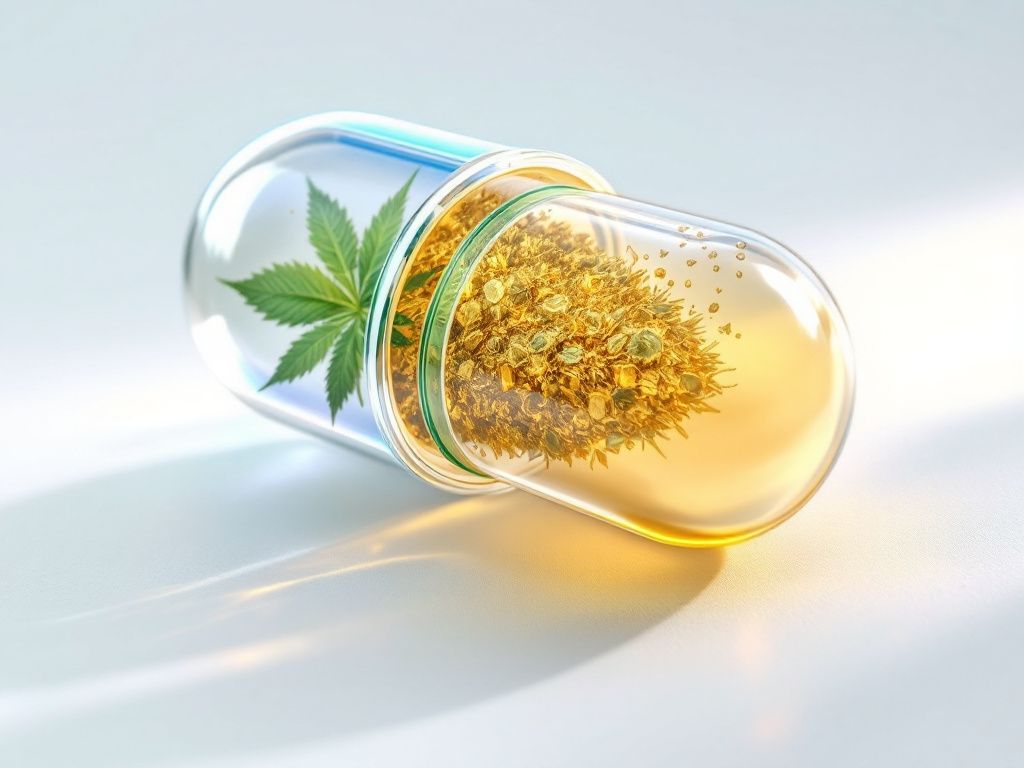
Understanding thc microencapsulation requires exploring the intricate balance between protecting delicate cannabis compounds and ensuring optimal delivery to your system. This technology combines principles from pharmaceutical science, materials engineering, and cannabis chemistry to create capsules that outperform traditional consumption methods. The process involves careful selection of materials and precise manufacturing techniques that preserve THC’s therapeutic properties while enhancing its effectiveness.
Modern microencapsulation techniques have transformed how we approach drug delivery systems across multiple industries. Cannabis researchers have adapted these methods specifically for THC, creating formulations that address the unique challenges posed by cannabinoid compounds. The science focuses on creating stable, biocompatible systems that can survive manufacturing processes, storage conditions, and the harsh environment of your digestive system.
“The application of pharmaceutical microencapsulation techniques to cannabis compounds opens new possibilities for therapeutic applications that were previously impossible with traditional delivery methods.” – Dr. Igor Kovalchuk, Cannabis Research, University of Lethbridge
Components of a THC Microcapsule

Every effective THC microcapsule consists of two critical components working in perfect harmony. The core material contains the active THC or THC-rich extract that provides the desired effects, whether therapeutic or recreational. This core represents the heart of the capsule, carefully formulated to maintain potency and stability throughout the product’s lifecycle. Quality manufacturers select premium cannabis extracts with consistent cannabinoid profiles, ensuring each capsule delivers predictable results.
The shell material forms the protective barrier that makes controlled release thc possible. The shell materials include:
- Natural polymers like alginate, gelatin, and chitosan
- Semi-synthetic options such as ethyl cellulose
- Synthetic polymers like PLGA (poly-lactic-co-glycolic acid)
- Lipids and waxes
These shell materials must meet stringent safety requirements for human consumption while remaining chemically inert with THC compounds. The selection process considers factors like dissolution rates, pH sensitivity, and compatibility with manufacturing processes. Advanced formulations may combine multiple shell materials to achieve specific release profiles, such as immediate release followed by sustained delivery over several hours.
Why Microencapsulate THC? Advantages Explained
Protection and stability represent the most immediate benefits of THC microcapsules technology. Cannabis compounds are notoriously sensitive to environmental conditions, with THC degrading rapidly when exposed to light, oxygen, or elevated temperatures. The microcapsule shell acts as a molecular fortress, preserving potency for extended periods and ensuring consistent product performance. This protection translates directly into longer shelf life and more reliable effects for consumers who demand quality and consistency.
Controlled and targeted release capabilities distinguish microcapsules from conventional cannabis products. Enteric coated thc formulations remain intact in your stomach’s acidic environment, protecting the THC from premature degradation while ensuring release occurs in the more alkaline conditions of your small intestine. This targeted approach maximises absorption efficiency and reduces the formation of unwanted metabolites that can cause unpredictable effects. Extended-release formulations can provide therapeutic benefits for hours rather than the brief peaks associated with traditional edibles.
Enhanced oral thc bioavailability represents perhaps the most significant advantage for consumers seeking consistent effects. Traditional oral THC consumption results in extensive first-pass metabolism in your liver, where enzymes convert THC into 11-hydroxy-THC, a more potent but unpredictable metabolite. Sophisticated microencapsulation techniques can bypass or reduce this first-pass effect, allowing more THC to reach your bloodstream in its original form. Lipid-based microsphere systems facilitate lymphatic uptake, further improving bioavailability while reducing psychological side effects.
Masking properties eliminate one of the most common complaints about cannabis products—their strong taste and distinctive aroma. Microencapsulation completely encases the THC, preventing any interaction with your taste buds until the capsule dissolves in the appropriate location within your digestive system. This masking effect makes cannabis consumption more discreet and enjoyable, particularly for medical patients who may be sensitive to cannabis flavours or those seeking privacy in their consumption habits.
Key Microencapsulation Techniques for THC

Several proven techniques dominate the field of cannabis microencapsulation, each offering distinct advantages for specific applications and user requirements. These methods represent decades of pharmaceutical research adapted specifically for cannabis compounds, ensuring both safety and effectiveness in the final products. Manufacturing techniques continue evolving as researchers discover new materials and processes that enhance the stability and performance of encapsulated cannabinoids.
The choice of encapsulation method depends on factors including desired release profile, manufacturing scale, cost considerations, and target market requirements. Medical applications often demand different characteristics than recreational products, leading to specialised techniques tailored for specific use cases. Understanding these methods helps consumers make informed decisions about which products best suit their needs and preferences.
Alginate Microencapsulation
Alginate thc capsules utilise a naturally derived polymer from brown algae, offering exceptional biocompatibility and safety for human consumption. This technique involves combining THC extract with sodium alginate solution, which is then introduced into a calcium chloride bath through a controlled dripping process. The calcium ions cause immediate cross-linking of the alginate chains, forming stable hydrogel capsules that encapsulate the THC within a protective matrix. The mild processing conditions preserve the integrity of sensitive cannabinoids while creating capsules with predictable release characteristics.
The resulting alginate microcapsules provide rapid intestinal release, making them ideal for products requiring quick onset of effects combined with good bioaccessibility. This technique particularly appeals to manufacturers focusing on pharmaceutical-grade edibles where consistency and safety are paramount concerns. The natural origin of alginate aligns perfectly with consumer preferences for plant-based ingredients, while the gentle encapsulation process maintains the full spectrum of cannabinoids present in quality cannabis extracts.
Quality control in alginate encapsulation involves precise monitoring of calcium concentrations, pH levels, and temperature throughout the manufacturing process. The size and uniformity of capsules can be controlled through equipment parameters, allowing manufacturers to create products with specific dosing requirements. Storage stability of alginate capsules remains excellent under proper conditions, maintaining THC potency for extended periods while protecting against environmental degradation.
Enteric Coating Technology
Enteric coating represents one of the most sophisticated approaches to gastro resistant thc delivery, utilising specialised polymers that remain stable in acidic conditions but dissolve rapidly when pH levels increase. This technology protects THC from the harsh acidic environment of your stomach, where degradation can significantly reduce bioavailability and create inconsistent effects. The coating materials are carefully selected based on their pH-sensitive properties, ensuring reliable dissolution only when capsules reach the more alkaline environment of your small intestine.
“Enteric coating technology has revolutionised oral drug delivery by ensuring medications reach their target absorption site intact. This same precision is now being applied to cannabis therapeutics.” – Professor Yvonne Perrie, Pharmaceutical Sciences, University of Strathclyde
The pharmaceutical principles behind enteric coating have been refined over decades of research into oral drug delivery systems. Cannabis applications benefit from this established science, creating products that offer superior consistency compared to traditional edibles. The coating process involves applying multiple layers of pH-sensitive polymers, each contributing to the overall protection and controlled release characteristics of the final product. This multilayer approach allows for fine-tuning of release profiles to match specific therapeutic or recreational requirements.
Manufacturing quality control for enteric-coated products requires sophisticated testing equipment to verify coating integrity and dissolution characteristics. Each batch undergoes rigorous testing to ensure proper release profiles under simulated digestive conditions. The resulting products offer medical patients and recreational users alike the confidence that comes from predictable, consistent effects that can be relied upon for both symptom management and enjoyable experiences.
Lipid Microspheres
Lipid microspheres thc formulations represent cutting-edge technology in cannabis delivery systems, incorporating THC within solid lipid cores surrounded by phospholipid monolayers. These microscopic spheres typically range from 0.01 to 100 micrometers in diameter, creating an ideal environment for lipophilic compounds like THC. The lipid matrix not only protects the cannabinoids from degradation but also enhances their solubility and bioavailability through natural biological processes that favour lipid absorption.
The manufacturing process involves dissolving THC in carefully selected lipidic excipients that remain solid at body temperature but allow controlled release of the active compound. This approach significantly improves stability, particularly during storage at cooler temperatures where many traditional cannabis products may suffer degradation. The resulting microspheres integrate seamlessly with your body’s natural lipid processing systems, facilitating lymphatic uptake that bypasses first-pass metabolism and delivers more consistent effects.
Advanced lipid microsphere formulations can incorporate multiple release mechanisms, creating products with immediate-release components for quick onset combined with sustained-release elements for prolonged effects. This dual-release approach addresses the needs of both medical patients requiring consistent symptom relief and recreational users seeking extended experiences. The technology also reduces the formation of 11-hydroxy-THC metabolites that can cause unpredictable psychological effects, resulting in smoother and more manageable experiences for all users.
BudBuddies and the Future of THC Delivery

BudBuddies stands at the forefront of ethical cannabis innovation, perfectly positioned to integrate advanced thc microcapsules technology with our unwavering commitment to quality and transparency. Our dedication to 100% cannabis-derived products ensures that any future microencapsulation developments will maintain the purity and authenticity our customers expect. We recognise that sophisticated delivery systems must never compromise the natural integrity of premium cannabis compounds, and our approach to microcapsule technology reflects this fundamental principle.
Our research and development team continuously evaluates emerging pharmaceutics thc uk applications, always prioritising consumer safety and environmental responsibility alongside product effectiveness. Future BudBuddies microcapsule products will feature plant-based encapsulation materials that align with our vegan principles, utilising sustainable manufacturing processes that minimise environmental impact. We envision controlled-release formulations that provide precise dosing for medical patients while offering recreational users the consistency and discretion they value in premium cannabis products.
The integration of microencapsulation technology represents an opportunity to address specific needs within our diverse customer base. Medical cannabis patients require reliable dosing and predictable effects for symptom management, while recreational users seek products that fit seamlessly into their lifestyle without compromising privacy or convenience. BudBuddies microcapsules will deliver on both fronts, offering pharmaceutical-grade precision in products that remain true to our ethical manufacturing standards.
What sets BudBuddies apart in the evolving landscape of cannabis technology? Our commitment extends beyond simply adopting new manufacturing techniques to encompass a holistic approach that considers the entire customer experience. From sourcing premium cannabis materials through final product delivery, every step reflects our values of transparency, sustainability, and uncompromising quality. Future microcapsule products will feature complete ingredient disclosure, detailed testing results, and clear information about onset times and duration of effects.
Our vision includes partnerships with leading researchers and manufacturers who share our commitment to ethical innovation and consumer welfare. By collaborating with experts in microencapsulation technology, BudBuddies can offer products that represent the pinnacle of cannabis delivery systems while maintaining the personal touch and responsive customer service that defines our brand. Fast, reliable delivery throughout the UK ensures these advanced products reach you fresh and ready to provide the consistent, high-quality experience you expect from BudBuddies.
Conclusion
THC microcapsules technology stands as a transformative advancement in cannabis delivery systems, offering solutions to longstanding challenges in consistency, bioavailability, and user experience. This sophisticated approach protects sensitive cannabinoids from environmental degradation while providing controlled release patterns that ensure predictable effects with every dose. The technology addresses fundamental issues with traditional consumption methods, creating products that meet the exacting standards required by both medical patients and discerning recreational users.
The various encapsulation techniques—from natural alginate systems to advanced lipid microspheres—demonstrate the versatility and potential of this technology across different applications and user preferences. As cannabis markets continue maturing, particularly in the UK where regulatory frameworks are evolving, microencapsulation represents a pathway toward mainstream acceptance through pharmaceutical-grade quality and consistency. The science behind these delivery systems builds upon decades of research in drug delivery, adapted specifically for the unique properties and requirements of cannabis compounds.
Cannabis consumers can expect continued innovation in microencapsulation technology, with new materials and techniques constantly emerging to enhance stability, bioavailability, and user experience. The future promises even more sophisticated formulations that can deliver complex release profiles, combining immediate effects with sustained therapeutic benefits over extended periods. This technological evolution will ultimately benefit everyone from medical patients seeking reliable symptom relief to recreational users who value consistency and discretion in their cannabis consumption choices.
“Microencapsulation represents the future of precision cannabis medicine, offering the kind of dosing accuracy and consistency that medical professionals demand.” – Dr. Ethan Russo, Neurologist and Cannabis Researcher
FAQs
What are the main benefits of THC microcapsules over traditional edibles?
THC microcapsules provide several key advantages:
- Superior stability protecting against degradation
- Controlled and targeted release mechanisms
- Enhanced bioavailability through reduced first-pass metabolism
- Masking properties eliminating unpleasant taste and odour
How does THC microencapsulation improve bioavailability?
Microencapsulation techniques like enteric coating and lipid microspheres help THC bypass or reduce first-pass metabolism in your liver, allowing more of the compound to reach your bloodstream in its original form. Lipid-based systems facilitate lymphatic uptake, which further enhances absorption while reducing the formation of unpredictable metabolites. This improved delivery system results in more consistent effects and better therapeutic outcomes compared to traditional oral consumption methods.
Are THC microcapsules legal in the UK?
Cannabis-based medicinal products containing THC can only be prescribed by specialist hospital doctors in the UK for specific approved conditions. The legal status of any THC microcapsule product depends on meeting stringent regulatory requirements for safety, efficacy, and quality as established by the Medicines and Healthcare products Regulatory Agency. These products must undergo rigorous testing and approval processes before they can be legally prescribed or distributed within the UK healthcare system.
Can microencapsulated THC be used for medical conditions?
Microencapsulated THC formulations are particularly well-suited for medical applications due to their precise dosing capabilities and controlled release characteristics. They can be effective for managing chronic pain, muscle spasticity, nausea from chemotherapy, and other conditions where consistent therapeutic levels are important for symptom relief. The predictable onset and duration of effects make these products valuable tools for medical professionals and patients who require reliable cannabis-based treatments with minimal variability in therapeutic response.


